How Many Rifle Elk Hunts Nevada Runs
It's incredibly frustrating when you're trying to wrap your head around Nevada's elk hunting regulations. The system can feel like a labyrinth, especially when you're just trying to figure out something as seemingly simple as how many rifle elk hunts there actually are. You apply, you wait, and sometimes it feels like you're playing a complex game of chance without truly understanding the rules. This guide is here to untangle that knot, offering a clear, comprehensive look at the various rifle elk opportunities Nevada provides, so you can apply with confidence.
Understanding Nevada's Elk Hunting Structure
Nevada's elk population has truly become a success story, growing from virtually nothing into a highly sought-after trophy draw. This isn't your grandfather's elk hunting state where you just walk into a sporting goods store and buy an over-the-counter tag. Instead, the Silver State operates on a complex draw system designed to manage herd health, distribute hunting pressure, and offer quality experiences, which means understanding the underlying structure is crucial before you even think about applying for a rifle elk hunt.
Why Elk Hunting in Nevada Feels Complex
The primary reason Nevada elk hunting often leaves hunters scratching their heads is the heavily controlled draw system. Unlike some states with more abundant, widely distributed elk, Nevada's herds, though robust and growing, are still localized and managed carefully. This means the number of available tags for all species, especially elk, is exceptionally limited. Each year, thousands of hopeful hunters throw their hat in the ring, vying for a chance at one of these coveted tags. This intense competition, combined with a unique bonus point system, can make planning feel like a high-stakes gamble. It’s not just about knowing "How Many Rifle Elk Hunts Nevada Runs"; it's about understanding the specific units, the season dates within those units, and the incredibly long odds you face to draw a tag in the first place.
Another layer of complexity comes from the sheer diversity of hunt units across the state. Nevada is a vast and varied landscape, from the high desert sagebrush to towering mountain ranges, and each unit presents its own challenges and opportunities. What might be a prime unit for an early archery hunt could be completely different during a late rifle season. This means hunters need to dive deep into unit-specific regulations and draw statistics, which can be daunting without the right resources. It truly requires a dedication to e-scouting a Nevada unit before the season and pouring over historical data.
The Role of the Nevada Department of Wildlife NDOW
The Nevada Department of Wildlife (NDOW) is the central authority responsible for managing all wildlife and hunting seasons in the state. They're the ones behind the numbers, setting tag quotas, establishing season dates, and implementing regulations across every hunt unit. Their decisions are based on extensive biological surveys, herd health assessments, and population modeling, all aimed at ensuring sustainable hunting opportunities while protecting the long-term viability of Nevada's elk herds.
NDOW’s process involves public meetings and input, where biologists present data on herd performance, habitat conditions, and proposed tag numbers. These proposals then go through a commission for approval. This rigorous approach means that every tag issued, and every season opened, is a deliberate decision rooted in scientific management. Understanding that NDOW is working with finite resources and a commitment to wildlife conservation helps explain why tags are so precious and why the "number" of hunts isn't a fixed, easily quantifiable figure but rather a dynamic outcome of careful biological stewardship.
Unpacking the Types of Rifle Elk Hunts
When you hear hunters talk about "Nevada elk rifle hunts," it's not a single, monolithic event. Instead, Nevada structures its elk seasons into several distinct periods, primarily focused on rifle hunting, that vary depending on the specific hunt unit and the biological objectives for that area. While the direct answer to "how many" might be confusing, understanding the types of hunts will clarify the landscape of opportunities.
Standard Rifle Elk Seasons
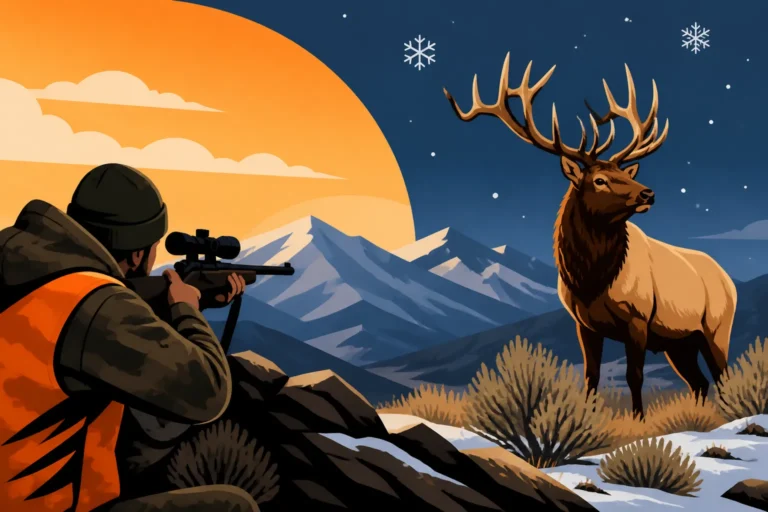
The bulk of Nevada's rifle elk hunting opportunities fall into what can be considered the "standard" rifle seasons. These are typically offered in the fall, often in October and November, and are designed to coincide with periods when elk are accessible, and the weather is generally favorable, though Nevada weather can change on a dime. These hunts are primarily geared towards harvesting antlered bulls, though limited antlerless or "cow" hunts are sometimes available to manage herd numbers in specific areas.
Many units will host one or two primary rifle seasons, sometimes split into an early and a late hunt. For example, some units might have an early October rifle hunt when elk are still relatively high and spread out, followed by a late November or even December hunt, aiming to catch animals during the post-rut migration for big bucks as they move to lower elevations or winter ranges. These later seasons, in particular, can be incredibly challenging due to colder weather and potentially deeper snow, but they also offer a unique opportunity to target mature bulls. You can dive deeper into these timeframes by looking at Nevada Elk Rifle Hunts Stretch From October Into December and specifically when Nevada Elk Rifle Seasons Open.
The duration of these standard rifle seasons can vary, from week-long hunts to periods stretching for ten days or even two weeks, depending on the unit and the specific hunt code. This variability means that while there aren't dozens of separate types of rifle hunts, the combination of early, mid, and late seasons across numerous units creates a mosaic of opportunities. Each hunt has a distinct number (e.g., Hunt 2011, 2012, etc.), indicating the species, weapon type, and season dates.
Special Management and Depredation Hunts
Beyond the standard draw hunts, Nevada sometimes offers special management or depredation hunts. These are generally less common and are implemented by NDOW to address specific wildlife management concerns, often involving elk causing damage to private property, crops, or competing excessively with livestock. These hunts are not part of the regular draw system and are usually filled through alternative methods, such as a special application period, a lottery for unsuccessful applicants, or directly by NDOW staff to specific individuals.
Depredation hunts are typically for antlerless elk, as the goal is to reduce overall herd numbers in a localized area rather than targeting trophy bulls. These opportunities are irregular and unpredictable; they pop up as needs arise. Hunters interested in these types of hunts need to stay very current with NDOW announcements throughout the year, as they are not widely advertised or on a fixed schedule. They represent a different kind of opportunity, often focused on meat hunting and wildlife management, rather than the classic trophy pursuit of a drawn tag.
Another type of special hunt might involve specific units or sub-units where biologists are trying to achieve a very precise harvest objective, perhaps for population control or to reduce disease transmission risk. These too would be distinct from the general draw. While these hunts do add to the "number" of rifle elk hunts Nevada runs, they are outliers compared to the primary drawn opportunities and require specific monitoring for availability.
Key Factors Influencing Hunt Opportunities
It’s easy to get lost in the sheer volume of numbers and dates when looking at Nevada’s hunting regulations. But beyond just knowing what hunts exist, understanding why certain opportunities are available (or not) is paramount. Several critical factors dictate the number and nature of rifle elk hunts year after year, fundamentally shaping your chances of ever holding a coveted tag.
Tag Quotas and Draw Odds
The most significant factor influencing rifle elk hunt opportunities in Nevada is the strict tag quota system. Each year, NDOW sets a specific number of tags for each hunt unit and hunt type (e.g., antlered bull, antlerless elk, rifle, archery, muzzleloader). These quotas are meticulously determined based on population surveys, recruitment rates (how many calves survive to adulthood), habitat conditions, and management goals for a particular herd. Because elk are a premium big game species in Nevada, these quotas are almost always very low, especially for bull tags.
These low quotas directly translate into incredibly challenging draw odds. Most rifle elk hunts in Nevada have single-digit draw odds, meaning less than 10% of applicants, even those with many bonus points, will draw a tag in a given year. Some units, particularly those known for trophy potential, might have odds well below 1%. This reality means that while Nevada Elk Herds Grew From Nothing Into a Trophy Draw, drawing one of those coveted tags remains a long-term strategy for most hunters. This is where tools like GoHunt become invaluable; they meticulously track draw odds, application statistics, and unit data, allowing you to make informed decisions about where to apply and gauge your chances. Without this kind of data, you’re essentially guessing in the dark.
For non-residents, the situation is even tougher, as a smaller percentage of tags are allocated to out-of-state hunters. This creates a fiercely competitive environment where every application choice matters. Many hunters focus on building bonus points for years, hoping that their accumulated points, which Nevada Squares Your Bonus Points Into Draw Chances, will eventually give them an edge.
Unit-Specific Regulations and Timing
Another critical layer of complexity stems from the unit-specific nature of Nevada's elk hunting regulations. What applies in one unit might not apply in another, even if they're geographically close. This is particularly true for season timing. While you might see a general opening date for rifle elk statewide, the actual dates for specific hunt codes will vary from unit to unit. For example, some units might have a late October rifle hunt, while others might only offer a November or even December season. It's truly a complex puzzle, and understanding Reading a Nevada Hunt Unit Before You Apply is crucial.
These variations in timing are often driven by biological factors like the timing of the rut in that specific area, historical weather patterns, or management goals such as reducing pressure during certain migratory periods. Some units might be managed for older age-class bulls, leading to later seasons, while others might have earlier hunts to spread out harvest pressure or target specific migration corridors. This means that a comprehensive application strategy involves more than just knowing there are rifle elk hunts; it means knowing exactly when those hunts occur in the units you're interested in and if that timing aligns with your personal hunting preferences and schedule.
Beyond season dates, units can also have differing weapon restrictions (though this is less common for general rifle seasons, it's worth noting for other hunt types), access challenges, and terrain characteristics. Some units might be predominantly remote, rugged wilderness areas requiring extensive packing in, while others might have more road access. All these details influence the hunting experience and the likelihood of success, making thorough research into each specific unit absolutely indispensable.
Planning Your Nevada Rifle Elk Application Strategy
Given the challenging nature of Nevada’s draw system and the limited number of rifle elk tags, a well-thought-out application strategy is paramount. Simply throwing your name into the hat for a random hunt is a surefire way to accumulate points for decades without ever drawing a tag. You need to be methodical, data-driven, and patient.
Navigating the Application Process
The first hurdle for any hopeful Nevada elk hunter is navigating the application process itself. It all starts with acquiring a Nevada Combination License, which is mandatory before you can even apply for any big game tag. This license covers hunting and fishing privileges for the year. Remember, Nevada Applications Run March 23 to May 13, so marking those dates on your calendar is essential. Missing the deadline means you're out of luck for another year.
When you apply, you'll typically list several hunt choices in order of preference. This is where your research really pays off. You'll want to prioritize units and hunt dates that align with your experience, physical capabilities, and the kind of hunt you're hoping for. Are you looking for a late-season trophy bull hunt in rugged country, or would an earlier, more accessible hunt be a better fit? Understanding the terrain, elk behavior, and historical success rates for each specific hunt code is critical. Many hunters dream of drawing a tag in units renowned for growing Boone and Crockett Bulls From Nevada, but these often have the longest odds.
It's also crucial to understand the financial commitment. A non-resident Nevada Elk Tag Runs $1,200, which is a significant investment even if you're only applying. You won't be charged the full tag fee unless you draw, but the application fee itself is non-refundable. So, every choice you make during the application window should be carefully considered, backed by solid data and a realistic understanding of your chances.
Leveraging Data for Better Choices
In today's hunting landscape, information is power, and nowhere is that truer than in states with complex draw systems like Nevada. Relying solely on anecdotal evidence or wishful thinking will likely lead to repeated disappointment. Instead, smart hunters leverage available data to improve their odds and make strategic application choices. This means diving deep into draw statistics, harvest reports, and unit overviews.
Resources like GoHunt provide incredibly detailed insights into Nevada's draw. They compile years of application and harvest data, allowing you to see historical draw odds for every hunt code, broken down by resident and non-resident, and even by point level. This allows you to identify trends, understand which units are becoming more popular, and make educated decisions about where your bonus points might have the best chance of paying off. For instance, knowing How Many Chances Four Nevada Points Buy changes your perspective on application strategy. You can also research How Nevada Splits Elk Units Between Rifle Hunts to understand the regional differences.
Beyond draw odds, studying harvest data can give you a realistic picture of success rates and the quality of animals being taken in various units. A unit might have slightly better draw odds, but if its harvest success is consistently low, it might not be the best choice. Conversely, a unit with tougher odds but high success and good trophy potential might be worth putting in for year after year. It's a balance between drawing a tag and drawing a quality hunting experience. After all your careful planning, you'll finally be checking Nevada Draw Results Land at the End of May to see if your strategy paid off.
Nevada Rifle Elk Hunt Season Overview
To help visualize the landscape of Nevada's rifle elk hunts, here's a general overview of when these seasons typically occur. Keep in mind that specific dates and unit availability will always vary year to year and should be verified with the official NDOW regulations for the current season.
| Hunt Type | Typical Timeframe | Primary Objective | Key Characteristics | Draw Difficulty |
|---|---|---|---|---|
| Early Rifle Bull | Late September – Mid October | Harvest mature bulls | Often precedes or overlaps with late archery. Elk may be scattered. | Very High |
| General Rifle Bull | Mid October – Mid November | Harvest mature bulls | Primary rifle seasons. Elk often in pre-rut or early post-rut. | Very High |
| Late Rifle Bull | Late November – Mid December | Harvest mature bulls during post-rut or migration | Colder weather, potential snow. Elk often concentrating. | Extremely High |
| Antlerless (Cow) Rifle | Various, often Late Oct – Dec | Population management, herd reduction | Focus on meat harvest, fewer hunters. | High (relative) |
| Depredation/Mgmt. | Irregular, unit-specific | Resolve conflict, achieve specific objectives | Not part of regular draw. Dates and areas vary widely. | N/A (Special Op) |
Remember, this table provides a general framework. The exact unit a hunter may draw, and the specific hunt code associated with that unit, will dictate the precise dates and regulations. It's why relying on detailed resources like those provided by GoHunt or the official NDOW hunt book is non-negotiable for serious applicants.
Disclaimer
Please note that hunting regulations, season dates, and tag quotas in Nevada are subject to change annually by the Nevada Department of Wildlife (NDOW). This guide provides general information based on typical patterns and past regulations. Always consult the most current official Nevada Big Game Seasons and Regulations publication, as well as the NDOW website, before planning and applying for any hunt. This content is for informational purposes only and does not constitute legal advice.