Hunting a Wallow During Early Archery
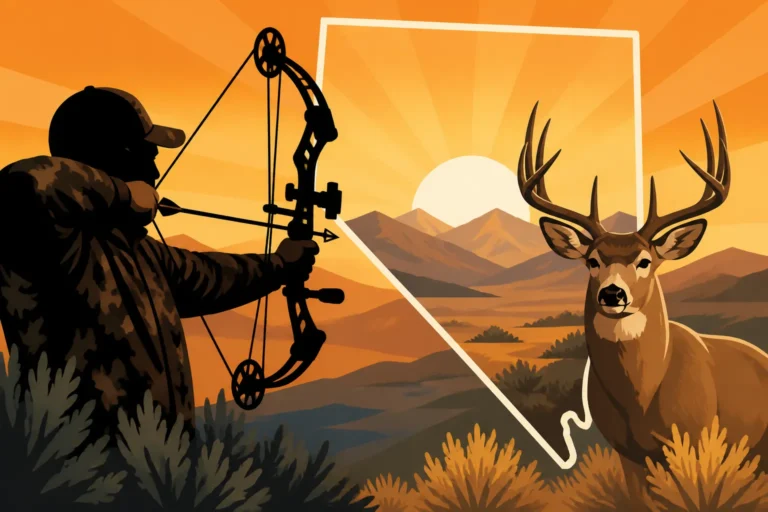
If you've ever spent a sweltering August day tromping through Nevada's sagebrush basins with your archery gear, you know the struggle is real. The heat can be absolutely brutal, and finding deer that aren't bedded down in the deepest shade, barely moving, feels like a Herculean task. This guide is all about cutting through that challenge by focusing on one of the most crucial elements for survival in the desert heat: water, specifically wallows. We'll dive deep into why these muddy oases are game magnets and how you can effectively hunt them during those demanding early archery seasons.
The Harsh Reality of Early Archery in Nevada
Let's be honest, those early archery seasons in Nevada are not for the faint of heart. When Nevada's August Archery Deer Season Opens the Year, hunters face some of the most challenging conditions imaginable. It's a test of physical endurance, mental fortitude, and a deep understanding of how big game survives in an unforgiving landscape.
The August Gauntlet: Heat and Dehydration for Deer
August in Nevada typically means scorching temperatures that regularly climb into the triple digits across much of the state's low and mid-elevations. The sun beats down with an intensity that can make every step feel like a drain on your energy. For deer, this extreme heat translates directly into a constant struggle against dehydration. Their metabolic processes generate heat, and without sufficient water, they can't regulate their body temperature effectively. This isn't just about drinking; it's about cooling down.
Deer, especially big bucks trying to grow their antlers, need a lot of water. They're constantly seeking out any available moisture, whether from succulent forage or direct water sources. But in Nevada, perennial water can be sparse, and seasonal sources dry up quickly. This forces deer to concentrate around the remaining reliable water. It’s a frustrating scenario for hunters, as deer activity often becomes crepuscular – meaning they move mostly at dawn and dusk – or even nocturnal, making them incredibly difficult to intercept. They're trying to conserve energy and stay cool, which means less time out in the open and more time hunkered down.
Why Wallows Are Magnets in Arid Landscapes
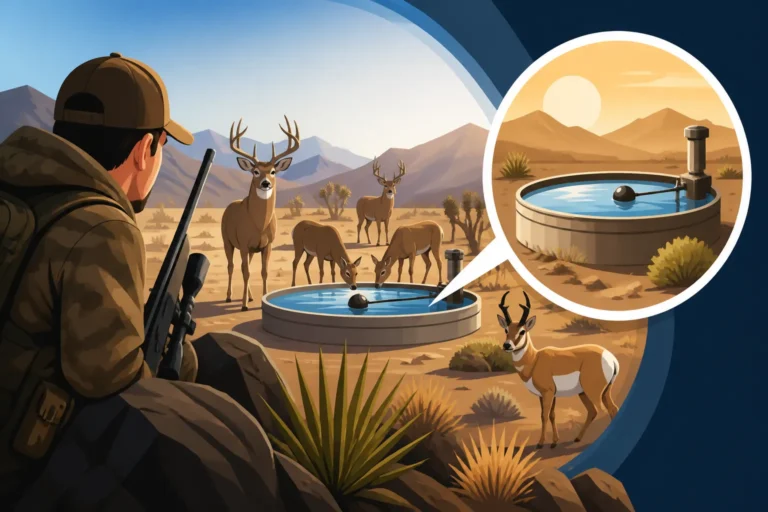
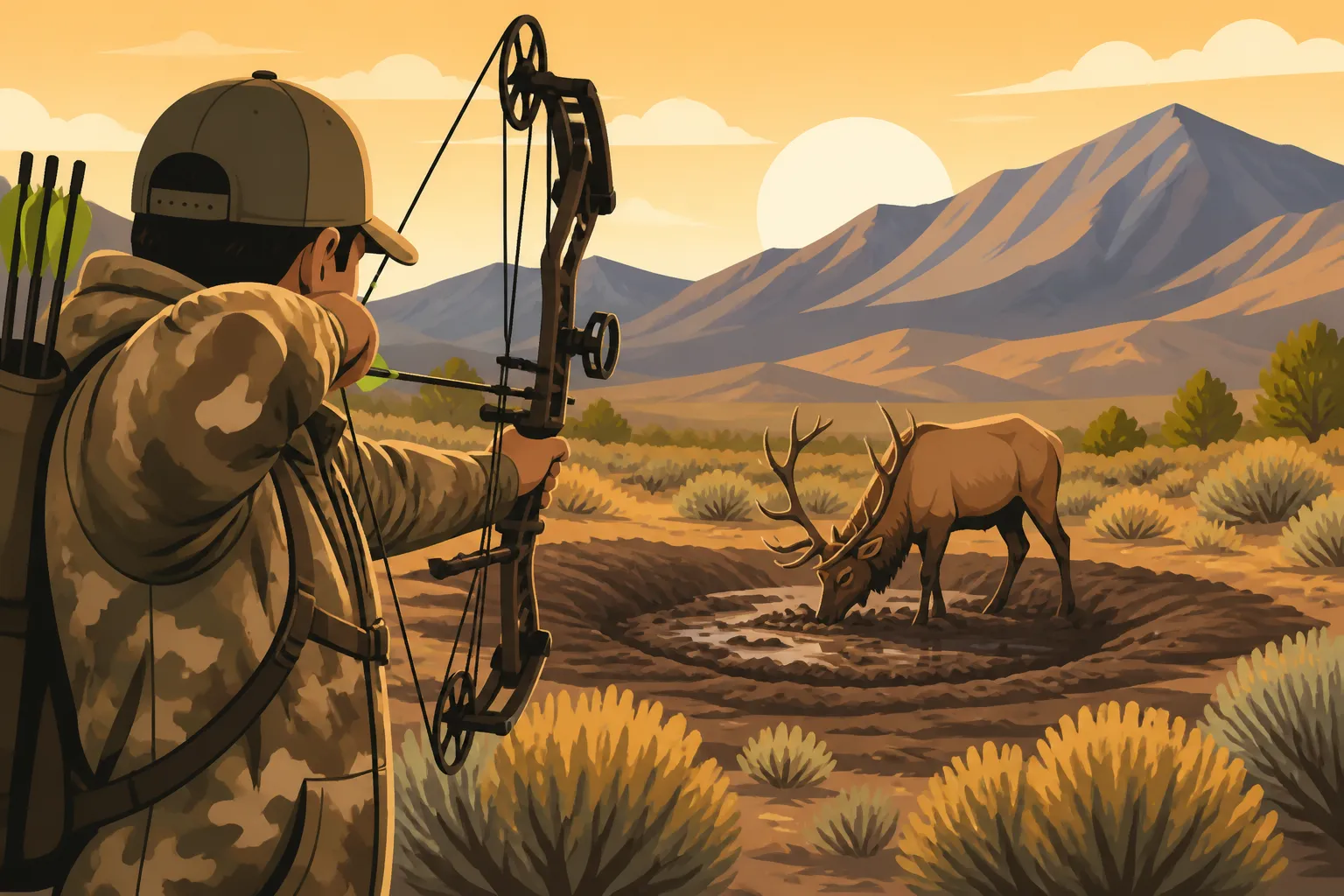
In this parched environment, a wallow isn't just a place to drink; it's a deer spa, a mud bath, and a life-sustaining resource all rolled into one. A wallow is typically a depression, often naturally occurring or created by animals over time, where water collects and the soil becomes saturated, creating a muddy consistency. Deer, and especially elk if you're in elk country, use these wallows not only to quench their thirst but also to coat themselves in cooling mud. This mud acts like a natural sunscreen and insect repellent, providing much-needed relief from biting flies and the relentless sun.
Because they serve this dual purpose – hydration and thermoregulation – wallows become undeniable magnets for deer and other big game in Nevada's arid landscapes. Unlike a simple seep that might only offer a trickle of water, a well-established wallow holds water and mud, making it a more attractive, and often more consistently used, resource. During the early archery season, when temperatures are at their peak, understanding how to locate and hunt these vital water sources can dramatically increase your chances of success. They provide a predictable location where deer must eventually visit, shifting the odds slightly more in your favor in an otherwise challenging hunt.
Locating and Interpreting Wallows on Your Unit
Finding that perfect, active wallow isn't about pure luck; it's a combination of diligent e-scouting and thorough boots-on-the-ground reconnaissance. Both are critical steps, especially when you're trying to identify those precious water sources that could be key to your success. Reading a Nevada Hunt Unit Before You Apply or hunt is always a smart first move, and water is a huge part of that.
E-Scouting for Potential Water Sources
Before you ever set foot in your chosen Nevada unit, you should be spending hours with your face glued to a computer screen or smartphone, pouring over satellite imagery. Tools like onX Hunt or even GoHunt are invaluable for this stage. You're essentially playing detective, looking for clues that indicate water.
Start by zooming in on areas known for big game, particularly those with good cover, like aspen pockets, juniper stands, or deep draws where deer might bed. Look for subtle changes in vegetation — a patch of greener grass in an otherwise brown landscape, darker soil tones, or even the tell-tale shimmer of water in a small pool. Deep canyons, saddlebacks, and the bottoms of drainages are prime candidates. Don't just look for obvious lakes or perennial streams; those are often too exposed or too heavily used by other recreationists. Instead, focus on smaller, less obvious depressions that could hold water. Use topographic maps to identify natural bowls, low spots, or benches where water runoff might accumulate. Sometimes, you can even spot faint game trails converging on a specific area, indicating an animal travel corridor to a hidden water source. The more time you invest in E-Scouting a Nevada Unit Before the Season, the more productive your actual boots-on-the-ground time will be.
Boots-on-the-Ground Reconnaissance
Once you've marked a handful of promising spots on your digital maps, it's time to hit the dirt. There's simply no substitute for walking the ground to confirm your e-scouting observations and truly Reading Water Sources Before an August Hunt.
When you approach a potential wallow, move carefully and quietly. You're not just looking for water; you're looking for activity. What you want to see are signs of fresh use:
- Fresh Tracks: Look for clear, sharp hoof prints in the mud, especially those with crisp edges, indicating recent visits.
- Mud Consistency: Is the mud still wet and pliable, or is it caked and cracked from drying out? The wetter, the better.
- Hair and Scrapes: Deer often rub against nearby trees or shrubs after a wallow, or leave hair in the mud itself. Look for rub lines or fresh scrapes.
- Droppings: Recent droppings near the water's edge or on trails leading to it are a strong indicator of current use.
- Size and Depth: A well-used wallow will often be larger and deeper, a testament to repeated use by animals.
It's crucial to distinguish between an active, heavily used wallow and one that's barely holding water or has been abandoned. An old, dry wallow is just a muddy depression; an active one is a deer highway. Pay attention to the surrounding terrain and how game animals would approach and leave the wallow. Identify potential bedding areas nearby and the most likely travel routes. This detailed reconnaissance will inform your setup later.
Strategies for Archery Hunting a Nevada Wallow
Successfully hunting a wallow during early archery season requires a blend of meticulous planning, stealth, and unwavering patience. It’s not just about showing up; it’s about becoming part of the landscape and understanding deer behavior around water.
Setting Up for the Shot: Wind, Cover, and Approach
Your setup around a wallow is absolutely paramount. Fail here, and all your scouting efforts are wasted. The trifecta of success revolves around wind, cover, and your approach.
First and foremost, wind direction is your master. No matter how perfect your setup looks, if your scent is blowing directly into the wallow, you're toast. Deer have an incredible sense of smell, and in the still, hot air of Nevada, scent travels far. Always approach from a direction that keeps your wind blowing away from the primary approach trails and the wallow itself. This might mean taking a much longer, more circuitous route to your stand or blind. Be prepared to bail on a sit if the wind shifts unexpectedly. You can try Playing Thermals on a Rimrock Stalk earlier in the morning, but at a wallow, consistent wind is key.
Next, cover is essential. You need to be concealed from multiple angles, as deer often approach cautiously, circling downwind before committing to the water. Natural cover, like thick junipers, large boulders, or dense sagebrush, can be excellent. If natural cover is sparse, a pop-up ground blind becomes your best friend. Set it up well in advance of your hunt, if possible, to allow deer to get accustomed to it. Make sure it's brushed in thoroughly, breaking up its outline. When you select your spot, identify potential shooting lanes. These are the narrow windows through which you can get a clear, unobstructed shot at an approaching deer. Clear any small branches or tall grass that might deflect an arrow. You want to aim for a shot distance that's comfortable and ethical for your archery skills, typically within 20-40 yards. Remember to bring a rangefinder; judging distance in open country can be deceiving.
Finally, your approach must be silent and strategic. Walk slowly, pick up your feet, and avoid snapping twigs or shuffling through noisy vegetation. Get into your blind well before daylight in the morning, or several hours before dusk in the evening, minimizing your presence. The goal is to arrive undetected and simply disappear into the landscape.
Timing Your Sit: Mornings, Evenings, and Midday Activity
Deciding when to actually sit a wallow is critical, and it often defies conventional wisdom when it comes to early season hunting in Nevada.
Mornings and Evenings are traditionally prime times for big game activity. Deer feel safer moving during these cooler periods, making their way to and from bedding areas and water sources. Getting into your blind an hour or more before sunrise and staying until an hour after legal shooting light can be highly effective. The low light offers an extra layer of concealment, and the slightly cooler temperatures encourage movement.
However, in the scorching August heat of Nevada, midday activity around wallows can be surprisingly productive. While deer might limit their movement between bedding and feeding during the hottest parts of the day, their need for water and cooling relief is constant. A big buck, seeking refuge from the heat and flies, might cautiously approach a wallow in the middle of the day for a quick drink and a mud bath before retreating to shade. This is especially true if the wallow is close to dense thermal cover. This requires an incredible amount of patience and commitment, but it can pay off when other hunters have retreated to camp. Make sure you've packed enough water for yourself when Water You Must Carry on a Desert Day Hunt is a serious consideration.
A good strategy might involve sitting the wallow during the first few hours of daylight, retreating during the absolute hottest part of the midday if it's too uncomfortable, and then returning for the late afternoon and evening push. Always observe quietly, pay attention to the subtle cues, and be ready when an opportunity arises. This kind of patience and adaptability is what separates successful wallow hunters from those who get frustrated and leave.
| Wallow Activity Sign | Interpretation | Hunter Action |
|---|---|---|
| Fresh, wet tracks | Recent use, likely within hours | High priority, set up quickly |
| Active mud/water | Consistently used, good for cooling | Indicates deer will return |
| Old, dry tracks | Infrequent or past use | Lower priority, re-evaluate |
| Dried mud/cracked earth | Not currently active, water source drying | Move on or scout alternative |
| Fresh droppings | Deer are in the area | Confirms current presence |
| Older, dried droppings | Historical use, but not recent | Needs more scouting |
| Rubs/Scrapes nearby | Bucks are present and marking | Good sign for antlered deer |
| Heavy game trails | Strong travel corridor | Position blind for approach |
| Flies/insects present | Can drive deer to wallow for relief | Indicates thermal stress in deer |
Ethical Considerations and Best Practices
As with all hunting, pursuing animals at a water source comes with a responsibility to uphold ethical standards and minimize your impact on both the wildlife and the natural environment. This isn't just about following the rules; it's about respecting the animals and the land.
Minimizing Impact and Pressure
A wallow is a critical resource, especially in arid Nevada. Over-pressuring a single water source can push deer into more vulnerable positions or force them to abandon a crucial area. If you consistently spook deer from a wallow, they might change their patterns or seek out less ideal water sources.
Aim for low-impact tactics. Set up your blind or stand quietly and well in advance. Keep your scent control meticulous; use scent-eliminating sprays, wash your hunting clothes in scent-free detergent, and store them properly. When you leave the wallow, do so as stealthily as you arrived, ensuring you don't educate the animals that this is a dangerous spot. If a wallow seems to be getting too much attention, whether from you or other hunters, consider giving it a break and scouting for alternatives. There's an art to Hunting Water in Nevada's Driest Country that involves knowing when to back off.
When a deer presents itself, ensure it's an ethical shot. In archery, this means a broadside or slightly quartering-away shot at a distance within your effective range. Avoid risky frontal or quartering-to shots that have a higher chance of wounding an animal. Practice your shooting regularly, especially at varying distances, to ensure you're proficient when the moment of truth arrives.
Packing Out Your Harvest in the Heat
Let's talk about the moment of truth. You've made a great shot, and you have a downed deer. Now the real race against the clock begins, especially in August. Heat Management on an August Archery Hunt is crucial, and that extends to your harvest.
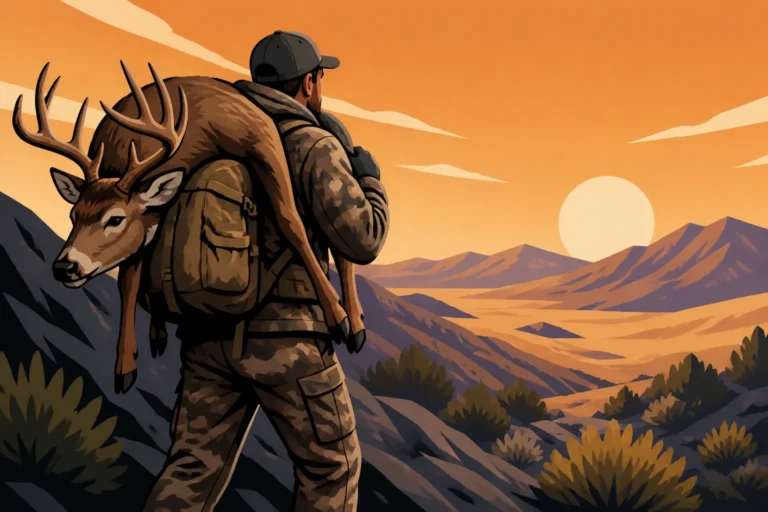
The Nevada heat can spoil meat incredibly fast. As soon as you've tagged your animal (and ensure you know the rules on How Soon You Must Tag a Downed Animal), get to work immediately. Field Dressing in August Heat needs to be swift and thorough. Gut the animal quickly, removing all organs to allow the carcass to cool from the inside out. If you have ice, get it into the body cavity as soon as possible. Even better, bring game bags, which protect the meat from flies and dirt while allowing it to breathe and cool. Quartering the animal in the field is often the best strategy, as smaller pieces will cool faster.
If you're far from your vehicle or camp, this is where planning pays off. Having a solid plan for Packing an Animal Out of Roadless Country is essential. This might involve a sturdy pack frame, a partner, or even pre-scouted routes that minimize the distance you need to carry heavy loads. Get that meat to a cooler with plenty of ice, or to a meat locker, as quickly as humanly possible. Don't let your hard-earned harvest go to waste because of poor post-harvest planning in the heat.
Disclaimer
Please remember that hunting regulations and conditions can change. Always consult the latest Nevada Department of Wildlife (NDOW) regulations for current season dates, tag requirements, and any unit-specific rules before planning your hunt. Safety is paramount, both for yourself and for ethical hunting practices.