Still Hunting Aspen Pockets for Deer
Navigating the vast, open sagebrush country of Nevada is often a glassing game, and it's easy to feel like the only way to find deer is with high-powered optics and long-range shooting. But when you finally draw that coveted tag and find yourself amidst the scattered timber, particularly the vibrant aspen pockets, the old tactics simply don't work. Trying to glass through dense stands of trees is a recipe for frustration and missed opportunities. This guide is all about switching gears, embracing the quiet art of still hunting, and teaching you how to effectively move through those beautiful, deer-rich aspen pockets to put you in bow or rifle range.
Understanding Nevada's Aspen Pockets
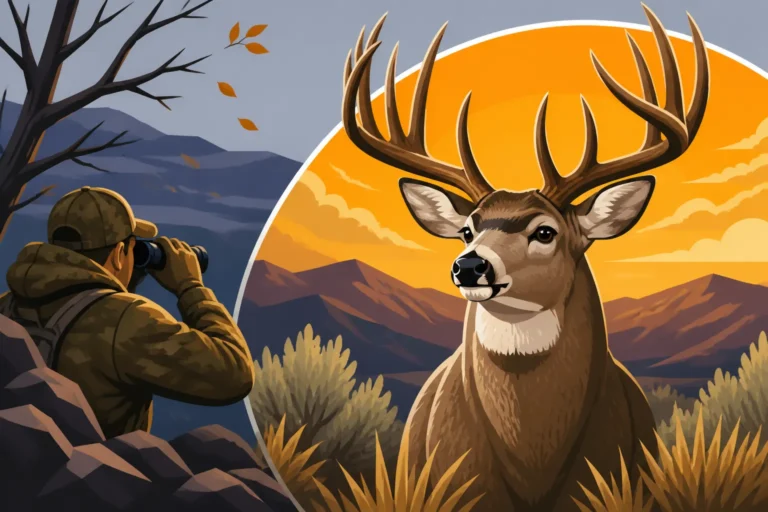
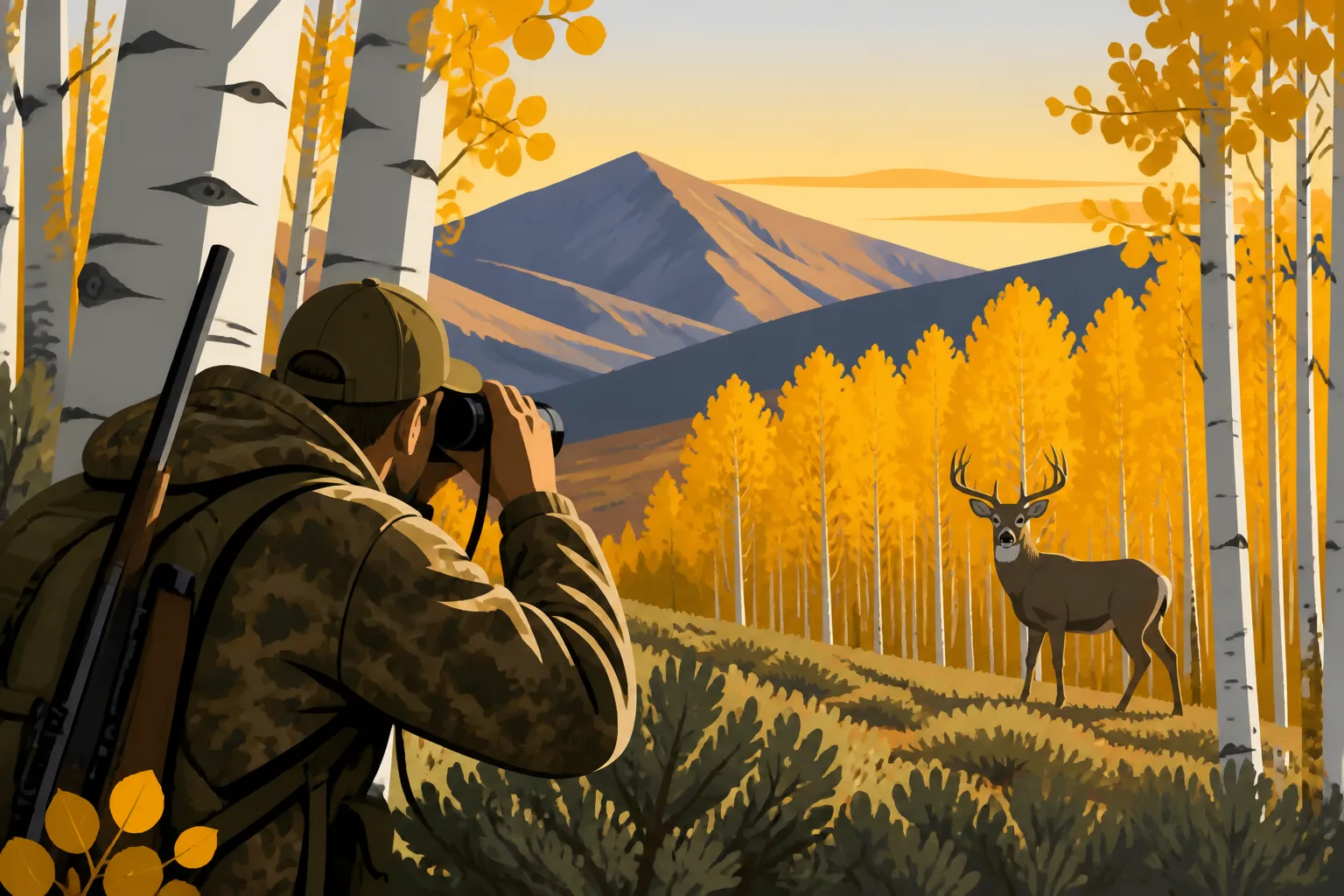
Nevada might be known for its expansive desert and sagebrush flats, but tucked away in its mountain ranges are stunning aspen pockets that offer a completely different hunting experience. These groves, often shimmering gold in the fall, provide critical habitat for mule deer, and learning to hunt them requires a distinct approach. Many hunters, accustomed to spotting deer from miles away, feel a bit lost when the cover gets thick. It’s a common frustration, but with the right mindset, these pockets can be incredibly productive.
Why Deer Favor Aspen Pockets
Deer aren't just in aspen pockets for the scenic beauty; these areas are genuine havens. The dense stands of aspen provide exceptional cover, shielding deer from predators and the harsh Nevada elements. Whether it's the intense summer sun or the biting winds and snow of late fall, aspens offer thermal regulation. In August and September, the thick canopy provides much-needed shade, keeping deer cool. As the seasons change, the bare branches still offer a surprising amount of protection from wind, and the snow often collects less densely directly under the trees, making bedding more comfortable.
Beyond cover, aspens are a vital food source. Deer browse on the young shoots, leaves, and fallen aspen bark. The understory in these groves also tends to be richer, with forbs and grasses that might not thrive in the drier, more exposed sagebrush. This combination of robust forage and reliable shelter makes aspen pockets natural magnets for deer, especially during the rut and into the late season. So, when you're Reading a Nevada Hunt Unit Before You Apply, pay close attention to the terrain features and look for those timbered areas.
Identifying Prime Aspen Habitat
Not all aspen pockets are created equal, and knowing what to look for can save you countless hours of unproductive still hunting. Deer tend to gravitate towards specific types of aspen stands. Generally, you'll find these groves at higher elevations, often nestled on mountain slopes where there's enough moisture to support them. Think about those areas where the aspens transition into pine or fir forests, or where they meet open sage slopes. These "edge" habitats are often super highways for deer moving between feeding and bedding.
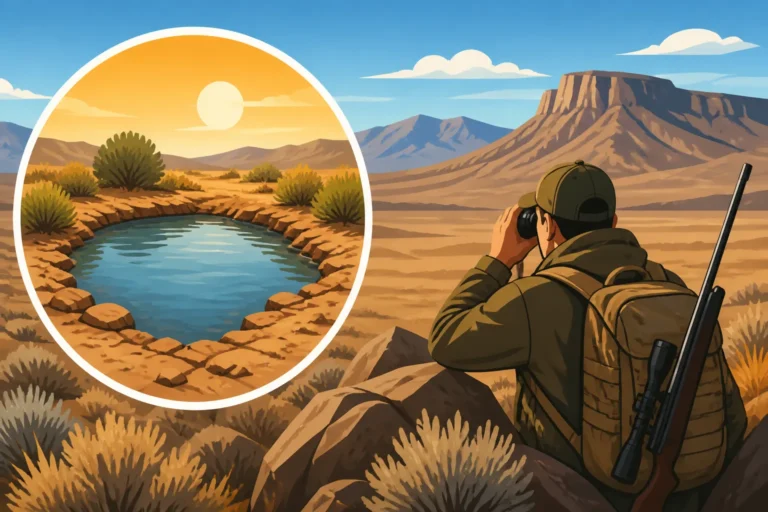
Proximity to water is another huge factor. While Nevada is dry, aspens indicate more moisture, and springs or seeps nearby will concentrate deer. E-scouting tools are invaluable here. Using platforms like GoHunt Maps or similar satellite imagery, you can virtually scout for these pockets from the comfort of your home. Look for the distinct patches of bright green in summer or vibrant yellow/orange in fall. Pay attention to how they relate to saddles, draws, and ridge lines. North-facing slopes often hold aspens that retain moisture longer and offer cooler bedding, while south-facing slopes can be early season feeding grounds. When you're E-Scouting a Nevada Unit Before the Season, mark these areas as prime spots for still hunting.
Mastering the Art of Still Hunting
Still hunting is less about covering ground quickly and more about moving with deliberate slowness, integrating yourself into the landscape. It's a mental game as much as a physical one, demanding intense focus and patience. Many hunters, conditioned by fast-paced activities, find this difficult, but it's the absolute key to success in timber. The frustration comes when you rush and spook animals you never even saw. This method forces you to slow down, breathe, and become part of the forest.
Slowing Down to See More
The cardinal rule of still hunting is slow. Imagine you're trying to sneak up on a paranoid squirrel – that's the pace. A good starting point is the "five steps and stop" method. Take five quiet steps, then stop for at least 30-60 seconds (or longer if it feels right). During this pause, scan every tree, every shadow, every cluster of brush. Don't just look at things; look for things. Train your eyes to pick up horizontal lines (a deer's back) in a vertical world, a flicker of an ear, or a patch of hair that doesn't quite match the surrounding bark.
Use your ears. Listen for the crunch of a leaf, the snap of a twig, the sound of an animal chewing. The aspens can be surprisingly noisy underfoot, especially in dry conditions. Choose your footing carefully, aiming for soft spots like moss or downed leaves where your weight will be cushioned. Your footwear makes a huge difference; while you might need sturdy boots for Choosing Boots for Sharp Volcanic Rock in open country, softer-soled boots can aid quiet movement in the aspens. The wind can also play tricks, making it hard to hear, but those quiet moments between gusts are crucial. This deliberate pace, while feeling agonizingly slow, dramatically increases your chances of spotting a deer before it spots you.
Reading the Wind and Thermals
Wind and thermals are your constant companions and, potentially, your biggest betrayers when still hunting. In the open country, it's often a straightforward calculation, but in the undulating terrain of aspen pockets, wind can swirl unpredictably. Deer have an incredible sense of smell, and a gust of wind carrying your scent can empty a pocket of deer before you even realize they were there. It's a common and disheartening experience to move into what looks like perfect cover, only to have deer bust out ahead of you, their white flags waving, because your scent betrayed you.
Always carry a wind checker, whether it's a small squeeze bottle of powder or a simple feather. Check the wind constantly, not just every few minutes, but every few steps, especially as you move around terrain features like small rises, depressions, or through saddles. Remember the basics of thermals: in the morning, as the air warms, thermals rise, carrying your scent uphill. In the evening, as the air cools, thermals fall, carrying your scent downhill. Plan your approach accordingly, typically moving uphill in the mornings and downhill in the evenings. Learning to predict and manage these subtle air currents is critical for a successful stalk, just as it is when Reading Wind on a Long Sage Stalk.
Blending into the Environment
Beyond scent, visual concealment is paramount. Aspen forests, with their distinctive white bark, light grays, and shadows, require a different camouflage strategy than dark conifer forests or brown sagebrush. Modern camouflage patterns that incorporate light grays, whites, and browns will help you blend into the natural high-contrast environment of aspens. The goal isn't to disappear entirely, but to break up your human silhouette, making it harder for a deer to distinguish you from the background.
Use the environment to your advantage. As you take your five steps and stop, find a tree trunk, a cluster of brush, or a downed log to stand behind or next to. This breaks your outline and gives you something to lean against while you scan. Move when the deer's head is down, when they're looking away, or when a gust of wind rustles the leaves, masking your sound. Avoid moving across open patches of ground unless absolutely necessary, and if you must, do so quickly and quietly, always scanning the far side before exposing yourself. It's about becoming a part of the forest, moving like a shadow rather than a distinct form. This mindful movement is crucial, similar to Using Draws and Rims to Close Distance in open country, but applied to the micro-terrain of timber.
Strategies for Success in Aspen Pockets
Still hunting aspen pockets isn't just about moving slow; it's about moving smart. It requires an understanding of how deer use this specific habitat and tailoring your approach to capitalize on their predictable patterns. The frustration of blowing out deer is real, and it’s usually because we’re not thinking like a deer.
Hunting the Edges and Transitions
Deer are creatures of the edge. They feel safe and secure in the dense cover of aspens but often need to venture out for prime feeding or to reach other areas. This means the transition zones where aspens meet other habitat types – like open sagebrush flats, thick conifer stands, or rocky outcrops – are incredibly productive. These edges act as natural travel corridors. Deer will often bed down just inside the aspens, particularly in dense pockets that provide optimal concealment, then emerge to feed on the richer vegetation found at the edge or in adjacent clearings.
Focus your still hunting efforts along these natural boundaries. Approach these areas slowly and cautiously, always moving with the wind in your favor. Look for fresh tracks, rub lines, and scat along these edges; they tell a story of recent deer activity. These are also excellent ambush points, where you might position yourself for a few minutes to simply observe before continuing your slow stalk. The goal is to catch a deer moving between its secure bedding area and its feeding grounds, or perhaps surprising one that is already out browsing near the edge.
Post-Rut and Late Season Considerations
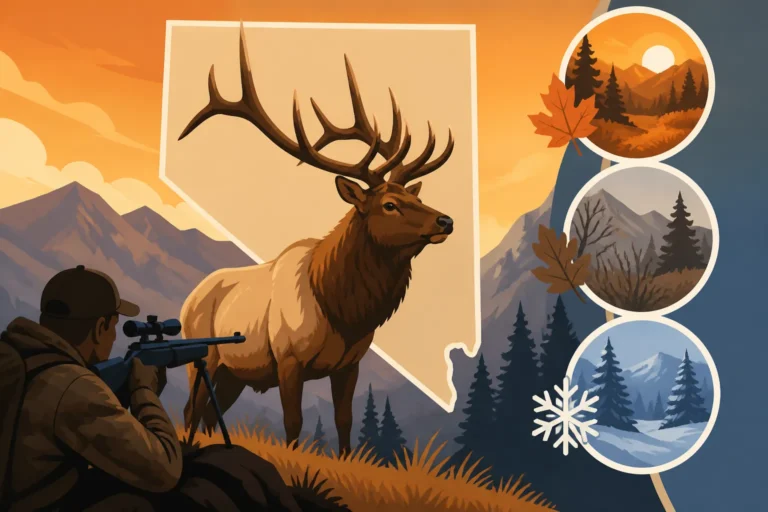
As the seasons progress into late fall and early winter, deer behavior shifts, and so should your still hunting strategy. When Nevada Rifle Deer Seasons Fall, particularly the later seasons, the aspens often lose their leaves, providing less visual cover but potentially easier tracking on fresh snow. Post-rut, bucks are often exhausted and looking to recover, seeking out areas that offer both quality forage and good thermal protection. This means they might not be as active or as bold as they were during the peak of the rut, and they'll be even more sensitive to pressure.
In the late season, with snow on the ground, aspens can become critical thermal cover. Look for deer bedding on south-facing slopes within the aspens where they can catch what little warmth the winter sun provides. Conversely, north-facing aspen stands might hold snow longer, offering deeper cover. Tracking in fresh snow becomes an invaluable tool. Learning to distinguish fresh tracks from old ones, and reading the subtle signs of a deer's movement, is crucial. This is when patience really pays off, as you might follow a track for hours before catching a glimpse. Understanding how deer behave when Hunting the Post-Rut Migration for Big Bucks will greatly enhance your success in these timbered hideouts.
Shot Opportunities and Follow-Through
Still hunting in aspen pockets often means quick, close-range encounters and tight shooting windows. Unlike open country where you might have time to range, set up a bipod, and settle in for a long shot, here, opportunities can materialize and disappear in seconds. You need to be ready. This means practicing quick target acquisition with your rifle or bow in scenarios that mimic the field. Practice shooting from kneeling, standing, and even awkward positions, aiming for tight spots.
Once you take a shot, especially with a bow or if the deer bolts, the work isn't over. In dense aspens, tracking a wounded animal can be a daunting task. Mark your last known spot of the deer, and the spot you shot from, with flagging tape or by tying a bandanna to a branch. Then, take a deep breath and give the animal time if you suspect a marginal hit. When you begin to track, move slowly and deliberately, looking for any sign – blood, broken branches, disturbed leaves. In these environments, every dropped blood speck or broken twig is a vital clue. Be prepared for a challenging follow-up, and never give up too soon, as How Far to Stalk a Bedded Mule Deer might just be the start of an even longer tracking job.
| Feature / Strategy | Still Hunting in Aspen Pockets | Glassing in Open Sagebrush |
|---|---|---|
| Primary Pace | Extremely slow (5 steps, stop) | Moderate to fast (covering ground) |
| Optics Focus | Binoculars for close scan, open sights/low scope mag | Spotting scope, high power binos |
| Movement Type | Stealthy, deliberate, utilizing cover | Open, direct, often using vehicle |
| Wind Awareness | Critical (swirling, thermals), constant checks | Important (more predictable), occasional checks |
| Typical Shot Range | Close (20-100 yards), quick decisions | Long (200-500+ yards), deliberate setup |
| Focus | Tracks, sign, subtle movement, listening | Distant animals, terrain features, patterns |
| Required Patience | High – hours for one encounter | Moderate – more ground covered, more sightings |
Disclaimer
The information provided in this guide is for general informational and educational purposes only. Hunting regulations and conditions in Nevada can change, and it is the responsibility of every hunter to consult the most current Nevada Department of Wildlife (NDOW) regulations and obtain all necessary licenses and permits before engaging in any hunting activities. Always prioritize safety, ethical hunting practices, and respect for wildlife and the environment.