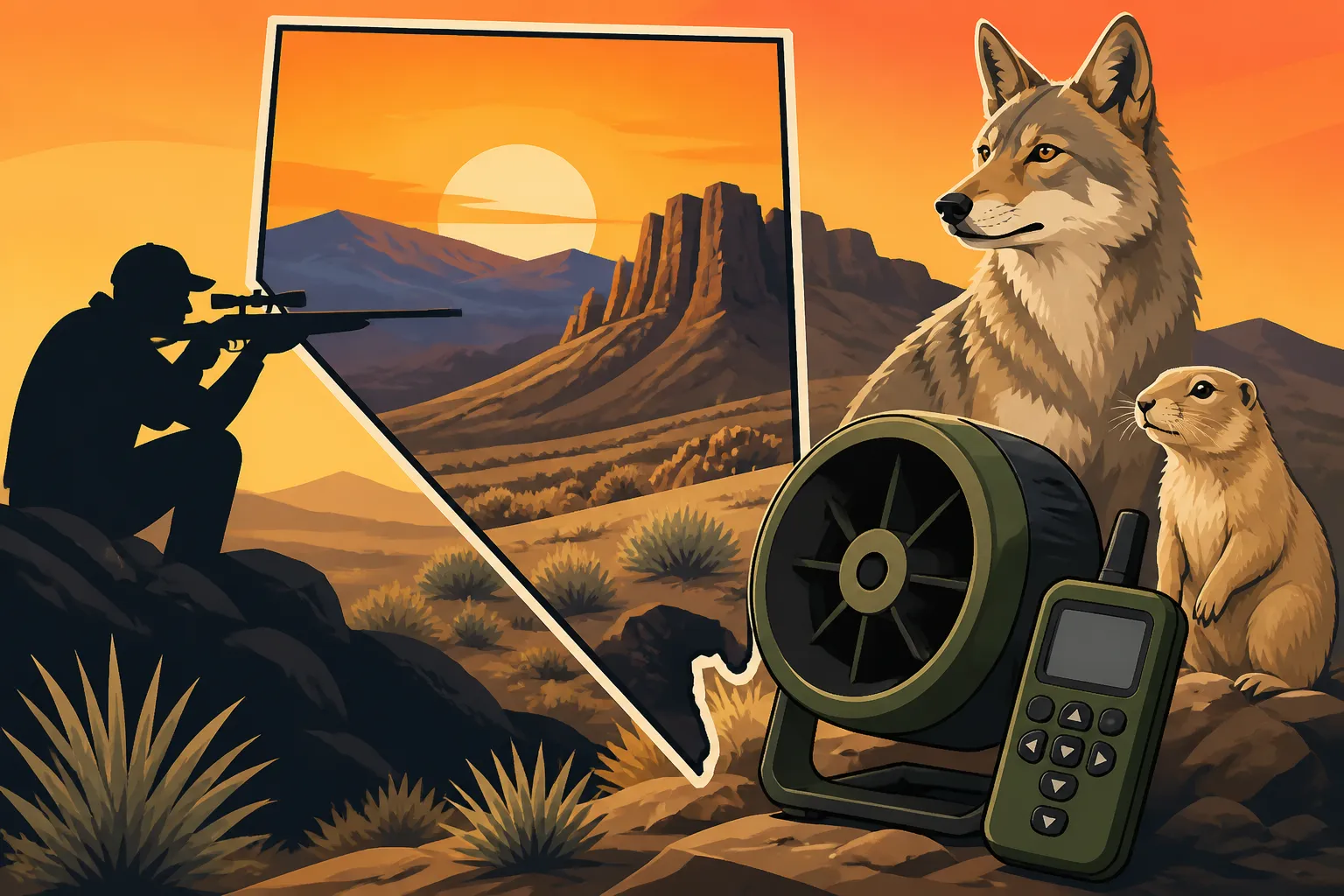
Electronic Calls for Predators and Varmint Hunting
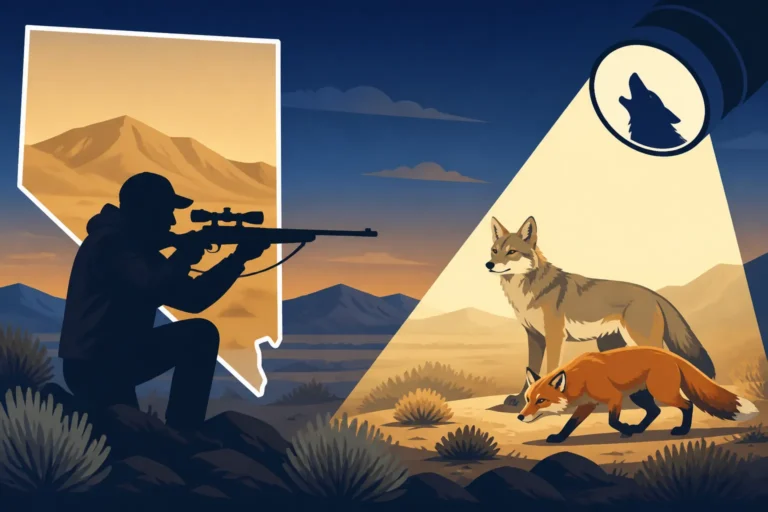
Trying to call in a wily coyote or a secretive bobcat in Nevada's vast, open country can often feel like shouting into the wind. These predators are incredibly smart and perfectly adapted to their environment, making traditional mouth calls a real challenge for many hunters. This guide will demystify the use of electronic calls, exploring their legality, effectiveness, and how to master them for successful predator and varmint hunting across the Silver State.
The Legality of Electronic Calls in Nevada for Predators and Varmints
One of the first questions hunters often ask about electronic calls is, "Are they even legal?" And it's a completely fair question, because the rules around electronic devices in hunting can be confusing and vary wildly depending on the species you're pursuing. It’s absolutely critical to understand Nevada’s specific regulations to stay on the right side of the law.
Distinguishing Between Big Game and Small Game Regulations
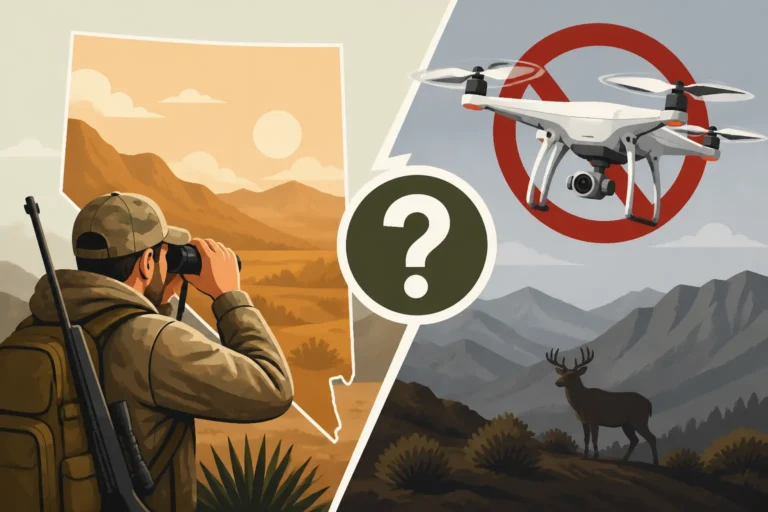
Here in Nevada, the Nevada Department of Wildlife (NDOW) makes a very clear distinction between hunting big game animals and hunting predators or varmints. When it comes to big game—think mule deer, elk, bighorn sheep, or even pronghorn—the use of electronic calls or any device that transmits animal sounds is generally prohibited. This regulation is in place to maintain fair chase principles and prevent hunters from having an unfair advantage over these highly sought-after species. You won't be using an e-caller to try and lure in a trophy bull elk or a big mule deer buck, and for good reason. The challenge and skill involved in pursuing big game are central to their hunting experience, and technology that automates calling largely undermines that.
However, the landscape shifts dramatically when we talk about predators and varmints. Animals like coyotes, bobcats, foxes, and various ground squirrels are managed differently. Their populations can be robust, and in many cases, managing their numbers can even benefit other wildlife species by reducing predation pressure on fawns, calves, and upland birds. Because of this, NDOW often allows more liberal hunting methods for these animals, and electronic calls fall squarely into that category. It’s important to always check the most current Nevada Hunting Regulations handbook, which is updated annually, but typically, electronic calls are fully permitted for predator and varmint hunting. This allowance recognizes the difficulty inherent in hunting these creatures and provides hunters with an effective tool.
Specific NDOW Rules for Electronic Devices
While electronic calls are generally legal for predators and varmints, it's not a free-for-all. There are always nuances to consider. For instance, you should never confuse an electronic call, which broadcasts sounds, with a device that aids in taking big game by transmitting the location of the animal. Such technology, like GPS collars that relay an animal's position directly to a hunter, is highly illegal for big game hunting. For predator hunting, an electronic call is simply mimicking prey sounds; it’s not providing real-time tracking information. The distinction is key and prevents any grey areas that might lead to legal trouble.
Beyond the core legality, always be mindful of where you're hunting. While federal lands like those managed by the Bureau of Land Management (BLM) or National Forests typically align with state regulations, specific wildlife refuges or state parks might have their own, stricter rules. If you're planning to hunt near or within any specialized management area, it’s prudent to double-check their specific guidelines regarding electronic devices. NDOW’s regulations are the baseline, but local rules can sometimes add layers of restriction. Furthermore, remember that these rules are in place to ensure ethical hunting practices and the sustainable management of wildlife resources. Utilizing electronic calls responsibly and within the confines of the law is paramount for all hunters.
Why Electronic Calls Are a Game-Changer for Nevada Predator Hunting
Nevada's vast, open landscapes are iconic, but they also present unique challenges for predator hunters. The sheer scale of the terrain, combined with the innate wariness of animals like coyotes and bobcats, means that getting within range for a shot can be incredibly difficult. This is precisely where electronic calls truly shine, offering advantages that traditional mouth calls simply can't match. They’re not just a convenience; they can be the difference between a silent, uneventful stand and an adrenaline-pumping encounter.
Mimicking a Wide Range of Prey Animals
One of the most significant benefits of modern electronic calls is their incredible versatility. Unlike a mouth call, which might be limited to a rabbit distress or a few basic bird sounds, an e-caller comes loaded with an extensive library of sounds. We’re talking about everything from dying jackrabbits and cottontails to various bird distress calls, mouse squeaks, fawn bleats, and even coyote vocalizations like howls, barks, and yips. This vast array of sounds allows hunters to adapt their strategy to the specific conditions, the time of year, and the particular predators they are targeting. If the local coyotes are used to hearing rabbit distress, you can switch to a bird or rodent sound to pique their curiosity. If you're trying to lure in a wary bobcat, a subtle mouse squeak or a specific bird song might be far more effective than a loud rabbit scream. This adaptability is key in areas where predators might be educated or less responsive to common calls.
This broad selection allows for dynamic calling sequences. You can start with a locator howl, transition to a distress sound, and then throw in some pup yelps to trigger a territorial response. A tool like GoHunt's mapping system can even help you pinpoint areas where specific prey animals, like rabbits, might be more prevalent, allowing you to choose the most authentic and appealing sounds for that location. The ability to switch quickly and seamlessly between these sounds, often at the press of a button, keeps the call fresh and enticing for extended periods, drawing in animals that might otherwise ignore a repetitive, single-sound offering.
Controlling Volume and Directionality
Another powerful advantage of electronic calls is the precise control they offer over volume and direction. In Nevada's wide-open basins and long sage flats, broadcasting a call over a significant distance is often necessary to get a predator's attention. A good e-caller can crank out volume that would be impossible for a human to sustain with a mouth call, effectively reaching out across vast stretches of country. This is particularly crucial when you're set up to hunt a large area, perhaps after an extensive session of Why Nevada Deer Hunting Is a Glassing Game where you spotted a distant coyote.
But it’s not just about being loud; it’s about being smart with that volume. Modern electronic calls often come with remote controls that allow you to adjust the volume incrementally, even from a distance, or mute the call entirely as an animal approaches. This nuanced control prevents over-calling—a common mistake with mouth calls—which can spook an incoming predator that suddenly hears an unnaturally loud sound when it gets close. Furthermore, many high-end e-calls feature directional speakers or even multiple speakers, allowing you to project sound in specific directions or create a more realistic, spread-out sound field. This ability to manipulate sound, making it seem like the prey is moving or coming from a particular direction, can be incredibly effective in drawing predators exactly where you want them, often providing that crucial few extra seconds for a clean shot.
Drawing Animals from Long Distances
The ability of electronic calls to project realistic sounds at significant volume translates directly into their capability to draw predators from much longer distances than traditional calls. In the expansive Nevada landscape, where visibility can stretch for miles, a predator might be hundreds of yards away, completely out of earshot for a mouth call. An electronic call, however, can broadcast a compelling distress or territorial sound that carries through the sagebrush and across drainages, alerting distant coyotes or foxes to a potential meal or rival. This is particularly valuable in vast, less-pressured units where animals might be sparse, and you need to maximize your effective calling range.
Think about Reading Wind on a Long Sage Stalk – you've got to play the wind, and often that means setting up a good distance from where you expect the animal. An e-call can project against or across the wind more effectively than a mouth call, increasing your chances of reaching a distant target while still keeping your scent cone away from them. This long-range attraction significantly increases the odds of success, especially when Hunting Coyotes Year Round in the Great Basin. Without the reach of an electronic call, many potential encounters would simply never happen because the target animal would never hear the call. It expands your hunting zone, turning vast, seemingly empty terrain into viable hunting grounds.
Choosing and Using Your Electronic Call Effectively in Nevada
Once you've decided an electronic call is the right tool for your Nevada predator and varmint hunting, the next step is choosing the right one and, more importantly, learning how to use it effectively. There's a lot more to it than just pressing play and hoping for the best. Strategic deployment and understanding your prey are paramount.
Key Features to Look for in a Modern E-Call
The market for electronic calls has exploded, offering a bewildering array of options. For hunting in Nevada, certain features rise to the top in terms of importance. First and foremost, volume and sound clarity are non-negotiable. You need a call that can cut through the wind and reach across wide open spaces without distorting the sound, making it unnatural. Look for models with high-quality speakers and ample power output. Brands like Foxpro and ICOtec are well-regarded for their robust sound capabilities.
Secondly, a reliable remote control is essential. You'll often be set up 50-100 yards or more from the call to draw the predator's attention away from your position. The remote needs to have excellent range and intuitive controls to adjust volume, switch sounds, and start/stop calling sequences quickly and quietly. Durability is another big one. Nevada's environment can be harsh – extreme temperatures, dust, and potential for accidental drops mean your call needs to be built tough. Weather resistance is a huge plus. Lastly, consider the sound library size and customizability. While most come with pre-loaded sounds, the ability to add new sounds or program custom sequences can be a real asset as you gain experience and understand what works best in your specific hunting areas. A good platform like GoHunt, which offers detailed unit information and scouting tools, can sometimes even hint at prevalent prey species, guiding your sound choices.
Optimal Call Sequences and Sounds for Nevada Species
The "magic" sound or sequence doesn't exist, but certain principles apply across Nevada’s diverse predator species. For coyotes, distress calls are often the bread and butter. Dying jackrabbit, cottontail, and various bird distress sounds are staples. However, coyotes are social animals, and incorporating vocalizations can be highly effective. Howls can be used as a locator, especially at dawn or dusk, and pup distress or group yelps can trigger a territorial response, drawing in dominant adults. Vary your calls; don't stick to one sound for too long if it's not working. A common strategy is to start with a loud, attention-grabbing distress call, let it run for a minute or two, then go silent for a bit, and then try a different distress or a soft coyote vocalization.
For bobcats and foxes, which are typically more cautious and less aggressive than coyotes, quieter, more subtle sounds often work best. Mouse squeaks, vole distress, or small bird distress calls can be incredibly effective. Bobcat vocalizations are also worth exploring, though they are used less frequently than coyote sounds. When targeting these smaller predators, try to make your sounds very realistic to the local area. If you're hunting in an area with a lot of pocket gophers, a gopher distress call could be surprisingly potent. It's often about mimicking the most common, vulnerable prey item in that specific habitat. Always be ready, as these animals often approach silently and quickly.
Placement and Setup for Maximum Success
The physical placement of your electronic call is almost as important as the sounds you choose. The goal is to draw the predator's attention away from you and towards the sound source. Ideally, you want to set the call upwind of your position, 50 to 100 yards out, ensuring that any approaching animal will be looking at the call and not scenting you. This setup creates a natural distraction and gives you a better opportunity for a shot as the animal focuses on the perceived prey. Pay close attention to Reading Wind on a Long Sage Stalk, as wind direction is paramount for both scent control and sound propagation.
Think about the terrain. Place the call where it has a clear line of sight, but also where it might offer a natural approach route for the predator. A slight rise, a clump of sagebrush, or a small drainage could be the perfect spot. Avoid placing it in heavy cover where the sound might be muffled or where you won't see the animal approaching. Once the call is in place, position yourself downwind, ideally with some form of concealment, whether it's natural cover or a portable blind. Always have your rifle or shotgun ready, because once an animal commits, they can come in fast. Before your hunt, utilizing tools for E-Scouting a Nevada Unit Before the Season can help you identify promising setups with good sight lines and favorable wind directions. Remember that Water Sources That Concentrate Desert Game might also be key areas for predators, so setting up near these can be very effective.
Ethical Considerations and Best Practices with Electronic Calls
While electronic calls are a fantastic tool, it's essential to use them responsibly and ethically. Just because you can broadcast a sound doesn't mean you should without thought. Maintaining a high ethical standard is crucial for the reputation of all hunters and for the health of wildlife populations.
Minimizing Pressure on Predator Populations
The effectiveness of electronic calls means they can be incredibly efficient at attracting predators. With this power comes the responsibility to avoid over-pressuring local populations. Constantly calling the same coyotes day after day in the same small area can quickly educate them, making them wary and much harder to call in the future. Educated predators aren't just frustrating for hunters; they can also lead to animals that are more difficult to manage if they become habituated to human presence without consequence.
To minimize pressure, consider rotating your hunting areas and giving specific spots a break. If you have the ability, explore different units across the state after Reading a Nevada Unit Boundary Before You Apply, or vary your approach within a single unit. Instead of hunting the same drainage every weekend, try moving to a different basin or range. This ensures that a diverse group of animals is exposed to calling, rather than continuously challenging the same wary individuals. Furthermore, always prioritize a clean, ethical kill. Modern hunting relies on technology and skill, and hunters should always strive to make a quick and humane harvest, minimizing any unnecessary stress on the animal.
Respecting Other Hunters and Private Land
Nevada is a vast state, but it's not empty. You're likely to encounter other hunters, especially during big game seasons. The loud, often intense sounds of an electronic predator call can easily disturb other hunters, particularly those pursuing deer or elk who rely on silence and stealth. Before setting up, take a moment to scan for other vehicles or signs of human activity. If you know there are big game hunters in the vicinity, it's common courtesy to move to a different area to avoid interfering with their hunt. A quick check on Cell Coverage Across Nevada Hunt Units might even allow you to coordinate with others if you know them.
Beyond public land etiquette, always be vigilant about private property boundaries. Reading a Nevada Unit Boundary Before You Apply with a good mapping app like those from GoHunt is indispensable for this. Never set up a call on private land without explicit permission, and be mindful of where your sound is projecting. While the animals might be on public land, if your call is overtly broadcasting onto private property, it could cause issues. Remember, your actions reflect on the entire hunting community. A responsible, respectful approach to using electronic calls ensures that predator hunting remains a positive and viable activity for everyone in Nevada. Proper Vehicle Prep for Remote Nevada Roads is also key to ensuring you can access your chosen public land spots without incident.
| Feature | Importance for Nevada Predator Hunting | Considerations |
|---|---|---|
| Volume & Clarity | Very High | Needs to reach across vast, open country; high-quality speakers crucial to avoid distortion. |
| Remote Control Range | Very High | Essential for placing the call away from your position (50-100+ yards) to divert attention; reliable signal in rugged terrain. |
| Sound Library | High | Diverse sounds (rabbit, bird, rodent distress, coyote vocalizations) allow adaptation to educated animals and varied prey bases; customizable sounds are a bonus. |
| Durability/Weather | High | Nevada's desert climate demands rugged, dust-resistant, and temperature-tolerant construction; waterproof/resistant ideal for unexpected weather. |
| Battery Life | High | Long calling sessions in remote areas require extended battery performance; consider models with rechargeable options or easily swapped batteries. |
| Ease of Use | Medium | Intuitive interface on remote is critical for quick sound changes and volume adjustments when an animal is approaching; minimal fumbling is key. |
| External Speaker Jack | Medium | Allows for additional, directional speakers to customize sound projection or boost volume further in extremely large areas. |
| Decoy Attachment | Low to Medium | Many e-calls offer a spinning or flapping decoy. Can be effective for visual confirmation but less critical than sound. |
Disclaimer
Please remember that hunting regulations, seasons, and legal requirements can change. Always consult the most current Nevada Department of Wildlife (NDOW) regulations and local ordinances before heading into the field. This guide is for informational purposes only and does not supersede official state or federal regulations.