Why the Nevada Elk Application Fee Is Higher
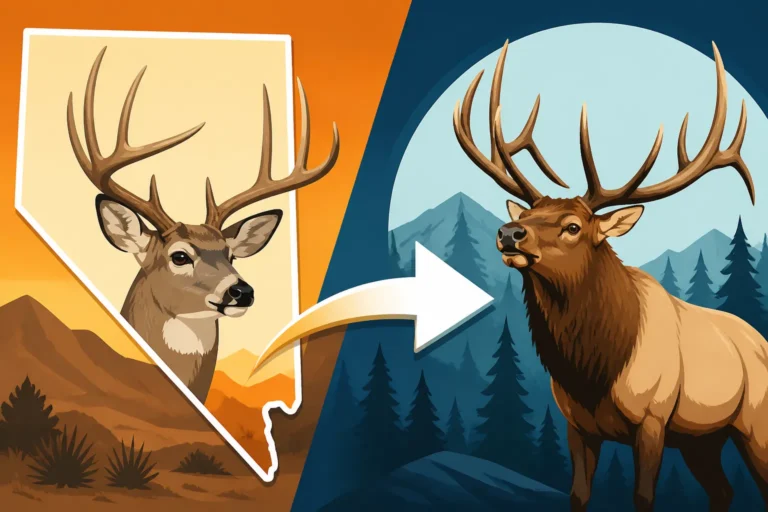
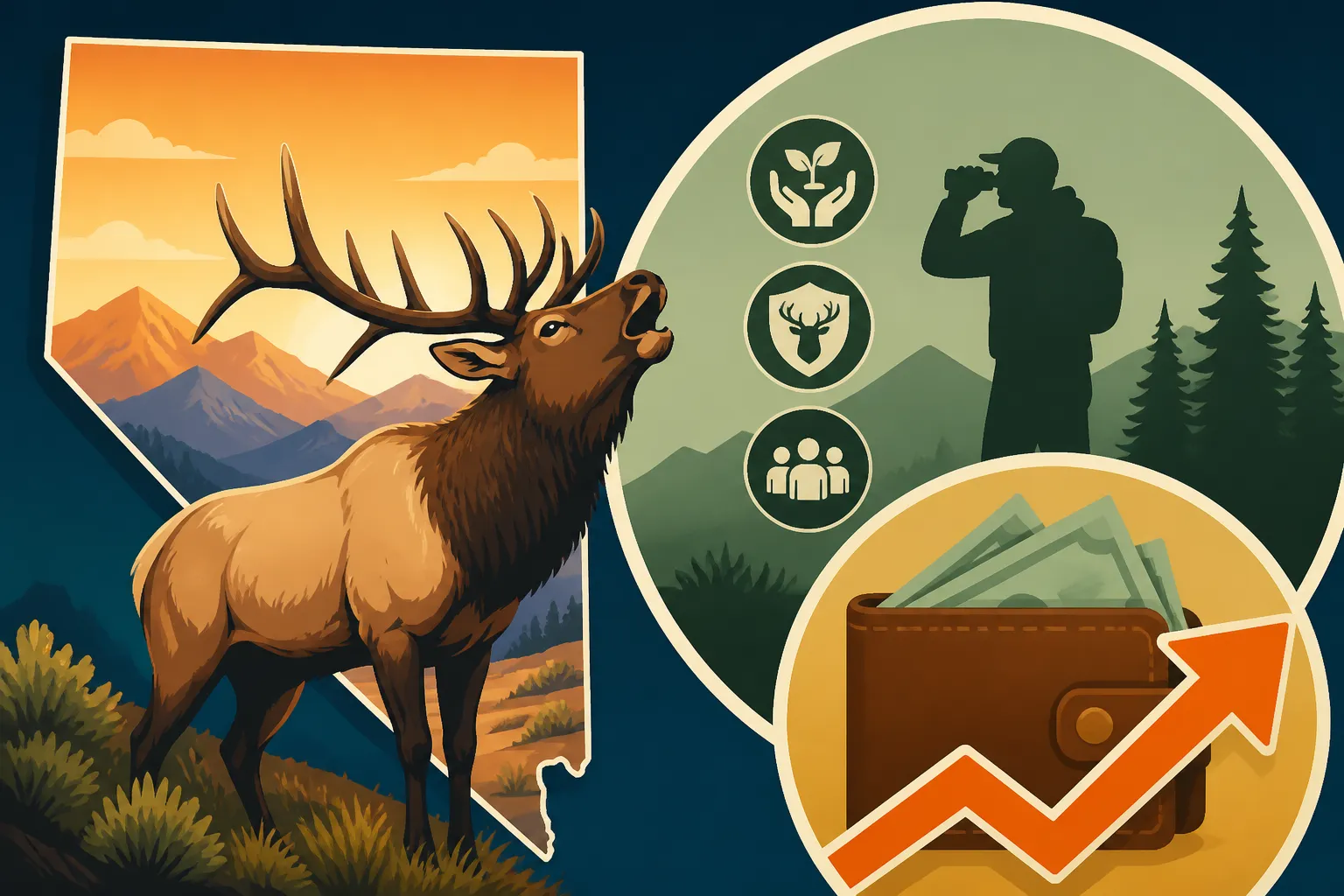
It's a familiar sting, isn't it? You're scrolling through the Nevada Department of Wildlife (NDOW) application portal, dreaming of chasing those big, elusive elk across the Silver State's rugged backcountry, and then you see it: the application fee for an elk tag is significantly higher than for deer or antelope. It can feel like a punch to the gut, making you wonder why the cost is so much steeper just to throw your hat in the ring. This guide is here to unravel that mystery, explaining precisely why Nevada's elk application fee carries a premium and what those extra dollars actually contribute to.
Understanding Nevada's Big Game Application Structure
Before we dive into the specifics of elk, it’s crucial to understand the foundational layers of applying for any big game tag in Nevada. It’s not just a simple matter of picking a species and paying a fee; there’s a system designed to manage demand and fund the extensive conservation efforts that make hunting here so special.
The Combination License as a Prerequisite
The very first hurdle, or rather, the foundational step for any aspiring big game hunter in Nevada, is purchasing the Nevada's Combination License Comes Before Any Tag. This isn't just a formality; it's your entry ticket to the entire world of Nevada hunting and fishing. Think of it as your base membership. This license isn't tied to a specific species; instead, it covers your eligibility for small game hunting, fishing, and, most importantly, allows you to participate in the big game draw.
This initial cost applies universally, whether you're hoping for a coveted bighorn sheep tag or a general season deer tag. It’s a statewide investment in your ability to pursue wildlife here. Without this combination license, you simply cannot apply for any big game species, including elk. So, while it’s an additional cost before you even get to the species-specific fees, it’s a standard component of the Nevada hunting experience and ensures a broad base of funding for wildlife programs.
Breaking Down Application Fees by Species
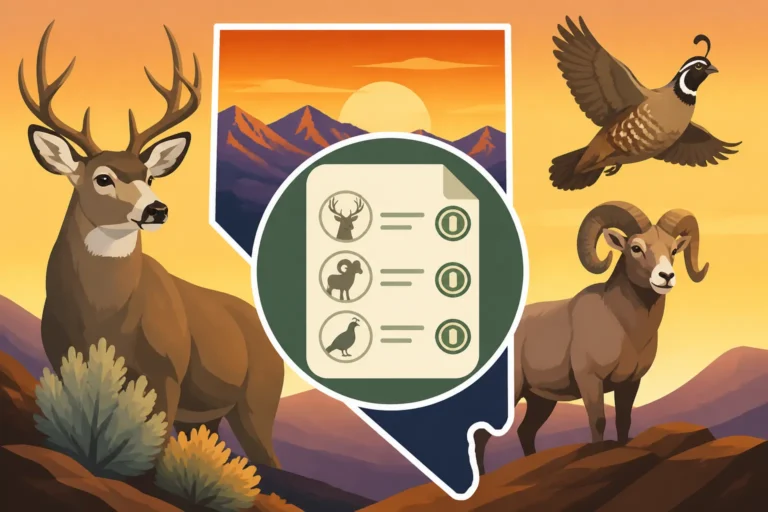
Once you have your combination license, then you can start looking at individual species applications. Nevada, like many western states, assesses a separate, non-refundable application fee for each big game species you wish to apply for. This is where the discrepancy in costs really becomes apparent. You'll notice that the Nevada Application Fees Per Species vary quite a bit.
For instance, applying for a mule deer tag might set you back one amount, while an antelope application is another, and bighorn sheep yet another. Each of these fees is intended to cover the administrative overhead associated with processing millions of applications, running the complex draw algorithms, maintaining the online system, and all the behind-the-scenes work involved in allocating these highly sought-after tags. When you compare these, the elk fee often stands out. It's not just a random number; it reflects a carefully considered value proposition and the intensity of management required for this particular species.
The Specific Factors Driving Up Elk Application Costs
So, why the higher price tag for elk specifically? It boils down to a combination of factors related to the unique status of elk in Nevada, the demand for these tags, and the significant resources dedicated to their management. It's more than just a simple cost; it's an investment in a premier hunting opportunity.
The Rarity and Desirability of Nevada Elk Tags
Let's be honest, Nevada isn't exactly renowned for its sprawling elk herds like Colorado or Montana. Instead, it's known for producing truly exceptional, often record-book caliber, bulls. This contributes directly to the higher application fee. Nevada elk tags are incredibly rare and exceptionally desirable. The state's elk herds, which were practically non-existent a century ago, have made a remarkable comeback, transforming Nevada into a bona fide "trophy draw" state for elk. If you're curious about this incredible journey, you might want to read about Why Nevada Elk Herds Grew From Nothing Into a Trophy Draw.
Because the quotas for elk tags are so limited compared to the number of eager applicants, the demand far outstrips the supply. This high demand allows NDOW to set a higher application fee, which helps manage the sheer volume of applications and ensures that the financial resources are available to sustain such a high-quality, albeit limited, hunting opportunity. Hunters aren't just applying for an elk; they're applying for a chance at a genuinely special, often once-in-a-lifetime, animal. This inherent rarity and the reputation for big bulls naturally command a higher price point, reflecting the perceived value of even the chance to draw such a tag.
Intensive Management and Conservation Efforts for Elk
The cost of managing a healthy, thriving elk population in Nevada is substantial, and a significant portion of the application fees helps fund these efforts. Elk are large, wide-ranging animals that require extensive habitat, careful monitoring, and proactive conservation strategies. NDOW invests heavily in ensuring these herds continue to flourish, and your application fee directly contributes to this work.
Consider all that goes into it: aerial surveys to accurately count populations, ground patrols to monitor herd health and distribution, scientific research into elk behavior and migration patterns, and disease surveillance, including testing for Chronic Wasting Disease (CWD). There are also critical habitat improvement projects, such as restoring crucial winter ranges, developing water sources, and managing vegetation to ensure optimal forage. These are not inexpensive undertakings. The logistics alone of surveying vast, remote Nevada landscapes for elk are immense. These intensive efforts are arguably more complex and costly per animal than for smaller, more numerous species, and the application fee reflects this reality. If you're interested in the history of these herds, check out How Nevada Elk Herds Were Established.
Funding Wildlife Programs Beyond Just Elk
While a portion of your elk application fee certainly goes towards direct elk management, it’s important to remember that these funds are not entirely siloed. The revenue generated from big game applications, including the higher elk fees, contributes to the broader financial health of the Nevada Department of Wildlife. This means that your investment helps fund a wide array of wildlife programs that benefit all species, not just the one you're applying for.
This includes maintaining public lands access, supporting game wardens who enforce regulations and protect wildlife from poaching, funding educational programs for new hunters and conservationists, and managing non-game species. It’s a collective pot that supports the overall ecological balance and health of Nevada’s natural resources. So, while the elk fee might seem high in isolation, it's part of a larger ecosystem of funding that benefits everything from songbirds to sage grouse, and ensures that the wild places we cherish remain vibrant for generations to come.
The Value Proposition: What Your Higher Elk Fee Supports
It's easy to look at a fee and feel like you're just throwing money into a black hole, especially when draw odds are notoriously low. However, reframing that higher elk application fee as an investment reveals the significant value it brings, not just to your personal hunting aspirations but to the broader conservation landscape of Nevada.
Investing in World-Class Elk Hunting Opportunities
When you pay that higher fee, you're investing in the very possibility of drawing a truly world-class elk tag. Nevada's limited elk tags are designed to offer an exceptional hunting experience, with a genuine chance at harvesting a mature, trophy-caliber animal. The state prioritizes quality over quantity, meaning fewer tags are issued, but those tags offer a higher probability of encountering a magnificent bull.
This means that if you are fortunate enough to draw, say, an early October rifle hunt, you'll be participating in one of the most exciting Nevada Elk Rifle Hunts Stretch From October Into December or When Nevada Elk Rifle Seasons Open. Your fee, alongside those of countless other hopeful hunters, ensures that NDOW can continue to manage these herds to maintain that trophy potential, protecting the genetics, habitat, and overall health that make Nevada elk so sought after. It’s not just about the potential for a big animal; it’s about participating in a hunt experience that few other states can match in terms of quality and challenge.
Data and Research for Better Draws
Another crucial aspect supported by application fees is the continuous collection and analysis of data. NDOW constantly gathers information on herd sizes, success rates, migratory patterns, and more. This data is then used to refine tag quotas and season structures year after year, aiming for sustainable harvest while ensuring the long-term health of the elk population.
Tools like GoHunt, for example, leverage this robust data, offering hunters detailed insights into draw odds, unit breakdowns, and application strategies. This kind of transparency and informed decision-making would be impossible without the consistent funding that allows NDOW to collect, process, and disseminate accurate biological data. When you're trying to figure out how to best approach Reading a Nevada Hunt Unit Before You Apply or analyze historical harvest trends, you're relying on the very information that these application fees help to generate. The higher the quality of management and data, the better the insights for hunters looking to make smart application choices.
The Bonus Point System and Long-Term Strategy
Nevada utilizes a squared bonus point system, which means the more years you apply and accrue points without drawing, the exponentially higher your chances become in subsequent draws. That higher application fee isn't just for a single year's chance at a tag; it’s also the mechanism by which you maintain and build your Nevada Squares Your Bonus Points Into Draw Chances.
Every time you submit an application, even if unsuccessful, you earn a bonus point. These points are species-specific, so an elk point only helps for future elk draws. The higher fee ensures the integrity and funding of this long-term strategy. It allows you to stay in the game, building towards that inevitable, exciting draw down the line. Even if you're not ready to commit to a full hunt, you can always choose the Buying Nevada Points Without Applying to Hunt option, paying just the point fee to keep accumulating those critical points for future years. It's a strategic investment in a future hunt, acknowledging that Nevada's trophy elk opportunities often require patience and persistence.
Navigating the Nevada Draw with GoHunt and Strategic Planning
Given the higher application fees and often challenging draw odds for Nevada elk, a thoughtful and strategic approach is absolutely essential. You want to make every dollar count, and fortunately, there are excellent resources available to help you maximize your chances.
Leveraging Resources for Application Strategy
When you're facing high application costs and tough draw odds, knowledge truly is power. This is where services like GoHunt become invaluable. They compile years of draw statistics, harvest data, and unit information, allowing you to make incredibly informed decisions about where and when to apply. They can help you understand the nuances of the bonus point system, analyze your personal odds, and even suggest units that might align with your point accumulation and hunting preferences.
For a species like elk in Nevada, simply guessing is a recipe for frustration. GoHunt's detailed draw odds and unit summaries allow you to dissect past results, understand tag allocations, and even explore specific hunt codes. While the higher fee can be a barrier, smart application strategy, aided by these powerful data-driven tools, ensures that your investment is as calculated as possible. It helps you navigate the complexities of the draw, making an educated choice rather than just throwing your money at the wall. Understanding Checking Nevada Draw Odds Before You Apply is a cornerstone of this strategy.
Considering Alternatives or Lower-Cost Options
While the allure of a Nevada elk tag is strong, the higher application fee means it's not always feasible for every hunter, every year. It's perfectly okay to acknowledge that and explore other fantastic hunting opportunities Nevada offers, or adjust your long-term strategy.
If the financial commitment for an elk application feels too steep, you could consider applying for other big game species that have lower application fees and different draw odds. For example, applying for The All-In Price of a Nevada Nonresident Deer Tag or pursuing antelope offers a fantastic challenge and a more accessible entry point financially. Perhaps you focus on accumulating points for elk by simply paying the point-only fee, effectively delaying the larger investment until you feel your odds are more favorable or your budget allows for it. Or, if you're a resident, the Resident Nevada Elk Tag Cost will be considerably less than What a Nonresident Nevada Elk Tag Costs, making it more accessible. Nevada's diverse landscapes offer a wealth of opportunities beyond just trophy elk, and there’s always something exciting to pursue, whether it's chukar, mule deer, or a springtime turkey hunt.
Big Game Application Fees in Nevada (Non-Resident)
To give you a clearer picture of how elk application fees compare, here's a general breakdown for non-residents. Keep in mind these are for the application itself, not the full tag fee if you draw.
| Species | Typical Application Fee (Non-Resident) | Notes |
|---|---|---|
| Elk | ~$100 – $120 | Highest application fee, reflecting rarity and trophy potential. |
| Mule Deer | ~$18 – $20 | More common draw, significantly lower application cost. |
| Antelope | ~$18 – $20 | Similar to deer, good option for building points in other categories. |
| Bighorn Sheep | ~$18 – $20 | Very low draw odds, but application fee is comparable to deer. |
| Mountain Goat | ~$18 – $20 | Extremely rare tag, application fee aligns with other standard species. |
| Black Bear | ~$18 – $20 | Bear applications are generally lower, reflecting different management. |
Note: These figures are approximate and can change slightly year to year. Always refer to the official NDOW regulations for the most current pricing.
Disclaimer
The information provided in this article is for general guidance and informational purposes only. While we strive to be accurate, hunting regulations and fees in Nevada can change. Always consult the official Nevada Department of Wildlife (NDOW) regulations and website for the most current and authoritative information before planning any hunt or submitting an application. We are not responsible for any inaccuracies or outdated information.