Late Season Deer Hunt Dates in Nevada
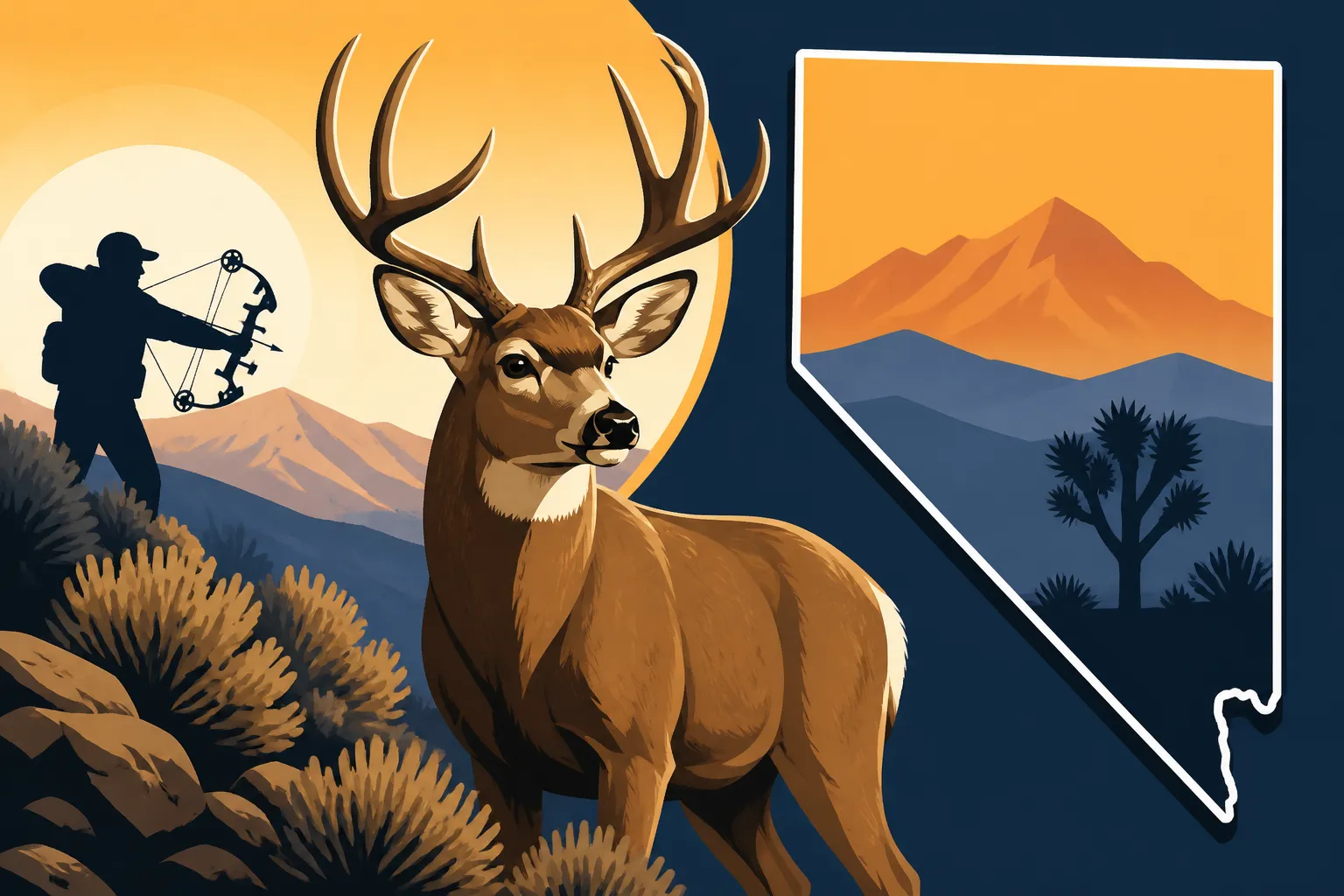
Trying to pin down the exact dates for late-season deer hunts in Nevada can feel like deciphering an ancient riddle written in unit codes and regulation nuances. It’s not like other states where you just pick a general rifle season. Nevada operates on a highly specific, unit-by-unit, weapon-by-weapon schedule, and understanding when those coveted late-season opportunities fall is crucial for any hunter hoping to draw a tag and chase a mature buck. This guide will help you navigate the complexities of Nevada's late deer seasons, explaining how to find those dates and what makes them so special.
Understanding Nevada's Deer Season Structure
Nevada's approach to big game seasons is famously unique, especially for mule deer. It's not a one-size-fits-all situation where you can point to a single opening weekend across the entire state. Instead, the Nevada Department of Wildlife (NDOW) meticulously carves out specific seasons for individual hunt units or groups of units, often differentiating between weapon types like archery, muzzleloader, and rifle. This system is designed to manage harvest pressure, distribute hunters, and, importantly for us, create those late-season opportunities that often coincide with the rut, offering a chance at bigger bucks.
Why Seasons Vary So Much by Unit and Weapon
The sheer diversity of Nevada's landscapes, from the high alpine peaks to the vast sagebrush basins and desert ranges, dictates much of this variability. Deer populations, habitat conditions, and winter range accessibility differ dramatically across the state's 200+ hunt units. NDOW uses this granular control to tailor seasons, ensuring that some units might have an early archery hunt, while others are reserved for a later rifle or muzzleloader season. This localized management means that while one unit might close its deer season in early November, a neighboring unit could very well have a rifle hunt stretching into December. It's this patchwork quilt of regulations that makes understanding Reading a Nevada Hunt Unit Before You Apply so vital before you even consider putting in for the draw.
Furthermore, the choice of weapon plays a significant role in when seasons are scheduled. Archery seasons typically open first, often in August, taking advantage of predictable summer patterns before bucks are pressured. Muzzleloader seasons, which represent a transitional period, are often squeezed into a shorter window, usually in October. Then come the various rifle seasons, which are further stratified into early, mid, and late periods. These later rifle seasons are what most hunters envision when they talk about "late season" deer hunting, as they often fall when temperatures drop, snow begins to fly, and the bucks start to get serious about breeding.
The Allure of Late Season Deer Hunts
The late season holds a special magic for many deer hunters. While early seasons offer milder weather and predictable patterns, the late season brings with it the promise of the rut. This is when mule deer bucks, normally reclusive and wary, become more focused on does and less cautious about their surroundings. They are actively seeking mates, moving more during daylight hours, and often venturing into areas they might avoid earlier in the fall.
This increased activity translates directly into a higher chance of seeing mature bucks on their feet. The cooler temperatures and, sometimes, the first dustings of snow can also push deer down to lower elevations, concentrating them in more accessible areas. For those willing to brave the colder weather and potentially challenging conditions, the late season provides an unparalleled opportunity to encounter the kind of trophy buck that truly defines a hunt. It's a prime time for Hunting the Post-Rut Migration for Big Bucks as well, catching those deer moving from summer to winter grounds.
Decoding Late Season Hunt Codes and Dates
Finding the exact late-season deer hunt dates in Nevada requires a dive into the annual hunt proclamation, which is released by NDOW. This document is the bible for any hunter applying in the state, containing all the unit boundaries, season dates, and hunt codes you need to know. It can be a bit overwhelming at first glance, but once you understand how it’s structured, you’ll be able to pinpoint those late-season opportunities.
Navigating the Nevada Hunt Proclamation
Every year, typically in late March, NDOW publishes the Big Game Seasons and Application Guide. This comprehensive document is where you'll find the official list of all hunt units, the species available, the specific hunt codes, and the corresponding season dates. When you're looking for late-season deer, you'll want to pay close attention to the sections detailing mule deer hunts.
The hunt codes themselves are the key. A Nevada hunt code is a numerical identifier that bundles together the species, weapon type, unit, and season date range. For example, a code like "1111" might designate a rifle hunt for buck deer in Unit 111, from November 10-24. You'll need to scroll through the tables, looking for units that have season dates extending into late November or early December. Many hunters, myself included, use resources like GoHunt to visualize these complex data points and filter for specific late-season opportunities, which can make the process much less daunting than flipping through pages of a PDF.
Here's a simplified example of what you might find, though the actual proclamation will have many more units and variations:
| Hunt Unit | Weapon | Species | Season Dates (Example) | Description |
|---|---|---|---|---|
| 111 | Rifle | Buck | Nov 10 – Nov 24 | Standard late-season rifle hunt |
| 121 | Rifle | Buck | Nov 1 – Nov 15 | Mid-season rifle hunt |
| 131 | Muzzleloader | Buck | Oct 10 – Oct 24 | Mid-season muzzleloader |
| 011 | Archery | Buck | Aug 1 – Aug 20 | Early archery hunt |
| 115 | Rifle | Buck | Nov 20 – Dec 4 | Late rifle, extending into December |
| 072 | Archery | Buck | Aug 5 – Aug 25 | Early archery hunt |
As you can see from the table, identifying those hunt codes with season dates that push into late November and early December is how you find the "late season" hunts. Pay close attention to the specific unit groups as well, because some units are grouped for management purposes, and their dates might align or slightly overlap. The document will also specify Nevada Rifle Deer Season Timing in detail for each unit.
Typical Windows for Late Season Rifle and Muzzleloader Hunts
While specific dates change annually and by unit, a general framework for late-season deer hunts in Nevada can be observed.
Late Rifle Seasons: These are the most common and sought-after late-season opportunities. They usually begin in mid-November and can extend into the first two weeks of December. These hunts are strategically placed to coincide with the latter half of the mule deer rut, or sometimes even the post-rut migration, depending on the unit's elevation and geography. Units in eastern and northern Nevada, particularly those with higher elevations that experience earlier snowfalls, are often prime candidates for these later dates, as they can push deer into more predictable patterns.
Late Muzzleloader Seasons: While less common than late rifle, some units might offer muzzleloader hunts that fall into late October or even early November. These aren't typically as late as the rifle seasons, but they still provide a unique challenge and can sometimes overlap with the early stages of the rut, catching bucks as they begin to cruise for does. If you're looking for Muzzleloader Deer Tactics in a One-Week Window, you'll want to check the specific unit dates carefully.
It's absolutely critical to consult the most current NDOW regulations for the exact dates for the year you plan to hunt. Never rely on previous years' dates, as they can and do change.
Factors Influencing Late Season Success
Drawing a late-season tag is only half the battle. Success in these hunts often hinges on understanding and adapting to the unique challenges and opportunities that late fall and early winter present. The weather, the rut, and deer behavior all play significant roles.
The Impact of Weather and Snow
Weather becomes an even more critical factor during late-season hunts. Cold temperatures, strong winds, and the potential for snow can transform a hunt from comfortable to grueling in a matter of hours. However, these same challenging conditions are often what make late-season hunts so productive.
Snowfall, especially the first significant accumulation, can be a game-changer. It pushes deer from higher elevations down to winter ranges, concentrating them and making their tracks and travel corridors more visible. A fresh blanket of snow can reveal exactly where deer are moving, feeding, and bedding. It also provides a stark contrast, making deer easier to spot against the white backdrop. Hunters who are prepared for these conditions, with appropriate gear and mental fortitude, often find themselves in excellent positions. This means having the right clothing for Layering for Basin and Range Temperature Swings and understanding the local forecasts.
However, extreme cold and heavy snow can also shut deer down, making them less active. Bucks might conserve energy by bedding down for longer periods, only moving during the warmest parts of the day. Reading these weather patterns and adapting your strategy accordingly is key. Sometimes, it's about being patient and waiting for a break in the storm, while other times it's about embracing the challenge and focusing on sheltered areas where deer might be seeking refuge.
The Role of the Rut and Post-Rut
The primary draw of late-season deer hunting is, without a doubt, the rut. While the precise timing can vary slightly by region and year, Nevada's mule deer rut typically peaks in late November and early December. During this period, bucks are actively seeking does, often covering vast amounts of ground and dropping their guard significantly. This behavior is a major reason Why Late Seasons Produce Bigger Bucks.
Knowing when the rut is peaking in your specific unit is invaluable. Bucks will be more vocal (though mule deer are not as boisterous as elk), more visible, and generally more vulnerable. They'll also be less wary of human presence as their drive to breed overrides their natural caution. This is the time to focus on areas with good concentrations of does, as the bucks will inevitably follow.
Even after the peak of the rut, the post-rut can offer excellent hunting. Bucks, exhausted from breeding, will be looking to feed heavily and recover. They might be less active than during the peak, but they are still often moving and can be found in predictable feeding areas or seeking out thermal cover. Understanding the nuances of deer behavior during both the rut and post-rut phases is critical for late-season success.
Planning Your Late Season Nevada Deer Hunt
A successful late-season hunt in Nevada isn't just about drawing a tag; it's about meticulous planning, physical preparation, and adapting to the conditions on the ground. From applying for the right tag to ensuring you have the necessary gear, every step matters.
Application Strategy for Late Season Tags
The application process for Nevada tags runs from Nevada Applications Run March 23 to May 13 each year. If you're eyeing a late-season deer hunt, your application strategy needs to be precise. Many late-season hunts, particularly those that overlap with the peak rut, are highly coveted and can have very low draw odds. This is where researching draw statistics, often available through resources like GoHunt, becomes essential. You want to understand the demand for specific units and seasons.
Nevada's bonus point system, where Nevada Squares Your Bonus Points Into Draw Chances, means that accumulating points over years significantly increases your chances. For those truly prime late-season units, you might need a substantial number of points to draw. Decide if you're willing to play the long game for a trophy unit or if you prefer to target units with slightly better odds but perhaps not as late of a season. It’s a balance between dream tags and realistic opportunities.
When filling out your application, list your choices strategically. Your first choice should be your absolute dream hunt, ideally a late-season unit with high potential. Your subsequent choices can be backup late-season units or even slightly earlier seasons if your primary goal is simply to hunt deer. Don't waste choices on units you haven't researched thoroughly.
Essential Gear for Cold Weather Hunting
Late-season hunting in Nevada's vast, open country demands specific gear to keep you safe, comfortable, and effective. Temperatures can plummet, especially at night, and wind can cut right through inadequate clothing.
- Layering System: This is paramount. Start with a moisture-wicking base layer, add insulating mid-layers (fleece or puffy jackets), and top it off with a waterproof and windproof outer shell. You'll be shedding and adding layers throughout the day as activity levels and temperatures change.
- Insulated Boots: Your feet are your foundation. Invest in quality, insulated, waterproof boots with good ankle support. Consider removable liners for drying at camp.
- Gloves and Headwear: A warm hat is crucial, as is a good pair of gloves. Consider thin liner gloves for dexterity, with thicker, warmer mittens or gloves to pull over them during periods of inactivity.
- Optics: Given Nevada is a glassing game, high-quality binoculars and a spotting scope are non-negotiable. For a deep dive, check out Spotting Scope Power for Open Country. Good optics are even more critical in low light conditions often encountered during colder hunts.
- Navigation: GPS devices, satellite communicators (like Garmin inReach), and physical maps are vital. Cell service is often nonexistent in remote Nevada.
- Emergency Supplies: Beyond your hunting essentials, pack extra food, water, a first-aid kit, fire-starting supplies, and emergency shelter. Conditions can change rapidly.
- Game Care: Be prepared for Field Dressing in August Heat, even if it's colder, you still need to get that meat cooled quickly. Consider game bags, a good knife, and a pack frame for packing out.
Scouting and On-the-Ground Tactics
Scouting is always important, but for late-season hunts, it shifts. While pre-season e-scouting using tools like GoHunt and satellite imagery is incredibly valuable for identifying potential winter ranges, water sources, and travel corridors, understanding current conditions is vital. Deer behavior changes with falling temperatures and snow.
Focus your scouting on south-facing slopes, which get more sun and hold less snow, often providing crucial forage. Look for sheltered draws and pockets of timber that offer thermal protection from harsh winds. During the rut, concentrate on areas with a high density of does. Bucks will be there or passing through.
Once on the ground, glassing remains your most potent tactic. Set up on high points and systematically glass basins, ridges, and transitions zones, especially during the early morning and late evening when deer are most active. Be patient, take your time, and let your optics do the work. Remember, Why Nevada Deer Hunting Is a Glassing Game is not just a saying, it's a proven method here.
When you do locate deer, particularly a mature buck, your approach needs to be calculated. Consider wind direction, topography, and the deer's behavior. The ability to use draws and rims to close distance undetected is a skill that pays dividends. And if you’re lucky enough to punch your tag in a remote area, having a plan for Packing an Animal Out of Roadless Country is absolutely essential for meat care and ethical harvest.
Late-season deer hunting in Nevada is not for the faint of heart, but for those who embrace the challenge, it offers some of the most rewarding experiences in the West.
Disclaimer
Please note that hunting regulations, season dates, and unit boundaries are subject to change. Always consult the most current Nevada Department of Wildlife (NDOW) regulations and official proclamations before planning your hunt or applying for tags. This article provides general information and should not be considered a substitute for official sources.