Nevada Junior Only Hunt Codes
Navigating the world of big game hunting in Nevada can feel like a labyrinth, especially when you're trying to find opportunities for the next generation of hunters. It’s easy to get lost in the complex draw odds and myriad unit choices, leaving many parents wondering if their junior hunter will ever get a chance. This guide is dedicated to demystifying Nevada's junior-only hunt codes, helping you understand how these special opportunities work and how to set your young hunter up for success in the field.
Understanding Nevada's Junior Hunter Structure
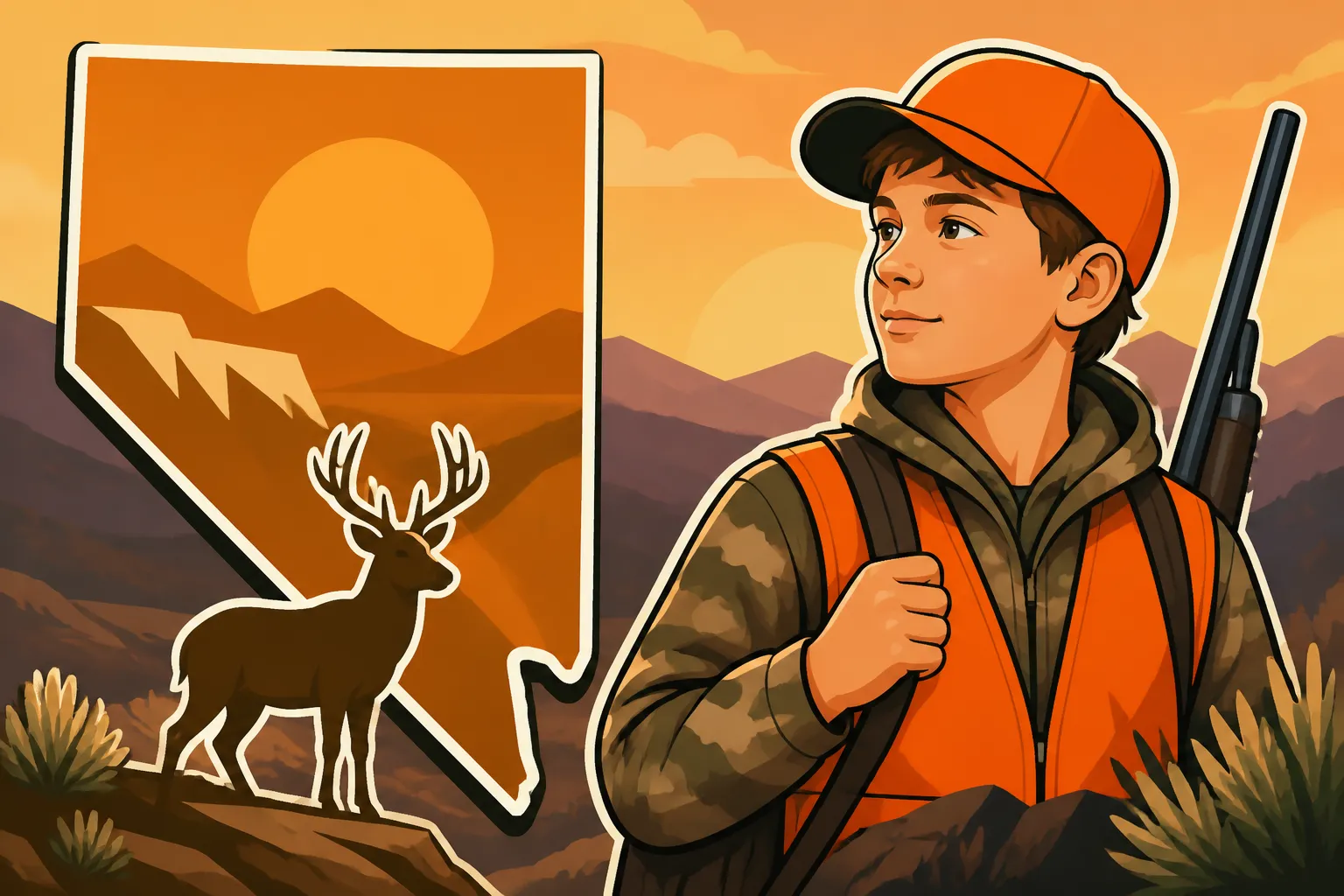
Bringing up a new hunter is one of the most rewarding experiences in the outdoors, and Nevada recognizes the importance of fostering this passion from a young age. That's why the state has established a specific framework for junior hunters, creating dedicated opportunities that aim to increase their chances of success and provide a more focused, positive introduction to hunting. These aren't just scaled-down versions of adult hunts; they are specifically designed with youth in mind.
Who Qualifies as a Junior Hunter in Nevada?
In Nevada, a junior hunter is generally defined as an individual who is under 18 years of age at the time of applying for a tag. This age cutoff is critical because it dictates eligibility for junior-only hunts and specific licensing. It's not just about their age when the season starts, but when they submit that application. The Nevada Department of Wildlife (NDOW) regulations are very clear on this, and it's essential to confirm the exact age requirements in the current year's proclamation, as these details can sometimes see minor adjustments.
The overarching goal of these programs is to cultivate responsible and ethical hunters who will carry on the tradition. They're designed to ease the pressure of competitive draws that adults face, offering a more attainable pathway to a tag. This often means higher draw odds for junior-specific tags, which can be a huge motivator for a young person just starting out.
Licensing Requirements for Youth Hunters
Before a junior hunter can even dream of drawing a tag, they first need a Nevada hunting license. This isn't a free pass; they go through a process much like adults, but with some specific considerations. First and foremost, anyone born after January 1, 1960, must complete a hunter education course. For juniors, this is often done with a parent or guardian, and Nevada accepts hunter education certifications from any state, provided they meet the International Hunter Education Association (IHEA) standards. You can learn more about the specifics of these requirements in our guide on Youth Hunting Requirements in Nevada.
Once hunter education is squared away, the next step is purchasing the actual junior hunting license. This license, often called a "combination license," allows them to apply for various big game draws and hunt small game and upland birds. The cost for junior licenses is significantly lower than adult nonresident licenses, making it more accessible for families. For details on current costs, take a look at our resource on Nevada Youth and Senior License Pricing. It's worth noting that even with a junior-specific tag, the license itself is a prerequisite. Don't skip this crucial step!
Deciphering Junior Only Hunt Codes
The trick to unlocking these special opportunities lies in understanding the hunt codes themselves. Nevada uses a distinct alphanumeric system to identify every single hunt, and junior-only hunts have their own unique markers. Once you know what to look for, these codes become a valuable roadmap.
Identifying Junior-Only Hunt Codes
When you dive into the NDOW big game season regulations, you'll see long lists of hunt codes. At first glance, they might seem like a random string of numbers and letters, but each part holds specific information. Junior-only hunt codes often include a 'J' or 'Y' (for Junior or Youth) within the code, or sometimes a specific numerical prefix or suffix that designates them as youth-exclusive. For example, a hunt code like "1111J" or "222Y" would immediately signal a junior opportunity.
These codes are your gateway to understanding which species, weapon type (archery, muzzleloader, rifle), and specific unit or unit group are available for youth hunters. It's not always just a single letter; sometimes, entire blocks of hunt numbers are reserved for juniors, making it imperative to consult the official regulations or a reliable draw odds platform. Knowing Reading a Nevada Hunt Number Before You Apply will give you a significant advantage in sorting through these options.
Where to Find Junior-Specific Hunt Codes
The primary source for all hunt codes, including junior-only ones, is the official Nevada Big Game Seasons and Regulations booklet, published annually by the NDOW. You can typically find this on their website or pick up a physical copy at license vendors. This booklet will list all available hunts, their codes, season dates, and unit boundaries.
However, sifting through hundreds of pages can be time-consuming. This is where modern hunting resources really shine. Platforms like GoHunt provide incredibly user-friendly databases where you can filter hunts specifically by "junior-only" status. These tools often present the information in a much more digestible format, helping you quickly identify relevant opportunities without flipping through a massive PDF. Many hunters, myself included, rely on platforms like GoHunt to sift through the data and make informed decisions, especially when looking for junior-specific opportunities. They can also help you understand How Nevada Numbers Its Hunt Units, which is essential for proper unit selection.
Examples of Junior-Only Hunt Codes
Let's look at a hypothetical example to illustrate the difference. Imagine a general rifle deer hunt might be listed as "1211," covering a specific unit for a rifle season in October. A corresponding junior-only rifle deer hunt for the same unit might be "1211J," indicating it's exclusively for eligible junior hunters. The season dates might even be slightly different, sometimes offering earlier or later access to the field to avoid overlap with general seasons or to target specific conditions.
The key takeaway is that the 'J' or 'Y' often isn't just an arbitrary letter; it usually means significantly different draw odds and hunter experiences. These hunts are designed to put more tags into the hands of young hunters, giving them a real chance at success without the decades of bonus points that adult tags sometimes require.
Here's a simplified table illustrating how these codes might appear:
| Species | Weapon | Season Dates | General Hunt Code | Junior-Only Hunt Code |
|---|---|---|---|---|
| Mule Deer | Rifle | Oct 10-24 | 121 | 121J |
| Elk | Muzzleloader | Sep 1-15 | 234M | 234Y |
| Pronghorn | Archery | Aug 1-14 | 305A | 305J |
(Note: These are hypothetical examples. Always consult the current year's NDOW regulations for actual codes and dates.)
Applying for Junior Only Hunts and Strategy
The application process for junior-only hunts mirrors the general big game draw in many ways, but with a few critical distinctions that can make all the difference for a young hunter. Understanding these nuances is key to submitting a competitive application.
The Application Process for Junior-Only Tags
Nevada's big game application period typically runs from late March to mid-May each year. You'll want to mark these dates on your calendar, especially the application deadline. Our detailed guide on Nevada Applications Run March 23 to May 13 provides a great overview of the timeline. For junior hunts, the process is the same: you submit an application online through the NDOW website, selecting your hunt choices. The crucial difference is that when applying for a junior-only hunt, you must select a hunt code specifically designated for juniors. Attempting to apply for an adult hunt with a junior license, or vice-versa, will result in your application being rejected.
It’s vital to double-check every entry before submission. A small typo in a hunt code can mean the difference between drawing a tag and missing out. Make sure the junior hunter's information, license number, and selected hunt codes are all accurate and correspond to eligible junior-only hunts. GoHunt, again, can be a fantastic resource here, as it often flags invalid hunt choice combinations, saving you from a costly mistake.
Bonus Points and Junior Hunters
Nevada uses a squared bonus point system, which sounds complicated but essentially means that the more years you apply and don't draw, the more "chances" you get in subsequent draws. This system is explained in depth in Nevada Squares Your Bonus Points Into Draw Chances. For junior hunters, bonus points are accumulated just like for adults. Each year a junior applies and is unsuccessful, they earn a point for that species. These points can significantly improve their odds over time, especially for highly coveted species like elk or bighorn sheep.
However, for junior-only hunts, the competition is often lower, meaning that even with fewer bonus points, their chances can be surprisingly good. It's a fantastic way to get a young hunter into the field sooner, building their experience and enthusiasm without the long wait times sometimes associated with adult tags. The beauty of the system is that if they eventually draw a junior-only tag, their bonus points for that specific species reset to zero, just like an adult drawing a general tag.
Advantages and Strategies for Junior-Only Hunts
The primary advantage of junior-only hunts is significantly better draw odds. NDOW sets aside a specific number of tags exclusively for junior hunters, limiting the applicant pool and thereby increasing individual chances. This translates into a much higher likelihood of drawing a tag compared to the general draw. Another benefit is often less hunter pressure in the field, as these seasons typically have fewer participants. This can lead to a more relaxed and enjoyable hunting experience for a young person, allowing them to focus on learning and enjoying nature.
When developing a strategy, research is paramount. Use the NDOW harvest statistics to identify units with good success rates for junior hunts. Platforms like GoHunt are invaluable for comparing draw odds year over year for various junior hunts, allowing you to make an educated guess on the best units to apply for. Consider applying for species or units that might be less popular but still offer a quality experience. Sometimes, aiming for a less "trophy" focused hunt can yield a more valuable first hunting experience for a junior. Remember to check Checking Nevada Draw Odds Before You Apply to refine your choices, and keep an eye on when How Nevada Posts Draw Results so you know when to check for your junior hunter's success.
Preparing for a Successful Junior Hunt
Drawing a junior-only tag is a monumental step, but the real work and excitement begin with preparation for the hunt itself. A successful junior hunt isn't just about harvesting an animal; it's about building character, teaching responsibility, and creating lasting memories.
Mentorship, Safety, and Ethical Considerations
The role of the adult mentor on a junior hunt cannot be overstated. This is your chance to instill values of ethical hunting, conservation, and respect for wildlife. Beyond teaching shooting fundamentals, focus on explaining fair chase principles, shot placement, tracking, and field dressing. Safety, of course, is paramount. This includes firearm safety, knowing your hunting area, carrying a first-aid kit, and understanding emergency procedures. It's also an excellent opportunity to reinforce everything learned in Nevada Hunter Education From Any State.
Before heading into the field, have clear discussions about expectations, responsibilities, and decision-making during the hunt. Teach them about Reading Wind on a Long Sage Stalk or identifying fresh tracks. Make it a collaborative effort, empowering them to participate in planning and execution. This builds confidence and makes them feel like a true partner in the adventure.
Tailoring Gear for Junior Hunters
Just like adults, junior hunters need appropriate gear, but with a focus on fit and comfort. A rifle or bow that's too heavy or too large will quickly lead to fatigue and frustration. Consider youth-specific firearms that have adjustable stocks or lighter weight. Recoil mitigation is also important to ensure a positive shooting experience. For archery, ensure the bow's draw weight and length are suitable for their physical capabilities.
Layering clothing is crucial for Nevada's unpredictable weather. Choose durable, quiet fabrics in camouflage patterns. Good quality, broken-in boots are essential for traversing rugged terrain. Don't forget essentials like a comfortable backpack, plenty of water, high-energy snacks, and a reliable headlamp. It's also a good idea to consider what's covered in Preparing Physically for Long Glassing Days, even if the junior hunt might not be as grueling as an adult one, fitness still plays a role in enjoyment.
Specific Regulations for Junior-Only Seasons
While many general regulations apply to all hunters, junior-only seasons might have specific nuances. Always check the current year's regulations for any rules unique to youth hunts. This could include specific legal shooting hours that might vary slightly, or particular blaze orange requirements depending on the weapon type or area. Generally, Legal Shooting Hours and Blaze Orange in Nevada outlines the standard requirements, but cross-referencing with junior-specific rules is always a good practice.
Additionally, pay attention to any rules regarding accompanying adults. Often, junior hunters must be accompanied by an adult licensed hunter, and sometimes there are restrictions on who can carry a firearm or bow if the junior hunter is too young or has not completed certain certifications. Being fully informed about these regulations ensures a safe, legal, and stress-free hunt for everyone involved.
Disclaimer
Please note: The information provided in this guide is for general informational purposes only and does not constitute legal advice. Hunting regulations in Nevada are subject to change annually. Always consult the most current Nevada Department of Wildlife (NDOW) official hunting regulations and proclamations before planning or engaging in any hunting activities. It is the individual hunter's responsibility to know and adhere to all applicable laws and regulations.