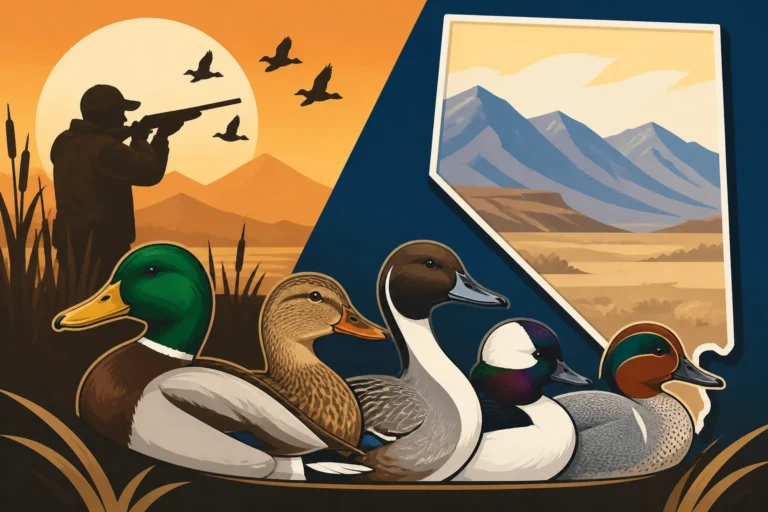
Waterfowl on Nevada’s Desert Marshes
When you think of Nevada, images of vast, arid deserts, sagebrush flats stretching to distant mountain ranges, and perhaps the neon glow of a certain city often come to mind. It's usually not a picture that includes bustling wetlands teeming with ducks and geese, yet the Silver State holds some truly surprising and productive waterfowl hunting opportunities. Many hunters, especially those new to the region, find themselves scratching their heads, wondering how a place so dry can host such vibrant marsh ecosystems. This guide is here to shed light on that often-overlooked reality, walking you through everything you need to know to pursue ducks and geese across Nevada's unique desert marshes.
The Unexpected Reality of Nevada Waterfowl
It's a common misconception, isn't it? The idea that Nevada, a state synonymous with desert landscapes and the driest climate in the country, could be a haven for waterfowl. But that's exactly the magic and the challenge of hunting here. The reality is far from the stereotypical arid image, revealing instead a network of critical wetlands and water bodies that serve as vital magnets for migrating birds along the Pacific Flyway.
Dispelling the Desert Myth
The perception of Nevada as nothing but an endless, parched expanse often leads hunters from outside the region to completely overlook its potential for waterfowl. They imagine cracked earth and tumbleweeds, not cattail-lined sloughs and open water alive with pintails and mallards. However, Nevada's hydrology, while unique, supports a surprising abundance of water. Underground springs, snowmelt-fed rivers like the Truckee, Carson, and Humboldt, and carefully managed irrigation systems all contribute to creating and sustaining vital wetland habitats. These aren't your typical forested swamps of the East or the vast agricultural ponds of the Midwest; these are desert oases, starkly contrasting with their surroundings, making them even more attractive to weary migrants.
The Great Basin, a vast endorheic watershed covering much of Nevada, means that rivers and streams don't flow to an ocean but instead drain into internal lakes, playas, and marshes. This creates a series of terminal lakes and wetlands that, despite fluctuations in water levels due to drought or abundant snowpack, consistently attract and hold significant numbers of waterfowl. From the remnants of ancient Lake Lahontan to the high-elevation marshes, these watery pockets are critical staging and wintering areas, defying the very notion of a "dry" state when it comes to bird life. It's a landscape that teaches you to appreciate every drop of water.
The Importance of Nevada's Marshes for Migrators
Nevada sits squarely within the Pacific Flyway, one of North America's four major migratory bird routes. This means that every fall, millions of ducks, geese, and swans utilize Nevada's wetlands as crucial stopover points, feeding areas, and wintering grounds on their long journeys from northern breeding grounds to warmer southern climes. The sheer volume of birds that pass through or decide to stay makes these marshes incredibly dynamic and exciting hunting destinations. Without these life-sustaining water sources, the entire migratory pattern for a significant portion of the flyway's population would be severely impacted.
These desert marshes, often enriched by nutrients from agricultural runoff or natural geological processes, provide an abundance of food sources, including submerged aquatic vegetation, seeds, and invertebrates. This makes them incredibly efficient fueling stations for birds needing to replenish energy stores. The unique isolation of these wetlands also offers relatively secure roosting and loafing areas, which are just as important as feeding grounds. Understanding this critical role helps hunters appreciate the value of these wetlands and the need for their careful stewardship. When you see wave after wave of ducks dropping into a remote marsh surrounded by dry mountains, the importance of these ecosystems truly sinks in.
Historical Context of Waterfowl Hunting in Nevada
Waterfowl hunting has a deep history in Nevada, long predating modern wildlife management. Native American tribes utilized these rich wetland areas for sustenance, harvesting ducks and geese that were once even more abundant. As European settlers moved into the region, particularly after the Comstock Lode discovery in the mid-19th century, market hunting became a significant activity, feeding the growing population centers like Virginia City. The sheer numbers of birds taken during this era were unsustainable, leading to dramatic declines in waterfowl populations.
The early 20th century brought the first conservation efforts, spurred by concerned citizens and nascent wildlife agencies. Regulations were slowly implemented, and federal and state refuges were established to protect critical habitat. The Migratory Bird Treaty Act of 1918 and the subsequent creation of the Federal Duck Stamp in 1934 were pivotal in funding wetland preservation across the country, including in Nevada. Today, waterfowl hunting in Nevada is a carefully managed endeavor, balancing recreational opportunity with scientific conservation principles, ensuring these desert marshes continue to thrive for future generations of birds and hunters. The evolution of these practices has created the framework we operate within today, allowing us to enjoy the resource while contributing to its future.
Key Waterfowl Species in Nevada's Marshes
Nevada's diverse wetland habitats, from shallow, brackish playas to deep, clear reservoirs, support a wide array of waterfowl species. Understanding these different birds – their habits, preferences, and how to identify them – is fundamental to a successful and enjoyable hunt. You'll find everything from fast-flying teal to majestic Canada geese calling these desert oases home, at least temporarily.
Dabbling Ducks: Pintails, Mallards, Wigeon, and Gadwall
Dabbling ducks are arguably the most common and sought-after waterfowl in Nevada's marshes. These birds feed by tipping head-down in shallow water, sifting for seeds, aquatic insects, and vegetation, rarely diving completely. You'll find them congregating in flooded fields, shallow marsh edges, and along river backwaters.
The Northern Pintail is often considered the "greyhound of the air" due to its sleek profile and incredibly fast flight. Males are easily identified by their long, pointed tail feather and white breast. Pintails are widespread in Nevada's marshes, particularly fond of open, shallow water and rice fields. They decoy well but are notoriously wary, demanding excellent concealment. Mallards, the iconic green-headed drakes and mottled brown hens, are present across Nevada. They are adaptable birds, found in almost every type of wetland, from managed marshes to small potholes and urban parks. They respond readily to calling and can provide exciting close-range shooting.
American Wigeon are common visitors, easily recognized by the male's white cap and green eye-patch. They often graze on emergent vegetation, sometimes even "parasitizing" diving ducks by stealing their retrieved food. Their distinctive three-note whistle is a common sound on the marsh. Lastly, Gadwall are often underestimated but are excellent table fare and provide challenging hunting. Males are grayish with a black rump and a white speculum that's prominent in flight. They prefer vegetated wetlands and are increasingly common throughout the state. Successfully identifying these species on the wing and understanding their individual quirks makes the hunt all the more rewarding.
Diving Ducks: Canvasbacks, Redheads, and Bluebills
While dabblers prefer the shallow edges, diving ducks seek out deeper, more open water to feed on submerged vegetation, mollusks, and fish. They propel themselves underwater with powerful feet, staying submerged for considerable periods. Hunting these species often requires different tactics and locations than their dabbling cousins.
The Canvasback is arguably the king of diving ducks, known for its regal profile, fast flight, and exceptional flavor. Males have a reddish-brown head, black chest, and a distinctive sloping bill and forehead that gives them their unique profile. They are often found in large rafts on open water but can be enticed into decoy spreads, especially over deeper marsh channels or reservoirs. Redheads, closely related to Canvasbacks, are also prominent. Males feature a bright reddish head, blue-gray bill, and a gray body. They are highly gregarious, often found in large groups and respond well to decoying, offering action-packed shooting when they commit.
"Bluebills" is a common name for two species: Greater Scaup and Lesser Scaup. While difficult to distinguish in the field, both are abundant divers. Males are characterized by a black head, chest, and tail, with a white side. They prefer large bodies of water, from open lakes to large marsh impoundments, and feed primarily on aquatic invertebrates and plants. Hunting diving ducks in Nevada often means focusing on the larger, deeper sections of the reservoirs or the main channels within sprawling marsh systems like those in the Lahontan Valley Wetlands. Laying out a large spread of diver decoys in these open areas can be incredibly effective, especially on windy days that push birds off bigger water.
Geese and Swans: Canada Geese and Tundra Swans
Beyond the myriad of ducks, Nevada's wetlands also host impressive numbers of larger waterfowl, offering a different kind of challenge and reward. The sheer size and vocal nature of geese and swans add another layer to the desert marsh experience.
Canada Geese are a staple of waterfowl hunting across North America, and Nevada is no exception. Several subspecies can be found, from the giant Canadas to the smaller Cackling Geese, though the larger birds are most prevalent in Nevada. They are intelligent and wary birds, often feeding in agricultural fields adjacent to wetlands but returning to water to roost. Hunting geese typically involves large decoy spreads, often full-body decoys in fields, combined with careful concealment in pits or layout blinds. Their booming calls are an unmistakable sound that fills the air over Nevada's vast valleys. Early season hunts can be particularly productive as local populations are augmented by early migrants.
Tundra Swans also utilize Nevada's wetlands as migratory stopovers and wintering grounds. These magnificent birds are protected, but limited draw permits are available for hunting in specific areas, making a successful swan hunt a highly coveted and rare experience. They are pure white, smaller than Trumpeter Swans, and have a distinctive black bill with a yellow spot near the eye. Observing swans is a breathtaking experience, and for those lucky enough to draw a tag, it represents a true trophy. Always check the current regulations for specific permit requirements and hunting zones for these protected species, as rules are very strict.
Prime Waterfowl Hunting Areas and Refuges
Nevada's waterfowl hunting is concentrated in several key areas, primarily associated with major river systems, managed wetlands, and National Wildlife Refuges. These areas are the lifeblood for migratory birds, offering food, water, and refuge, and thus present the best opportunities for hunters. Each spot has its own unique character, challenges, and rewards.
Lahontan Valley Wetlands: Stillwater and Fallon
The Lahontan Valley, near Fallon in Western Nevada, is the undisputed heart of waterfowl hunting in the state. This vast wetland complex, historically fed by the Carson River, is a critical stopover and wintering area on the Pacific Flyway. The most prominent feature here is the Stillwater National Wildlife Refuge. Stillwater is a truly incredible place, encompassing over 220,000 acres of marshes, playas, and uplands. It offers a mix of limited access areas and designated hunting zones, making it a highly sought-after destination. Water levels here can fluctuate dramatically, impacting huntable areas, so checking current conditions is paramount.
Hunting at Stillwater can involve wading through shallow marshes, setting up in natural vegetation blinds, or using small boats in deeper sloughs. The refuge is known for producing excellent numbers of diverse duck species, including pintails, mallards, wigeon, and shovelers, as well as various geese. Beyond the refuge boundaries, private land hunting opportunities exist, often requiring landowner permission or guided access to fields. The proximity to Fallon provides essential services, but the vastness of the area means you'll still feel remote. Understanding Stillwater Wildlife Management Area Access rules is crucial for any hunter planning a trip here.
A portion of the Lahontan Valley is also part of the Fallon Range Training Complex, which can offer hunting opportunities depending on military operations. This area requires specific permits and close coordination with base authorities, as access can change at a moment's notice. It’s important to research current public access regulations for these dynamic areas well in advance of your hunt.
Key Pittman WMA and Other Southern Waterfowl Havens
Venturing south and east, you'll find other significant waterfowl opportunities, though often on a smaller scale than the Lahontan Valley. The Key Pittman Wildlife Management Area, near Caliente, is a prime example. This WMA is fed by the Meadow Valley Wash, creating a series of impoundments and marsh habitat in an otherwise very arid landscape. Key Pittman is particularly known for its consistent duck hunting, drawing birds from miles around into its relatively compact system. It's an excellent destination for hunters looking for a more accessible experience without the overwhelming scale of Stillwater.
Further south, the Wayne E. Kirch Wildlife Management Area, near Lund, also offers good waterfowl hunting, particularly for dabblers. Its network of reservoirs and marshes, fed by artesian springs, makes it another vital oasis in the desert. These southern WMAs present their own challenges, primarily related to heat in the early season and ensuring sufficient water. Hunting here often means dealing with variable water levels and being prepared for potentially long distances between services. However, the relatively focused nature of these wetlands can mean concentrated bird populations, offering fantastic hunting when conditions are right. For details on this specific area, check out Key Pittman Wildlife Management Area.
Northern Nevada's Lesser-Known Spots: Ruby Lake and Knott Creek
Northern Nevada also holds its share of waterfowl jewels, often at higher elevations and with distinct characteristics. Ruby Lake National Wildlife Refuge, nestled in the stunning Ruby Mountains east of Elko, is a unique high-desert marsh ecosystem. Fed by numerous springs, Ruby Lake boasts extensive cattail marshes and open water, providing essential habitat for breeding and migrating waterfowl. It's particularly renowned for its Canvasback populations and offers a truly beautiful hunting backdrop. Access can be more challenging here, especially in late season with snow, but the rewards can be spectacular.
Another notable spot in northern Nevada is Knott Creek Reservoir, part of the Sheldon National Wildlife Refuge system (though regulations for hunting within the refuge proper vary greatly). Knott Creek is a high-desert reservoir that attracts good numbers of ducks and geese, particularly in the early season. These northern areas offer a different flavor of waterfowl hunting – often cooler temperatures, more mountainous scenery, and sometimes less pressure than the larger, more well-known southern marshes. They are perfect for hunters who enjoy exploring diverse landscapes and tackling the logistical challenges that come with more remote locations.
Understanding Nevada's Waterfowl Seasons and Regulations
Navigating waterfowl hunting regulations can feel like a maze, and Nevada is no exception. State and federal rules govern everything from season dates and bag limits to required licenses and stamps. Staying informed is not just about avoiding a citation; it's about ensuring you're part of responsible wildlife management that sustains these incredible resources.
General Season Dates and Zone Splits
Nevada's waterfowl season structure is designed to maximize hunting opportunities while accounting for varying migratory patterns across the state. The state is divided into two primary zones: the North Zone and the South Zone. These zones have different opening and closing dates, typically reflecting the earlier migration through northern regions and the later arrival and longer stay of birds in the warmer southern wetlands.
The North Zone usually opens earlier in October and runs through late January, while the South Zone often opens later in October and extends into early February. Specific dates vary annually, so always consult the current Nevada Department of Wildlife (NDOW) regulations. There are also usually special early teal seasons in September, offering a quick burst of fast-flying action before the main season. Youth waterfowl hunts are also often scheduled, providing a fantastic opportunity for young hunters to get out in the field under special rules. Understanding the specifics of the Nevada Waterfowl Season Framework is your first step in planning a successful trip, and paying attention to these zone splits is absolutely essential to ensure you're hunting legally and ethically.
Bag Limits and Species-Specific Rules
Bag limits specify the maximum number of birds you can harvest per day and often include possession limits (twice the daily bag) and species-specific restrictions. For example, while the general duck bag limit might be seven, there are often sub-limits within that total for species like pintails (often one per day), mallard hens (often two per day), canvasbacks (one per day), or redheads (two per day). These species-specific limits are put in place to protect populations that are more sensitive or have lower breeding success.
Geese also have daily and possession limits, which vary by species (e.g., Canada geese, white-fronted geese, light geese). For Tundra Swans, as mentioned, a special permit is required through a draw, and the tag is typically good for one swan. It’s vital to be able to identify your target species on the wing to ensure you stay within these regulations. Many hunters carry a waterproof bird identification guide in their blind to quickly verify before taking a shot. Always check the official Nevada Duck Bag Limits by Species and other regulations before each season, as they can change annually based on waterfowl population surveys and federal guidelines.
Licenses, Stamps, and Hunter Education
To legally hunt waterfowl in Nevada, you'll need several key items:
- Nevada Combination Hunting License: This is your basic state hunting license, which is a prerequisite for any big game or upland bird tags.
- Federal Migratory Bird Hunting and Conservation Stamp (Federal Duck Stamp): This stamp is required for all waterfowl hunters 16 years of age and older. It's a federal requirement, and 98% of the funds from its sale go directly to conserving wetland habitats for birds and other wildlife.
- Nevada State Duck Stamp: Similar to the federal stamp, Nevada requires its own state duck stamp, with funds directly benefiting state wetland conservation projects.
- Harvest Information Program (HIP) Validation: This free validation is required by the U.S. Fish and Wildlife Service and helps gather data on hunter participation and harvest.
Additionally, anyone born after 1959 needs to complete an approved hunter education course. Nevada accepts hunter education certifications from any state or Canadian province, which is a relief for non-resident hunters. Always ensure you can prove your certification if asked by a game warden. This requirement is vital for promoting safety and ethical hunting practices. You can learn more about this by checking Who Nevada's 1960 Hunter Education Rule Covers and How Nevada Verifies an Out-of-State Certification.
Essential Gear and Tactics for Desert Marsh Hunting
Hunting Nevada's desert marshes requires specific gear and tactics adapted to the unique environment. These aren't your typical Midwest cornfield hunts or coastal salt marsh setups. The variable water levels, often open terrain, and temperature swings demand careful planning and the right equipment to ensure safety and success.
Decoy Spreads and Calling Strategies
Effective decoy spreads are crucial in waterfowl hunting, and Nevada's marshes are no exception. For dabbling ducks in shallower water, a mix of mallard, pintail, and wigeon decoys placed in a loose "J" or "U" shape can be effective, mimicking birds feeding and resting. Ensure there's a landing zone in front of your blind. Motion decoys, like spinning-wing or floating pulsators, can add crucial realism, especially on calm days when natural movement is minimal. For diving ducks on deeper open water, larger rafts of diver decoys, including canvasbacks and redheads, are often employed to attract birds flying high over expansive areas.
Calling strategies should be adapted to the species and the hunting pressure. In highly pressured areas, subtle calling, mimicking contented feeding chatter, is often more effective than aggressive, loud hails. For mallards, a variety of quacks, feed calls, and lonesome hen calls can be deadly. Pintails respond well to a soft whistle, while wigeon have a distinctive three-note whistle. For geese, short, sharp clucks and honks can grab attention, followed by contented murmurs. Practice your calling before the season; a realistic, well-timed call can often be the difference between birds flying by and committing to your spread.
Blinds, Boats, and Wading Safety
Concealment is paramount in Nevada's often open, treeless marsh environments. Layout blinds can be excellent in drier sections or sparsely vegetated areas, allowing you to blend seamlessly into the low-lying terrain. Permanent or semi-permanent blinds are sometimes available in managed units, but natural vegetation blinds built from cattails and other marsh plants are often the most effective. These need to be well-camouflaged and blend with the existing environment.
Small boats, such as jon boats, kayaks, or even airboats in certain areas, are often essential for accessing remote parts of large marsh systems and for deploying large decoy spreads. Ensure your boat is appropriate for the conditions – sturdy enough for potential wind and waves, yet shallow-drafting for skinny water. If wading, quality chest waders are a must. The marsh bottom can be incredibly unpredictable, with soft mud, hidden channels, and uneven terrain. Always use a wading staff to test the depth and stability of the bottom ahead of you. It’s also wise to hunt with a partner, especially in remote areas, for safety. Knowing how to safely use a boat and wade through unpredictable terrain is as important as shooting straight.
Ammunition, Clothing, and Other Must-Haves
When it comes to ammunition, non-toxic shot is legally required for all waterfowl hunting throughout Nevada and the entire U.S. Federal regulations prohibit the use of lead shot for migratory birds. Steel shot is the most common and affordable option, but bismuth and tungsten-based loads offer denser patterns and better terminal performance, albeit at a higher cost. Choose shot sizes appropriate for your target species – typically #2 or #3 steel for ducks, and BB or BBB for geese.
Nevada's weather can be highly variable, often swinging dramatically from cold mornings to warm afternoons. Layered clothing is key, allowing you to adjust to changing conditions. Waterproof and windproof outer layers are essential. Camouflage patterns that blend with marsh vegetation are ideal. Beyond the basics, always carry plenty of water, especially in the early season when temperatures can still be high. A GPS or detailed map (like those offered by GoHunt, which can show land ownership and water features) is critical for navigation in sprawling, often featureless marshlands. A first-aid kit, headlamp, and game strap are also crucial for any successful and safe waterfowl outing. Considering the remote nature of many hunting spots, proper Vehicle Prep for Remote Nevada Roads and awareness of Fuel and Service Distances in Nevada are also non-negotiable.
Conservation Efforts and Habitat Management
Waterfowl hunting in Nevada, like anywhere else, is intrinsically linked to conservation. Without the dedicated efforts of wildlife agencies, non-profit organizations, and hunters themselves, the vibrant marsh ecosystems that support these birds would quickly disappear. Understanding these efforts not only deepens appreciation for the resource but also highlights the critical role hunters play.
The Role of NDOW and Federal Agencies
The Nevada Department of Wildlife (NDOW) is the primary state agency responsible for managing waterfowl populations and habitats within Nevada. This involves conducting population surveys, setting hunting seasons and bag limits (in cooperation with federal guidelines), and actively managing state-owned wetlands like the various Wildlife Management Areas. NDOW biologists work tirelessly to ensure sustainable populations and healthy ecosystems, often through controlled burns, water level manipulation, and vegetation management.
Federal agencies, primarily the U.S. Fish and Wildlife Service (USFWS), play an equally critical role. The USFWS oversees the National Wildlife Refuge System, which includes vital areas like Stillwater National Wildlife Refuge and Ruby Lake National Wildlife Refuge, both instrumental for Nevada's waterfowl. They also administer the Federal Duck Stamp program and enforce federal migratory bird laws. These agencies collaborate closely, ensuring a coordinated approach to waterfowl conservation across state and international borders. Their work is a constant battle against habitat loss, water scarcity, and other environmental challenges that threaten these precious wetlands.
Water Rights and Wetland Preservation Challenges
One of the most significant challenges to wetland preservation in Nevada is the complex and often contentious issue of water rights. In the arid West, water is a precious commodity, and agricultural, municipal, and industrial demands frequently compete with the needs of wildlife. Many of Nevada's key wetlands are sustained by diversions from rivers, and securing consistent water allocations is an ongoing battle. Droughts, unfortunately, are a recurring feature of the Great Basin climate, leading to decreased water availability and reduced wetland acreage, directly impacting waterfowl.
Organizations like Ducks Unlimited (DU) are crucial partners in this fight. DU works with NDOW, federal agencies, and private landowners to conserve, restore, and manage wetlands and associated habitats. They invest significant resources into projects that improve water delivery systems, enhance wetland productivity, and create new habitat. The continued health of Nevada's waterfowl populations hinges on the ability to maintain and secure water for these critical desert oases. The more hunters understand the importance of Water Development and Hunting Ethics, the better stewards of the land we can become.
Hunter Contributions to Conservation
It's easy to overlook, but waterfowl hunters are, in fact, the greatest financial contributors to wetland conservation in North America. Every time you purchase a Federal Duck Stamp, 98 cents of every dollar goes directly to the Migratory Bird Conservation Fund, which is used to acquire or lease wetland habitat for the National Wildlife Refuge System. Since its inception, the Federal Duck Stamp program has conserved over 6 million acres of wetlands. Similarly, state duck stamp sales fund projects within Nevada.
Beyond the stamps, hunters contribute through excise taxes on firearms and ammunition (Pittman-Robertson Act), which also fund state wildlife management efforts. Many hunters also volunteer their time for habitat restoration projects, cleanups, or participate in waterfowl banding programs. By following regulations, respecting bag limits, and practicing ethical hunting, every waterfowl hunter contributes to the long-term sustainability of the resource. Without these dedicated contributions, many of Nevada's incredible desert marsh ecosystems and the birds that rely on them simply wouldn't exist.
Planning Your Nevada Waterfowl Adventure
Embarking on a waterfowl hunt in Nevada can be an incredibly rewarding experience, but it requires meticulous planning. The vastness of the state, the remoteness of many hunting areas, and the unique environmental factors mean you can't just wing it. A well-prepared hunter is a successful and safe hunter.
E-Scouting and On-the-Ground Reconnaissance
Before you even leave your home, embrace the power of e-scouting. Utilize online mapping tools and satellite imagery, such as those provided by GoHunt or similar platforms, to identify potential hunting areas. Look for obvious water bodies, marsh vegetation, and access roads. Pay close attention to land ownership overlays to distinguish public land from private land, which is critical for legal access. You can find useful information by searching for Downloading Nevada Unit Boundary Layers and Reading a Land Ownership Layer Correctly. These tools help you understand the terrain and identify potential blind locations or boat launch points.
Once you have a few spots identified, on-the-ground reconnaissance, if possible, is invaluable. This could be a scouting trip a few weeks before the season, or even driving the roads around your chosen area the day before your hunt. Look for fresh bird sign (droppings, feathers), observe bird flight patterns, and assess current water levels. Water levels in Nevada can change dramatically, so what looked like prime habitat on a satellite image from a year ago might be dry or flooded now. Pay attention to local weather forecasts and reports from NDOW or refuge managers. They often provide crucial updates on conditions and bird concentrations, which can help you make informed decisions on where to set up.
Lodging, Services, and Travel Logistics
Nevada's hunting areas can be incredibly remote, often far from the nearest town with services. For popular areas like the Lahontan Valley, towns like Fallon or Fernley offer lodging, restaurants, and grocery stores. However, for more remote spots like Key Pittman WMA or Ruby Lake NWR, the nearest services might be small, rural communities like Caliente or Ely. This means you need to plan ahead for fuel, food, and water. Always carry extra fuel in approved containers, as gas stations can be few and far between.
Vehicle preparation is non-negotiable. Many of Nevada's backroads are unpaved, rough, and can be challenging, especially after rain or snow. A reliable 4×4 vehicle with good ground clearance and robust tires is highly recommended. Carry a full-sized spare tire, a jack, and basic recovery gear like a shovel and tow strap. Cell phone service is often nonexistent in these remote areas, so a satellite messenger or two-way radio (for communicating with hunting partners) is a vital safety tool. Understanding the realities of Remote Road Conditions Across Nevada and planning for potential breakdowns is crucial for your safety and success.
Timing Your Hunt for Peak Migration
Timing is everything in waterfowl hunting. While local birds provide early-season opportunities, the peak of migration often brings the greatest numbers and diversity of species. This typically occurs from late October through November, as colder weather pushes birds south from their northern breeding grounds. However, different species have different migratory timelines. Early season might be great for teal, while late season often offers the best goose hunting.
Keep a close eye on weather fronts to the north; cold snaps and snow can push new waves of birds into Nevada. Pay attention to online forums, local hunting reports, and NDOW updates, as these can provide real-time insights into bird numbers and movements. Flexibility is also key; if your initial plan doesn't yield results, be prepared to move to a different area or change your tactics. The dynamic nature of waterfowl hunting means adapting to changing conditions is a skill that will consistently pay off.
| Duck Species | Primary Habitat Preference | Typical Nevada Daily Bag Limit (Example) | Identification Key Features (Male) |
|---|---|---|---|
| Mallard | Shallow marshes, flooded fields, rivers, ponds | 7 (2 hen mallards) | Green head, white neck ring, chestnut breast, yellow bill |
| Northern Pintail | Open, shallow marshes, agricultural fields | 1 | Long, pointed tail, brown head, white stripe up neck |
| American Wigeon | Shallow vegetated marshes, grasslands | 7 | White crown, green eye-patch, grey body, white belly |
| Gadwall | Vegetated marshes, wetlands | 7 | Grey body, black rump, white speculum on wing, black bill |
| Canvasback | Large, deep open water, reservoirs, large marsh impoundments | 1 | Reddish-brown head, black chest, white body, sloping profile |
| Redhead | Deeper open water, large marshes | 2 | Bright reddish head, blue-gray bill, grey body, black chest |
| Lesser/Greater Scaup | Large open lakes, reservoirs, deep marsh channels | 7 (combined) | Black head, chest, and tail, white sides, blue-gray bill |
Note: Daily bag limits are provided as a general example and are subject to change annually. Always consult current Nevada Department of Wildlife regulations for the most up-to-date information.
Disclaimer
The information provided in this guide is for general informational purposes only and does not constitute legal advice. Hunting regulations in Nevada are subject to change, and it is the responsibility of each hunter to consult the most current Nevada Department of Wildlife (NDOW) regulations and federal guidelines before participating in any hunting activities. Always prioritize safety, ethical hunting practices, and respect for wildlife and private property.