Where Nevada Antelope Numbers Are Strongest
For many hunters, the thought of a Nevada antelope tag sparks visions of wide-open sage flats and lightning-fast bucks. But let's be real, Nevada is a massive state, and not every basin holds the same robust numbers of these incredible creatures. It can feel overwhelming to navigate the draw and understand where your best chances for a quality antelope hunt truly lie. This guide is here to cut through the confusion, helping you pinpoint the regions and units where Nevada's antelope numbers are strongest and how to apply that knowledge to your hunting strategy.
Understanding Nevada's Pronghorn Habitat and Population Dynamics
Before we dive into specific locations, it's crucial to grasp what makes a particular area attractive to antelope and what factors contribute to healthy populations. Nevada's landscape is unique, and pronghorn are uniquely adapted to it.
The Sagebrush Sea: Ideal Pronghorn Territory
Pronghorn are the true speed demons of the open plains, built for vast, unobstructed views, and quick escapes. Their preferred habitat is, without a doubt, the expansive sagebrush sea that dominates much of Nevada's terrain. This isn't just any old brush; we're talking about a diverse ecosystem where sagebrush, alongside various forbs and grasses, provides both crucial forage and the necessary cover (or lack thereof) that plays to their strengths. They thrive in flat to gently rolling terrain, where their incredible eyesight, often compared to an 8x binocular, gives them a massive advantage in spotting predators from afar.
While Nevada offers endless acres of this general habitat, the quality varies dramatically. Areas with a rich mix of different sagebrush species, diverse forbs that bloom throughout the seasons, and intermittent grasses tend to support healthier, more numerous herds. These plants provide the energy and nutrients necessary for survival, especially for does raising fawns and bucks putting on horn growth. When you're e-scouting, look for these mosaic patterns rather than monocultures of a single plant type.
Factors Influencing Antelope Numbers
Nevada's antelope populations are a delicate balance, swayed by several environmental and biological factors, many of which are beyond our control but vital to understand.
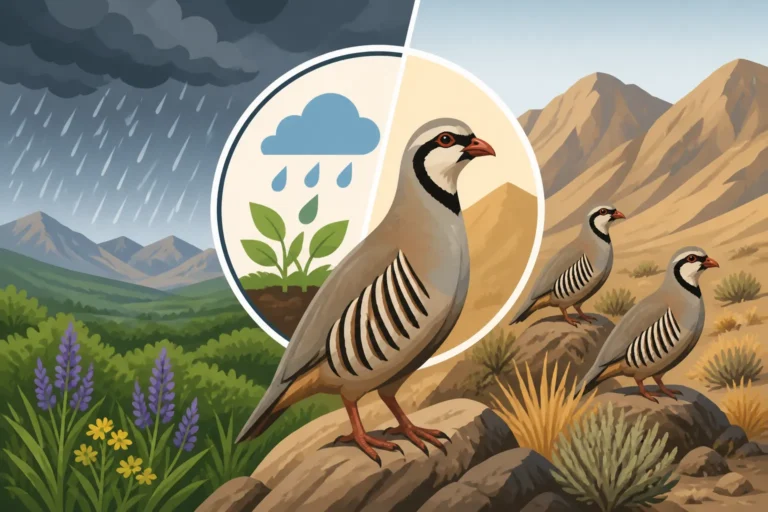
Drought, for instance, is a perennial concern across the Great Basin. Extended periods of low rainfall directly impact the availability and nutritional value of forage. When the plants are stressed, so are the antelope. This stress can lead to lower fawn survival rates and reduce the overall health and body condition of the herd, ultimately affecting population size. It’s why you'll often see tag quotas adjusted after several dry years; the Nevada Department of Wildlife (NDOW) is trying to manage the herds sustainably.
While Nevada is known for its arid climate, severe winters can also take a toll, particularly on fawns. Heavy snow can limit access to forage and increase energy expenditure, making them more vulnerable. Predation, primarily from coyotes and occasionally golden eagles, is a natural part of the ecosystem, but it can become a significant limiting factor when antelope populations are already stressed from other environmental conditions. Lastly, habitat fragmentation, though less severe in much of Nevada's vast public lands compared to more developed states, still plays a role. Roads, fences, and development can disrupt migration corridors and fragment prime feeding grounds, especially around growing communities or mining operations. And, of course, water is absolutely critical in this dry landscape. Without reliable water sources, even excellent forage becomes inaccessible. Understanding the importance of Hunting Water in Nevada's Driest Country is paramount to any successful hunt here.
Key Regions and Units with Strong Antelope Populations
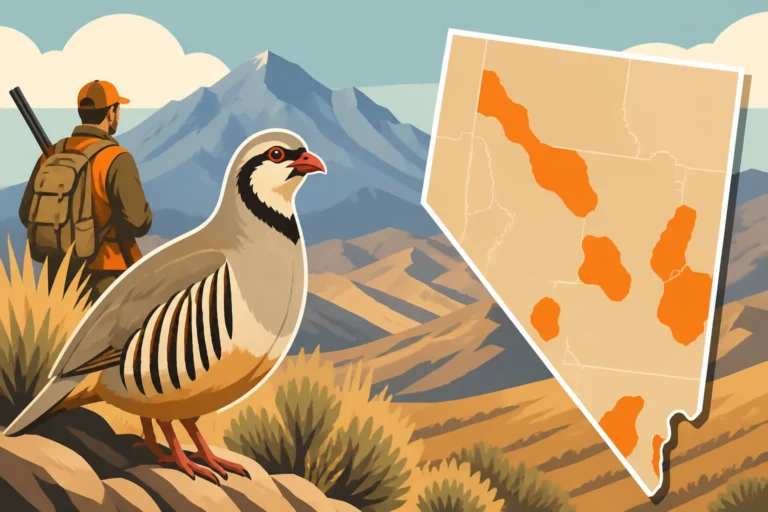
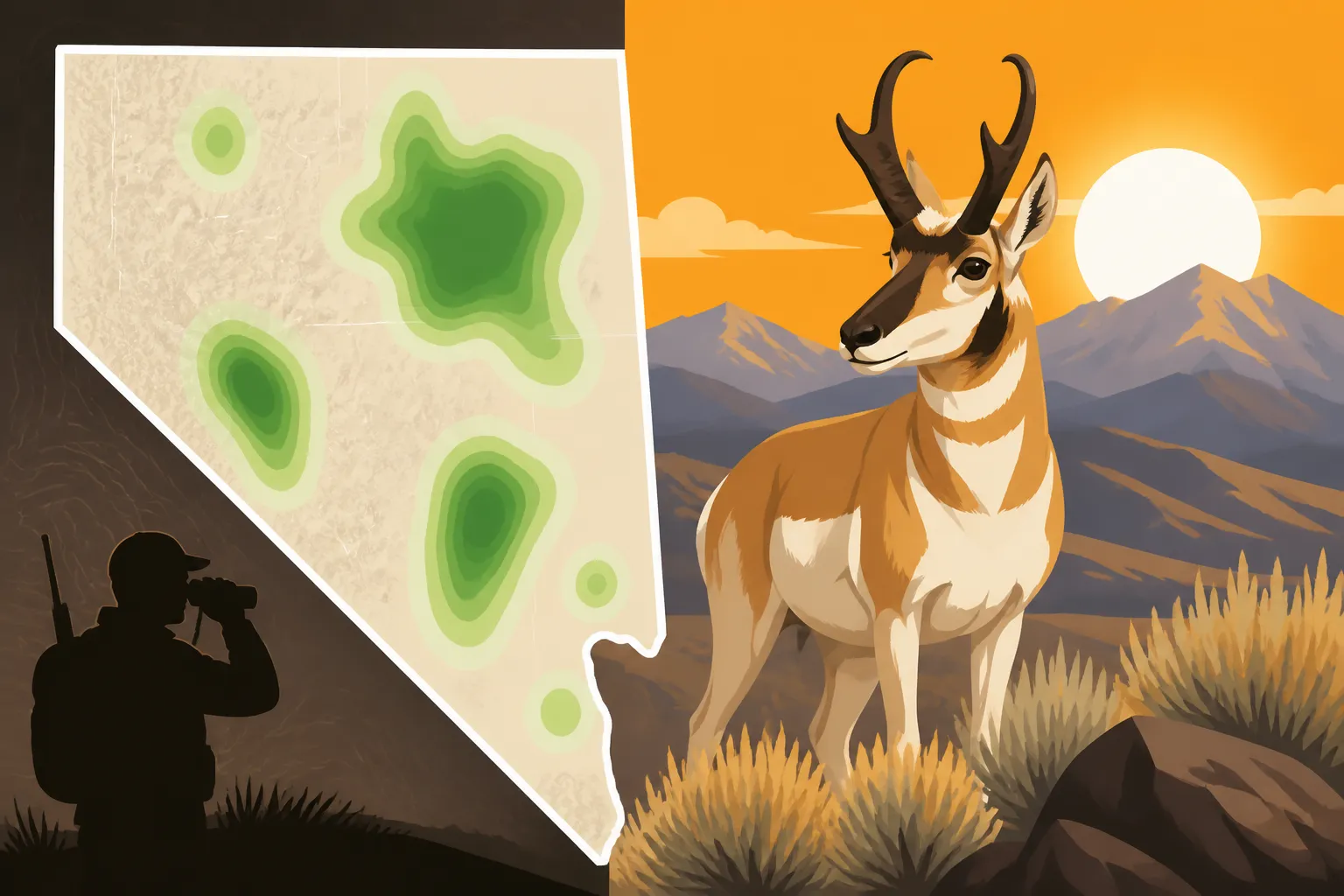
When it comes to pinpointing where Nevada's antelope numbers are strongest, we’re generally looking at the vast, open expanses of the northern and central parts of the state. These areas offer the ideal blend of habitat, space, and a history of robust herd management.
Northeastern Nevada: A Pronghorn Stronghold
The northeastern quadrant of Nevada is arguably the undisputed king of pronghorn hunting in the state. Units here, broadly encompassing areas around cities like Elko, Wells, and Winnemucca, consistently show some of the highest antelope densities and best draw odds (relatively speaking) for quality bucks. Think about units such as 061, 062, 071, 072, 073, 074, and 075. These units are characterized by massive, wide-open valleys and rolling hills, often flanked by mountain ranges that provide just enough topographical relief to make stalks interesting.
The terrain in these units is typically lower in elevation compared to some of Nevada's more mountainous regions, meaning the sagebrush steppe is dominant. You'll find expansive flats stretching for miles, broken up by dry washes and small rises that can be key for concealment during a stalk. The ample forage, often benefiting from winter moisture, supports large herds. Hunters consistently report seeing good numbers of antelope here, making it a popular, though still challenging, destination. It's a place where you'll spend a lot of time behind your glass, picking apart distant herds.
Central Nevada's High Desert Basins
Moving south into the central part of the state, we encounter another significant region for pronghorn. Areas around Ely, Eureka, and Austin host a network of vast, remote high desert basins that are perfect for antelope. Units like 131, 141, 142, 143, 151, 152, and 154 are often on the radar of serious antelope hunters. These units are characterized by immense stretches of public land, often Bureau of Land Management (BLM) acreage, which means less pressure from private land access issues.
The central Nevada landscape is a beautiful blend of sagebrush, bitterbrush, and various desert grasses, often interspersed with pinyon-juniper patches on the lower slopes of the surrounding ranges. This diverse vegetation provides consistent forage for antelope throughout the year. The remoteness of many of these units contributes to healthier, less disturbed herds. However, this also means services are few and far between, requiring meticulous planning for fuel, water, and emergency preparedness. Hunters in these central basins appreciate the feeling of solitude and the sheer scale of the hunting grounds, allowing for truly expansive glassing sessions.
Southern Nevada's Less Obvious Opportunities
While the really strong numbers tend to be in the northern and central parts of the state, southern Nevada shouldn't be entirely overlooked for antelope, especially if you're willing to put in the work. Units like 201, 202, 203, 204, 205, 221, 222, 231, 232, 241, and 242, which are typically found further south of the central strongholds, might offer more limited tags and slightly lower overall densities. However, what they can sometimes offer is a less competitive hunt or a unique desert experience.
Hunting in southern Nevada often requires a different approach. Here, water sources become even more critical focal points for antelope. Understanding Reading Water Sources Before an August Hunt is absolutely essential, as a dependable spring or guzzler can act as a magnet for game in an otherwise parched landscape. These units might have antelope populations concentrated in specific valleys or around isolated mountain ranges, making pinpointing their whereabouts more challenging but potentially rewarding. It’s not about finding massive herds, but rather locating those isolated pockets of suitable habitat and the antelope that call them home. Don't expect to see as many antelope as in the north, but if a southern tag is what you draw, diligent scouting and focus on water will be your keys to success.
Here’s a quick overview of general characteristics for these regions, though specific unit performance can vary:
| Region | General Unit Numbers | Typical Terrain | Antelope Density Trend | Draw Difficulty (General) | Notes |
|---|---|---|---|---|---|
| Northeastern Nevada | 06x, 07x | Wide open sagebrush flats, rolling hills | High | Moderate to Difficult | Consistent top performer, often good buck quality. |
| Central Nevada | 13x, 14x, 15x | Expansive high desert basins, remote | Moderate to High | Moderate to Difficult | Great solitude, often requires extensive driving. |
| Southern Nevada | 20x, 22x, 23x, 24x | Arid basins, more isolated pockets of habitat | Lower to Moderate | Easier to Moderate | Water is critical; can offer unique desert experience. |
Analyzing Draw Odds and Harvest Data for Informed Applications
Drawing a Nevada antelope tag can feel like winning the lottery, especially for non-residents. But there’s a method to the madness, and by meticulously analyzing past draw odds and harvest data, you can significantly improve your chances of applying for a strong unit. It’s all about making informed decisions, not just guessing.
Deciphering Nevada's Draw Statistics
The Nevada Department of Wildlife (NDOW) publishes detailed draw statistics and harvest reports every year, and these documents are your best friends. Don't just glance at them; truly dig in. You'll want to look at a few key metrics: the number of tags issued for each unit, the number of applicants, and the success rate for both residents and non-residents. A unit with a high success rate often indicates strong antelope numbers or relatively accessible hunting conditions. Conversely, a unit with a very low success rate might suggest a tougher hunt, even if it has a few trophy animals.
It’s also important to understand how Nevada's Squared Bonus Points Into Draw Chances impacts your application strategy. This unique system means your bonus points multiply, exponentially increasing your odds as you accumulate more points. This makes long-term strategy crucial, especially for the premier units. Many hunters find platforms like GoHunt invaluable for compiling and visualizing this complex data. They pull all the NDOW statistics and present them in user-friendly formats, allowing you to easily compare units side-by-side based on draw odds, harvest success, and even trophy potential. This is far more efficient than sifting through pages of raw data yourself.
Utilizing E-Scouting and Mapping Tools
Once you've narrowed down your potential units using draw data, the next critical step is to hit the digital scouting trail. Modern mapping tools are a game-changer for hunters, allowing you to virtually explore a unit before ever setting foot there. Platforms like onX Hunt, BaseMap, and yes, GoHunt, provide satellite imagery, topo maps, public/private land boundaries, and even historical fire data, all of which are crucial for antelope hunting.
When e-scouting, look for areas that match the ideal pronghorn habitat: vast, open sagebrush flats, rolling hills, and expansive basins. Identify potential water sources like springs, guzzlers, or stock ponds, as these can be magnets for antelope in arid environments. Study the topography to find subtle draws, ridges, or isolated buttes that could offer concealment for a stalk. Look for obvious travel corridors or larger patches of prime forage that might concentrate animals. E-Scouting a Nevada Unit Before the Season can save you countless hours of driving and footwork, helping you focus your efforts on the most promising areas once you're actually in the field. Don't forget to look at the road networks and identify potential access points, as well as areas that might offer more remote, less pressured hunting.
Understanding Population Trends and Herd Health
Staying informed about the overall health and population trends of Nevada's antelope herds is another vital aspect of making smart application choices. NDOW regularly conducts surveys and publishes reports on fawn survival ratios and herd estimates. A low fawn-to-doe ratio, for example, can indicate poor recruitment and a potential decline in future populations, which might lead to fewer tags being issued in subsequent years.
Understanding these long-term trends can help you anticipate changes in tag quotas and adjust your application strategy accordingly. For instance, if a specific region has experienced several years of severe drought, it's reasonable to expect antelope numbers to be down, and consequently, draw odds might tighten or success rates might drop. Conversely, a series of wet years could lead to a boom in forage and an increase in fawn survival, potentially making those units more attractive. While no one can predict the future with 100% accuracy, being aware of these macro-level factors, especially How Drought Affects Great Basin Deer (and antelope) can influence populations, gives you a significant advantage in managing your expectations and focusing your applications on units with more stable or improving herd health.
Strategies for Hunting High-Numbered Antelope Units
Drawing a tag for a high-numbered antelope unit in Nevada is just the first step. The real work begins when you hit the field. These units often hold more antelope, but that doesn't necessarily make them easy; it simply means your chances of seeing antelope are higher. The challenge then shifts to successfully closing the distance on these incredibly wary animals.
Spot and Stalk Mastery in Open Country
Antelope possess truly phenomenal eyesight, often considered their primary defense mechanism, and hunting them effectively means mastering the art of the spot and stalk. You simply cannot walk them up like you might deer in timber; they will see you coming from miles away. The vast, open nature of Nevada's antelope country demands that you spend the vast majority of your time behind good optics. A quality spotting scope and binoculars are absolutely non-negotiable. Glass from elevated positions, systematically picking apart every sagebrush flat, every rolling hill, and every distant draw. Optics Power for Nevada's Long Sightlines is critical; don't skimp here.
Once an animal is spotted, the true chess match begins. This involves planning an approach that utilizes every piece of available cover, no matter how small. A dry wash, a subtle rise in the terrain, a patch of taller sagebrush – anything that can break your silhouette is your friend. Wind direction is paramount; antelope have a decent nose, and you want to ensure your scent isn't blowing towards them. You'll often find yourself crawling on hands and knees, sometimes for hundreds of yards, to get within shooting range. This is why Spot and Stalk Antelope on Nevada's Open Flats is an art form, demanding patience, physical fitness, and an intimate understanding of the terrain.
Timing Your Hunt for Optimal Success
The timing of your antelope hunt can significantly impact your experience and success. Most Nevada antelope seasons open in late August or early September, giving hunters options to consider. An early season hunt, typically in late August, means hotter weather but often less pressure and antelope that might be in predictable feeding patterns. However, the heat requires careful consideration for both hunter and game; Heat Management on an August Archery Hunt isn't just for deer.
As September progresses, many units will see the antelope rut kick into gear. This can be a fantastic time to hunt, as bucks become much more active, often chasing does and sparring with rival bucks, which can make them slightly less cautious and more predictable in their movements. However, this also coincides with more hunters in the field. The best time of day to hunt is generally early mornings and late evenings, when temperatures are cooler, and antelope are actively feeding. During the heat of the day, they might bed down in shaded areas or shallow depressions, making them harder to locate. Regardless of when you hunt, understanding Best Time of Day to Stalk Antelope will serve you well.
Gear and Preparation for Nevada Pronghorn
Being well-prepared is non-negotiable for a Nevada antelope hunt. The wide-open country means longer shots are often the norm, so your rifle and optics need to be up to the task. A flat-shooting caliber that performs well at distance, such as a 6.5 Creedmoor, .270 Winchester, or .300 Winchester Magnum, is highly recommended. Understanding Best All-Around Caliber for Open Country will help you make an informed decision for your setup. Your rifle should be zeroed confidently, and you should practice shooting from various field positions to ensure accuracy under pressure.
Beyond your firearm, hydration is paramount. Nevada is arid, and even in September, temperatures can be extreme. Carrying enough water isn't just a recommendation; it's a survival necessity. Water You Must Carry on a Desert Day Hunt is often more than you think. Comfortable, broken-in hiking boots are essential for miles of walking and stalking. Layered clothing is also key, as desert mornings can be crisp, but midday temperatures can soar. Sun protection—hats, sunglasses, and sunscreen—is a must. Finally, don't underestimate the physical demands. Long days of glassing, followed by strenuous stalks in uneven terrain, require good physical conditioning. Preparing Physically for Long Glassing Days will make your hunt far more enjoyable and increase your odds of success.
Challenges and Considerations for Antelope Hunters
While Nevada offers incredible opportunities for antelope, it's not without its unique challenges. Being aware of these can help you better prepare and make the most of your tag.
Pressure and Competition in Popular Units
It's a simple truth: units with strong antelope numbers and higher success rates often attract more hunters. This increased pressure can make the hunt more difficult, as antelope quickly become educated and wary of human presence. In popular units, you might find yourself glassing a buck only to see another truck pull up and attempt a stalk from a different direction. This competition can be frustrating, especially when you've invested significant time and effort into your hunt.
To mitigate this, consider focusing your scouting efforts on areas within popular units that are further from main roads or require a bit more effort to access. While it's tempting to hunt close to the truck, venturing deeper into the backcountry, even just a few miles, can often put you among less-pressured animals. Units That Get the Heaviest Hunting Pressure are often those with the easiest road access, so by planning to hike a bit or navigate rougher two-track roads, you can find more solitude. Also, remember that antelope are constantly on the move; a pressured herd one day might be miles away the next, offering you a fresh opportunity.
Adapting to Changing Conditions
Nevada's climate is notoriously unpredictable, and successful antelope hunters are those who can adapt on the fly. You might start your hunt in scorching heat, only to be hit with a sudden cold front and driving rain or even snow a few days later. Being prepared for everything is key. This means packing versatile clothing, having emergency shelters, and understanding how different weather patterns might influence antelope behavior. For instance, a sudden cold snap might push antelope to seek shelter in a brushy draw, while heavy rain can make dirt roads impassable.
More fundamentally, antelope populations themselves can shift rapidly due to environmental factors. Extended drought, as we discussed, can severely impact forage and water availability, leading to reduced numbers or a change in where antelope concentrate. While you can't control the weather or the long-term impacts of How Drought Affects Great Basin Deer and antelope, you can adapt your strategy. If your pre-scouted water sources are dry, you need to be flexible enough to relocate to other areas. Your ability to think on your feet and adjust your plans based on real-time observations of weather and animal behavior will be a significant asset.
Ethical Hunting and Public Land Stewardship
Hunting in Nevada's vast public lands comes with a responsibility to uphold ethical hunting practices and be a good steward of the land. This includes understanding and adhering to regulations regarding motorized travel. While Nevada offers incredible access via numerous dirt roads, remember that Motorized Travel Rules on Nevada Public Land are in place to protect sensitive habitats and prevent undue disturbance to wildlife. Know where you can and cannot drive, and always tread lightly.
Respecting private land boundaries is also paramount. Many of Nevada's valleys are a checkerboard of public and private property, and it's easy to inadvertently cross onto private ground. Always carry up-to-date mapping (like onX Hunt) to be certain of land ownership, and if you're ever in doubt, err on the side of caution. Accidentally trespassing can quickly ruin a hunt and give all hunters a bad name. Similarly, understand the rules for Retrieving Game From Private Land in Nevada if your downed animal happens to cross a fence line. Finally, always practice "leave no trace" principles. Pack out everything you pack in, and leave the landscape as pristine as you found it for future generations of hunters and outdoor enthusiasts.
Disclaimer
Please remember that hunting regulations, seasons, and unit boundaries can change. Always consult the most current Nevada Department of Wildlife (NDOW) regulations and season proclamations before planning and undertaking any hunting activity. This guide is for informational purposes only and should not replace official sources.