Hunting Ducks on Nevada Reservoirs
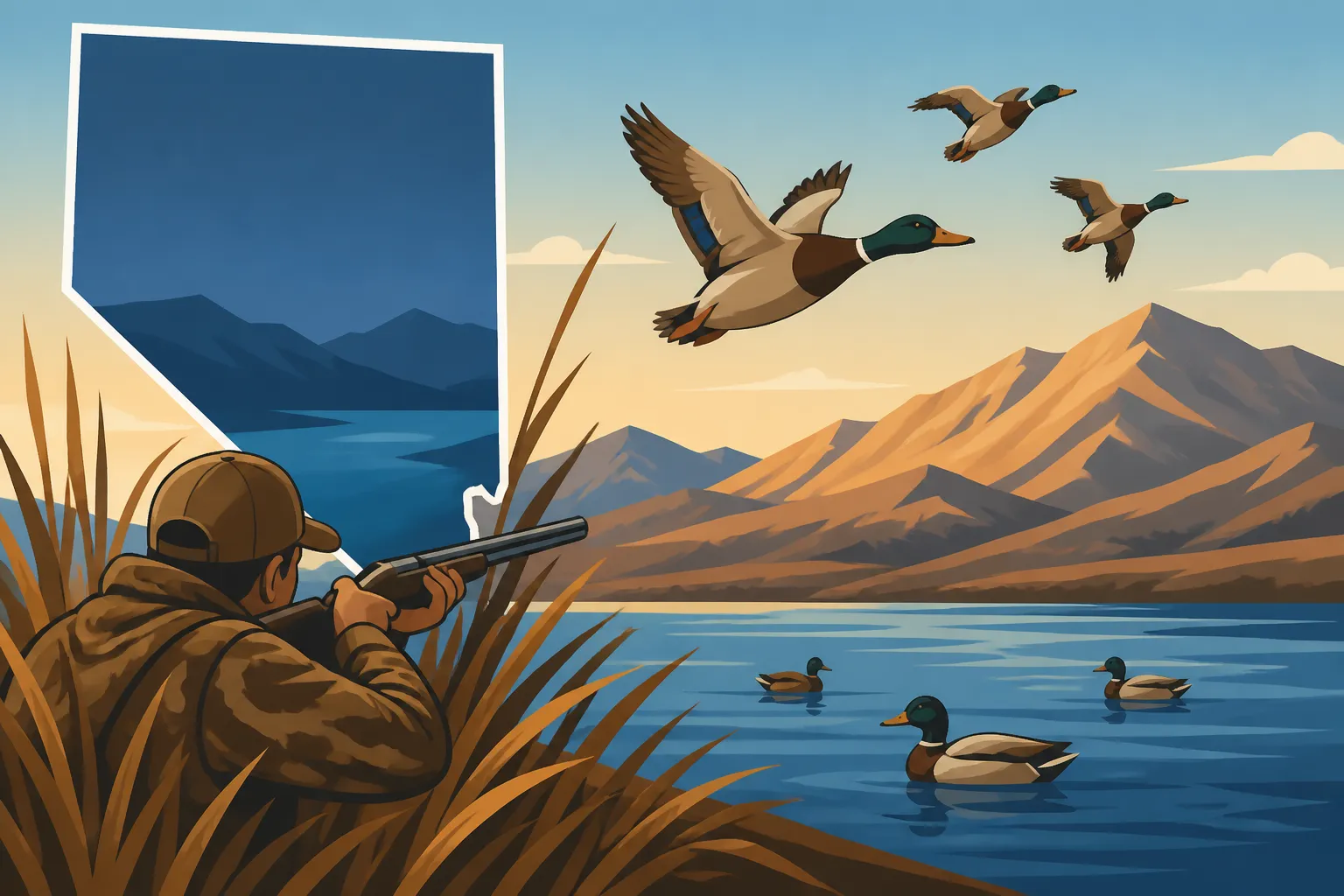
Hunting ducks on Nevada's vast, often stark reservoirs can feel like an impossible task for many hunters. These aren't your typical timber holes or flooded fields; they're immense, open bodies of water that challenge traditional waterfowl tactics. This guide aims to demystify reservoir duck hunting in Nevada, providing actionable strategies and insights to help you find success where the birds often seem to disappear.
Understanding Nevada's Reservoir Environment for Ducks
Nevada's reservoirs are truly unique, shaped by the arid landscape and designed primarily for water storage and flood control. This means they can be incredibly dynamic, presenting both challenges and opportunities for waterfowl hunters. You're often dealing with vast expanses of open water, fluctuating levels, and limited natural cover, which requires a different approach than hunting ducks in other regions.
The Nature of Nevada's Reservoirs
These are not small ponds. Think massive, open bodies of water like Lahontan Reservoir, Rye Patch, or the sprawling Lake Mead. The sheer scale can be daunting, and what looks like a good spot one day might be a barren mud flat the next due to rapidly changing water levels. Many of these reservoirs were built in river canyons or broad valleys, meaning they often have steep, rocky banks or wide, gently sloping mud flats that offer little in the way of natural cover.
The bottom structure can vary wildly, from deep channels to expansive shallow flats. Understanding the topography, even underwater, can be critical, as ducks often feed in shallower areas or rest on submerged points. This dynamic environment means that what worked last season, or even last week, might not hold true today, forcing hunters to constantly adapt and scout.
How Waterfowl Use Large Bodies of Water
Ducks, especially diving ducks like canvasbacks, redheads, and scaup, thrive on large bodies of water. These reservoirs offer them immense security from predators, vast areas for resting, and often abundant food sources like aquatic invertebrates and submerged vegetation. Puddle ducks, like mallards and pintails, will also use reservoirs, especially during periods of migration or when smaller, more traditional wetlands freeze over.
Birds will often raft up in massive numbers in the middle of these open waters, only moving to feed in shallower bays or along the edges during low light hours. They have a bird's-eye view of everything, making them incredibly wary of anything out of place. This behavior dictates that hunters must prioritize concealment, distance, and realistic decoy spreads to draw birds in from their secure open-water havens.
The Impact of Weather and Water Levels
Weather is a huge factor in reservoir hunting. Calm, sunny days can make birds almost impossible to decoy, as they have little reason to leave their large, secure rafts. Strong winds, however, can be your best friend. Wind creates chop on the water, breaking up reflections, making decoys appear more lifelike, and forcing birds to fly lower as they fight the gusts. It also pushes ducks closer to protected shorelines where they seek refuge from the rough water.
Water levels, as mentioned, are constantly in flux, especially on reservoirs managed for irrigation or power generation. A drop of just a few feet can expose hundreds of yards of mud flat, making access difficult and changing duck feeding patterns entirely. Conversely, rising water can flood new vegetation, creating temporary feeding grounds. Before you even think about setting foot on a reservoir, check current water levels and recent weather patterns. Tools like GoHunt can sometimes offer insights into historical water data or access points, but always confirm current conditions on the ground. Reading Water Sources Before an August Hunt can offer a good perspective on how water influences game, even for ducks.
Key Strategies for Reservoir Duck Hunting
Given the challenging nature of Nevada's reservoirs, successful duck hunting demands a thoughtful and adaptive strategy. Simply throwing out a few decoys and hoping for the best often leads to frustration. These tactics focus on understanding duck behavior in open water and leveraging the environment to your advantage.
Scouting for Success
On such large bodies of water, scouting isn't just helpful; it's absolutely non-negotiable. Driving around the reservoir, observing where birds are landing, feeding, and resting, is paramount. Pay attention to wind direction, sun position, and the areas ducks seem to favor under different conditions. Are they using a shallow point? Is there a particular cove they disappear into? What time of day are they most active?
Use binoculars and spotting scopes extensively from a distance to avoid spooking birds. Look for areas with submerged vegetation, shallow flats, or protected coves. Don't be afraid to use mapping applications like onX to identify potential access points, check public land boundaries, and mark likely duck hot spots. This E-Scouting before the season can be a game-changer, helping you narrow down vast areas. E-Scouting a Nevada Unit Before the Season provides great general tips that apply to ducks as well. Remember, ducks on these big waters are incredibly smart; if you don't do your homework, they'll make you pay for it.
Decoy Spreads for Open Water
When you're hunting open water, you often need a larger, more visible spread than you might use in smaller, confined areas. Think dozens, not just a few. A mixed spread of puddle ducks and divers can be effective, mimicking a natural raft. For diver ducks, a long line of decoys, often referred to as a "long line" or "stringer," can be very effective in attracting birds from a distance. Set these lines parallel to the shore, or in a "J" or "V" shape, with the open end facing the direction you expect birds to approach.
Motion decoys, even subtle ones like jerk cords or spinning-wing decoys (where legal), can add crucial realism to your spread on calm days. On windy days, the natural movement of your decoys is often enough. Place your kill hole, the area you want ducks to land, just downwind of your blind, leaving an open landing zone within easy shooting range. The goal is to make your spread look as natural and inviting as possible to weary birds flying over vast stretches of water.
Blinds and Concealment on Featureless Shores
This is often the trickiest part of reservoir hunting. With limited natural vegetation, creating effective concealment requires creativity and effort. Boat blinds are a popular and often necessary choice. These can be custom-built or pop-up blinds that attach to your boat, allowing you to blend into the shoreline or even float out in deeper water if conditions permit. Make sure your boat blind is adequately brushed in with local vegetation to match the surroundings.
If hunting from shore, look for any existing terrain features: a small rise, a cluster of rocks, or a patch of sparse brush. Digging a shallow pit blind can work on certain soft shorelines, but always respect public land regulations and be prepared to fill it back in. If you can’t find any natural cover, portable ground blinds or even simple burlap wrapped around stakes can provide enough concealment when properly camouflaged. Remember, ducks will be looking for anything out of place against the broad, open background of the water and sky. Using a Rim to Break Your Silhouette might seem like it applies more to big game, but the principle of breaking up your outline is just as vital for ducks.
Targeting Specific Species
Nevada's reservoirs host a variety of duck species, and understanding their habits can refine your strategy. You'll commonly encounter diving ducks like canvasbacks, redheads, scaup, and buffleheads, especially on deeper waters. These birds often feed on submerged vegetation and invertebrates, and they tend to raft up in large groups in the middle of the reservoir. To target them, you'll need large spreads of diver decoys and often a boat blind positioned where they are actively flying or feeding.
Puddle ducks, such as mallards, pintails, and wigeon, will often work shallower bays, mud flats, or the very edges of the reservoir where they can dabble for seeds and insects. For these species, you might use a spread of puddle duck decoys closer to shore, possibly even in conjunction with a diver spread further out. Waterfowl on Nevada's Desert Marshes offers a good overview of the types of birds you might encounter in different Nevada waterfowl habitats. Being adaptable and willing to adjust your spread and location based on the species you observe is key.
Essential Gear and Preparation
Hunting Nevada's reservoirs means being prepared for a unique set of challenges. The vastness of the water, the often remote locations, and the unpredictable weather demand specific gear and careful preparation to ensure a safe and successful hunt.
Watercraft Considerations
A reliable boat is almost a necessity for effectively hunting many of Nevada's larger reservoirs. Small jon boats, layout boats, or even larger duck boats with mud motors are common. Whatever you choose, it needs to be seaworthy enough to handle potentially rough water, especially on windy days. Reservoirs can become surprisingly choppy, and capsizing is a serious risk if your boat isn't up to the task or is overloaded.
Beyond the boat itself, consider all the associated gear: a reliable outboard motor, enough fuel (plus extra, always), oars or a trolling motor for backup, anchor(s) heavy enough to hold your boat in wind, and navigation equipment. Ensure all required safety gear is aboard, including life jackets for everyone, a whistle, lights for low light conditions, and a first-aid kit. Remember, help can be a long way off on these remote waters. Always consider Vehicle Prep for Remote Nevada Roads for getting to the launch, and the same mindset applies to your boat.
Decoy Selection and Rigging
As discussed, a larger spread is often beneficial. But it's not just about quantity; quality and proper rigging matter. Durable, realistic decoys that can withstand constant use and transport are worth the investment. Think about your decoy lines and weights. Heavy weights are crucial to keep your spread from drifting in strong winds. Use tangle-free decoy line that is easy to deploy and retrieve, especially in cold weather.
For ease of transport and quick deployment, consider mother lines for your diver spreads, or systems that allow you to rig multiple puddle duck decoys together. Having a few extra lines, weights, and repair kits on hand can save a hunt if something breaks. When you're dealing with extensive spreads, efficient rigging is crucial to maximize your hunting time and minimize frustration.
Weather-Appropriate Clothing and Safety Gear
Nevada's desert climate means significant temperature swings are common, even during hunting season. Cold mornings can turn into warm afternoons, but wind and moisture from the reservoir can make even mild temperatures feel frigid. Layering is key. Start with a good moisture-wicking base layer, add insulating layers like fleece or down, and top it off with a waterproof and windproof outer shell. Waders are non-negotiable for setting and retrieving decoys, and neoprene or insulated waders are often preferred for cold water.
Beyond clothing, safety gear extends to personal flotation devices (PFDs) for everyone in the boat, regardless of swimming ability. A reliable headlamp or flashlight is crucial for setting up in the dark. Carry plenty of water, snacks, and emergency supplies. A satellite messenger device can be a literal lifesaver in areas with no cell service, which is common around many remote Nevada reservoirs. Prepare for anything, because the Great Basin is notorious for its unexpected weather. Layering for Basin and Range Temperature Swings is a critical article for any Nevada hunter, and it applies strongly to reservoir duck hunters.
Species and Regulations on Nevada Reservoirs
Understanding what ducks you're likely to encounter and the specific rules that govern waterfowl hunting in Nevada is vital. Seasons, bag limits, and legal shooting hours are all designed to manage populations and ensure fair chase.
Common Duck Species on Nevada Reservoirs
While Nevada is known for its arid landscapes, the state's reservoirs and wetlands are crucial stops on the Pacific Flyway, attracting a diverse array of waterfowl. On the larger reservoirs, you'll commonly encounter various diving ducks. Canvasbacks are prized for their speed and size, often found in large rafts. Redheads and scaup (both greater and lesser) are also prevalent, often mingling in mixed flocks. Buffleheads and common goldeneyes are smaller but energetic divers that frequent these waters.
Puddle ducks will also utilize reservoirs, especially in shallower bays and protected coves. Mallards are, of course, a widespread favorite, offering excellent table fare and challenging flight. Gadwall, wigeon, and Northern shovelers can also be found, particularly where there is suitable vegetation. Understanding the flight patterns and feeding habits of these species will help you adjust your decoy spread and calling techniques.
| Species Group | Common Reservoir Species | Typical Habitat Use | Notes for Hunters |
|---|---|---|---|
| Diving Ducks | Canvasback, Redhead, Scaup (Greater & Lesser), Bufflehead, Common Goldeneye | Open water, deeper sections, submerged vegetation | Often raft far out, decoy in large spreads, fast flyers. |
| Puddle Ducks | Mallard, Gadwall, Wigeon, Northern Shoveler | Shallower bays, protected coves, mud flats, emergent vegetation | Dabble for food, respond well to calling, often work closer to shore. |
Bag Limits and Legal Shooting Hours
Nevada's waterfowl seasons and bag limits are set annually, often in conjunction with federal guidelines for migratory birds. It is absolutely imperative that you check the current year's Nevada Department of Wildlife (NDOW) regulations booklet before heading afield. These regulations can change based on population surveys and environmental conditions. Bag limits vary by species and can be restrictive for certain sought-after ducks like canvasbacks or pintails. Exceeding a bag limit, or misidentifying a protected species, can result in significant penalties.
Legal shooting hours for waterfowl typically begin one-half hour before sunrise and extend to sunset. Precisely knowing sunrise and sunset times for your specific location on your hunting day is crucial. Many hunters use smartphone apps or pre-printed tables for this. Setting up your decoys and blind in the dark is part of the tradition, but remember that actual shooting must adhere to these strict timeframes. While Nevada Legal Shooting Hours for Big Game gives a general idea, waterfowl rules are specific and separate.
Understanding Nevada Waterfowl Season Framework
The overall waterfowl season framework in Nevada is complex, often broken down into different zones and periods for various species groups. There might be early seasons, main seasons, and late seasons, with different bag limits for specific ducks or geese. It's not uncommon for puddle duck seasons to run for a longer stretch than those for certain diving ducks, or for specific areas to have different opener or closure dates.
The NDOW regulations document is your ultimate authority. It will detail the specific units or zones for waterfowl hunting, which often differ from the big game units. Pay close attention to any special provisions for youth hunts, veteran opportunities, or specific refuge regulations that might apply to portions of reservoirs. Knowing the Nevada Waterfowl Season Framework is critical for planning your hunts and ensures you are always operating within legal parameters. Additionally, understanding How Nevada Sets Its Season Framework can give you a deeper appreciation for the wildlife management behind these regulations.
Disclaimer
This article is for general informational purposes only and does not constitute professional advice. Laws, prices and regulations vary by location and change over time. Consult a qualified professional for guidance on your specific situation.