Cheatgrass and What It Did to Nevada Range
If you've spent any time hunting or simply exploring Nevada's vast public lands, you've likely encountered it: that seemingly innocuous, fine-stemmed grass that greens up early and dries out by mid-summer. What you might not realize is that this plant, cheatgrass, isn't just an annoying weed; it's an ecological catastrophe transforming our hunting grounds and threatening the very wildlife we cherish. This guide dives deep into the profound impact cheatgrass has had on Nevada's range, explaining why it's such a persistent problem and what it means for the future of hunting in the Silver State.
What Exactly is Cheatgrass and Why is it a Problem?
Cheatgrass, scientifically known as Bromus tectorum, is a master of survival and an aggressive invader. It didn't always dominate the landscape, but its proliferation has dramatically altered the delicate balance of our western ecosystems, particularly here in Nevada. Understanding its characteristics is key to grasping the magnitude of the challenge it presents.
The Invasive Nature of Cheatgrass
Imagine a plant that can sprout earlier than almost anything else, soak up all the available moisture, and then produce thousands of seeds before other native plants even get a good start. That's cheatgrass in a nutshell. It's an annual grass, meaning it completes its entire life cycle in one year. Its seeds germinate in the fall or very early spring, allowing it to establish a strong root system before the slower-growing native perennials like sagebrush, bitterbrush, and various perennial bunchgrasses have a chance. These native species are built for drought and long-term survival, but they can't compete with cheatgrass's rapid takeover strategy.
This aggressive colonization leads to monocultures, vast stretches of land where cheatgrass is virtually the only plant. Where once there was a diverse tapestry of grasses, forbs, and shrubs providing varied forage and cover, now there's just a uniform carpet of cheatgrass. This fundamentally changes the nutritional landscape for wildlife, as its shallow roots mean it offers little structural benefit to the soil, and its quick dry-down offers limited nutritional value for most of the year.
The Fire Cycle Reinforcement
Perhaps the most devastating impact of cheatgrass is its role in altering natural fire regimes. Native sagebrush ecosystems, which are the backbone of much of Nevada's wildlife habitat, evolved with relatively infrequent, low-intensity fires. Sagebrush itself isn't fire-adapted; a hot fire will kill it outright, and it can take decades, even centuries, for it to recover.
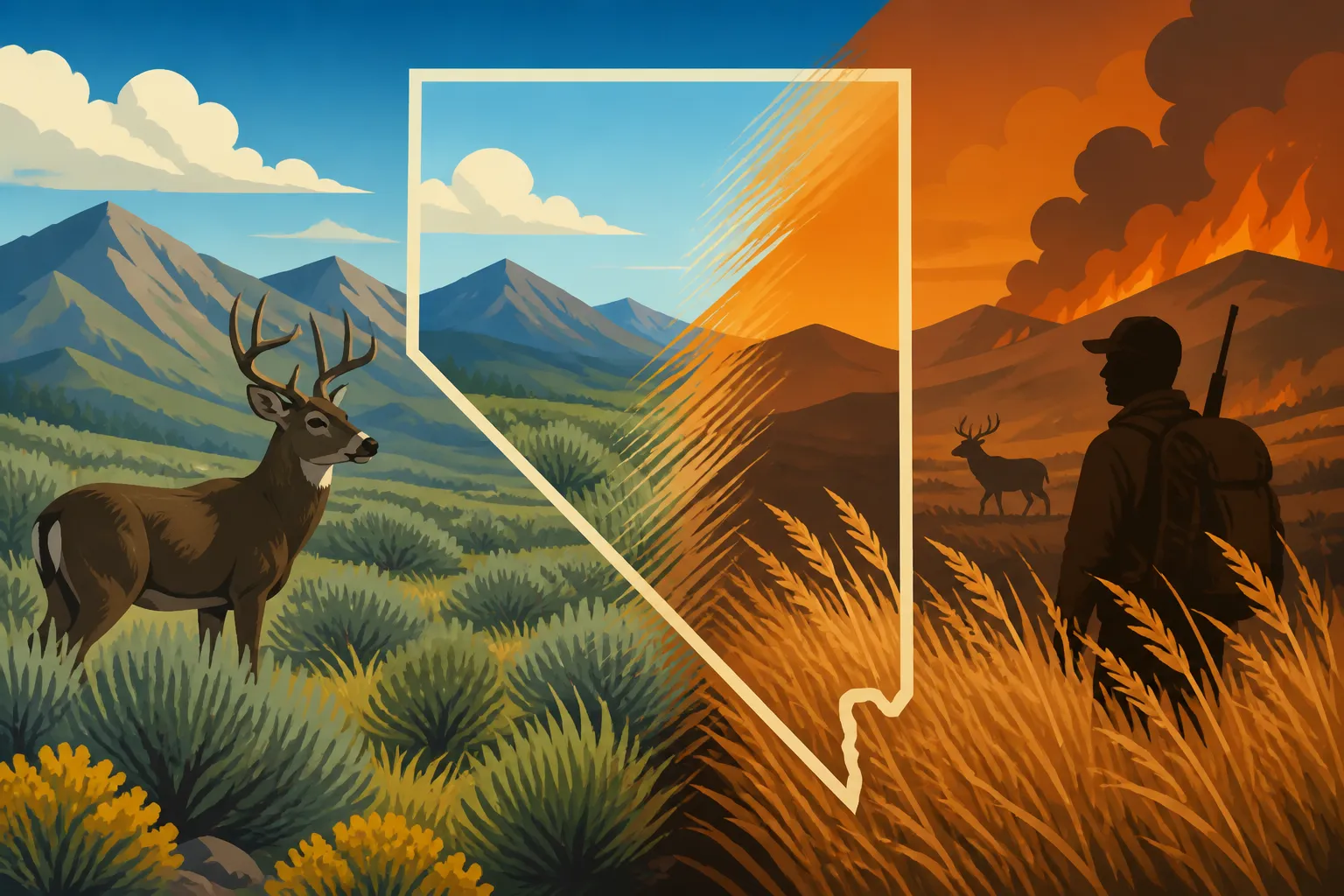
Cheatgrass turns this on its head. Because it grows densely and dries out so quickly, usually by late spring or early summer, it creates a continuous, highly flammable fuel bed across vast landscapes. This means fires start more easily, spread faster, and burn hotter than they would in a healthy native ecosystem. Instead of a natural fire interval of 30-100 years, cheatgrass-dominated areas can burn every 3-5 years. Each time a fire rips through, it kills off more native plants, but cheatgrass thrives. Its seeds are often fire-resistant or germinate quickly in the post-fire landscape, reinforcing its dominance and setting the stage for the next blaze. This creates a vicious cycle that is incredibly difficult to break, turning what were once vibrant, diverse habitats into scorched, cheatgrass-choked expanses.
How Cheatgrass Devastates Nevada's Wildlife Habitat
For hunters, the direct impact of cheatgrass on game species is heartbreaking. It's not just an aesthetic problem; it's a fundamental degradation of the resources our deer, elk, antelope, and upland birds need to survive and thrive. When you're out glassing those vast basins, a good mapping tool like the ones from GoHunt can help you pick out areas that might still hold pockets of native forage, but it's a struggle.
Impact on Forage for Big Game
Mule deer, elk, bighorn sheep, and pronghorn rely on a diverse diet of native grasses, forbs, and browse. These plants offer consistent nutrition throughout the year, from protein-rich new growth in spring to woody browse in winter. Cheatgrass, however, offers a very limited window of nutritional value. It greens up early, providing a brief burst of palatable forage. But almost as quickly as it emerges, it dries out, usually by June, turning into a straw-like thatch that is low in protein and digestibility.
This early dry-down means that for much of the crucial summer and fall, when big game animals are trying to put on weight for the rut and the coming winter, the landscape offers very little high-quality feed. In areas heavily infested with cheatgrass, animals literally starve on what looks like an abundance of grass. This affects fawn and calf survival, antler growth, and overall herd health. Winter ranges, in particular, are severely impacted, as cheatgrass offers none of the crucial woody browse that sustains deer and elk when snow covers other forage. Mule Deer Are the Reason Most Hunters Apply in Nevada, and their health is directly tied to the health of the sagebrush ecosystem.
Threats to Upland Game Birds
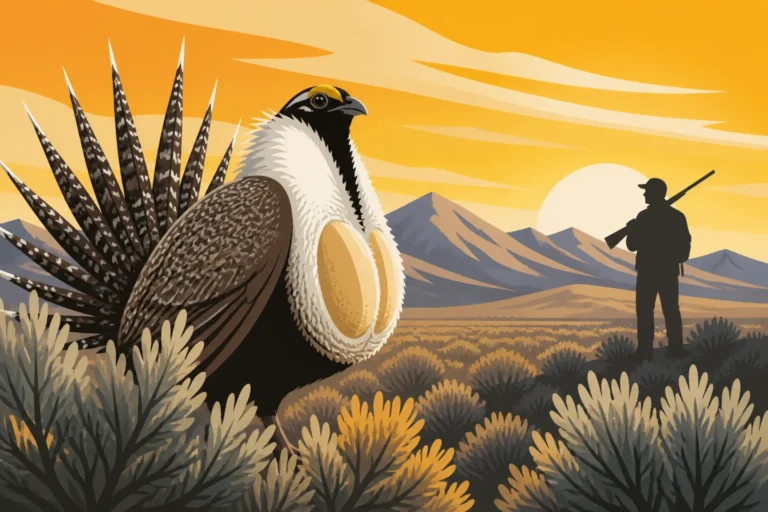
Upland birds like sage grouse, chukar, and even quail are particularly vulnerable to cheatgrass. Sage grouse, in particular, are inextricably linked to sagebrush. They need dense sagebrush for nesting cover, protection from predators, and year-round food. When cheatgrass-fueled fires destroy sagebrush, sage grouse lose their homes, their hiding spots, and their primary food source. The subsequent cheatgrass monocultures offer no suitable nesting cover, leaving nests exposed to predators, and the lack of native forbs means fewer insects, which are critical protein for growing chicks.
For chukar, while they can sometimes utilize cheatgrass seed, the overall degradation of the habitat, especially the increased fire risk that removes crucial rock outcroppings and perennial grass cover, takes its toll. The sheer scale of habitat loss due to the cheatgrass-fire cycle is one of the biggest challenges facing upland bird populations in Nevada, often forcing hunters to adapt their strategies to Why Nevada Deer Hunting Is a Glassing Game to find the remaining pockets of healthy range.
The Economic and Ecological Costs of Cheatgrass
The impact of cheatgrass isn't just felt by wildlife; it has far-reaching consequences for ranchers, land managers, and the broader ecological health of Nevada. The costs, both financial and environmental, are staggering and continue to mount.
Ranching and Livestock Implications
Ranchers are on the front lines of the cheatgrass invasion. Healthy rangelands with native perennial grasses can support livestock grazing for extended periods, providing consistent, nutritious forage. Cheatgrass, with its rapid dry-down and low nutritional value for most of the year, drastically reduces the carrying capacity of grazing lands. This means ranchers either have to reduce their herd sizes, purchase supplemental feed, or rotate pastures more frequently, all of which cut into their bottom line.
Beyond forage quality, cheatgrass poses direct health risks to livestock. As the plant dries, its sharp, barbed awns (the bristle-like attachments on the seeds) can embed themselves in the eyes, mouths, and hooves of cattle and sheep, causing pain, infections, and even blindness. This can lead to significant veterinarian bills and reduced animal health and productivity. The constant threat of wildfire in cheatgrass-dominated areas also puts ranch infrastructure, like fences and outbuildings, at high risk, adding another layer of economic burden.
Restoration Challenges and Costs
The scale of cheatgrass infestation across Nevada and the Great Basin is immense, making restoration one of the most daunting ecological challenges of our time. There's no single silver bullet, and efforts are typically complex, expensive, and require a long-term commitment. Common strategies include targeted herbicide applications to suppress cheatgrass, prescribed fire (used very carefully to reduce cheatgrass seed loads without harming remaining native plants), and extensive reseeding efforts with native perennial grasses, forbs, and sagebrush.
However, even with these efforts, success is not guaranteed. Native seeds are expensive, establishing them in harsh desert environments is difficult, and the perennial nature of cheatgrass's fire cycle means that a restored area can quickly revert if not continuously managed. The cost of these efforts can run into hundreds or even thousands of dollars per acre, making large-scale restoration economically prohibitive for vast areas. Furthermore, the ecological services that healthy sagebrush ecosystems provide—like water retention, soil stability, and biodiversity—are incredibly difficult and slow to restore once lost. It underscores why protecting intact sagebrush habitat is so critical, as seen in efforts to protect Sage Grouse and Nevada's Sagebrush Sea.
What Hunters Can Do and How to Stay Informed
As hunters, we have a vested interest in healthy landscapes. While the cheatgrass problem can feel overwhelming, there are tangible ways to contribute to solutions and adapt our hunting strategies to these changing conditions. Staying informed and supporting conservation efforts is more important than ever.
Supporting Conservation Efforts
One of the most impactful things hunters can do is to become advocates for and participants in habitat restoration. Many local and state conservation organizations, often partnered with government agencies, lead volunteer efforts for things like sagebrush planting, fence removal, and invasive species control. Contributing your time or financial resources to these groups directly aids in efforts to combat cheatgrass and restore native habitats. Organizations like the Mule Deer Foundation, Rocky Mountain Elk Foundation, and local sportsmen's groups are actively involved in these projects.
Additionally, understanding the policy and science behind rangeland management is crucial. Attend public meetings, read reports from NDOW and the BLM, and make your voice heard when land management plans are being developed. Responsible land management and smart wildfire prevention strategies are key to mitigating the spread of cheatgrass and protecting the remaining intact habitats. Understanding How Wildfire Changes Sagebrush Habitat can provide important context for these discussions.
Using Tools to Plan Your Hunt in Degraded Areas
For planning your actual hunt, adapting to cheatgrass-dominated landscapes means being smarter about where you focus your efforts. Satellite imagery and mapping tools have become indispensable. Platforms like GoHunt allow you to zoom in and analyze terrain before you ever set foot on it. When e-scouting, look for areas that show denser, healthier-looking sagebrush stands or perennial grass cover that holds green longer into the season. Cheatgrass often presents as a uniform, early-browning carpet, especially noticeable on historical imagery where you can see the progression of vegetation.
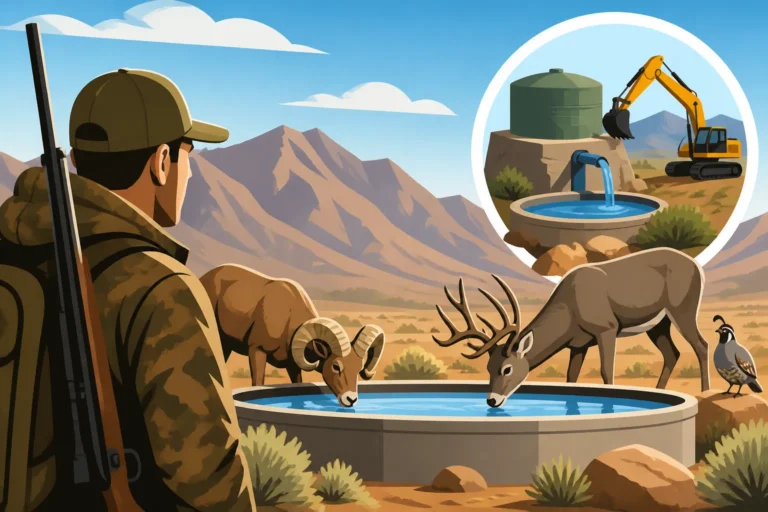
Identifying remaining pockets of native vegetation, especially in higher elevations or north-facing slopes that retain moisture longer, can be critical for locating game. Game animals will concentrate in these areas for better forage and cover. Similarly, understanding the importance of Hunting Water in Nevada's Driest Country becomes even more paramount in cheatgrass-dominated landscapes, as these areas tend to dry out quickly, making water sources natural focal points for wildlife. When Reading a Nevada Hunt Unit Before You Apply, pay close attention to the habitat descriptions and consider cross-referencing with online maps to gauge the extent of cheatgrass presence. Utilizing tools like GoHunt's mapping overlays for vegetation types, historic fire perimeters, and land ownership can give you a significant advantage in identifying areas less impacted by cheatgrass, or conversely, helping you pinpoint crucial water sources that will draw animals to degraded areas.
| Feature | Native Perennial Rangeland | Cheatgrass-Dominated Rangeland |
|---|---|---|
| Vegetation Type | Diverse grasses, forbs, shrubs (e.g., sagebrush) | Monoculture of annual cheatgrass |
| Root System | Deep, extensive | Shallow, fibrous |
| Green-up/Dry-down | Longer green period, varied drying | Early green-up, rapid dry-down |
| Forage Quality | High, sustained nutrition | Brief high, then low nutrition |
| Fire Regime | Infrequent, low intensity | Frequent, high intensity |
| Wildlife Cover | Excellent, year-round | Poor, temporary |
| Soil Stability | High | Low, prone to erosion |
| Restoration Cost | Minimal (maintenance) | Very high, complex |
Disclaimer
This article is for general informational purposes only and does not constitute professional advice. Laws, prices and regulations vary by location and change over time. Consult a qualified professional for guidance on your specific situation.