Transplant Programs That Rebuilt Nevada Herds
For many of us who hunt Nevada, the idea of robust big game herds feels like a given, a natural part of the landscape. But it wasn't always this way. Decades ago, many of our iconic species faced severe declines, sometimes to the point of local extirpation. This guide dives deep into the incredible, often unsung, story of how strategic transplant programs literally rebuilt Nevada's game herds, giving us the hunting opportunities we cherish today.
The Historical Shadows: Why Nevada's Herds Dwindled
It's easy to look out across Nevada's vast sagebrush seas and think that big game have always thrived here. However, for centuries, a combination of factors led to significant declines in many of our beloved species. Understanding these historical pressures helps us appreciate the monumental efforts undertaken to bring them back. It wasn't just one thing; it was a perfect storm of environmental shifts, human impact, and a lack of scientific understanding that pushed these populations to the brink.
Overhunting and Unregulated Harvest
In the early days of settlement, hunting was often a matter of survival, and market hunting was a common practice. There were few, if any, regulations in place to limit harvest, seasons, or bag limits. Game was often seen as an inexhaustible resource. Entire herds of deer and elk were decimated to feed growing populations and supply markets with meat, hides, and other products. This relentless pressure, particularly on animals that congregated in predictable areas, rapidly depleted once-abundant populations. Without modern wildlife management, there was no mechanism to monitor populations or implement sustainable harvest practices, leading to a "boom and bust" cycle that eventually resulted in severe busts for many species.
Even into the 20th century, before modern wildlife agencies were fully established and empowered, localized hunting pressure, combined with burgeoning human populations, kept many species from recovering naturally. It took a significant shift in public perception and legislative action to begin controlling hunting and allocate resources for wildlife conservation. This era was a harsh lesson in the consequences of unchecked exploitation, setting the stage for the desperate need for intervention.
Habitat Loss and Degradation
As Nevada grew, so did the pressures on its wild lands. Mining operations, burgeoning ranching, and agricultural expansion converted critical winter ranges, fawning grounds, and migration corridors into human-dominated landscapes. While Nevada is vast, key habitats are often concentrated, making them particularly vulnerable. For example, riparian areas, which are vital water sources and lush forage in an arid state, were often the first to be impacted by human development and grazing.
The introduction of non-native plant species, such as cheatgrass, also played a significant role in habitat degradation. Cheatgrass, a highly invasive annual, outcompetes native forage, drastically alters fire regimes, and reduces the nutritional value of rangelands for deer, elk, and bighorn sheep. Cheatgrass and What It Did to Nevada Range is a critical piece of that puzzle. These changes meant that even if hunting pressure was reduced, the land itself could no longer support the large herds of the past. The quality and connectivity of remaining habitats became fragmented, isolating populations and making natural recovery incredibly difficult.
Disease and Natural Limiting Factors
Beyond human-induced pressures, natural factors also played a role in the decline of some species. Disease outbreaks, often exacerbated by stressed or fragmented populations, could sweep through herds, causing significant mortality. For instance, bighorn sheep are particularly susceptible to pneumonia, which can be devastating to a herd, sometimes wiping out large percentages of adults and lambs. Bighorn Disease Die-Offs Explained dives deeper into this complex issue.
Predation, while a natural part of any ecosystem, can also become a significant limiting factor for struggling populations, especially when combined with other pressures. When habitat is poor, and herds are small, even natural levels of predation can hinder recovery. Compounded by severe winters, droughts, or other environmental catastrophes, these factors meant that some species simply couldn't bounce back on their own, even with reduced hunting. The resilience of these species was tested to its limits, necessitating a more active approach to conservation.
Bringing Them Back: The Art and Science of Wildlife Transplants
When natural recovery wasn't happening fast enough, or at all, wildlife managers in Nevada turned to a more direct and proactive solution: wildlife transplant programs. These programs are far from simple; they represent a blend of art, science, and sheer logistical determination to move wild animals from areas where they are thriving to areas where they once roamed or where new populations are desired. It's a testament to long-term vision and commitment.
The Capture and Relocation Process
The process of transplanting wild animals is incredibly complex and requires careful planning and execution to minimize stress and maximize success. It typically begins with identifying a robust source population that can spare individuals without negatively impacting its own health. Once a source is found, the animals need to be safely captured. For bighorn sheep and elk, this often involves aerial darting from helicopters, where skilled veterinarians and biologists use tranquilizers to immobilize animals, or specialized net-guns to capture them. For species like mule deer, box traps or drop nets might be used.
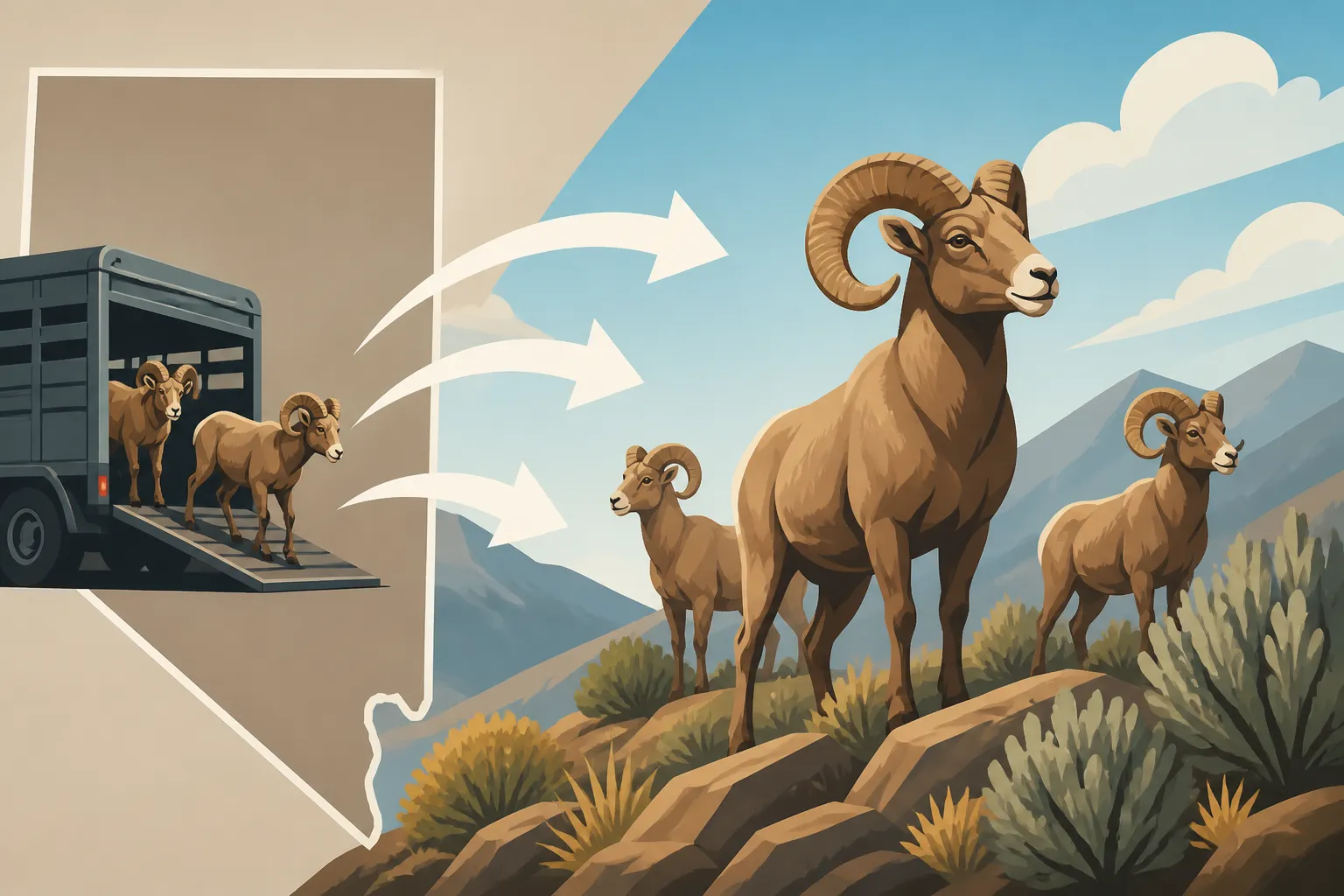
Once tranquilized or captured, the animals are carefully examined, given health checks, and often fitted with GPS collars for post-release monitoring. They are then transported, usually by specialized trailers or even helicopters in remote terrain, to their new release sites. The journey is meticulously planned to be as short and stress-free as possible, ensuring the animals arrive in good condition. Every step, from the dosage of tranquilizer to the temperature inside the transport vehicle, is precisely managed to give these animals the best chance at adapting to their new home. This hands-on approach is often the only way to establish new populations in suitable but empty habitats.
Post-Release Monitoring and Habitat Assessment
The work doesn't stop once the animals are released. In fact, that's often when the most critical phase of understanding begins. Post-release monitoring is essential to gauge the success of a transplant program. The GPS collars fitted to many of the animals allow biologists to track their movements, dispersal patterns, and survival rates. This data provides invaluable insights into how well the animals are adapting to their new environment, whether they are finding adequate food and water, and if they are reproducing successfully.
Habitat assessment is a continuous part of this process, both before and after a transplant. Before a release, extensive surveys are conducted to ensure the chosen area has suitable forage, water sources, and cover, and that there are no overwhelming threats, such as disease or high predation pressure. After release, biologists continue to monitor habitat conditions, observing how the newly established herd interacts with its surroundings. This long-term commitment to data collection and analysis helps refine future transplant efforts and overall herd management strategies. It also highlights the importance of ongoing habitat protection and restoration, as Water Development Projects Built for Wildlife often play a crucial role in ensuring transplanted herds have what they need to thrive.
Funding and Collaborative Efforts
Wildlife transplant programs are expensive, labor-intensive undertakings. They require significant funding for equipment, personnel, veterinary care, and ongoing research. Much of this funding comes from hunting license sales and federal excise taxes on hunting equipment through programs like the Pittman-Robertson Act. Hunters, through their participation and fees, directly contribute to these conservation successes, embodying the "North American Model of Wildlife Conservation" where hunters are the primary funders of wildlife.
Beyond funding, these programs are highly collaborative. State wildlife agencies, like the Nevada Department of Wildlife (NDOW), work closely with federal agencies such as the Bureau of Land Management (BLM) and the U.S. Forest Service, which manage vast tracts of public land in Nevada. Universities provide scientific expertise and research, while private conservation groups, like the Wild Sheep Foundation or Rocky Mountain Elk Foundation, often contribute significant financial and volunteer support. This multi-faceted cooperation is vital, as successful transplants often require navigating complex land ownership, securing permits, and rallying diverse stakeholders around a shared conservation goal. Understanding this intricate web of support can offer insights into the health of various herds when using scouting tools like GoHunt, which often incorporates public land data.
Success Stories: How Key Species Flourished Again
Nevada's transplant programs have yielded remarkable success stories, transforming landscapes and re-establishing vibrant populations of big game animals. These efforts have directly led to the diverse hunting opportunities we see today, allowing hunters to pursue species that were once rare or entirely absent from certain regions. The dedication to these programs underscores a fundamental commitment to wildlife.
The Return of the Elk
Perhaps one of Nevada's most celebrated conservation achievements is the re-establishment of healthy elk herds. Historically, elk were present in Nevada, but they were largely extirpated by the early 20th century due to overhunting and habitat loss. The idea of Nevada Elk Herds Grew From Nothing Into a Trophy Draw seemed almost impossible. However, beginning in the mid-1930s and continuing through several decades, NDOW initiated a series of elk transplant programs, bringing animals from states like Wyoming, Utah, and Oregon to various mountain ranges across Nevada.
These early releases faced challenges, but persistence paid off. Over time, these small foundational herds adapted and began to grow. Today, Nevada boasts thriving elk populations across many of its mountain ranges, supporting limited but highly coveted hunting opportunities. The success of these programs transformed Nevada from a state with virtually no elk into one recognized for its trophy potential, with units like Unit 162 and others consistently producing impressive bulls. These transplanted herds are a living legacy of dedicated conservation, demonstrating that with strategic intervention, lost populations can indeed be restored.
Mule Deer Restoration Efforts
While mule deer never completely disappeared from Nevada, their populations faced significant declines in many areas, particularly during the mid-20th century. Habitat degradation, drought, and historical overharvest reduced numbers, making hunting opportunities scarce in many units. Transplant efforts for mule deer have often focused on supplementing existing, struggling populations or establishing new ones in suitable but underpopulated areas.
These programs, though perhaps less dramatic than the reintroduction of an entirely absent species like elk, have been crucial in ensuring the health and genetic diversity of Nevada's deer herds. By introducing new genetics and bolstering numbers in key regions, transplant efforts have contributed to the resilience and expansion of mule deer across the state. Understanding Mule Deer Population Trends Across the Great Basin reveals that these efforts, combined with habitat management, are an ongoing process to sustain one of Nevada's most iconic big game animals. For hunters researching units, GoHunt can provide valuable data on historical deer harvest and population estimates, which indirectly reflects the long-term success of these management strategies.
Bighorn Sheep Reintroductions
Nevada is unique in that it is home to Nevada Holds All Three Bighorn Subspecies: Desert, California, and Rocky Mountain bighorn. However, like many Western states, bighorn populations faced severe declines in the past, primarily due to disease transmitted from domestic sheep, habitat loss, and unregulated hunting. The effort to bring these magnificent animals back has been one of the most intensive and rewarding conservation stories in the state.
Transplant programs for bighorn sheep have been ongoing for decades, moving animals between suitable mountain ranges within Nevada and sometimes from other states to establish new herds or bolster existing ones. These efforts are particularly challenging due to the bighorn's susceptibility to disease and their specific habitat requirements. Each transplant is a high-stakes operation, carefully planned to maximize the chances of survival and reproduction. Today, thanks to these tireless efforts, bighorn sheep populations are recovering across many of Nevada's rugged mountain ranges, offering hunters a chance at a true once-in-a-lifetime tag. The dedication to Nevada Bighorn Transplant Programs is a shining example of targeted conservation leading to profound success.
The Ongoing Importance of Habitat and Management
While transplant programs are undeniably powerful tools for wildlife recovery, they are rarely a standalone solution. The long-term health and sustainability of Nevada's game herds depend heavily on continuous habitat management and sound biological principles. Simply moving animals won't solve underlying issues if the habitat they are released into cannot support them or if future threats are not addressed. It's a holistic approach, where transplants are one vital piece of a much larger puzzle.
Protecting and Enhancing Critical Habitat
The foundation of any healthy wildlife population is robust and resilient habitat. This means protecting existing critical areas, such as winter ranges, fawning grounds, and migration corridors, from development and degradation. It also involves active habitat enhancement projects. These can include prescribed burns to rejuvenate forage, removing invasive species like cheatgrass to allow native plants to flourish, or developing new water sources. Hunting Water in Nevada's Driest Country is a clear example of how critical these projects are, especially for species in arid environments.
Beyond large-scale projects, even seemingly small efforts, like improving riparian areas or managing grazing practices on public lands, can have significant positive impacts on wildlife. Consistent, science-based land management, often informed by data collected on transplanted animals, ensures that the gains made through relocation efforts are not lost to environmental decline. Conservation organizations, government agencies, and even private landowners play a crucial role in these ongoing habitat stewardship efforts, which benefit not just big game but countless other species.
Adaptive Management and Research
Wildlife management is not static; it's a dynamic field that continuously adapts to new challenges and information. Biologists constantly monitor herd health, population dynamics, and habitat conditions. This involves techniques like aerial surveys to count animals, body condition assessments, and disease monitoring. For instance, How Chronic Wasting Disease Testing Works is an increasingly important part of safeguarding herd health, ensuring that devastating diseases don't undermine years of conservation work.
Research plays a vital role in informing these adaptive management strategies. Studies on animal movements, reproductive success, predator-prey dynamics, and the impacts of climate change provide the scientific basis for management decisions. This ongoing research helps refine hunting seasons, tag quotas, and future transplant strategies, ensuring that populations remain healthy and sustainable for future generations. For hunters, platforms like GoHunt that aggregate state agency data can offer insights into current population trends and harvest statistics, allowing them to make informed decisions about where to apply for tags. This fusion of historical knowledge and modern data is what allows for truly effective conservation.
The Role of Hunters in Ongoing Conservation
Hunters have historically been, and continue to be, the primary funders of wildlife conservation in the United States, and Nevada is no exception. Through the purchase of hunting licenses, tags, and excise taxes on firearms and ammunition, hunters contribute billions of dollars annually to wildlife management. This funding directly supports transplant programs, habitat restoration, law enforcement, and research. Without this dedicated funding source, many of the successes outlined above would simply not have been possible.
Beyond financial contributions, hunters are also advocates for wildlife and often serve as eyes and ears on the ground, reporting observations that help inform wildlife managers. Their passion for the outdoors and commitment to ethical hunting practices are integral to the ongoing health of Nevada's game herds. Being an informed hunter means understanding the deep history of conservation, including the challenges and triumphs of transplant programs, and continuing to support these efforts for the benefit of all wildlife.
| Species | Historical Status (Early 20th C.) | Key Transplant Origin States | Current Status in Nevada |
|---|---|---|---|
| Elk | Largely Extirpated | WY, UT, OR | Thriving, Trophy Potential |
| Mule Deer | Significant Decline | Various (intra-state) | Recovering, Widespread |
| Desert Bighorn | Heavily Depleted | AZ, CA, NV (intra-state) | Recovering, Expanding |
| California Bighorn | Heavily Depleted | CA, OR, NV (intra-state) | Recovering, Strongholds |
| Rocky Mtn. Bighorn | Heavily Depleted | ID, MT, UT | Recovering, Localized |
Disclaimer
This article is for general informational purposes only and does not constitute professional advice. Laws, prices and regulations vary by location and change over time. Consult a qualified professional for guidance on your specific situation.