How Elk Herds Recover After a Burn
Nevada elk herds recovering after wildfires, detailing habitat changes, initial displacement, and long term forage growth.
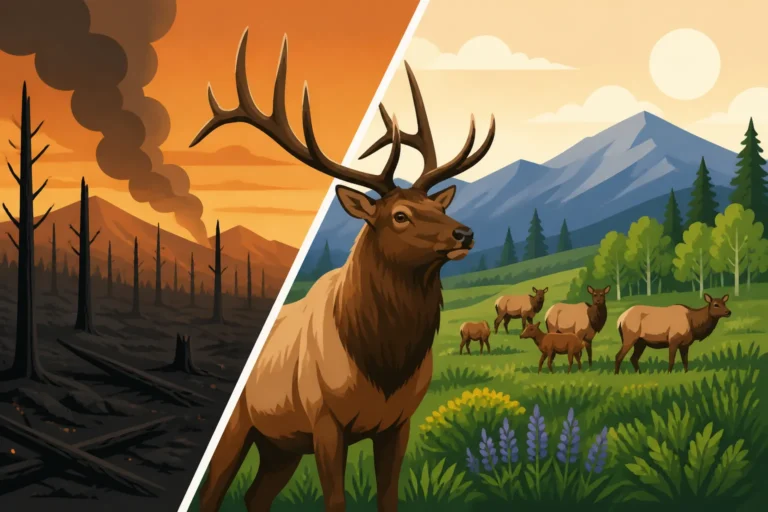
Nevada elk herds recovering after wildfires, detailing habitat changes, initial displacement, and long term forage growth.
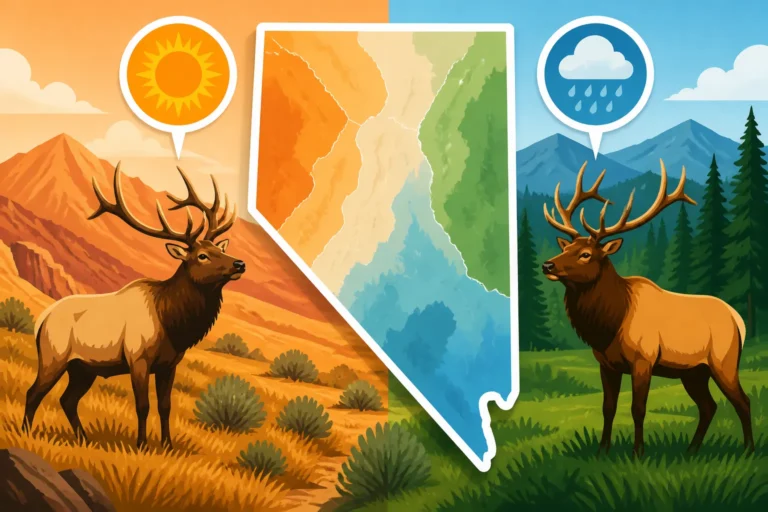
Elk numbers across Nevada mountain ranges vary widely due to water availability, habitat quality, forage, and climate stressors.
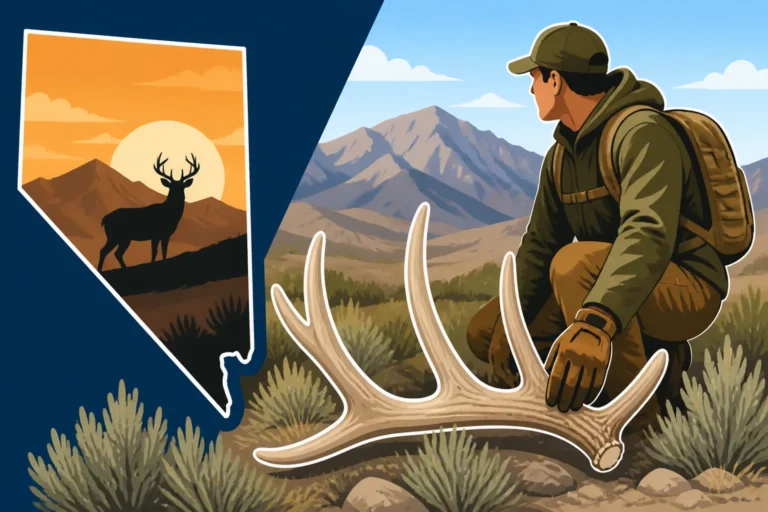
Nevada shed antler gathering rules, including the January to April seasonal closure and legal collection dates starting May first.
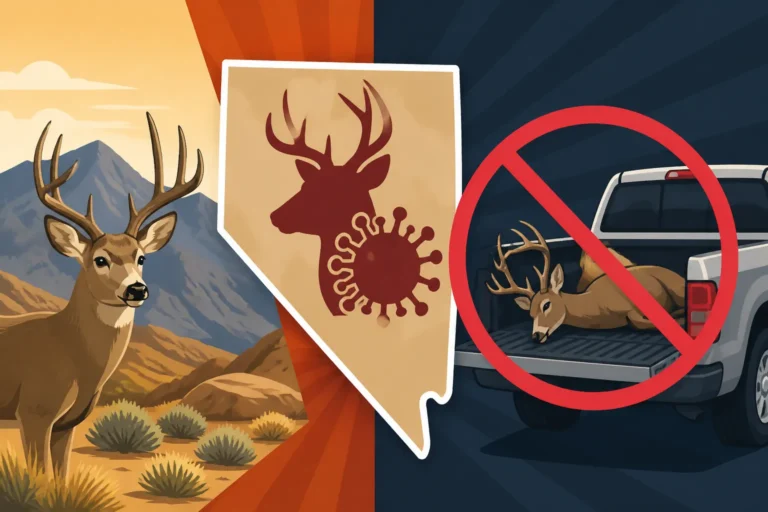
Nevada carcass transport regulations detail what hunters must do with harvested deer and elk after Chronic Wasting Disease detections.
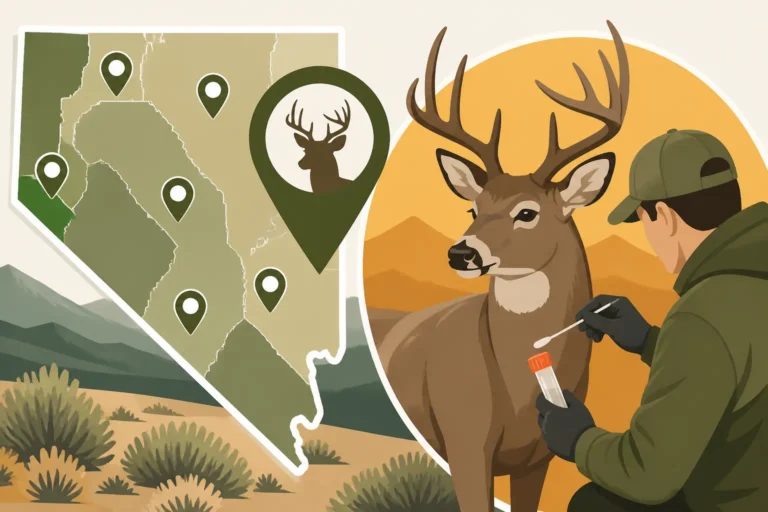
Nevada Department of Wildlife regional offices, freezer barrels, and seasonal check stations serve as Chronic Wasting Disease sample drop-off locations.
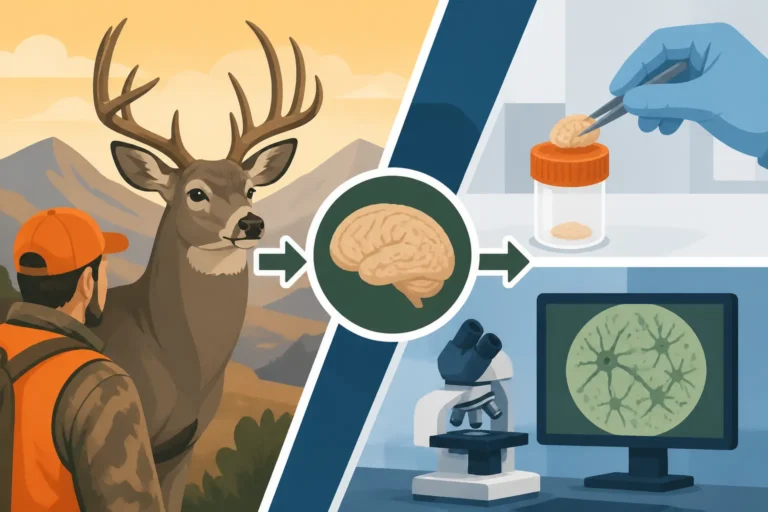
Chronic Wasting Disease testing processes in Nevada, including sample collection methods and what results mean for hunters.
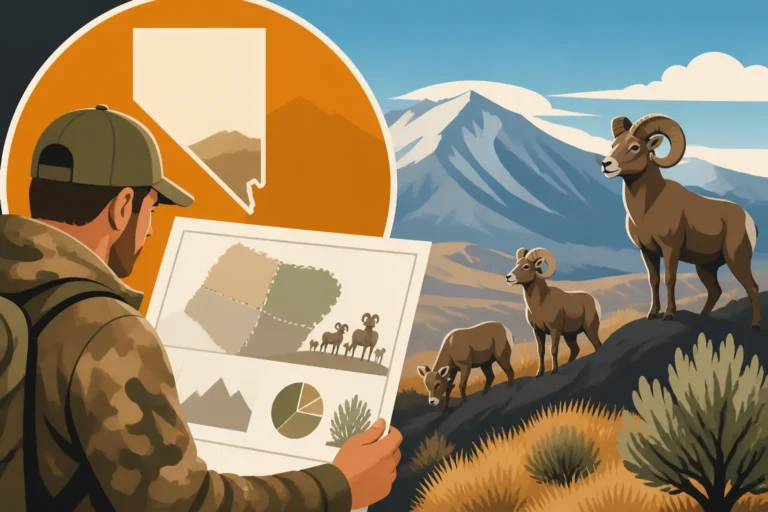
Nevada wildlife agencies develop herd management plans to balance big game populations, guiding tag quotas and hunter decisions.
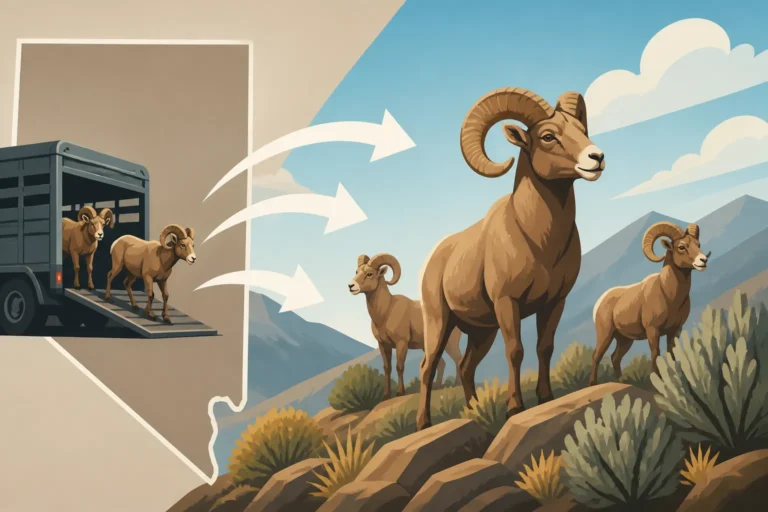
Strategic transplant programs rebuilt Nevada big game herds after decades of severe species declines from overhunting, habitat loss, and disease.
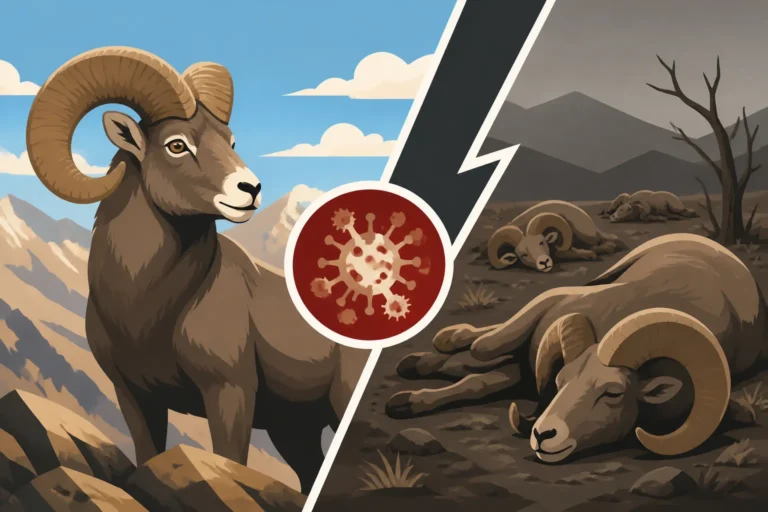
Nevada bighorn disease die-offs explain how respiratory pneumonia pathogens spread rapidly through vulnerable wild sheep herds.

Nevada mule deer populations face complex survival pressures from mountain lions, coyotes, black bears, drought, and habitat loss.