Where Hunting Is Closed Near the Park
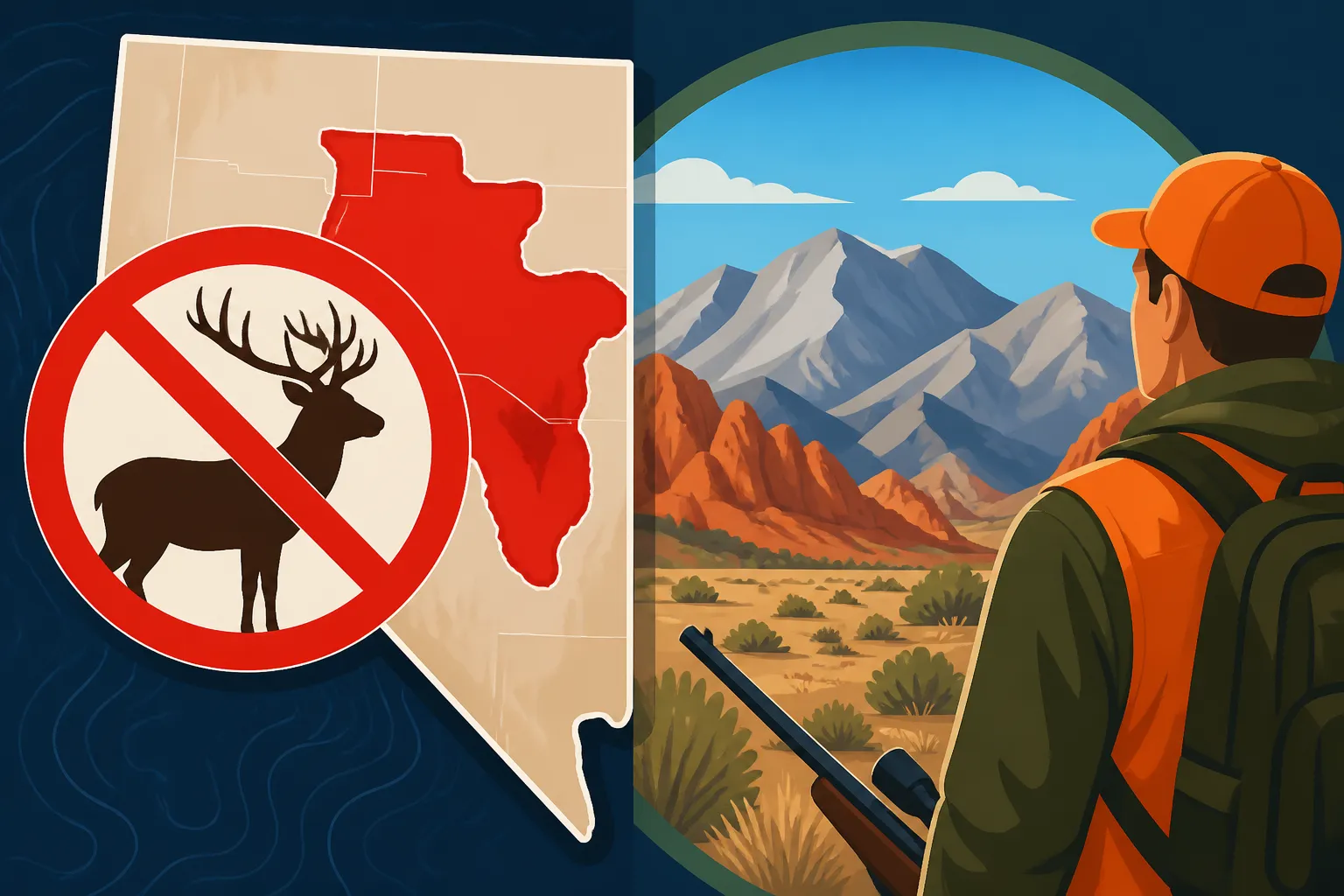
Planning a hunt in Nevada, especially in areas bordering our precious national parks, can feel like navigating a legal and geographical minefield. You've got your eye on some prime country, maybe you've spotted an old buck or a bull elk near the edge of a mountain range, only to realize you're staring right at the boundary of a federally protected area. It's frustrating to pour hours into scouting, only to discover your perfect spot is off-limits. This guide will walk you through exactly where hunting is closed near Great Basin National Park, how to identify those boundaries, and crucially, how to find fantastic hunting opportunities on the adjacent public lands.
Understanding Great Basin National Park's Boundaries and Regulations
Great Basin National Park is a jewel in Nevada, protecting ancient bristlecone pine forests, the Lehman Caves, and a vast expanse of stunning desert mountains. However, its designation as a National Park means that hunting, by federal law, is strictly prohibited within its boundaries. For hunters, this isn't just a suggestion; it's a hard and fast rule that carries serious consequences if violated.
Why National Parks Are Off-Limits for Hunting
National Parks are managed by the National Park Service with a primary mission: preservation. This means protecting all natural and cultural resources, including wildlife, for future generations to enjoy in their natural state. Unlike National Forests or Bureau of Land Management (BLM) lands, which often have multi-use mandates (including hunting, logging, and grazing), National Parks prioritize conservation above all else. This isn't unique to Great Basin; it's a nationwide policy for all National Parks, from Yellowstone to Zion.
It's a common misconception, especially for those new to hunting out West, that "public land" automatically means "huntable land." While Nevada is famously the most federally owned state in the Lower 48, not all federal land is created equal when it comes to hunting. The legal framework that established Great Basin National Park specifically excludes hunting as an activity, making its interior a sanctuary where wildlife can thrive undisturbed by hunters.
Identifying the Park's Perimeter on a Map
Knowing exactly where Great Basin National Park begins and ends is absolutely critical for any hunter planning to explore the surrounding areas. The park boundary isn't always marked with fences or prominent signs in every remote location, especially in the rugged backcountry. Relying solely on memory or rough estimations is a recipe for disaster.
This is where modern mapping tools become indispensable. Applications like onX Hunt are invaluable for clearly visualizing land ownership and park boundaries right on your phone or GPS device. You can download these maps for offline use, which is essential because cell service is practically nonexistent in much of the Great Basin. With the onX Hunt app, you can overlay public and private land layers, clearly see the National Park boundaries, and even track your real-time location relative to those lines. Using onX Layers for Nevada Public Land can literally save your hunt—and your hunting license. Take the time to study these maps before you ever leave home, identifying access roads, potential glassing knobs, and areas where game might naturally move in and out of the park. It's not just about staying legal; it's about making smart decisions on where to focus your effort.
Designated Hunt Units Adjacent to the Park
While the National Park itself is a no-go zone, the vast lands surrounding Great Basin National Park are prime hunting grounds for a variety of species. These areas fall under Nevada Department of Wildlife (NDOW) hunt units, which are specific geographical areas where hunting is permitted, subject to specific seasons, quotas, and regulations.
The park is located primarily within White Pine County, and the adjacent hunt units often include portions of the Schell Creek Range and the Snake Range. For instance, Unit 231 (Schell Creek Range) and parts of Unit 232 and 233 are directly adjacent to the park. These units are known for mule deer and sometimes elk, offering incredible hunting opportunities right up to the park's edge.
It’s important to remember that game animals don't recognize man-made boundaries. Deer and elk will move freely in and out of the park depending on forage, water, and hunting pressure. This creates unique opportunities, as animals often feel safe within the park, but once they step foot onto the adjacent BLM or National Forest lands, they become fair game. Understanding Nevada's August Archery Deer Window or Nevada Elk Rifle Hunts Stretch From October Into December within these units requires a deep dive into the NDOW regulations each year, as season dates and specific unit designations can shift. Always check the current year's hunting proclamation from NDOW to confirm unit boundaries and legal hunting periods.
Navigating Public Lands Around Great Basin National Park
The landscape surrounding Great Basin National Park offers an immense amount of public hunting access, primarily through Bureau of Land Management (BLM) lands and portions of the Humboldt-Toiyabe National Forest. These lands are managed for multiple uses, including hunting, making them the bread and butter for any hunter in the region.
BLM Lands and National Forests as Hunting Opportunities
The majority of the land immediately surrounding Great Basin National Park consists of BLM-managed property. These are the vast, open expanses of sagebrush flats, pinyon-juniper woodlands, and rugged mountain slopes that define the Great Basin. BLM lands are generally open to hunting, camping, and vehicle travel on existing roads, unless otherwise specified. This is where most hunters will spend their time.
Further up in the higher elevations and within some of the more forested mountain ranges, you'll find areas managed by the U.S. Forest Service as part of the Humboldt-Toiyabe National Forest. These areas often offer different habitats, with more timber, water, and typically cooler temperatures. Both BLM and National Forest lands are open to hunting, but it's crucial to understand the specific regulations for each, especially regarding vehicle access and camping. Checking Public Land Percentage by Unit can give you a good sense of how much huntable ground is available in a given area.
Understanding Wilderness and Wilderness Study Areas (WSAs)
Within both BLM and National Forest lands around Great Basin National Park, you'll encounter designated Wilderness Areas and Wilderness Study Areas (WSAs). These areas are set aside for their pristine natural qualities and have strict regulations designed to preserve their wild character. For hunters, the most significant rule in these areas is the prohibition of motorized vehicles. That means no ATVs, no dirt bikes, and no driving your truck off a designated road.
- Wilderness Areas: These are formally designated by Congress and are managed to remain largely untouched by human development. Access is strictly by foot or horseback. If you bag an animal in a Wilderness Area, you'll be packing it out on your back or with a pack animal. This can be a challenging but incredibly rewarding experience, offering solitude and a truly wild hunting encounter.
- Wilderness Study Areas (WSAs): These are lands identified as having wilderness characteristics that are being studied for potential future designation as official Wilderness. While they are not yet formal Wilderness, they are managed under similar regulations, meaning motorized vehicle use is generally restricted to existing routes or entirely prohibited.
Knowing these designations is paramount. Motorized Travel Rules on Nevada Public Land are non-negotiable, and driving where you shouldn't can result in hefty fines and damage to your reputation as a responsible hunter. Always consult detailed maps like those found on onX Hunt, or official BLM and Forest Service maps, to identify these areas before you go. Planning a hunt in these areas requires extra preparation for physical exertion and logistics, especially when it comes to packing out an animal.
The Role of E-Scouting and Physical Reconnaissance
Given the complex land designations and the sheer vastness of the Great Basin landscape, effective scouting is more important than ever. E-scouting from home is your first line of defense. Tools like onX Hunt and GoHunt provide satellite imagery, topo maps, and public/private land ownership overlays that allow you to virtually explore an area before you ever set foot in it. You can identify potential water sources, bedding areas, travel corridors, and, most importantly, park and wilderness boundaries. E-Scouting a Nevada Unit Before the Season is not just a convenience; it's a strategic necessity.
Once you've narrowed down your areas of interest, nothing beats physical reconnaissance. A weekend trip to drive the roads, glass the hillsides, and hike into promising spots will give you invaluable boots-on-the-ground knowledge. Look for fresh sign, identify pinch points, and get a feel for the terrain. Remember that Basin and Range Terrain Shapes Every Nevada Hunt, so understanding the lay of the land, from steep canyons to gentle slopes, is crucial for planning your stalks and approaches. This combination of digital and physical scouting will help you confirm that the ground you intend to hunt is indeed open to hunting and that you understand its specific regulations.
Respecting Private Property and Access Points
Nevada, like much of the West, has a complex patchwork of public and private land ownership, especially in the valleys and along the lower slopes of mountain ranges. This can create significant challenges for hunters trying to access vast tracts of public land, even those adjacent to Great Basin National Park.
Identifying Private Inholdings and Posted Land
While federal land makes up the bulk of the hunting opportunities around Great Basin National Park, don't be surprised to find private property interspersed within or bordering these areas. These "inholdings" are often old homesteads, ranches, or mining claims. They can be particularly common along valley floors, near perennial water sources, or at the mouths of canyons – exactly the places where game animals might concentrate.
It's your responsibility as a hunter to know where you are at all times and to respect private property. Look for signs, fences, and clearly marked boundaries. Again, tools like onX Hunt are indispensable here, providing real-time land ownership data. Even if a gate is open or there are no visible "No Trespassing" signs, if the map shows it as private property, you must assume it's off-limits without explicit permission. Ignorance of the boundary is not a legal defense. Always verify. This is part of Reading a Nevada Unit Boundary Before You Apply.
Legal Ramifications of Trespassing
Trespassing is a serious offense in Nevada, and the consequences can be severe. This isn't just about a potential fine; it can lead to the loss of your hunting license, confiscation of your equipment, and a criminal record. Nobody wants to face those kinds of penalties, especially when you're just trying to enjoy a hunt.
Beyond the legal aspects, trespassing damages the reputation of all hunters. Landowners are often wary of hunters, and incidents of disrespect or illegal activity only reinforce negative stereotypes. As ambassadors for our sport, it's vital to show respect for private property rights. If you're unsure about a boundary, err on the side of caution. It's always better to find another route or another spot than to risk a trespassing charge. If you absolutely need to cross private land to access public ground, make sure you've secured Getting Landowner Permission in Nevada in advance and in writing, if possible.
Gate Closures and Road Access Around the Park
Accessing the remote public lands around Great Basin National Park often means navigating a network of dirt and gravel roads. Many of these roads are maintained by the BLM or Forest Service, but some might be on private land (even if they lead to public access points), or they might be subject to seasonal closures.
Seasonal closures are common, especially in higher elevations, to protect roads during wet periods or to prevent disturbance to wintering wildlife. A road that was open in August for scouting might be gated and locked by the time hunting season rolls around in October. Always check with the local BLM or Forest Service office for current road conditions and closures. Don't rely on old maps or information from previous years. Unexpected gate closures can easily derail a hunt, leaving you miles from your planned hunting area or even stranding you. Carrying Extra Fuel on a Nevada Hunt and having recovery gear for your vehicle are also smart precautions when traversing these often rough and remote roads.
Specific Hunting Considerations for the Great Basin Region
Hunting around Great Basin National Park means embracing the unique challenges and rewards of the high desert and mountain environment. It’s a place that demands preparation, patience, and a deep appreciation for the landscape.
Game Species Found Near the Park's Edges
The hunt units surrounding Great Basin National Park are primarily known for mule deer and elk.
- Mule Deer: Mule Deer Are the Reason Most Hunters Apply in Nevada, and the units around the park are no exception. These ranges can hold some impressive bucks, especially as they move between the higher elevations and lower wintering grounds, sometimes utilizing the park as a refuge. Hunters often find success glassing vast slopes, as a successful mule deer hunt in Nevada is usually a Why Nevada Deer Hunting Is a Glassing Game.
- Elk: Nevada Elk Herds Grew From Nothing Into a Trophy Draw, and some of these herds utilize the habitat in and around the park. While drawing an elk tag in Nevada is notoriously difficult, the opportunities for those who do are exceptional. Elk can be found in the higher, timbered areas of the surrounding National Forest lands, as well as venturing into the more open country.
- Other Species: While not as common, hunters might also find opportunities for mountain lion, chukar, or pronghorn in the broader region. Mountain lions are elusive but present throughout the Great Basin ranges. Chukar, a challenging upland bird, thrives on the steep, rocky slopes. Pronghorn, known for their incredible speed, inhabit the wide-open valleys surrounding the mountain ranges.
Special Regulations and Unit-Specific Rules
Every hunt unit in Nevada has its own set of rules and nuances that go beyond the general statewide regulations. This is particularly true for units adjacent to a significant protected area like Great Basin National Park.
For example, some units might have specific restrictions on weapon types (e.g., archery-only, muzzleloader-only windows), or certain areas within a unit might have closures or access limitations not immediately obvious. You might encounter specific rules about Baiting and Trail Camera Rules in Nevada that vary by region or species. Always, always, read the current year's NDOW Big Game Seasons and Regulations proclamation thoroughly for the specific unit you plan to hunt. Don't assume anything. This document is your bible for legal hunting. How Nevada Numbers Its Hunt Units and Unit Groups and Reading a Nevada Hunt Number Before You Apply are essential skills for deciphering these regulations.
Ethical Hunting Practices in High-Visibility Areas
Hunting near a National Park, or any populated or heavily visited area, comes with an added responsibility: being a visible ambassador for hunting. This means holding yourself to the highest ethical standards.
- Visibility: You're more likely to encounter hikers, birdwatchers, or tourists who may not understand or appreciate hunting. Dress appropriately, be mindful of your language, and conduct yourself professionally.
- Safety: Always be acutely aware of your backdrop, especially near roads, trails, or any structures. Your shots must be safe and controlled.
- Retrieval: Plan for quick and efficient game retrieval. Field Dressing in August Heat or even cooler fall temperatures requires foresight. Having an animal visible for extended periods, especially near park boundaries, can draw unwanted attention and misinterpretations from non-hunters. Be prepared to quarter and pack out your animal efficiently.
- Respect: Leave no trace. Pack out all your trash, including spent shell casings. Demonstrate that hunters are responsible stewards of the land, helping to maintain a positive public image for our sport. Remember, in these high-visibility areas, your actions reflect on all of us.
By understanding the boundaries, utilizing modern mapping tools, respecting all land designations, and adhering to strict ethical guidelines, you can have an incredibly rewarding hunting experience on the public lands surrounding Great Basin National Park. It's a challenging but deeply satisfying way to connect with the wild heart of Nevada.
| Land Type | Hunting Permitted? | Vehicle Access? (Generally) | Notes |
|---|---|---|---|
| Great Basin National Park | No | Restricted | Federal Law prohibits hunting. |
| BLM Land (adjacent) | Yes | On established roads | Vast majority of public hunting. |
| National Forest (adjacent) | Yes | On established roads | Higher elevations, more timber. |
| Wilderness Areas | Yes | No motorized vehicles | Foot/horse access only, pack out game by hand. |
| Wilderness Study Areas | Yes | Restricted to existing routes | Managed like Wilderness for vehicle use. |
| Private Land Inholdings | No (without permission) | No (without permission) | Always verify boundaries, respect landowners. |
Disclaimer
This article is for general informational purposes only and does not constitute professional advice. Laws, prices and regulations vary by location and change over time. Consult a qualified professional for guidance on your specific situation.