Choosing Between Two Nevada Outfitters
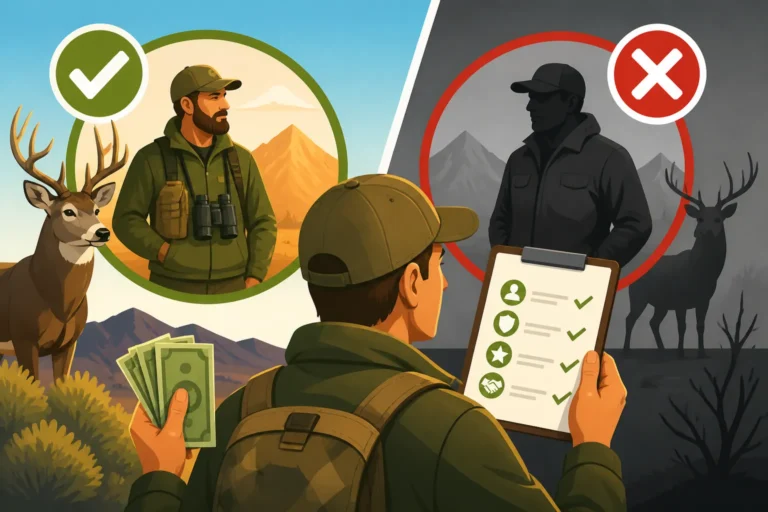
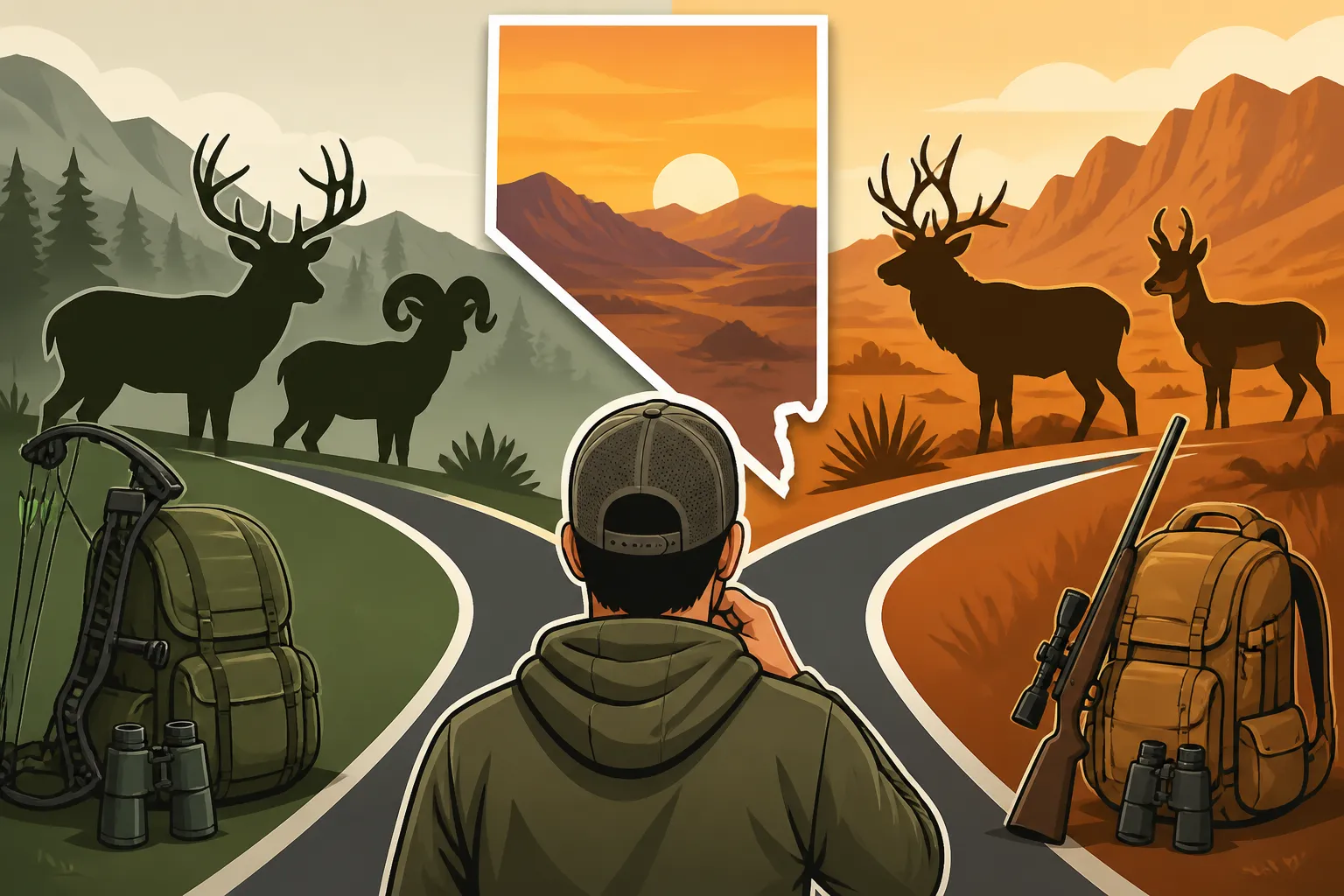
You've finally made the decision: this year, you're going to invest in a guided hunt in Nevada. Maybe it's for a coveted elk tag you've chased for years, or perhaps a mule deer hunt in the vast sagebrush. But then comes the next big hurdle: you've narrowed it down to two phenomenal-sounding outfitters, and now you're stuck. How do you possibly pick between them when both seem great on paper? This guide will walk you through the nitty-gritty details, the crucial questions, and the subtle cues to help you confidently choose the Nevada outfitter that's the perfect fit for your dream hunt.
Evaluating Core Services and Hunt Types
When you're comparing two outfits, it’s easy to get caught up in the big picture. But the devil, as they say, is in the details, especially when it comes to the actual hunting experience they offer. You need to look beyond the glossy photos and really dig into what's included and how they approach the hunt itself.
Understanding Their Specific Hunt Philosophy
Every outfitter has a distinct philosophy about how they conduct their hunts. One might be a highly aggressive, run-and-gun operation, covering vast amounts of ground daily, perhaps favoring a spot-and-stalk method across wide-open basins. This approach might appeal to physically fit hunters who thrive on constant movement and excitement, always pushing for that next ridge. Their success often hinges on covering maximum territory and capitalizing on opportunities as they arise, often utilizing powerful optics and long-range shooting capabilities.
On the other hand, another outfitter might lean towards a more methodical, patient style. They might focus on patterning animals around water sources or feeding areas, utilizing blinds, or spending hours glassing from a single vantage point, waiting for the perfect moment. This style suits hunters who enjoy the subtle art of observation, who are comfortable with less physical exertion but demand a high level of patience and meticulous planning. For certain species or during specific parts of the season, like Hunting Water in Nevada's Driest Country in early archery, this can be incredibly effective. It's crucial to understand which philosophy aligns with your personal hunting style, physical capabilities, and what you envision for your ideal hunt experience.
Species and Unit Specialization
Nevada is a diverse state, offering everything from mule deer in high mountain ranges to pronghorn on open flats, and even bighorn sheep in rugged desert canyons. Just because an outfitter guides for "big game" doesn't mean they're equally proficient in all species or units. One outfitter might boast an incredible track record for Nevada Elk Rifle Hunts Stretch From October Into December in specific units like 162 or 102, units renowned for their trophy potential, but their deer success in a different part of the state might be only average. Their guides might live in that specific elk area, spending year-round scouting the local herds, understanding migration patterns, and knowing every nook and cranny.
Conversely, the second outfitter might specialize in late-season mule deer hunts in different units, focusing on the post-rut migrations that can produce bigger bucks. They might know the precise winter ranges or the late-season bedding areas like the back of their hand. It's vital to ask about their specific expertise for your desired species and unit. Ask if they primarily guide in that unit or if they spread their operations across many, potentially diluting their local knowledge. Remember, even if they have a state-wide Master Guide license, true expertise is often hyper-local.
Guide-to-Hunter Ratio and Group Size
The guide-to-hunter ratio directly impacts the quality and intensity of your hunting experience. A one-on-one guide-to-hunter ratio offers a highly personalized experience. Your guide's full attention is on you, your physical condition, your preferences, and your opportunities. This is often preferred for more challenging hunts, specific trophy goals, or for hunters who appreciate direct coaching and communication without interruption. It means more flexibility in the field and decisions made solely with your success in mind.
A two-on-one ratio, while more economical, means sharing your guide's time and attention with another hunter. This can work well for friends or family members hunting together who have similar fitness levels and expectations. However, it can also lead to compromises, such as one hunter having to pass on an animal so the other can get a shot, or adjusting stalk strategies to accommodate two different skill sets. You also need to consider the overall camp size. Some outfitters run large camps with multiple guides and hunters, which can be fun for camaraderie but might feel less intimate. Others run smaller, more exclusive camps, offering a quieter, more focused experience. Ask both outfitters about their typical camp size and how many guides will be working with how many clients at any given time.
Comparing Communication Styles and Expectations
The success of your guided hunt hinges almost as much on clear communication as it does on the animals themselves. You need an outfitter whose communication style resonates with you and who sets realistic expectations. Misunderstandings before the hunt can lead to significant disappointment in the field.
Pre-Hunt Communication and Responsiveness
One of the first indicators of a good outfitter is their pre-hunt communication. Are they prompt in returning your calls or emails? Do they provide thorough answers to your questions, or do you feel like you're pulling teeth? A responsive outfitter shows that they value your business and are organized. They should be proactively sending you gear lists, discussing physical conditioning for Preparing Physically for Long Glassing Days in Nevada's vast terrain, and outlining travel logistics.
Consider not just the speed but the quality of their communication. Do they provide detailed information about the unit, potential hunting strategies, and what you can expect from the weather or terrain? A good outfitter doesn't just sell you a dream; they help you prepare for the reality. If one outfitter consistently leaves you hanging or provides vague answers, that's a significant red flag. You're investing a substantial amount of money and time; you deserve clear, consistent communication from the start.
Setting Realistic Expectations for Success
This is where the rubber meets the road. Both outfitters will likely tell you they have a great success rate, and that's usually true for shot opportunities or even harvest rates. But what about trophy quality? Are you looking for "any legal bull," or are you specifically after a 300-inch bull? A reputable outfitter will be upfront about the realistic potential for trophy animals in your chosen unit and season. They'll manage your expectations by explaining typical buck quality, draw odds for bigger animals, and the challenges of the terrain.
Ask very specific questions: "What's the average score of deer harvested in this unit during this season?" "How many hunters last year went home without an animal, even after seeing one?" Be wary of outfitters who promise giant animals or guarantee a harvest. Hunting is inherently unpredictable, and a professional knows this. They will discuss factors like weather, animal movement, and hunting pressure, providing a balanced outlook rather than an over-optimistic one. This transparency builds trust and helps you avoid disappointment. Outfitter Success Rates in Nevada are usually public, but understanding the nuances they provide is key.
Guide Personalities and Compatibility
While you can't always pick your guide, understanding the general temperament and personality of an outfitter's guiding team can make a huge difference. Some guides are quiet, preferring to let the hunter observe and learn, offering direction only when necessary. Others are more outgoing, chatty, and constantly coaching or explaining strategy. Neither style is inherently better, but one might suit you more than the other.
Ask the outfitter about their guides – are they seasoned veterans, or do they employ younger, less experienced talent? Are they patient with new hunters or those who need more physical assistance? If possible, try to speak directly with a guide or two from each operation during your vetting process. Their answers, their enthusiasm, and their willingness to engage will give you a strong sense of what it would be like to spend long days in the field with them. Remember, you'll be spending a lot of time together in potentially stressful situations, so personality compatibility is more important than many hunters realize.
Analyzing Outfitter Success Rates and References
You hear "success rate" thrown around a lot, but what does it really mean? And how do you verify it? This section is about digging past the surface to truly understand an outfitter's performance and reputation.
Defining "Success" and Verified Track Records
When an outfitter talks about "success," it’s crucial to clarify their definition. Does it mean seeing animals? Getting shot opportunities? Or actually putting an animal on the ground? And if an animal is harvested, what was its quality? A 100% "opportunity" rate on spike bulls when you're after a mature herd bull isn't true success. A credible outfitter will be transparent about their various success metrics, ideally breaking them down by species, unit, and even hunt type (e.g., archery vs. rifle).
Many reputable outfitters will track and share their actual harvest statistics, sometimes even with photos and dates, allowing you to gauge consistency. This is where resources like BookYourHunt or GoHunt can be invaluable. These platforms often collect verified reviews and sometimes even track harvest data directly from hunters who used the service. Look for consistency over several years, not just one banner season. A long track record of consistent success, even with fluctuating tag numbers or weather, speaks volumes.
Contacting Past Clients for References
This is perhaps the most critical step in vetting an outfitter. Both outfitters should provide you with a list of past clients, ideally from the last 1-3 years and for hunts similar to what you're booking. Don't just email them; pick up the phone and have a real conversation. Ask detailed, open-ended questions:
- "What was the most challenging aspect of your hunt with them?"
- "How did the outfitter handle unexpected issues, like bad weather or missed shots?"
- "Was the camp comfortable and as described?"
- "Did the guide match the description provided by the outfitter?"
- "Would you hunt with them again, and why or why not?"
Pay close attention to how they describe the experience, not just the outcome. Did they feel safe? Was the food good? Were the guides knowledgeable about the terrain and Reading Fresh Elk Sign in Thin Timber? If an outfitter is hesitant to provide references, or only gives you one or two names, consider that a major red flag. A truly confident outfitter will happily connect you with a roster of satisfied clients. For more on this, check out How to Read an Outfitter's References.
Online Reviews and Reputation
Beyond direct references, a quick search online can tell you a lot. Look for reviews on hunting forums, social media, and dedicated outfitter review sites. While you should take all online reviews with a grain of salt (both overly negative and overly positive ones can be biased), patterns of feedback are important. Are there consistent complaints about the food, the accommodations, or guides' attitudes? Or are there recurring praises for their hard work, ethical hunting, and quality animals?
Platforms like BookYourHunt often feature aggregated reviews from a diverse pool of clients, giving a broader perspective than just a handful of references. Be cautious of outfitters with no online presence or exclusively five-star reviews without any detailed commentary. A completely spotless record can sometimes be just as suspicious as a terrible one. A balanced mix of reviews, with the outfitter sometimes responding professionally to constructive criticism, often indicates a healthy and transparent business. You can also sometimes find discussion about specific outfitters on hunting forums where people share their experiences, good or bad.
Breaking Down Costs and Contract Terms
Comparing prices isn't just about the bottom line; it's about understanding what that price includes and what potential hidden costs might surprise you later. Transparency in pricing and clear contract terms are non-negotiable.
All-Inclusive vs. A La Carte Pricing
When you compare the total cost, ensure you're comparing apples to apples. One outfitter might offer an "all-inclusive" price that covers everything from your lodging and meals to field transportation and trophy care. This often means less financial guesswork once you arrive, allowing you to budget clearly. However, always confirm what "all-inclusive" actually means – does it include airport pickup? Meat processing? Taxidermy prep? Alcohol?
Another outfitter might have a lower base price but then add on services à la carte. This could mean separate charges for a hot lunch in the field, extra miles driven, or a daily fee for satellite phone usage. While this can seem cheaper initially, these add-ons can quickly accumulate. Make a list of every potential expense and ask both outfitters to provide a full breakdown. This includes the application fees (if they're helping with the draw), the actual tag cost, guide fees, lodging, meals, transportation during the hunt, and initial game processing. Check out What Outfitter Prices Leave Out for a comprehensive list of things often not included.
Deposits, Payments, and Refund Policies
Understanding the financial terms is paramount before you sign anything. How much is the deposit, and is it refundable? What is the payment schedule for the remaining balance? Are there penalties for late payments? A common scenario in Nevada is booking a hunt before draw results are announced. What happens if you fail to draw a tag? Will your deposit be fully refunded, partially refunded, or rolled over to the next year? This is a critical question, as Refunds When You Fail to Draw can be a major point of contention.
Read the contract's cancellation policy thoroughly. What if you have a family emergency and need to cancel? What if the outfitter cancels due to unforeseen circumstances (e.g., wildfires, extreme weather that closes units)? Don't just skim this section; ask for clarification on any ambiguous clauses. Reputable outfitters will have clear, fair policies that protect both parties, and they should be willing to explain them patiently. Some outfitters might offer payment plans, which can be helpful, but always ensure these are clearly outlined in writing.
Hidden Costs, Tips, and Trophy Fees
Beyond the stated price, there are often unwritten or "hidden" costs. Tipping your guide is standard practice in the hunting industry, but the amount can vary. Ask both outfitters about typical tipping ranges or expectations. You don't want to feel blindsided by this at the end of a successful hunt. Also, inquire about potential trophy fees. Some outfitters charge an additional fee if you harvest an animal above a certain size, particularly for species like elk or bighorn sheep. This needs to be understood upfront.
Consider also the cost of travel to and from the hunt area, special gear you might need (like high-quality optics for Optics Power for Nevada's Long Sightlines or specialized clothing for extreme weather), and post-hunt expenses such as meat processing, taxidermy, and shipping your trophies home. Even if the outfitter takes care of basic field dressing, the cost of a butcher and freezer space can add up. Ensure you have a complete financial picture from both outfitters before making your decision.
Assessing Logistics and In-Field Support
A great hunt isn't just about finding animals; it's about the entire experience, from how you get to camp to how well you're supported in the field. Nevada's vast and often remote terrain makes these logistical details even more critical.
Camp Accommodations and Amenities
What kind of camp can you expect from each outfitter? Are we talking wall tents with cots and wood stoves, or are they providing comfortable cabins with running water and electricity? Some outfitters offer "spike camps" that are more primitive but put you closer to the hunting action, while others prioritize a comfortable base camp where you can unwind after long days. Understand the sleeping arrangements, sanitary facilities (think latrines vs. plumbed toilets), and cooking facilities.
If you have specific dietary needs or preferences, discuss these upfront. Some outfitters have dedicated cooks who prepare hearty meals, while others might provide more basic, expedition-style food. Inquire about charging capabilities for electronics – many hunters rely on phones or GPS devices, and power access can be crucial. Compare the overall comfort level offered by each and decide which aligns better with your preferences for a multi-day backcountry experience. For remote areas, asking about Satellite Communication From a Hunting Camp is also a good idea.
Field Transportation and Equipment
How will you be getting around during the hunt? Nevada's public lands often mean long drives and rough roads. One outfitter might use well-maintained 4×4 vehicles for access, while another might rely more on ATVs or UTVs, or even horses for reaching deeper wilderness areas. If you're going into Wilderness and Wilderness Study Areas Across Nevada, motorized access will be restricted, meaning more foot travel or pack stock.
Ask about the quality and maintenance of their equipment. Are their vehicles reliable? Do they provide good quality optics, or are you expected to bring your own? What kind of communication devices do they carry for emergencies in areas with no cell service? Safety should be a top priority. A solid outfitter will have robust emergency plans, including first-aid kits, satellite phones or messengers, and protocols for evacuations. Understanding how they manage the logistics of getting you to the game and keeping you safe is key.
Game Retrieval and Trophy Care
The hunt doesn't end when you pull the trigger. Getting your animal out of the field, especially a large elk or mule deer in rugged terrain, is a significant undertaking. Ask both outfitters about their game retrieval methods. Do they have pack animals? Are their guides physically capable of quartering and packing an animal out over several miles of rough ground? In Nevada's August heat, swift game retrieval and cooling are vital for meat preservation.
Once the animal is out, how do they handle initial trophy care? Will they cape your animal properly for taxidermy? Do they have facilities for cooling meat quickly, especially crucial for early-season hunts where Field Dressing in August Heat is a real concern? Some outfitters might even have partnerships with local butchers or taxidermists, offering convenient services to their clients. Compare these services, as poor handling of your hard-earned trophy or meat can be a huge letdown after a successful hunt.
Trusting Your Gut: The Intangibles
Sometimes, the decision comes down to more than just facts and figures. There are subtle cues, feelings, and overall vibes that can guide you to the right choice.
Responsiveness Beyond the Sale
How does each outfitter respond to questions or concerns after you've put down a deposit? Are they still as attentive and helpful, or do you feel like you've been put on the back burner? The period between booking and the actual hunt can be long, and you'll likely have more questions as the season approaches. An outfitter who maintains excellent communication and support throughout this waiting period demonstrates true professionalism and client dedication.
This continued engagement might include sending updates on local conditions, discussing potential changes to regulations, or simply checking in to see if you need anything. It's a sign that they care about your experience, not just about closing the deal. This level of service ensures you feel prepared and excited for your hunt, rather than stressed or forgotten.
Ethical Practices and Fair Chase
This is paramount. A truly ethical outfitter adheres to all hunting laws and regulations and prioritizes fair chase. While Nevada has clear rules on Baiting and Trail Camera Rules in Nevada, specific practices can vary. Ask about their guiding principles: Do they respect private land boundaries? Do they ensure you understand and follow Legal Shooting Hours and Blaze Orange in Nevada? Do they prioritize shot placement and animal recovery over simply getting a kill?
You want to hunt with an outfitter whose values align with yours. This also extends to how they treat their guides and local communities. An outfitter with a strong, positive reputation for ethical hunting and good community relations is often a good indicator of their overall character. If you get any sense that an outfitter might cut corners or engage in questionable practices, walk away. Your integrity as a hunter is at stake.
Your Personal Comfort and Connection
Ultimately, you need to feel comfortable with the outfitter you choose. This isn't just a business transaction; it's a deeply personal experience, often involving significant physical and emotional investment. Did one outfitter make you feel more at ease? Did you enjoy your conversations with them more? Did they seem to understand your personal goals and aspirations for the hunt better than the other?
This "gut feeling" is a culmination of all the interactions you've had. It's about feeling confident in their abilities, trusting their character, and genuinely looking forward to spending time with them and their team in the field. Don't underestimate the power of this personal connection. If one outfitter just feels right, even if the logistics or pricing are slightly less perfect on paper, that feeling can make all the difference in having a truly memorable and successful hunt.
Comparing Your Nevada Outfitter Options
To help visualize your options, here's a table comparing common points you'll evaluate between two potential outfitters. Fill this out as you gather information!
| Feature | Outfitter A (Example) | Outfitter B (Example) | Your Preference/Notes |
|---|---|---|---|
| Hunt Philosophy | Aggressive, high-mileage spot & stalk | Patient, methodical glassing & ambush | Which matches my style and fitness? |
| Specialization | Elk in Units 102/162, rifle season | Mule deer in Eastern NV, late archery/muzzleloader | Does it match my target species/unit? |
| Guide-to-Hunter Ratio | 1:1 available, 2:1 standard | 1:1 only for premium hunts, 2:1 standard | Do I need full individual attention? |
| Pre-Hunt Communication | Email focused, quick replies | Phone calls preferred, detailed explanations | Which communication style suits me? |
| Expectations Set | Realistic on trophy size, clear challenges | Very positive, hints at large animals | Is this realistic and trustworthy? |
| Success Rate (Harvest) | 85% on deer (all sizes), 60% on 170+" bucks | 90% on deer (all sizes), less focus on specific score | What's my priority: any buck or a specific class? |
| References | 5 recent contacts provided, all positive | 3 contacts, one a family friend | Are these unbiased and sufficient? |
| Online Reviews | Good mix, some constructive criticism, good responses | All 5-star, but vague and no replies | Does this feel authentic? |
| Pricing Structure | "All-inclusive" but check specifics | Base price + fees for specific services | What's the true total cost and transparency? |
| Refund Policy | Full refund if no tag draw | Deposit rolls over to next year only | Am I comfortable with their terms? |
| Camp Accommodations | Comfortable wall tents, shared amenities | Rustic spike camps, basic facilities | What level of comfort do I need? |
| Game Retrieval | Pack horses, experienced guides | Guides pack out, no animals | How will my animal be handled in rugged terrain? |
| Ethical Practices | Strong emphasis on fair chase, local rules | Seems compliant, but less discussion about ethics | Do their values align with mine? |
| Overall "Gut Feeling" | Confident, good connection | A bit uncertain, less personal rapport | Which one do I genuinely feel better about? |
Making the decision between two excellent Nevada outfitters is a good problem to have, but it still requires careful consideration. By breaking down your comparison into these key areas—services, communication, track record, costs, and logistics—you can move beyond the initial impression and dig into the substance. Don't rush this process. Ask hard questions, verify everything you can, and most importantly, trust your instincts. The right outfitter won't just guide you to an animal; they'll guide you to an unforgettable Nevada hunting experience.
Disclaimer
This article is for general informational purposes only and does not constitute professional advice. Laws, prices and regulations vary by location and change over time. Consult a qualified professional for guidance on your specific situation.