Combination Deer and Antelope Hunts
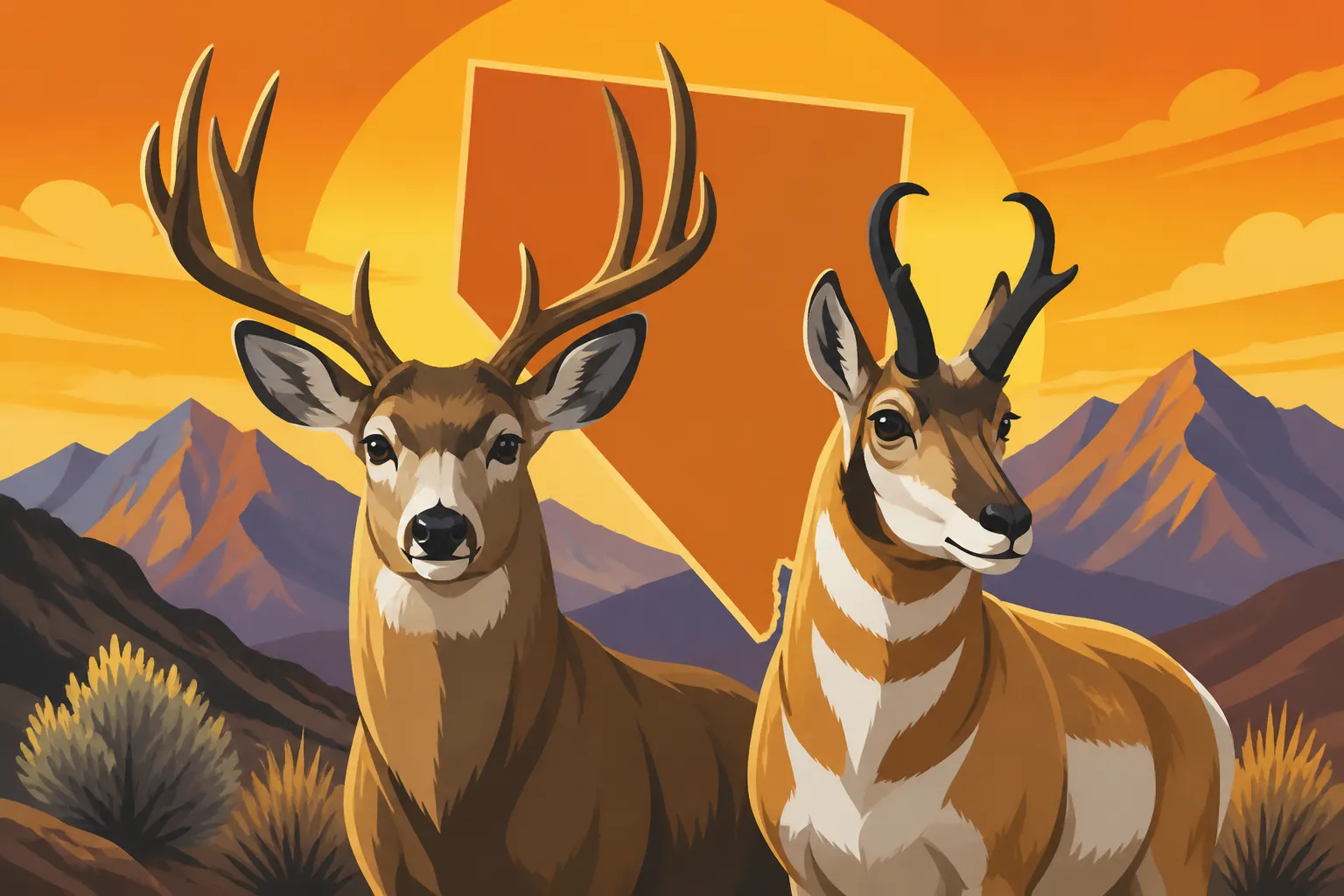
It's a dream many hunters share: heading out into the Nevada sagebrush and bringing home not just one, but two incredible big game animals on a single trip. The thought of a combination deer and antelope hunt is enticing, offering maximum adventure and efficiency. However, the reality of drawing two highly coveted tags in Nevada, especially for non-residents, can feel like an insurmountable challenge. This guide will walk you through the appeal, the inherent difficulties, and practical strategies for making that dream of a Nevada deer and antelope combo hunt a reality.
The Allure and Realities of Combination Hunts in Nevada
There’s something undeniably appealing about chasing two distinct big game species during one hunting season. For many, it’s about maximizing time afield, making a long journey truly count, and experiencing the diverse landscapes Nevada offers through different lenses. But let’s be real, Nevada isn't like some states where over-the-counter opportunities make combo hunts a simple matter of buying two tags. Here, it’s a game of strategy, patience, and often, a bit of luck in the draw.
Why Hunters Dream of Combination Tags
The reasons hunters are drawn to combination deer and antelope hunts are pretty straightforward. First off, it’s incredibly efficient. Instead of planning and executing two separate trips, incurring all those travel and logistical costs twice, you consolidate everything into one epic adventure. Think about it: one long drive, one camp setup, one period of vacation time, and potentially filling two freezers. It’s also an incredible test of your hunting skills and adaptability. You're shifting gears from potentially stalking mule deer in rugged, broken country to glassing vast, open flats for pronghorn. It demands a wider range of scouting, tracking, and shooting abilities, making the success even sweeter.
For those traveling long distances, especially non-residents, a combo tag can make the investment of time and money feel even more worthwhile. You're doubling your chances of success on big game, and the thought of returning home with both a mule deer and an antelope often fuels years of application strategies. It's the ultimate goal for many who look to truly experience the Great Basin's diverse hunting opportunities.
The Reality of Nevada's Draw System for Combos
Now, for a dose of reality. Nevada's draw system is tough. While it's one of the best trophy states in the West, that comes with highly sought-after tags and low draw odds. This challenge is magnified exponentially when you're trying to draw two different species in the same year. Deer and antelope tags are applied for independently, meaning you're essentially entering two separate lotteries. You might draw a fantastic deer tag but come up empty on antelope, or vice versa.
The point system in Nevada is designed to give applicants with more points a better chance, but it's not a true "points creep" state where drawing is guaranteed after a certain number of years. Nevada Squares Your Bonus Points Into Draw Chances, which helps, but even with max points, drawing both a deer and an antelope tag in quality units in the same year is a statistical anomaly. Many hunters dedicate years to drawing a single trophy mule deer or antelope tag, let alone combining them. So, while the dream is alive, understand that the odds are stacked against a perfect double draw in any given year, particularly for non-residents.
Overlapping Seasons and Unit Selection
Even if you beat the odds and draw both tags, the logistical challenge then shifts to finding units with overlapping or closely timed seasons, and habitat suitable for both species. Mule deer generally prefer mountainous terrain, often higher elevations, with plenty of cover and feed. Antelope, on the other hand, are creatures of the wide-open sagebrush flats and rolling hills. Finding a single unit, or adjacent units, that offer excellent hunting for both can be tricky.
Many deer seasons, especially the popular rifle hunts, fall in October or November. Antelope seasons often open earlier, sometimes in August or September, though some late hunts can extend into October. This means careful planning is paramount. You might have an early archery antelope tag and a late rifle deer tag, requiring two separate trips, or at least a very long stay in the field. When Reading a Nevada Hunt Unit Before You Apply, pay close attention to the season dates for both species, and then dive into mapping to see if the terrain holds both animals in huntable numbers. This level of granular planning is crucial if you hope to maximize your time once you finally get those coveted tags in hand.
Strategies for Pursuing a Nevada Deer and Antelope Combo
Given the complexities of the draw, simply hoping for the best usually isn't enough. You need a deliberate strategy, understanding the nuances of Nevada's system and how to leverage every advantage. This often means making difficult choices, prioritizing one species over another, or adjusting your expectations about unit quality.
Applying for Both Species Independently
The most common approach for a combination hunt, at least in the general draw, is to apply for deer and antelope separately each year. Nevada Applications Run March 23 to May 13, giving you a window to get your applications in. You'll enter your choices for mule deer units, hoping for a desirable tag, and then do the same for antelope. It's a completely independent process. The system doesn't "know" you're trying for a combo; it just processes each application based on your points and choices for that specific species.
This strategy means you might accumulate points faster for one species than the other, or draw one species long before the other. For instance, you could draw a great archery deer tag in a solid unit, but only have a couple of points for antelope and strike out. Or perhaps you draw a late season antelope tag, but miss out on deer. The key is consistency in applying annually to build points for both. Many hunters will target their highest point applications for their preferred species or unit, then use remaining choices (if applicable) or a separate application for the second species, aiming for more "obtainable" tags that might have higher draw odds but lower trophy potential.
Leveraging Bonus Points and Draw Odds
Nevada's bonus point system is unique in that it squares your points, significantly increasing your chances as you accumulate more. For example, if you have four points, you actually get 16 entries in the draw (4×4) plus your current year's application, giving you 17 chances. This is a powerful tool. To seriously consider a combo hunt through the draw, you'll want to be accumulating points for both deer and antelope. This takes time, patience, and consistency.
Resources like GoHunt can be invaluable here. Their insights and draw odds calculators help you analyze past draw results, compare units, and understand the real likelihood of drawing a specific tag with your current point total. You can look for units that have slightly higher draw odds for one species, pairing it with a harder-to-draw tag for the other, or identifying units where general season dates for both might align.
However, even with high points, a successful combo draw is never a sure thing. If you consistently apply for trophy units for both deer and antelope, you could be waiting a very long time for the stars to align. Sometimes, the strategy involves applying for a solid deer unit with good odds, and then for an antelope unit that has slightly easier draw odds but might be a bit farther away or offer fewer trophy animals. It's a trade-off, but it keeps the combo dream alive without requiring decades of point building.
| Factor | Deer Hunt Consideration | Antelope Hunt Consideration | Combo Hunt Challenge |
|---|---|---|---|
| Primary Habitat | Mountains, broken terrain, juniper, sagebrush | Open sagebrush flats, rolling hills, vast visibility | Finding units with quality habitat for both, often distinct. |
| Typical Season Dates | Archery (Aug), Muzzleloader (Sept), Rifle (Oct-Nov) | Archery (Aug), Rifle (Sept-Oct) | Season overlap can be limited; may require two trips. |
| Draw Difficulty | Generally high for quality units, particularly rifle | High for quality units, but some archery/late rifle easier | Drawing both is extremely difficult through general draw. |
| Hunting Style | Glassing Nevada's Basin and Range for Mule Deer, stalking cover | Spot and Stalk Antelope on Nevada's Open Flats, long-range glassing | Adapting tactics for different terrain and animal behavior. |
| Physical Demands | Steep climbs, long walks, rugged terrain | Long walks over rolling hills, often at high altitude | Sustained effort over varying terrain for both species. |
| Best E-Scouting Tools | Topo maps, satellite imagery for cover/water | Satellite imagery for water, travel corridors, open country | Identifying adjacent or overlapping areas of opportunity. |
The Role of Leftover and Opportunity Tags
Occasionally, after the main draw, a handful of leftover tags might become available. These are usually for less popular units or seasons, or perhaps tags that were not paid for by successful applicants. The chances of finding a leftover tag for either deer or antelope, let alone one that complements a tag you already drew, are extremely slim. When Nevada Leftover Tags Go on Sale, it's a frantic rush, and they are usually gone within minutes. While it's worth checking, it's not a reliable strategy for a combo hunt.
Nevada also has specific "opportunity" hunts which can sometimes have higher draw odds, or even be over-the-counter for specific junior or mobility-impaired hunters. These are typically antlerless tags or tags in areas with high animal numbers but perhaps limited access or lower trophy potential. While these don't fulfill the dream of a "trophy combo," they can sometimes provide a unique chance to get a second species on the same trip. For example, if you drew a good buck deer tag, you might watch for a late season antlerless antelope tag in a nearby unit that becomes available. Again, this requires vigilance and adaptability, and it's not a primary strategy for most hunters.
Outfitters and Alternative Paths to a Combo Hunt
For many, the idea of drawing both tags in the general draw remains a distant dream. This is where professional help, and sometimes creative thinking about access, can come into play. Outfitters, particularly those with access to private land or extensive experience navigating Nevada's units, can offer a more realistic path to a combination hunt.
How Outfitters Can Facilitate Combination Hunts
Nevada's vast public lands are challenging, and drawing tags on them is even harder. This is where a reputable outfitter can be a game-changer. They often have long-standing relationships with landowners or hold permits to operate on extensive public land areas, and critically, they can help you navigate the draw system strategically. While an outfitter can't guarantee you'll draw two tags, they can significantly increase your chances of having a combo opportunity.
Many outfitters offer "combination hunt packages," but what this often means is they will guide you for one species (say, elk or mule deer) on a drawn tag, and then if you're also successful in drawing an antelope tag (either through the general draw or a specialty tag), they can then guide you for the second species during the same trip. It's less about them providing the tags, and more about them orchestrating the logistics around the tags you obtain. For non-residents especially, a good outfitter familiar with What a Guided Nevada Mule Deer Hunt Costs might also guide for antelope for an additional fee, making your long trip truly comprehensive. When looking for outfitters, platforms like BookYourHunt can be a great place to start, allowing you to filter by species and services offered, including combo opportunities. Always verify their licensing and references.
Private Land Access as a Combo Option
Another route, especially for antelope, is through private land access. While Nevada is predominantly public land, some of the most productive agricultural valleys and ranchlands hold impressive numbers of antelope, and often mule deer, particularly along their fringes where private meets public. Securing permission to hunt private land, or paying a trespass fee, can open up opportunities that are simply not available in the general draw.
Some outfitters specialize in private land hunts, leasing access from ranchers. This can be a more expensive option, but it bypasses the lottery entirely for that portion of your hunt. For instance, you might apply for a public land mule deer tag, and if successful, then arrange a private land antelope hunt to coincide with it. This dual approach gives you more control and a much higher likelihood of achieving a combo hunt in a single season. It requires networking, diligent research, and understanding the nuances of private land hunting in Nevada.
Trophy vs. Opportunity: Adjusting Expectations
It's crucial to manage expectations when pursuing a combination deer and antelope hunt in Nevada. While the dream might be to bring home two record-book animals, the reality is that simply drawing any tag for either species is an accomplishment in this state. Aiming for a combo means you might need to prioritize opportunity over a top-tier trophy for one or both species.
For example, you might choose to apply for a relatively easier-to-draw general deer tag (perhaps a more crowded unit, or an archery tag in August when conditions are tough), and then combine it with a mid-tier antelope tag. The goal becomes the experience of hunting both species and filling your freezer, rather than strictly chasing inches of antler or horn. This doesn't mean you can't harvest a fantastic animal, but it broadens your unit choices and increases your odds of actually making the combo hunt happen. Embrace the challenge, enjoy the landscapes, and celebrate every opportunity, big or small.
Planning and Logistics for a Dual-Species Hunt
Once you've navigated the draw or made arrangements through an outfitter, the real work of planning a dual-species hunt begins. This is where meticulous attention to detail can make or break your trip, ensuring you're prepared for the unique demands of hunting both mule deer and antelope in Nevada's diverse environments.
Scouting for Both Deer and Antelope
Scouting is paramount for any successful Nevada hunt, and it becomes even more critical when pursuing two species. Mule deer and antelope, while sometimes found in proximity, often utilize different types of terrain and habitat. Deer will often be found in more rugged, timbered, or broken country, using juniper, pinon pine, and sagebrush for cover. Antelope prefer the vast, open valleys and rolling hills where their incredible eyesight and speed are advantages.
Your E-Scouting a Nevada Unit Before the Season should involve identifying areas that cater to both. Look for drainages and pockets of cover for deer that transition into expansive sage flats for antelope. Focus on water sources, especially during early season hunts, as both animals will be tied to them. Hunting Water in Nevada's Driest Country is a tactic often employed for both species. Identify travel corridors, bedding areas for deer, and escape routes for antelope. The more you can narrow down productive areas for each species before you arrive, the more efficient your actual hunting days will be. Remember that you might be covering significant ground to transition between prime deer and prime antelope habitat within your chosen unit or unit group.
Gear Considerations for Two Different Hunts
A combo hunt means packing gear that can perform in varying terrain and for different hunting styles. While many core items will overlap (good boots, optics, sleeping gear), some specifics will differ. For mule deer, especially in rougher country, you might want more sturdy trekking poles, a heavier pack for packing out meat from remote areas, and camouflage suited for broken terrain. For antelope, long-range glassing is key, so high-quality binoculars and a spotting scope with a sturdy tripod are essential. Optics Power for Nevada's Long Sightlines can't be overstated when it comes to pronghorn.
Your rifle choice is also important. While a good all-around big game cartridge will work for both, consider one that offers excellent accuracy at extended ranges for antelope, while still being effective for the closer, quicker shots often encountered with deer. Choosing a Rifle for Basin and Range Country often means prioritizing flatter-shooting calibers. Broadheads for archery will be similar for both, but shot placement varies slightly. Don't forget layers! Nevada weather can be incredibly unpredictable, with huge temperature swings from morning to afternoon, especially in the mountains. Layering effectively is key to staying comfortable and focused throughout your hunt.
Field Care and Logistics for Double Success
This is the best "problem" to have on a combo hunt: successfully harvesting both a deer and an antelope. But it brings a significant logistical challenge, especially in remote Nevada. Both are good-sized animals, and you'll need a plan for field dressing, cooling, and packing out two carcasses, potentially from different areas, and often in warm conditions. Field Dressing in August Heat requires immediate action and attention to detail to prevent spoilage.
You'll need sufficient cooler space, plenty of ice (and a plan to resupply), and the physical conditioning to Packing an Animal Out of Roadless Country twice. If you're hunting solo, this might mean making multiple trips to pack out meat, which eats into valuable hunting time. Consider bringing a hunting partner or having a plan for assistance. A reliable vehicle, extra fuel, and recovery gear are always important in Nevada's backcountry, but even more so when you have two animals down and need to move quickly. Having a clear plan for processing, either at a local locker or doing it yourself in camp, will save you a lot of stress when you're celebrating your double success.
Disclaimer
This article is for general informational purposes only and does not constitute professional advice. Laws, prices and regulations vary by location and change over time. Consult a qualified professional for guidance on your specific situation.