Timing a Nevada Hunt Around the Rut
Many hunters dream of hitting the Nevada backcountry when big game animals are at their most active and vulnerable: the rut. But pinning down the exact timing of these crucial windows, especially across Nevada's vast and varied landscapes, can feel like chasing a ghost, making it tough to maximize your draw odds and hunt opportunities. This guide will walk you through the specifics of timing your Nevada deer, elk, and antelope hunts to coincide with their respective breeding seasons, offering insights and strategies to put you in the best position for success.
Why Timing Your Nevada Hunt with the Rut Matters So Much
Let's be honest, hunting Nevada can be tough. The animals are often spread out, and the country is vast, open, and unforgiving. This is precisely why aligning your hunt with the rut becomes a game-changer. During their breeding seasons, bucks and bulls are notoriously more active, less cautious, and far more focused on finding mates or defending territory than on evading hunters. This shift in behavior can turn a challenging hunt into an exhilarating one, increasing your chances of spotting, approaching, and ultimately harvesting an animal.
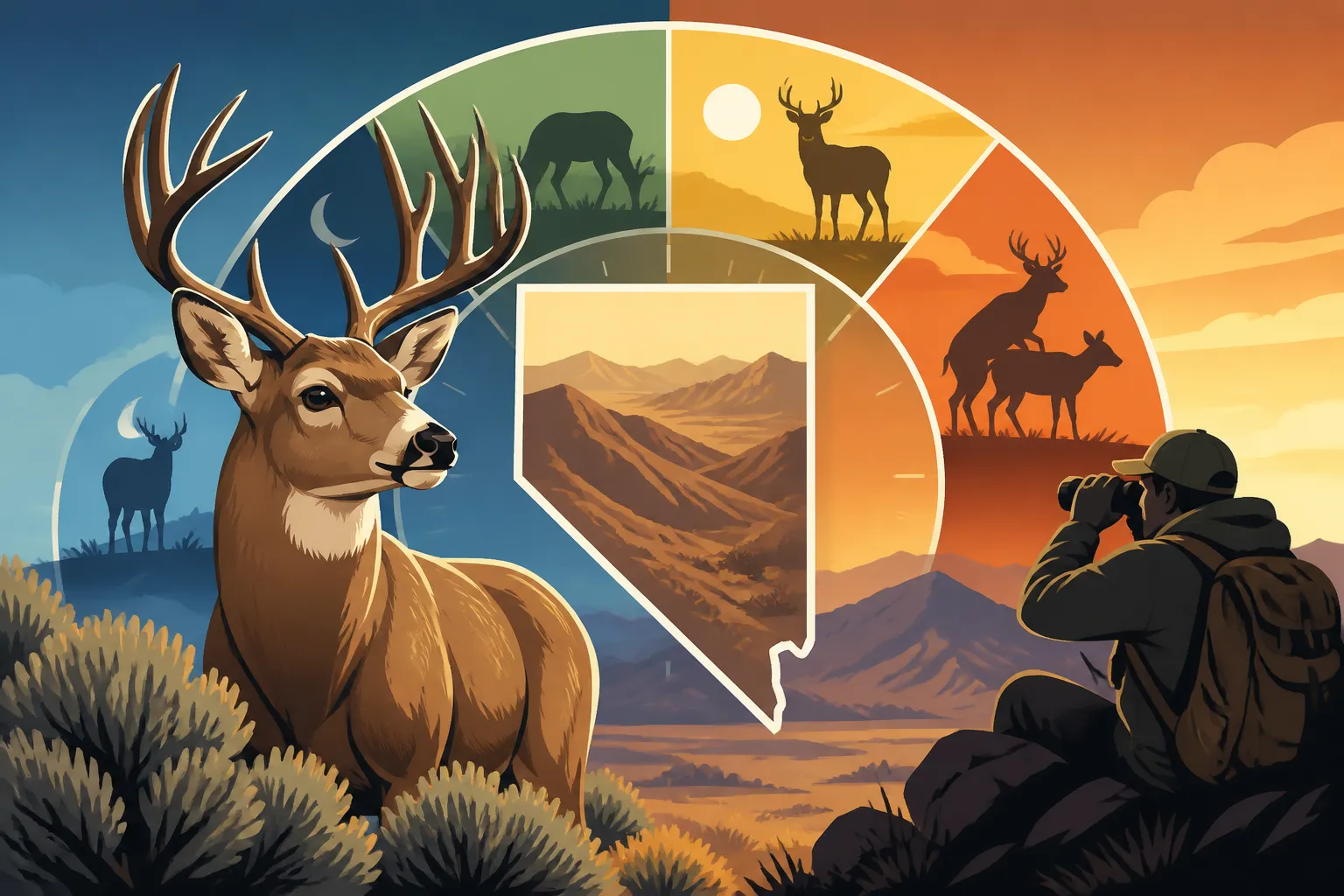
The rut isn't just a switch that flips on a specific date; it's a dynamic period influenced by a complex interplay of environmental factors. While genetics provide the general framework for when a species will rut, external cues like photoperiod (daylight length), temperature, and even lunar phases play a significant role in triggering and intensifying the activity. For instance, a sudden cold snap can sometimes kick the rut into high gear, prompting bucks to move more freely during daylight hours, while a warm spell might delay or suppress daytime movement. Understanding these nuances, rather than just a calendar date, is key to truly maximizing your time in the field.
Beyond the biological triggers, the rut impacts animal behavior in ways that directly benefit hunters. For mule deer, it means bucks leaving their bachelor groups and actively searching for does, often in areas they wouldn't frequent during other times of the year. For elk, it's the bugling, wallowing, and herd defense that creates auditory and visual clues that are simply nonexistent outside of this narrow window. Pronghorn bucks, too, become fiercely territorial, constantly pushing and guarding their harems. This increased visibility and predictable, albeit frantic, behavior makes them more susceptible to well-executed hunting strategies. It's about knowing when they're going to make mistakes, and being there to capitalize on it.
Unlocking the Mule Deer Rut in Nevada's Sagebrush Sea
For many, mule deer are the primary draw to Nevada, and successfully hunting a mature buck often hinges on understanding their rut. In Nevada, the mule deer rut typically kicks off in late November and can extend through mid-December, sometimes even bleeding into early January in certain areas. The absolute peak activity usually occurs in the first two weeks of December, making those late rifle deer seasons incredibly coveted. This is when the bigger bucks are often seen chasing does, making scrapes, and generally throwing caution to the wind. If you've drawn a tag for a late season, you've hit the jackpot for rut hunting.
When the calendar flips to those critical weeks, you'll start to see a distinct change in buck behavior. They'll be moving more during daylight, especially at dawn and dusk, and often mid-day if temperatures are mild. Instead of glassing isolated bucks, you'll want to focus your efforts on areas where doe groups congregate. Bucks will be shadowing these groups, constantly testing does to see if they're receptive. Look for transition zones between bedding and feeding areas, south-facing slopes that get good sun, and pockets of cover near water sources. Understanding Why Late Seasons Produce Bigger Bucks is all about leveraging this rut activity.
Scouting for the mule deer rut isn't just about finding deer; it's about finding the right deer activity. E-scouting tools like GoHunt are invaluable for analyzing historical harvest data and understanding preferred habitat in specific units. You can cross-reference this with recent weather patterns to anticipate where deer might be concentrated. Once on the ground, look for fresh rubs on small trees or sagebrush, indicating a buck has been marking his territory, and scrapes, which are clear indicators of a buck's presence and rutting activity. These signs, combined with actual sightings of bucks chasing does, will confirm you're in the thick of it. When you do spot a buck, quick assessment is vital, as they rarely stand still for long. Knowing how to quickly judge a buck's size, like learning to recognize features from Field Judging a Mule Deer Buck Quickly, can mean the difference between getting a shot or letting a great deer walk. And remember, in the wide-open country of Nevada, How Far to Stalk a Bedded Mule Deer becomes a critical skill that you'll likely put to the test multiple times.
| Species | General Rut Period | Peak Activity (approx.) | Primary Behavioral Changes |
|---|---|---|---|
| Mule Deer | Late Nov – Mid-Dec | First two weeks of Dec | Bucks chasing does, making scrapes/rubs, increased movement |
| Elk | Early Sept – Early Oct | Mid-Sept to early Oct | Bulls bugling, wallowing, herding cows, aggressive displays |
| Pronghorn | Late Aug – Mid-Sept | First two weeks of Sept | Bucks herding does, territorial defense, constant chasing |
Harnessing the Roar of the Elk Rut in Nevada's High Country
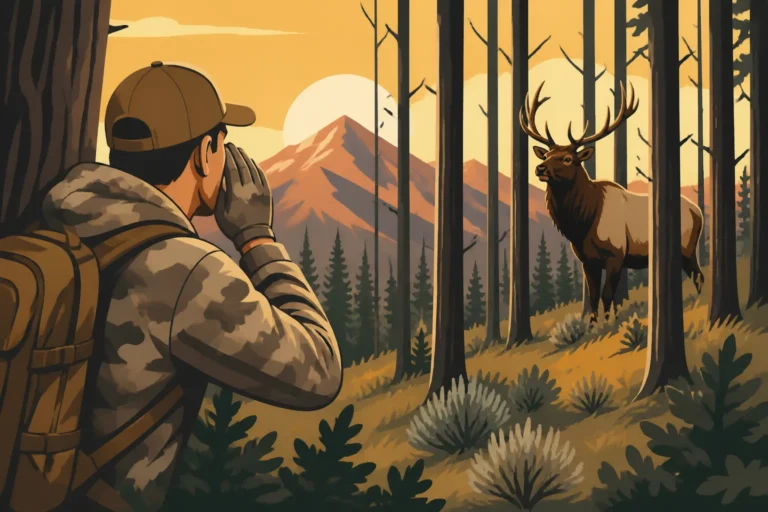
The elk rut in Nevada is a spectacle unlike any other, turning the often quiet high country into a symphony of bugles and crashing antlers. For those fortunate enough to draw an elk tag, especially an archery or early muzzleloader tag, timing your hunt with the rut is paramount. The general window for elk rut activity in Nevada runs from early September through early October. The peak, when bulls are most vocal and active, typically falls from mid-September to the first week of October. This is when the biggest bulls throw caution to the wind, driven by the urge to breed.
During the peak of the rut, elk behavior is dramatically different. Bulls will be actively seeking cows, herding them, and engaging in dominance displays with other bulls. This is when their iconic bugles echo through the canyons and across the mountainsides. Locating these vocal bulls is often the first step in a successful rut hunt. Knowing When the Elk Rut Peaks in Nevada helps you plan your days to be in the right place at the right time, listening intently. You'll hear the deep grunts, the high-pitched screams, and the characteristic chuckles of a bull challenging rivals or gathering his harem.
Calling strategies become incredibly effective during this period. While locator bugles can help you pinpoint a bull's location at dawn, aggressive bugling can sometimes draw a territorial bull right into your lap. However, don't underestimate the power of cow calls; a well-placed cow call can pique a bull's interest without alerting him to your presence. Many experienced hunters utilize Two-Hunter Calling Setups That Actually Work, where one hunter calls from a distance while the other sneaks in for a shot. Look for wallows—muddy depressions where bulls roll to coat themselves in scent, often indicating heavy activity. Pay attention to fresh tracks and heavily used trails between feeding areas and bedding grounds, especially near water and in timbered pockets on north-facing slopes where bulls will try to keep their cows hidden. The goal is to get in close, listen, and determine if Bugling Against Cow Calling in September is the right approach for that particular bull.
Catching the Pronghorn Rut on Nevada's Open Flats
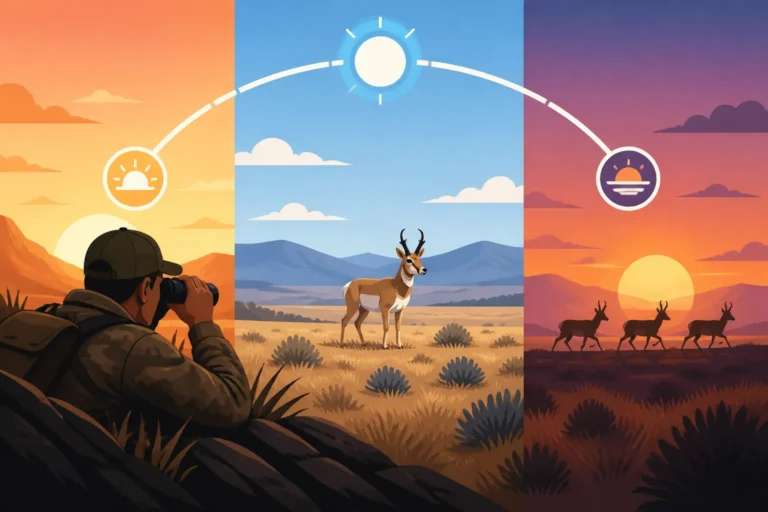
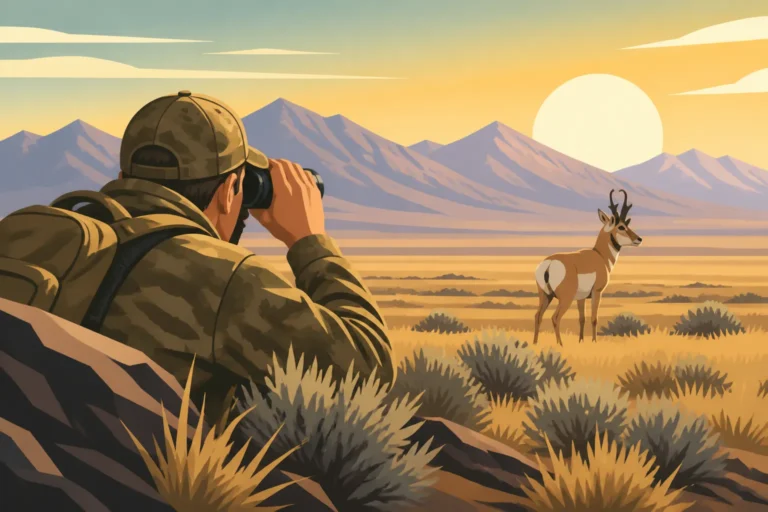
Pronghorn antelope, often called the speed demons of the plains, have a rut that is as unique as the animal itself. Unlike deer or elk that prefer cover, pronghorn rut across Nevada's wide-open valley floors, making for an exciting, albeit challenging, hunt. The pronghorn rut generally occurs from late August through mid-September, with the most intense activity usually seen in the first two weeks of September. This timing often coincides with archery or early rifle seasons, providing a fantastic opportunity for hunters.
During the rut, pronghorn bucks exhibit highly territorial behavior. They will gather harems of does and aggressively defend them from rival bucks, constantly chasing off challengers. This incessant chasing and herding makes them very visible, but also incredibly mobile. You'll often see a dominant buck running back and forth, trying to keep his does together while fending off persistent satellite bucks. This heightened activity is exactly what hunters look for, as it often means bucks are distracted and moving more frequently, making them easier to spot from a distance. Knowing When Pronghorn Bucks Go Into Rut means you'll spend your time glassing these active groups.
Hunting pronghorn during the rut demands patience and exceptional glassing skills. Because they are in such open country, long-range observation is crucial. Once you've spotted a desirable buck with his harem, the real challenge begins: the stalk. Pronghorn have incredible eyesight, so using the terrain to your advantage—rims, draws, and even small rises—is essential. You'll need to be exceptionally stealthy to close the distance without being detected. Sometimes, despite your best efforts, a frontal approach is impossible. This is where a pronghorn decoy can truly shine. Strategically deploying a decoy can draw an aggressive, rutting buck closer, curious or territorial, making him vulnerable. Learning Reading Antelope Body Language on a Stalk will also give you an edge, helping you understand when they're relaxed versus when they're getting nervous. If you find yourself in a tricky spot, Using a Decoy on Nevada Pronghorn can be the ace up your sleeve, as these bucks are often too focused on other "bucks" (your decoy) to notice you closing the distance.
Smart Scouting and Application Strategies for Peak Rut Hunts
Successfully timing your Nevada hunt around the rut isn't just about showing up during the right calendar window; it starts long before with meticulous research and application strategy. Many hunters consult platforms like GoHunt, which aggregates draw odds, harvest statistics, and unit-specific information, allowing you to choose units with a higher likelihood of drawing a rut-timed tag. This pre-season research, including looking at the Nevada Department of Wildlife's (NDOW) regulations and historical data, is foundational. You'll want to dig into harvest reports, specifically noting the dates of successful hunts to see which weeks consistently produce during the rut.
E-scouting is an indispensable tool in today's hunting world, especially for vast states like Nevada. Before you ever set foot in the field, use satellite imagery and topographic maps to identify potential rutting areas. Look for natural funnels, transition zones between different habitat types, and areas with good cover adjacent to open feeding grounds. For elk, identify north-facing slopes with timber and nearby water; for mule deer, focus on south-facing slopes, basins, and areas with good visibility for glassing. GoHunt's mapping overlays can highlight public land boundaries and even identify historical game concentrations, helping you narrow down your focus. This initial deep dive into E-Scouting a Nevada Unit Before the Season can save you countless hours of unproductive walking.
Finally, nothing beats on-the-ground scouting, even if it's just a quick trip a few weeks before the season. This allows you to verify what you've seen on maps, check current conditions like water availability, and look for fresh sign. If an area looks promising from your digital scouting, a quick physical recon can confirm if deer or elk are indeed using it. However, if that's not possible, lean heavily on the tools and data available to you. Understanding Reading a Nevada Hunt Unit Before You Apply is critical to interpret the specific hunt codes and regulations for your chosen unit and species. Remember, the rut is a high-reward, high-effort endeavor, and the more prepared you are, the better your chances of capitalizing on those magical weeks in the Nevada backcountry.
Disclaimer
Please note: Hunting regulations, season dates, and unit boundaries can change. Always consult the latest Nevada Department of Wildlife (NDOW) regulations and official proclamations before planning and embarking on any hunting trip.