Buying a Nevada Point Without Applying
It's a familiar scenario for many of us, isn't it? You're dreaming of a Nevada big game tag, picturing those vast sagebrush basins and rugged mountains, but life throws a curveball. Maybe you don't have the time to scout or commit to a full hunt this year, or perhaps the finances just aren't aligning for a drawn tag. The good news is, you don't have to sit out entirely and watch your precious bonus point accumulation stall. This guide is all about how you can keep building those coveted Nevada bonus points even if you're not ready to apply for a tag.
Why Even Consider a Point-Only Application in Nevada?
Let's face it, Nevada is a tough draw. The hunt units are massive, the game can be spread out, and the tags are highly sought after, especially for premier species like mule deer and elk. For many, drawing a quality tag in Nevada isn't a matter of a single year's application, but rather a strategic, long-term commitment to building points. This is where the point-only application becomes an absolute game-changer. It's designed for hunters who want to improve their future odds without the immediate obligation or cost of a full hunt application.
Think about it: you might be focusing on a different state's draw this year, or perhaps you're saving up for that dream elk hunt a few years down the road. Life happens, and sometimes a full application just isn't feasible. But letting your point accumulation lapse can feel like a step backward in the marathon that is Western big game drawing. By simply buying a point, you're investing in your future hunts, ensuring that when the time is right, you'll have a stronger position in the draw. Nevada's unique system of Nevada Squares Your Bonus Points Into Draw Chances makes every single point exponentially more valuable, so sitting out a year without gaining a point can really hurt your long-term strategy. It's a way to stay in the game, even when you're on the sidelines.
The Strategic Advantage of Building Nevada Bonus Points
Nevada's bonus point system isn't just a simple linear accumulation; it's a powerful tool for those with patience. Each bonus point you earn is squared before being added to your application's random draw number. This means that one point gives you one chance, two points give you four chances, three points give you nine, and so on. The impact of this exponential growth cannot be overstated. Suddenly, those single points you buy each year when you're not ready to hunt become incredibly significant over time.
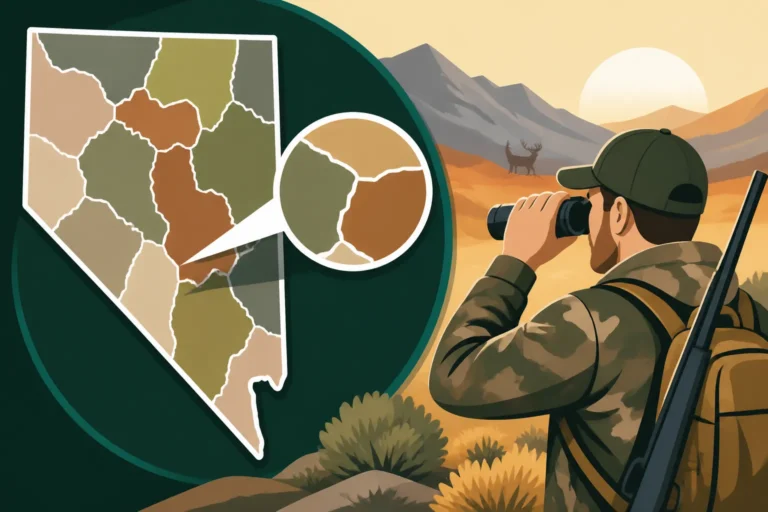
For instance, if you're looking at a prime mule deer unit that typically takes a lot of points to draw, consistently applying for a point-only option ensures you're continually boosting your chances. When you finally decide it's time to go all-in and apply for a tag, your accumulated, squared points will give you a considerable advantage over someone starting from scratch or someone who skipped a few years. It's a smart play, especially for non-residents who often face tougher odds and higher tag fees. You're building equity in your hunting future without having to float the full tag fee for a hunt you might not even be able to go on that year. Many savvy hunters use platforms like GoHunt to analyze these draw odds, allowing them to precisely calculate the impact of those accumulated points on their chances for specific units and species.
How to Apply for a Nevada Point-Only Application
Navigating any state's game and fish website can feel like trying to find a needle in a haystack, but the process for a point-only application in Nevada is actually quite straightforward once you know where to look. You'll primarily be using the Nevada Department of Wildlife (NDOW) online portal, the same place where you'd apply for any big game tag.
First things first, you'll need an active Nevada hunting license, often referred to as a "combination license." This is your foundational piece, and you can't participate in the draw or purchase a point without it. If you're a non-resident, this means purchasing The Nonresident Nevada Combination License which is an additional cost on top of the point fee. Once you have your license, you'll log into your NDOW account. During the official application period, which typically runs from When Nevada Applications Open in March to The Nevada Application Deadline in May, you'll see the option to apply for big game tags. Instead of selecting specific hunt codes, you'll find an option to "Purchase Bonus Point Only" or something similar for each species you're interested in. You just select this option for mule deer, elk, antelope, bighorn sheep, or mountain goat, pay the associated application fee (which is less than the full tag fee but still required), and you're good to go. It’s critical to remember that Are Nevada Bonus Points Species-Specific so an elk point won't help you draw a deer tag, and vice-versa.
Setting Up Your NDOW Online Account
If you're new to Nevada hunting, the very first step is to establish your online presence with the Nevada Department of Wildlife. This isn't just about applying for points or tags; it's where all your hunting records, license purchases, and draw history will reside. Creating this account is usually a simple process, requiring some personal information and establishing a username and password. You'll want to make sure all your details are accurate, as this information links directly to your hunting profile and any points you accumulate. NDOW needs to know who you are to correctly track your bonus points over the years. Getting your Setting Up a Nevada Online Account sorted out early means you won't be scrambling at the last minute as the application deadline looms. Don't wait until the day before the deadline to try and get this set up, as technical issues can always arise, and you don't want to miss your chance to secure that crucial point.
Navigating the Application Portal for Point-Only Options
Once logged in during the application period, you'll typically be presented with a list of big game species. For each species, you'll have the choice to either apply for specific hunt units (which involves listing your first, second, third choices, etc.) or to simply purchase a bonus point. You're looking for that "Bonus Point Only" checkbox or selection. It’s usually clearly labeled, but sometimes it can be tucked away in a menu. Select the species you want to gain a point for, click the bonus point option, and then proceed through the payment process. This might seem overly simple, but that's the beauty of it. You don't need to stress over unit choices or season dates; you just need to ensure you click the right box and pay the fees. Double-check your selections before finalizing the purchase to make sure you're indeed acquiring a point for the correct species. Many hunters use resources from GoHunt to streamline this process, as their tools often integrate directly with state draw information, making it easier to ensure you're making the right choices.
| Species | Resident Point-Only Cost (Approx.) | Non-Resident Point-Only Cost (Approx.) | Full Application Cost (Example Deer Tag) |
|---|---|---|---|
| Mule Deer | Combination License + $13 (App Fee) | Combination License + $13 (App Fee) | Combination License + $13 + $172 (Tag Fee) |
| Elk | Combination License + $17 (App Fee) | Combination License + $17 (App Fee) | Combination License + $17 + $1200 (Tag Fee) |
| Antelope | Combination License + $13 (App Fee) | Combination License + $13 (App Fee) | Combination License + $13 + $300 (Tag Fee) |
| Bighorn Sheep | Combination License + $17 (App Fee) | Combination License + $17 (App Fee) | Combination License + $17 + $1200 (Tag Fee) |
| Mountain Goat | Combination License + $17 (App Fee) | Combination License + $17 (App Fee) | Combination License + $17 + $1200 (Tag Fee) |
Note: The costs above are approximate and can change. Always verify current fees on the official NDOW website.
Understanding the Costs and What Happens Next
While buying a point is far less expensive than applying for a full tag, it's not free. There are typically a few components to the cost, especially for non-residents. You'll always need to purchase a valid Nevada hunting license for the current year. This is the foundation for any hunting activity in the state, including participating in the draw or acquiring points. Beyond the license, there's an application fee associated with each species you apply for, whether it's a full tag application or a point-only application. Nevada Application Fees Per Species vary depending on the game animal, with elk and bighorn sheep usually carrying a slightly higher fee than deer or antelope. This fee is what secures your entry into the draw or, in this case, secures your bonus point.
After you've successfully paid, your bonus point will be added to your profile for that specific species. It will be recorded by NDOW, patiently waiting for the day you decide to apply for a tag. It's important to understand what happens when you finally draw a tag: What Happens to Nevada Points When You Draw. For the species you draw, your accumulated bonus points will reset to zero. This is common practice in many Western states and ensures that everyone eventually gets a shot, preventing a system where only those with an astronomical number of points ever draw. However, your points for other species you didn't draw will remain intact, ready for future applications. This reset mechanism is part of the long game strategy, encouraging consistent participation over many years.
Critical Considerations for Point-Only Applicants
Even with the straightforward nature of point-only applications, there are a few important details you should never overlook. Missing these can mean a wasted year or, worse, losing out on points you've worked hard to accumulate.
Firstly, deadlines are absolute. The Nevada Application Deadline in May isn't a suggestion; it's a hard cutoff. If you miss it, you miss your opportunity to gain a point for that year, and there are no exceptions. NDOW operates on strict timelines to manage hundreds of thousands of applications, so mark your calendar, set reminders, and apply well in advance. Don't be that hunter scrambling at midnight on deadline day, only to face website slowdowns or unexpected issues. Give yourself plenty of buffer time.
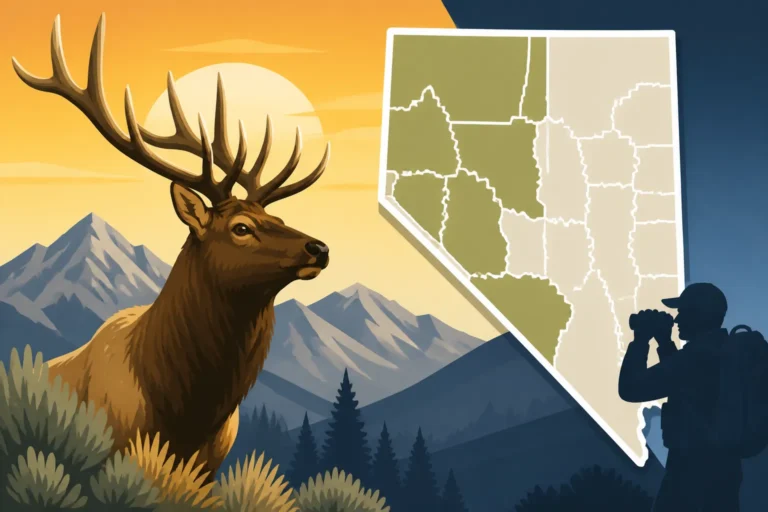
Secondly, remember that these points are species-specific. Your hard-earned mule deer points will only help you draw a mule deer tag. They will not transfer over to an elk application or an antelope application. This is why many dedicated Western hunters often apply for point-only for multiple species each year, effectively building their portfolio across different game animals. It's an investment, and like any good investment, diversification can be a wise move. Always ensure you're applying for the point for the correct species you intend to hunt in the future. Checking draw odds on platforms like GoHunt can further refine your strategy, helping you decide which species warrant a consistent point investment.
Leveraging Point Strategies for Future Hunts
Building points in Nevada isn't just about passively waiting; it's an active strategy that sets you up for success down the road. By consistently acquiring points, even if it's just one point per species each year, you're constantly improving your position in the highly competitive draw. When the stars finally align, and you have the time and resources for that dream hunt, your accumulated points will significantly boost your odds for a limited entry tag.
This consistent effort allows you to be flexible. You might be busy with work, family, or other hunting endeavors for a few years, but you're still moving forward in Nevada. Then, when a window opens, you can dedicate yourself to E-Scouting a Nevada Unit Before the Season and getting ready to hit the field. This also ties into being able to do proper research, like Reading a Nevada Hunt Unit Before You Apply. With accumulated points, you can afford to be more selective, targeting those higher-quality units that require more points, rather than settling for a unit with lower draw odds or fewer trophy animals. It empowers you to hunt smarter, not just harder, when your number finally comes up.
Disclaimer
The information provided in this article is for general guidance and informational purposes only. Hunting regulations, fees, and seasons are subject to change by the Nevada Department of Wildlife (NDOW). Always consult the official NDOW website and current year's regulations before making any application decisions or participating in hunting activities. It is the hunter's responsibility to know and understand all applicable laws and regulations.