How Nevada Sets Its Tag Quotas
It's incredibly frustrating when you're trying to plan your next hunting adventure in Nevada, poring over draw odds and unit maps, but the actual number of tags available seems to magically appear out of thin air. You know those tag quotas are the gatekeepers to your dreams of chasing mule deer or elk, but understanding how those numbers are actually decided can feel like deciphering an ancient scroll. This guide is here to pull back the curtain, explaining the intricate, data-driven process Nevada uses to set its tag quotas each year, giving you a clearer picture of what influences your chances in the draw.
The Cornerstone of Wildlife Management: Biological Data and Herd Health
At the heart of every tag quota decision in Nevada lies a vast and ongoing effort to collect and analyze biological data. The Nevada Department of Wildlife (NDOW) isn't just pulling numbers out of a hat; they're working tirelessly in the field, gathering information that paints a realistic picture of each game species' population health. This data is the bedrock upon which sustainable hunting seasons are built, ensuring that hunting opportunities exist not just this year, but for generations to come.
Think about it from a deer biologist's perspective. They're not just counting animals; they're looking at a complex web of factors. Aerial surveys are a huge part of this, flown meticulously over known winter ranges and migration corridors. During these surveys, biologists count deer, but more importantly, they're classifying them by age and sex: how many does, how many fawns, and how many bucks, often categorizing bucks by antler size if visible. These fawn-to-doe ratios are critical because they indicate reproductive success and recruitment into the herd. If fawn ratios are low for a couple of years, it's a huge red flag that the population might be struggling, possibly due to poor habitat, harsh winters, or increased predation. You can imagine how this directly influences decisions on tag numbers; fewer fawns now means fewer mature bucks a few years down the road. Why Fawn Ratios Predict Next Season
Beyond aerial counts, NDOW also utilizes various ground surveys, remote cameras, and even hunter harvest reports to fill in the gaps. Every deer, elk, or antelope harvested provides valuable data points—age, sex, general health—that contribute to the overall understanding of the herd. They're also studying habitat conditions, looking at forage availability, water sources, and the impacts of factors like drought or wildfire. For instance, a prolonged drought, which is a real concern across much of the Great Basin, can severely impact the quality and quantity of forage, stressing animal populations and making them more susceptible to disease or winter mortality. Conversely, a few years of good moisture can lead to flush feed, healthier animals, and stronger fawn crops, potentially allowing for an increase in tag numbers. How Drought Affects Great Basin Deer All of this information is compiled, cross-referenced, and discussed by wildlife managers to form a robust, scientifically-backed assessment of each herd.
From Field to Decision: The Quota Setting Process
Once all this invaluable biological data is compiled, the real work of translating it into tangible tag quotas begins. This isn't a single person making a unilateral decision behind a closed door; it's a multi-stage process involving biologists, local advisory boards, and ultimately, the Nevada Board of Wildlife Commissioners. It’s designed to be transparent and incorporate various perspectives.
The first step typically involves NDOW biologists developing preliminary recommendations for tag numbers, season dates, and unit boundaries for each species. They take the raw data—the fawn ratios, buck-to-doe ratios, population estimates, harvest success rates, and habitat assessments—and blend it with herd management plans that outline long-term population objectives for specific units or unit groups. These plans aren't static; they're regularly reviewed and adjusted based on current conditions. For example, if a management plan aims for a certain buck-to-doe ratio in a specific mule deer unit, and current data shows the ratio is dipping below that objective, the biologists might recommend fewer buck tags to allow the population to recover. Or, if elk numbers in a particular area are steadily growing, they might propose a slight increase in cow tags to help manage herd size and mitigate potential depredation issues on agricultural lands. Reading a Herd Management Plan
These preliminary recommendations then go through a rigorous internal review process before being presented to the public and the various County Wildlife Advisory Boards (CWABs). These advisory boards are made up of local citizens, often hunters, ranchers, and conservationists, who live and work in the areas being discussed. Their input is crucial because they offer local insights and perspectives that might not always be captured in scientific data alone. They know the land, they see the animals, and they understand the local human dimensions of wildlife management. After incorporating CWAB feedback, or at least considering it, NDOW staff presents their final recommendations to the Nevada Board of Wildlife Commissioners. This is where the decisions become official. The Commission holds public meetings where anyone can voice their opinions, concerns, or support for the proposed quotas. They then vote on each proposal, effectively setting the final tag numbers for the upcoming hunting seasons.
| Stage of Quota Setting | Key Activities | Primary Inputs | Stakeholders Involved |
|---|---|---|---|
| Data Collection | Aerial & ground surveys, remote cameras, harvest data | Fawn ratios, buck-to-doe ratios, population estimates, winter range conditions, habitat health, disease prevalence (e.g., CWD monitoring) | NDOW Biologists & Field Staff |
| Preliminary Proposal | Biologists analyze data, develop initial tag numbers, season dates, unit boundaries based on herd management plans | Biological data, historical trends, management objectives, previous harvest data | NDOW Biologists & Management Staff |
| Local Review | Proposals presented to County Wildlife Advisory Boards (CWABs) for feedback and discussion | Local knowledge, community concerns, hunter observations | CWAB members, Local Public |
| Final Recommendation | NDOW staff refine proposals, considering CWAB input, for presentation to the Commission | Revised biological assessment, CWAB recommendations | NDOW Management Staff |
| Commission Decision | Public hearing, open discussion, and formal vote on all proposed quotas and regulations | All previous data, public testimony, Commissioner deliberation | Nevada Board of Wildlife Commissioners, General Public |
The Hunter's Perspective: Understanding Tag Quotas and Draw Odds
From a hunter's standpoint, all this behind-the-scenes work culminates in one crucial number: the tag quota. This is the figure that directly impacts your chances in the Nevada big game draw. When you're looking to apply for a coveted tag, understanding how these quotas are set can give you a significant edge in your application strategy. After all, a unit with a consistent history of high tag numbers might offer better odds, while a unit that saw a sharp reduction in tags is probably going to be a tougher draw.
Consider the interplay between tag quotas and Nevada's Squared Bonus Points Into Draw Chances. Nevada's unique system amplifies your chances with each bonus point you accrue, but even the best point strategy can only do so much if the overall number of tags for a particular unit and species is severely limited. If NDOW reduces mule deer tags in a popular unit due to lower fawn recruitment, suddenly a lot more hunters are competing for fewer available permits. This drives down success rates in the draw, making it harder even for those with a substantial pile of bonus points. That's why keeping an eye on the proposed tag quotas each year is so important—it's one of the best indicators of future draw difficulty.
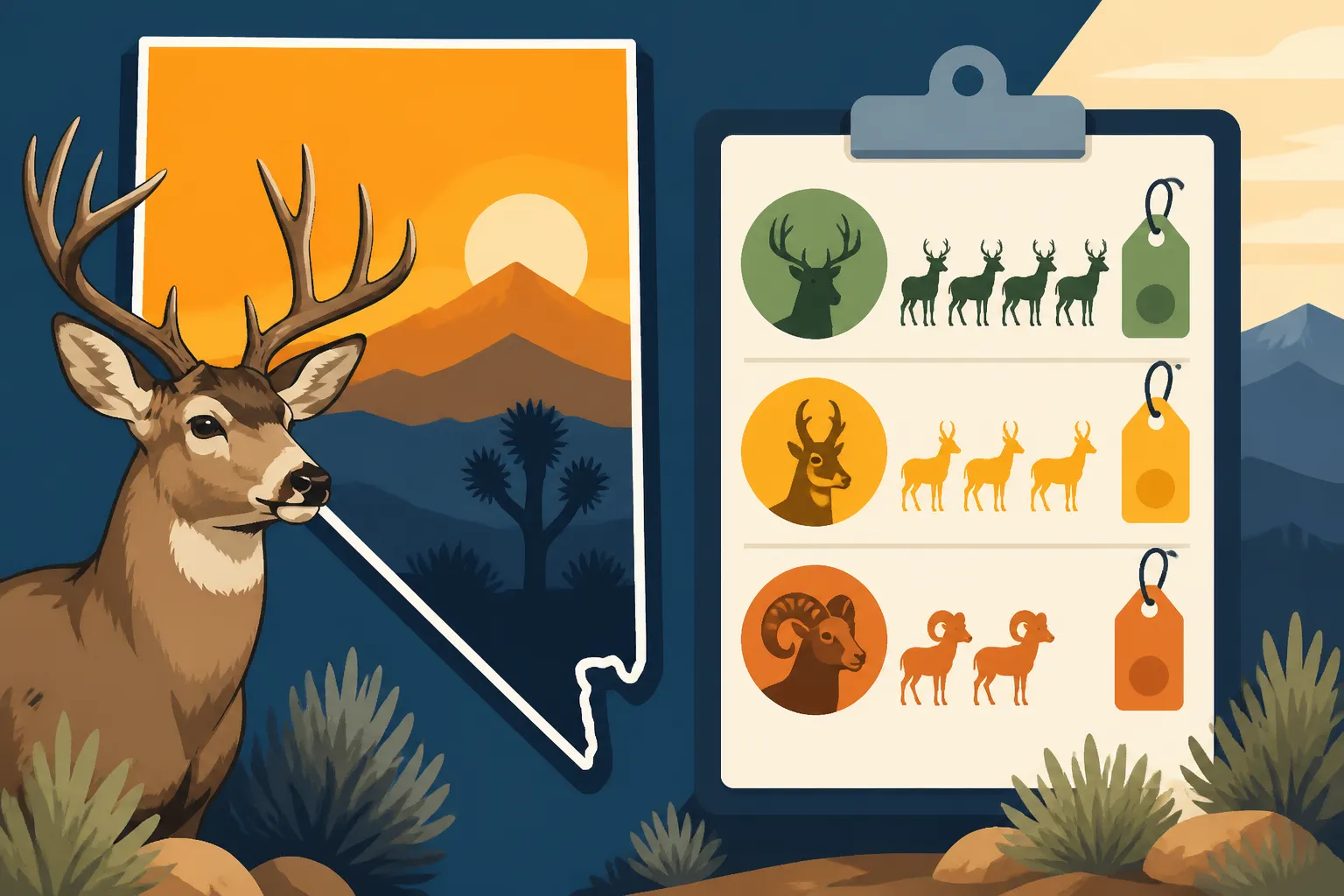
Many hunters use platforms like GoHunt to research these trends. GoHunt provides incredible tools for analyzing past draw odds, application statistics, and importantly, how tag quotas have fluctuated over time in specific units. This allows you to combine historical data with current NDOW proposals to make an informed decision. For example, if you see that a unit's elk tag quota has remained relatively stable or even increased slightly over the last few years, and the herd is healthy, that might indicate a unit worth considering for your application. Conversely, if you notice a consistent downward trend in available tags, you might want to re-evaluate your expectations or adjust your unit choices. The data GoHunt compiles on historical draw success and tag allocation is an absolute game-changer for planning your application strategy. It’s critical to remember that while the tag quota sets the maximum number of permits, there are also various tag types and weapon seasons (archery, muzzleloader, rifle) that further divide these numbers. A unit might have a decent overall deer quota, but only a handful of late rifle tags, which tend to be the most sought-after. Late Rifle Deer Seasons in Nevada
Why the Numbers Change: Factors Influencing Annual Quota Adjustments
Wildlife populations are not static; they are incredibly dynamic, constantly responding to a myriad of environmental pressures and ecological factors. This inherent variability is why Nevada's tag quotas are never truly set in stone year after year. Understanding these influencing factors can help you anticipate potential changes and make more informed decisions about your hunting applications.
One of the most significant drivers of change is the weather. Nevada is an arid state, and precipitation—or the lack thereof—has a profound impact on habitat quality. Years of severe drought can lead to poor forage conditions, weakened animals, reduced fawn or calf survival, and even direct mortality. When NDOW biologists report low fawn ratios or increased winterkill during their surveys, it almost inevitably leads to recommendations for reduced tag quotas to protect the breeding population and allow the herd to recover. Conversely, a string of wet years can result in abundant vegetation, thriving wildlife, and potentially higher tag allocations. How Wildfire Changes Sagebrush Habitat Similarly, severe winters, especially those with heavy, long-lasting snows in critical winter range areas, can cause significant mortality. If a particularly harsh winter hits, even if the previous summer was good, the biologists will factor that into their quota recommendations, often leading to a reduction in tags.
Beyond climate, other factors also play a role. Disease outbreaks, though thankfully rare for many species, can devastate a local population, leading to drastic reductions in tags as seen with bighorn sheep. Bighorn Disease Die-Offs Explained Habitat changes due to wildfires, invasive species like cheatgrass, or human development can alter the carrying capacity of the land, affecting how many animals a unit can support. Predator populations, while managed separately, also factor into the overall health and recruitment rates of big game herds. Predator Management and Nevada Deer NDOW also considers public feedback from the CWABs and public commission meetings. Sometimes, local concerns about herd distribution, specific areas of impact, or even the quality of the hunting experience can influence quota decisions, especially for antlerless tags or specific early seasons. These are often small adjustments at the margins, but they demonstrate how the human element is intertwined with the biological science. Staying tuned to NDOW's annual proposals and understanding the factors at play—whether through official channels or resources like GoHunt—is key to navigating the complex world of Nevada's tag quotas.
Disclaimer
This article is for general informational purposes only and does not constitute professional advice. Laws, prices and regulations vary by location and change over time. Consult a qualified professional for guidance on your specific situation.