What a Herd Objective Actually Means
Ever stared at the Nevada hunting regulations, trying to make sense of all the jargon, and then you hit a phrase like "herd objective"? It's one of those terms that can feel like a secret code, and without understanding it, you're missing a huge piece of the puzzle when it comes to predicting draw odds, unit potential, or even just grasping why seasons are structured the way they are. This guide is all about pulling back the curtain on herd objectives, explaining what they mean, how they're set, and how you can use this knowledge to become a more informed, successful hunter in Nevada's vast and challenging landscape.
Understanding the Core Concept: What Exactly is a "Herd Objective"?
When you see "herd objective" in the context of Nevada wildlife management, it’s not just some arbitrary number pulled out of thin air. It's a fundamental pillar of how wildlife populations are managed across the state, influencing everything from the number of tags issued to the long-term health of our big game animals. Think of it as a carefully considered target range or a specific goal that wildlife managers aim for in a given unit or group of units for a particular species.
Population Goals and Management Baselines
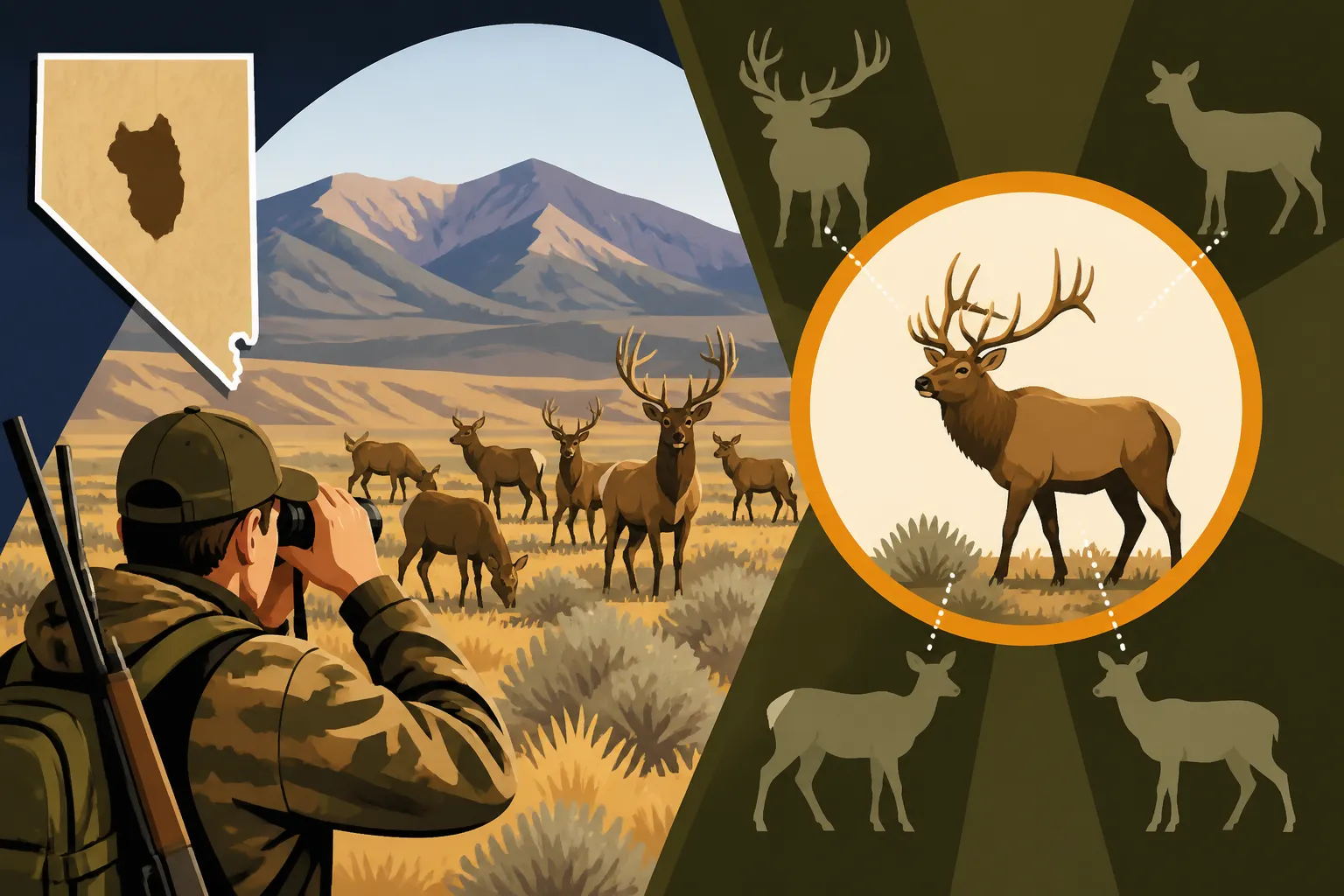
At its heart, a herd objective represents the desired population size or range for a specific species, like mule deer or elk, within a defined hunt unit. This objective isn't simply about having more animals; it’s about maintaining a healthy, sustainable population that thrives within its habitat, provides hunting opportunities, and minimizes conflicts with other land uses, like agriculture. Wildlife agencies consider a multitude of factors, including the habitat's carrying capacity—meaning how many animals the land can realistically support without degrading its resources—as well as the overall health and genetic diversity of the herd. It's a baseline, a critical benchmark that guides management decisions year after year.
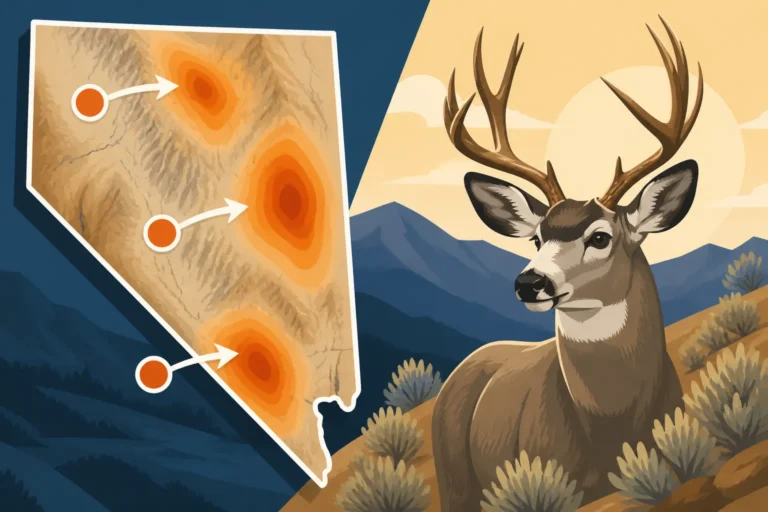
For example, a unit might have an objective to maintain 2,500-3,000 mule deer. If aerial surveys show the population dipping below 2,500 for several years, that signals a need for management changes, which could include reducing doe tags or adjusting season lengths. Conversely, if numbers consistently exceed 3,000, managers might consider increasing tags to bring the population back within the objective range, ensuring the habitat isn't overgrazed and the herd remains robust.
More Than Just a Number: Why It Matters to Hunters
For us as hunters, understanding herd objectives is absolutely crucial because it directly translates into opportunity. The number of tags available for species like mule deer or elk in a given year is often a direct reflection of how the current population compares to its established objective.
Here's why it matters to your draw chances and hunting strategy:
- Tag Quotas: If a herd is significantly below its objective, wildlife managers are likely to reduce the number of hunting tags issued, making drawing a tag tougher. This directly impacts How Many Tags Nevada Issues Each Year. Conversely, if a herd is above its objective, there's a higher chance that tag numbers will increase, potentially improving your draw odds.
- Herd Health and Trophy Potential: A herd that is well within its objective range, especially with good buck-to-doe or bull-to-cow ratios, usually signifies a healthier population. Healthy populations generally have better age structures, which means a greater chance of finding mature, trophy-class animals. If a herd is stressed due to overpopulation or habitat degradation, trophy potential can decline.
- Season Structure: Herd objectives also influence season timing and length. For instance, if managers are trying to increase fawn recruitment or protect mature animals, they might adjust season dates or restrict certain weapon types.
Being aware of a unit's herd objective and its current status can help you make more informed decisions about where to apply, especially when using resources like GoHunt, which often track these trends to provide insights into draw odds and unit potential. It’s not just about chasing points; it’s about understanding the biological underpinnings of why some units are tougher to draw than others, as explored in Why Nevada Draw Odds Vary So Much by Unit.
The Science Behind the Numbers: How Are Objectives Set?
Setting a herd objective is far from a simple task. It’s a complex, multi-faceted process that involves rigorous scientific data collection, biological analysis, and a delicate balancing act of various social, economic, and ecological considerations. Wildlife agencies, primarily the Nevada Department of Wildlife (NDOW), take this process very seriously, as these objectives form the backbone of their management strategies.
Data Collection and Scientific Input
The foundation of any herd objective is sound data. Wildlife biologists are constantly in the field, gathering information to get the most accurate picture of a herd's status. This isn't just a one-time event; it's an ongoing, year-round effort.
Key data points and methods include:
- Aerial Surveys: Biologists use aircraft to count animals, providing population estimates, and crucial ratios like buck-to-doe or bull-to-cow. This is often How Biologists Count a Desert Big Game Herd are estimated.
- Harvest Data: Every time a hunter checks in an animal, that information (sex, age, location) contributes to the dataset. This helps track trends and reproductive success. Where Nevada Publishes Harvest Data is a great resource for hunters to review this.
- Fawn-to-Doe Ratios: This is a critical indicator of reproductive success and future population growth. A strong fawn crop often means the herd is healthy and growing, directly influencing Why Fawn Ratios Predict Next Season.
- Habitat Assessments: Evaluating the condition of the forage, water sources (How Guzzlers Concentrate Desert Game), and overall habitat health helps determine the carrying capacity and potential for population growth.
- Disease Monitoring: Keeping tabs on diseases like Chronic Wasting Disease (How Chronic Wasting Disease Testing Works) or other health issues can prevent widespread die-offs that impact population numbers.
All this scientific data is analyzed to create a detailed picture of the herd's current status and its long-term viability. This information is then used to recommend objective ranges that are biologically sound and sustainable.
Balancing Act: Social, Economic, and Biological Factors
While science provides the bedrock, setting a herd objective is never just about biology. There are significant social and economic factors that come into play, making it a balancing act involving diverse stakeholders.
Consider these influences:
- Hunter Expectations: Hunters often have strong opinions about tag numbers, trophy potential, and access. Wildlife agencies aim to provide sustainable hunting opportunities while managing expectations for quality and success.
- Landowner Concerns: In agricultural areas, high wildlife populations can lead to crop damage or other property conflicts. Agencies must consider depredation issues and work with landowners to mitigate problems.
- Public Input: Public meetings and comment periods allow citizens, including non-hunters, to voice their perspectives on wildlife management, habitat, and conservation. These forums influence the final decisions.
- Economic Impact: Hunting generates significant revenue through licenses, tags, gear sales, and related tourism. Objectives consider the economic benefits of healthy, huntable populations.
- Conservation Goals: Beyond hunting, objectives often incorporate broader conservation goals for biodiversity and ecosystem health.
Because of this intricate balance, herd objectives are often outlined in comprehensive documents like a Reading a Herd Management Plan, which details the data, rationale, and various considerations that went into setting the goals for a particular species in a specific region. This helps ensure transparency and accountability in the management process.
Different Types of Objectives
It's also worth noting that not all herd objectives are the same. They can take various forms depending on the species, the unit, and the management goals.
Here’s a look at common types:
- Numerical Population Objective: This is a specific target number, e.g., "maintain a population of 1,500 elk."
- Population Range Objective: More commonly, objectives are set as a range, e.g., "maintain mule deer between 2,000 and 2,500 animals." This provides flexibility for natural fluctuations.
- Trend Objective: Sometimes, the objective isn't a fixed number but a desired trend, such as "maintain a stable population" or "slowly increase the population over the next decade." This is often used when a population is recovering from a decline or in very dynamic environments.
- Ratio Objective: For some species, especially those managed for trophy potential, objectives might include specific buck-to-doe or bull-to-cow ratios, like "achieve a minimum of 30 bulls per 100 cows."
These different approaches allow wildlife managers to tailor their strategies to the unique circumstances of each herd and unit.
The Dynamic Nature of Wildlife Management: Why Objectives Change
You might think that once a herd objective is set, it's set in stone. But the truth is, wildlife management is a dynamic process, and herd objectives are regularly reviewed and, if necessary, adjusted. The environment, animal populations themselves, and even societal values are constantly shifting, and management strategies must evolve to keep pace.
Environmental Shifts and Habitat Health
Nevada's landscape is beautiful but unforgiving, and environmental factors play a massive role in a herd's ability to thrive. These shifts are often the primary drivers for changes in herd objectives.
- Drought: Prolonged periods of drought are a constant concern in the Great Basin. A lack of water and forage can severely impact fawn survival, animal health, and overall population numbers. When a unit experiences severe drought, the carrying capacity of the land shrinks, which might necessitate a reduction in the herd objective to avoid overgrazing and maintain healthier animals.
- Wildfires: While some wildfires can lead to beneficial habitat regeneration in the long term, large-scale fires can devastate critical winter range or summer forage areas, as discussed in How Wildfire Changes Sagebrush Habitat. If a significant portion of a herd's habitat is destroyed, the objective might need to be lowered until the habitat recovers.
- Disease Outbreaks: Diseases can sweep through a herd, causing significant die-offs. Bighorn Disease Die-Offs Explained, for example, illustrate how quickly a population can be impacted. Following such events, objectives may be reduced to allow the remaining population to rebound slowly and healthily.
- Invasive Species: The spread of invasive plants like Cheatgrass and What It Did to Nevada Range can degrade native forage, reducing the quality and quantity of food available for big game. This, too, can lower the land's carrying capacity and necessitate objective adjustments.
These environmental pressures are often beyond human control, but management must react to them to ensure the long-term viability of the state's wildlife.
Evolving Hunter Expectations and Social Values
Just as the environment changes, so do the expectations of hunters and the broader public. These evolving social values can also influence herd objectives.
- Trophy vs. Opportunity: There's an ongoing discussion in many states, including Nevada, about whether management should prioritize producing a few, very large trophy animals or provide more opportunities for hunters to draw a tag, even if it means smaller animals. If the public sentiment shifts towards, say, more opportunity, objectives might be adjusted to allow for higher population numbers and more tags, even if it slightly reduces the average size of older animals.
- Non-Consumptive Use: Wildlife agencies also manage for non-hunting interests, such as wildlife viewing. Objectives might be influenced by a desire to maintain visible populations in certain areas for tourism or aesthetic value.
- Depredation Tolerance: As human populations expand, interactions with wildlife increase. The public's tolerance for wildlife depredation on private property or roadways can influence whether a herd objective needs to be adjusted downwards in certain areas to reduce conflicts.
These discussions are often part of the public input process when How Nevada Sets Its Season Framework is being reviewed, demonstrating that wildlife management is a social science as much as it is a biological one.
Legislative and Funding Influences
Finally, decisions made in the political arena and fluctuations in funding can also cause herd objectives to change.
- Policy Decisions: New laws or policy directives from state legislatures can sometimes mandate changes in how wildlife is managed, which might impact existing herd objectives.
- Funding for Research and Surveys: The ability to conduct comprehensive aerial surveys and habitat assessments depends on adequate funding. If funding decreases, the precision of data might be affected, leading to more conservative or reactive objective adjustments.
- Inter-agency Collaboration: Wildlife management often involves collaboration with federal agencies like the BLM or Forest Service, particularly on land management issues. Changes in these relationships or their management priorities can also indirectly affect herd objectives.
This dynamic interplay of factors means that herd objectives are living documents, continually assessed and adapted to ensure responsible and effective wildlife stewardship.
Applying Herd Objective Knowledge to Your Hunt Strategy
Understanding herd objectives isn't just for wildlife biologists; it's a powerful tool for every Nevada hunter. Knowing how these objectives are set and why they change can give you a significant advantage in planning your hunts, applying for tags, and even becoming a more engaged advocate for wildlife.
Decoding Draw Odds and Unit Potential
This is perhaps the most immediate and tangible benefit for hunters. Herd objectives are directly linked to the number of tags issued, which in turn dictates your draw odds.
Here’s how to use this knowledge:
- Monitor Population Status: Keep an eye on the latest harvest reports and population survey summaries published by NDOW (or compiled by services like GoHunt). If a unit’s population is consistently reported as being above its objective, it's a strong indicator that tag numbers might be generous in the coming years. This could make it a good unit to apply for if your priority is drawing a tag, even if it means a potentially higher hunter density.
- Identify Trend Shifts: Look for units where the population is showing an upward trend and moving towards or past its objective. These might be emerging units for opportunity. Conversely, if a population is struggling and consistently below objective, expect fewer tags and tougher draws. This information is key when analyzing Reading a Nevada Hunt Statistics Table.
- Assess Trophy Potential: Units that are managed to maintain high buck-to-doe or bull-to-cow ratios, often with objectives that aim for older age classes, typically offer better trophy potential. These units are often harder to draw, but knowing the management goals confirms why they are sought after.
Imagine two units with similar tag numbers in the draw statistics. If Unit A is at 120% of its herd objective and Unit B is at 80%, Unit A is more likely to sustain or increase its tag numbers, while Unit B might see reductions in the future. GoHunt is a fantastic resource that often aggregates this information, providing detailed analysis that can help you see these nuances at a glance.
| Herd Status vs. Objective | Likely Tag Quota Impact | Hunter Density Impact | Potential for Mature Animals | Draw Odds Trend |
|---|---|---|---|---|
| Well Below Objective | Reduced, potentially severe | Low to Moderate | Lower | Getting Tougher |
| Slightly Below Objective | Stable or slightly reduced | Moderate | Moderate | Stable to Tougher |
| At Objective | Stable, sustainable | Moderate | Good | Stable |
| Slightly Above Objective | Stable or slightly increased | Moderate to High | Good | Stable to Easier |
| Well Above Objective | Increased, high opportunity | High | Moderate | Easier, More Tags |
Informing Your Application Choices
When you're meticulously researching units for the big game draw, understanding herd objectives can significantly refine your strategy. It’s not enough to just look at a unit number; you need to grasp what that number means in terms of management goals. This insight is critical as you navigate Reading a Nevada Hunt Unit Before You Apply.
- Strategic Unit Selection: If you're building points for a highly coveted, limited-entry unit, understanding that unit's herd objective and management history confirms why it's a trophy unit. Managers often prioritize genetics and age structure in these areas, leading to lower tag numbers but higher quality animals. If you're hoping to just draw any tag, focusing on units that are at or slightly above objective might be a smarter bet for Choice Order Strategy in the Nevada Draw.
- Long-Term Planning: Herd objectives provide a glimpse into the future. If a unit's objective is to grow the herd, you might consider applying for bonus points in that unit, anticipating increased tag numbers down the line. Conversely, a unit with a declining objective might signal a need to rethink your long-term strategy there.
- Understanding Regulation Changes: Many times, changes in season dates, weapon restrictions, or specific hunt types (e.g., antlerless tags) are directly tied to an effort to move a herd closer to its objective. For example, increased antlerless tags might be offered in units that are above their population objective.
Before you finalize your application choices, spend some time digging into the NDOW regulations and harvest reports. Many online tools, including GoHunt's draw odds and unit breakdowns, make this data more accessible and help you see how current herd numbers stack up against their objectives.
Engaging in the Management Process
Finally, understanding herd objectives empowers you to be a more effective and responsible conservationist. Wildlife management isn't a top-down mandate; it's a collaborative effort.
- Provide Informed Feedback: NDOW regularly holds public meetings and solicits comments on proposed regulation changes and management plans. When you understand what a herd objective means and how it's being met (or not met) in a particular unit, your feedback becomes far more valuable and impactful. You can speak to specific data and management goals rather than just voicing a general opinion.
- Advocate for Habitat: If you see that a herd is struggling to meet its objective due to habitat degradation, you can advocate for conservation efforts, habitat restoration projects, or responsible land use. Remember, the health of the habitat directly dictates the health of the herd.
- Support Wildlife Agencies: By understanding the complexity of wildlife management, you can better appreciate the challenges faced by biologists and game wardens. Supporting their work through license purchases and active participation helps ensure that Nevada's wildlife resources remain strong for future generations.
Knowing what a herd objective truly means transforms you from just a participant in the draw system to an informed stakeholder in the future of Nevada's incredible wildlife. It allows you to see the bigger picture and connect the dots between the land, the animals, and the regulations that govern our cherished hunting traditions.
Disclaimer
This article is for general informational purposes only and does not constitute professional advice. Laws, prices and regulations vary by location and change over time. Consult a qualified professional for guidance on your specific situation.