What Preseason Scouting Reports Include
Heading into a new hunting unit or even a familiar one after a long break can feel like walking into the unknown. The big questions loom: Where are the animals holding? What's the latest on water sources? What did the winter do to the herd? This guide dives deep into what a comprehensive preseason scouting report should include, offering you the intel you need to step into opening day with confidence, rather than just a hope and a prayer.
The Foundation of a Solid Scouting Report
A truly useful preseason scouting report isn't just a quick glance at a map; it's a meticulously crafted document that builds a detailed picture of the hunting unit. It starts with the big-picture items before narrowing down to the nitty-gritty of animal behavior.
Understanding Your Unit's Landscape and Access
Before you can even think about finding animals, you need to understand the ground they live on. A good scouting report lays out the geographical basics, painting a clear picture of the unit's physical challenges and opportunities. This means detailing the specific terrain features you'll encounter, whether it's rolling sagebrush flats, steep pinyon-juniper canyons, or high-elevation aspen pockets. It should highlight significant elevation changes, telling you where to expect grueling climbs and where to find more moderate slopes. Understanding the vegetation types is crucial, as different species prefer different forage and cover, influencing where you might find them bedding or feeding.
Beyond the natural landscape, a report must thoroughly cover access. This includes identifying all primary and secondary access points into the unit, detailing the condition of roads, from maintained gravel paths to rough, two-track trails that might require a high-clearance 4×4. It's not uncommon for seasonal closures to impact access, especially in higher elevations or after wet weather, so a report should flag these potential limitations. Furthermore, an accurate breakdown of public versus private land boundaries is paramount. You don't want to inadvertently trespass, and knowing where public access is strong or where it's limited by private parcels can dictate your entire hunting strategy. Sometimes, those hard-to-reach public sections, surrounded by private land, hold untouched game. If you're looking to dive deeper into how to break down a unit from the comfort of your home, check out E-Scouting a Nevada Unit Before the Season. For a broader understanding of how these units are structured, you might find Reading a Nevada Hunt Unit Before You Apply helpful.
Analyzing Historical Data and Current Conditions
What happened last year, or even five years ago, isn't just history; it's a predictor of what might happen this season. A quality scouting report incorporates historical data to give context to current observations. This means looking at past harvest success rates for the unit and species you're targeting. Were hunters generally successful? Did certain areas consistently produce bigger animals? This kind of information helps temper expectations and direct effort. Just as important is analyzing past weather patterns. What kind of winter did the area experience? Was it mild or severe? How much snow did it get? These factors directly impact winter survival rates and the overall health of the herd.
Then, the report shifts to current conditions, which can drastically alter animal behavior. Is the unit experiencing a drought? This will absolutely affect where animals congregate, pushing them towards reliable water sources. Have there been any recent wildfires? Burned areas can initially displace game, but they also create new forage opportunities in subsequent years, changing movement patterns entirely. Understanding these dynamic environmental factors helps interpret fresh sign and predict animal movements. The report should also consider how past animal movements correlate with current conditions. Did a mild fall last year keep animals higher longer? A similar scenario this year might mean a different opening weekend strategy. For those interested in the impact of environmental factors, reading up on How Drought Affects Great Basin Deer can provide valuable context. Likewise, understanding How Wildfire Changes Sagebrush Habitat offers insight into long-term changes. You can often find some of this historical harvest data on the state's wildlife department website; for more on that, consider Where Nevada Publishes Harvest Data.
Zeroing In on Game Activity
Once the general lay of the land is established, a scouting report zeroes in on the very reason you're out there: the animals themselves. This involves identifying their hangouts and understanding their daily routines.
Identifying Key Habitat and Water Sources
Game animals, whether it's a big mule deer buck or a herd of elk, are creatures of habit, and those habits are largely dictated by their needs for food, water, and cover. A detailed scouting report will pinpoint specific feeding areas – those lush meadows, bitterbrush stands, or pockets of palatable forbs where animals are actively browsing or grazing. It will identify critical bedding grounds, often on north-facing slopes, in dense timber, or within secluded draws where animals can rest undisturbed, typically with good visibility or wind advantage. Travel corridors, those well-worn paths connecting bedding to feeding to water, are also key intelligence, as they represent predictable points of movement.
In a state as arid as Nevada, water sources are often the single most important factor concentrating game. A comprehensive report will map out not just major creeks or rivers, but every spring, guzzler, and even temporary water pocket that might be holding animals. It will describe the quality and reliability of these sources, noting if a spring is just a trickle or if a guzzler is actively being used. Understanding these hydration points is non-negotiable, especially for early season hunts when temperatures are still high. Knowing where to sit water, or where to start a stalk, is often directly tied to these vital locations. To delve deeper into this critical aspect, consider reading Hunting Water in Nevada's Driest Country and How Guzzlers Concentrate Desert Game. Furthermore, understanding Reading Water Sources Before an August Hunt can be crucial for planning those early archery hunts.
Patterns of Movement and Recent Sign
Animals don't just exist in a unit; they move within it. A valuable scouting report details recent sightings, offering intelligence on the specific locations, times, and even numbers of animals observed. This isn't just anecdotal; it's data. Beyond visual confirmation, the report interprets fresh sign: tracks, rubs on trees (especially from bucks and bulls prepping for the rut), scrapes where bucks communicate, and droppings that indicate recent activity. It notes the freshness of the sign, helping to understand if animals are currently using an area or if they were there last week.
The report should also describe common game trails, illustrating how animals navigate the landscape, often following the path of least resistance or utilizing cover to move stealthily. It can indicate patterns of movement between different areas, like deer moving from high-elevation summer range to lower feeding grounds as fall progresses, or elk shifting from open feeding to thick timber during midday. Understanding these patterns allows a hunter to anticipate where animals will be and when. This predictive element is what elevates a scouting report from a simple observation log to a strategic planning tool. If you're focused on predicting movements, then Patterning a Buck in the Weeks Before Opener offers some great advice. For elk hunters, being able to identify Reading Fresh Elk Sign in Thin Timber is an invaluable skill.
Strategic Insights for Your Hunt
A great scouting report doesn't just tell you where the animals are, but how to hunt them effectively. This is where strategic insights come into play, helping you visualize your hunt before you even set foot in the field.
Optimal Glassing Locations and Stalking Routes
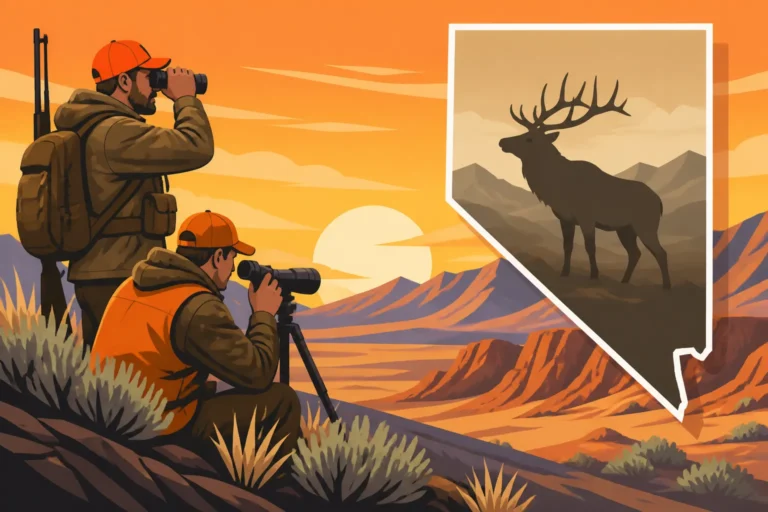
In the vast, open landscapes of Nevada, glassing is not just a tactic; it's the primary method for finding game. A comprehensive scouting report will pinpoint specific vantage points that offer expansive views of potential game habitat. It describes why these spots are good—perhaps they overlook multiple drainages, offer morning sun on a south-facing slope, or provide a clear view of a water source. It might even include advice on what time of day each spot is most effective for glassing, accounting for thermals and animal activity. If you want to refine your glassing technique, take a look at Glassing Grids Across a Nevada Basin.
Equally important are the detailed outlines of potential stalking routes once an animal is spotted. This involves identifying natural cover like drainages, rimrock, or brush lines that can conceal an approach. The report should consider prevailing wind directions and how to play them to your advantage, or at least avoid alerting game. It might suggest specific contours or draws to follow, noting potential obstacles or tricky sections. Understanding these routes beforehand can save precious time and reduce the chances of blowing a stalk once you're on the ground. For more on navigating those tricky approaches, Terrain That Hides an Approach in Open Country can offer valuable insights. Playing the wind is always crucial; consider Playing Thermals on a Rimrock Stalk for advanced strategies.
Weather Considerations and Contingency Planning
Nevada weather can be notoriously unpredictable, swinging from scorching heat to sudden snowstorms, even in the shoulder seasons. A good scouting report won't just give you an average temperature; it will delve into the typical weather expectations for the specific season and unit you're hunting. This includes historical temperature ranges, likelihood of precipitation, and predominant wind directions and speeds. Knowing these averages helps you pack appropriately and plan for comfort and safety.
Beyond averages, a valuable report will incorporate advice on adapting to rapidly changing conditions. What if an unseasonable cold front moves in? What if high winds make glassing impossible or a stalk too risky? It might suggest backup plans, like targeting different elevation bands or shifting from open-country glassing to still-hunting timber if the weather dictates. This proactive approach ensures you're not caught off guard and can adjust your strategy on the fly. Thinking about how to dress for these changes is key, so consider Layering for Basin and Range Temperature Swings. For those early season hunts, Heat Management on an August Archery Hunt is another crucial read.
Leveraging Preseason Reports for Success
Whether you're a seasoned DIY hunter or considering a guided experience, preseason reports are a powerful tool for maximizing your chances.
DIY Hunters and Scouting Platforms
For many of us, the hunt is as much about the planning and the challenge of doing it yourself as it is about the harvest. Even if you're going completely DIY, detailed scouting reports can be an invaluable asset. While you might not have a dedicated scout on the ground, the internet has opened up a world of data. Many DIY hunters piece together their own "reports" from publicly available information, satellite imagery, and online community forums. This is where platforms like GoHunt truly shine. They offer comprehensive unit data, including harvest statistics, draw odds, and filtering tools that allow you to analyze a unit's potential for various species and weapons. By combining this data with your own e-scouting efforts on satellite maps and topographical layers, you can effectively build your own virtual scouting report.
This self-assembled intelligence can include historical animal locations, likely bedding and feeding areas identified from aerial photos, and potential travel routes. It helps you prioritize areas for on-the-ground scouting trips if you're able, or at least gives you a solid starting point if you're hunting a new unit sight unseen. While it won't be as current as an outfitter's real-time observations, it provides a crucial framework. If you're a DIY enthusiast, leveraging these tools to create your own "report" is a smart move.
Outfitter Reports and What to Expect
When you book with a reputable outfitter, one of the significant values they provide is their intimate knowledge of the units they operate in. This often culminates in highly customized preseason scouting reports delivered to their clients. Unlike generic public data, these reports are typically based on extensive, recent scouting efforts by the outfitter and their guides. They incorporate direct observations of game numbers, locations, and behavior, often right up until a few weeks before the season opener. This "boots on the ground" intelligence is invaluable.
These reports might include detailed maps with marked waypoints for glassing points, water sources, and areas of high animal concentration. They often come with specific recommendations for gear, physical conditioning, and even shot distances based on the anticipated terrain and animal behavior. The best outfitters understand that their success is tied to your success, and a well-researched, up-to-date scouting report is a critical component of that. It helps manage expectations and ensures you arrive prepared for the specific conditions you'll face. These reports are dynamic, evolving with current information, sometimes even being updated during the actual hunt if conditions or animal patterns shift. If you are exploring guided hunt options, platforms like BookYourHunt can connect you with outfitters who pride themselves on providing detailed information and preparation to their clients. Learning about How Outfitters Scout Before Your Arrival gives you an idea of the effort that goes into these reports, and understanding What Guides Expect From Their Clients can help you make the most of the information they provide.
Preseason Scouting Report Components Comparison
To give you a clearer picture, here's a comparison of what you might expect from a basic, self-generated e-scouting report versus a comprehensive report provided by a professional outfitter.
| Component | DIY E-Scouting Report (Self-Generated) | Outfitter-Provided Scouting Report (Professional) |
|---|---|---|
| Mapping & Terrain | Satellite/topo maps, general elevation, rough access routes. | Detailed custom maps, marked waypoints for glassing, water, access, specific terrain features. |
| Historical Data | Public harvest stats, draw odds, general weather trends. | In-depth unit knowledge, historical animal movements, weather impact on specific herds. |
| Current Conditions | Public land access notes, broad drought/fire impact info. | Recent road closures, real-time water source status, precise forage conditions. |
| Game Activity | Satellite-identified bedding/feeding areas, general game trails. | Specific, current animal locations, fresh sign interpretation, patterns of movement. |
| Water Sources | Identified springs/guzzlers from public maps, general reliability. | Verified active water sources, usage intensity, specific game congregating points. |
| Stalking/Glassing | Theoretical glassing points, estimated stalk routes from maps. | Proven glassing locations, pre-walked/observed stalk routes, wind considerations. |
| Weather/Contingency | General season weather expectations, personal planning. | Specific unit weather forecasts, animal behavior in varying conditions, outfitter contingency plans. |
| Personalized Advice | Self-researched gear lists, general physical prep. | Tailored gear recommendations, fitness advice for the specific hunt, shot distance expectations. |
| Timeliness of Info | Based on published data and recent satellite imagery. | Updated continuously by on-the-ground scouting up to hunt date. |
Ultimately, a good preseason scouting report, whether you build it yourself or receive it from a guide, is about turning unknowns into knowns. It's about arriving at your hunting destination prepared, confident, and with a clear strategy for success, rather than just hoping for the best.
Disclaimer
This article is for general informational purposes only and does not constitute professional advice. Laws, prices and regulations vary by location and change over time. Consult a qualified professional for guidance on your specific situation.