How Much Riding Ability a Horseback Hunt Needs
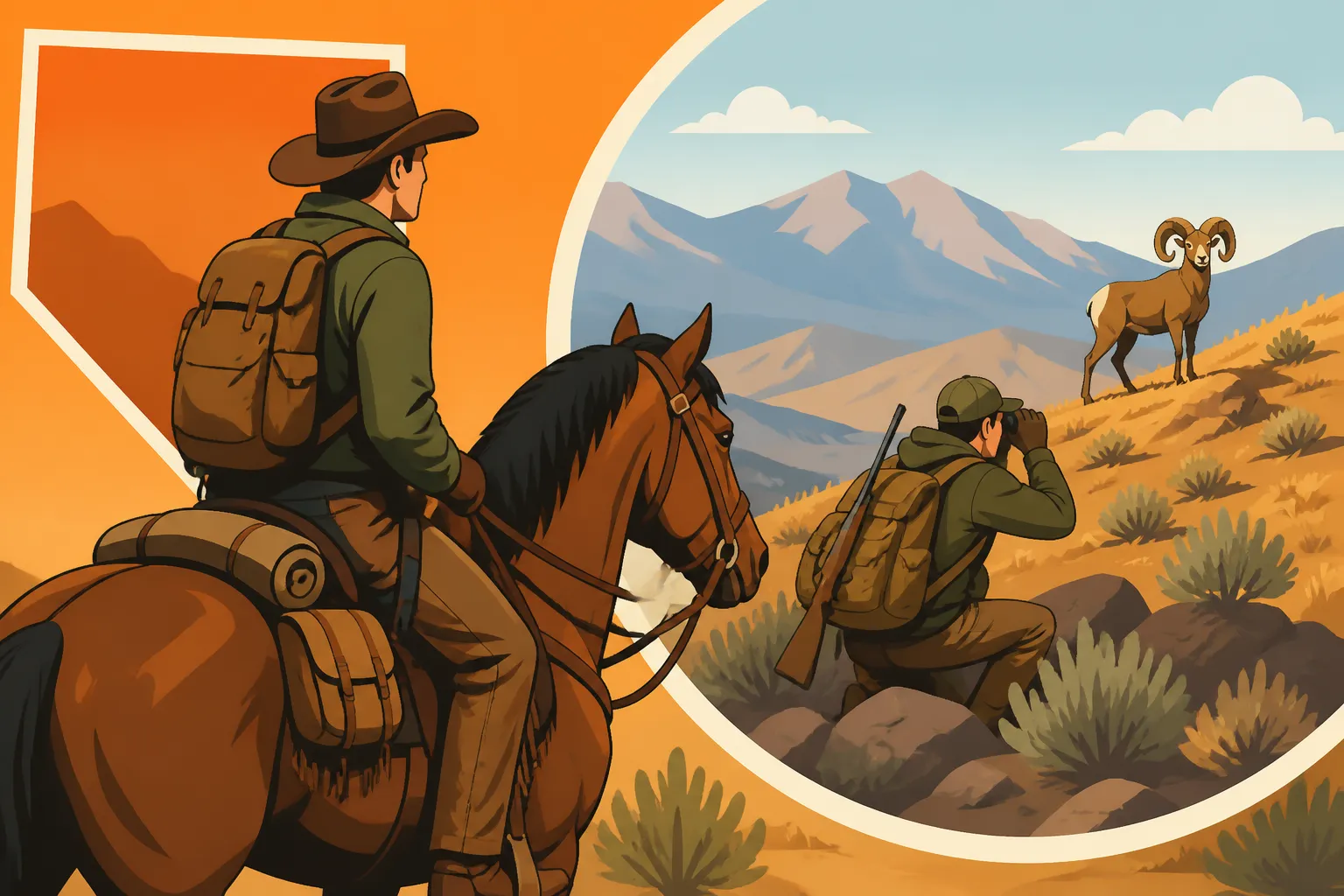
There's a special magic to the idea of a horseback hunt in Nevada – picturing yourself riding through vast sagebrush basins or up into the high country, leaving the roads and the crowds behind. But for many, that dream quickly hits a snag: "How good do I actually need to be on a horse?" It's a valid concern, because this isn't your grandma's pony ride at the fair. This guide will help you understand the true riding abilities required for a successful and safe horseback hunting adventure in the rugged Nevada landscape, and how to honestly assess your own skills.
Understanding the Realities of Nevada Horseback Hunting
Let's be real: when you sign up for a horseback hunt in Nevada, you're not booking a leisurely trail ride where the horse just follows the one in front of it. You're enlisting a four-legged partner to help you navigate some of the most challenging, remote terrain in the Lower 48. This distinction is crucial, because the expectations for a hunting mount and rider are far different from those for a casual outing.
More Than Just a Leisurely Ride
Imagine this: you're cresting a steep, rocky ridge in the early morning light, your horse carefully picking its way through loose scree, when suddenly, your guide throws up a hand. There's a mature mule deer buck, bedded just out of sight in a patch of serviceberry. Your horse needs to stop instantly, quietly, and stand still while you dismount, gather your rifle, and try to get into a shooting position. This isn't a scenario for someone who panics if their horse deviates from the path by two feet. You'll be crossing streams, navigating fallen timber, climbing and descending incredibly steep grades, and often doing it all in low light or adverse weather. The horses might need to step over logs, maneuver through tight stands of aspen or pine, or handle spongy, uneven ground. It's an active, engaged partnership where you, the rider, need to be aware and responsive, not just a passenger.
The Horse is a Tool, Not a Taxi
Think of your horse as an indispensable piece of hunting equipment, much like your rifle or your binoculars. Its primary purpose isn't always to carry you comfortably from point A to point B. More often, it's about getting you and your gear into places that would be nearly impossible to reach on foot in a timely manner. This might involve packing heavy loads of camp gear into a remote spike camp, carrying out a harvested animal, or simply covering vast distances to access prime hunting grounds. There will be plenty of times you're not even on the horse. You'll be dismounting to glass, to stalk, to lead your horse through particularly dicey sections of trail, or to tie them off while you work an animal. The horse extends your range and capability, but it doesn't replace your need to be a capable hunter and woodsman. Understanding this perspective helps set realistic expectations for the physical and mental demands of the hunt. This is especially true when you're looking for Packing an Animal Out of Roadless Country in some of Nevada's more challenging units.
Physical Demands Beyond the Saddle
While riding skill is central, the overall physical demands of a Nevada horseback hunt extend far beyond just staying in the saddle. You'll be spending long days, often from pre-dawn until after dark, exposed to the elements. The elevation changes in Nevada can be significant, from sagebrush valleys to towering mountain peaks, and those changes affect both you and your horse. You'll need the stamina to ride for hours, often without a break, and then dismount to hike, glass, and stalk, sometimes for miles, over rugged, uneven terrain. Consider the core strength needed to stay balanced in the saddle on steep slopes, the leg strength to mount and dismount repeatedly, and the overall endurance to handle the high desert's temperature swings and dry air. A true horseback hunt is a blend of riding and hiking, and you need to be prepared for both. Preparing Physically for Long Glassing Days is just as important as saddle time.
Assessing Your Current Riding Ability for the Hunt
Before you even start looking at outfitters or specific hunt units, it's vital to take an honest inventory of your riding experience. Misrepresenting your skills can put you, your guide, and the horses at risk, and frankly, it can ruin your hunt.
Beginner, Intermediate, or Advanced? Self-Evaluation
Let's break down what these terms usually mean in a hunting context, rather than just a casual riding lesson:
- Beginner: You've ridden a few times, perhaps at a stable or on a very controlled trail ride where the horses followed nose-to-tail without much input from you. You're comfortable at a walk, maybe a slow trot on flat ground, but you're not familiar with steering, stopping, or controlling the horse in unpredictable situations. You might feel anxious if the horse suddenly changes gait or direction.
- Intermediate: You've had regular riding experience, possibly taken lessons, and are comfortable at all three gaits (walk, trot, canter) in an arena or on established trails. You can guide the horse effectively, stop it, and handle minor spooks or changes in behavior. You've likely ridden in varied terrain and are somewhat familiar with western tack. You understand basic horsemanship and can anticipate some of a horse's reactions. You might have even done some Hunting Water in Nevada's Driest Country on horseback before.
- Advanced: You're an experienced rider, comfortable and confident in all gaits, and capable of controlling a horse in challenging terrain and unpredictable situations. You understand horse behavior, can anticipate problems, and know how to use your aids (hands, legs, seat) effectively to communicate with the horse. You've likely ridden different horses and handled various temperaments. You're not just riding; you're actively partnering with the animal.
Most outfitters are looking for intermediate to advanced riders for true backcountry horseback hunts. If you're a beginner, it doesn't mean a horseback hunt is impossible, but you'll need to seek out very specific, often more expensive, "beginner-friendly" options, or commit to significant pre-hunt training.
Common Scenarios You'll Encounter
To really gauge your readiness, consider these scenarios common on a Nevada horseback hunt:
- Steep Climbs and Descents: Can you lean forward on the climb and back on the descent, allowing the horse to use its full body without throwing you off balance or making it work harder? Can you trust the horse to pick its way over loose rocks without micromanaging every step? In the high country, horses navigate incredibly steep, often gravelly or rocky, slopes. You need to be able to stay centered and balanced, distributing your weight correctly. If you're constantly fighting the stirrups or gripping the saddle horn, it's going to be a long, exhausting day for both of you.
- Quick Stops and Starts: A deer jumps, an elk bugles, or your guide spots something and stops abruptly. Can you stop your horse quickly and quietly, or does it take a lot of pulling and sawing on the reins? Can you dismount quickly and quietly when the moment demands it, perhaps even with your rifle in hand? This requires good balance and coordination.
- Navigating Obstacles: Crossing a rocky wash, pushing through thick brush, or stepping over a downed tree. Can you guide your horse precisely through these challenges, or do you expect the horse to simply figure it out on its own? This is where an experienced rider's subtle cues make a huge difference, not only for efficiency but for the safety of both horse and rider. Reading Wind on a Long Sage Stalk is one thing, but guiding a horse while doing it is another entirely.
- Managing Your Gear: You'll have a rifle or bow, a pack, maybe a rangefinder or binoculars. Can you manage all of this while riding, without it impeding your control of the horse or causing a safety hazard? Can you quickly access items from your saddlebags without losing control of your reins? This requires a level of comfort and multitasking that many casual riders don't possess.
Communicating with Your Outfitter
The absolute best thing you can do is have an honest conversation with any prospective outfitter about your riding experience. Don't exaggerate. A good outfitter wants you to have a safe and successful hunt, and they need to know your true skill level to match you with an appropriate horse. When you're researching outfitters, platforms like BookYourHunt often have sections where you can filter by experience level or read reviews that sometimes mention the type of riding involved. Be prepared to answer questions about:
- How often you ride.
- What kind of riding you've done (arena, trail, western, English).
- Your comfort level with different gaits.
- Your experience with horses in rough terrain or unpredictable situations.
- Any past injuries or physical limitations that might affect your riding.
Outfitters have "mountain broke" horses, but even those have limits if the rider is completely green. They will try their best to put you on a calm, steady mount if you admit to being less experienced, but they can't magically give you skills you don't possess. When planning your hunt, especially when checking Hunting the Ruby Mountains or other challenging areas, consider how your riding ability aligns with the terrain.
Bridging the Gap: Improving Your Riding Skills for the Field
If you're reading this and realizing your current riding skills might not quite match the demands of a Nevada horseback hunt, don't despair! There's plenty you can do to improve and prepare.
Lessons and Practice: Getting Comfortable in the Saddle
The most straightforward way to improve is to take lessons. Look for a stable that offers western riding lessons, particularly those with experience in trail riding or even working with cattle, as this often translates well to hunting scenarios. Focus on:
- Balance: Developing an independent seat, meaning you can stay balanced without relying on the reins or saddle horn. This is crucial for riding uneven terrain.
- Control: Learning how to effectively use your reins, legs, and seat to start, stop, turn, and back up the horse. Understand the difference between subtle cues and heavy-handed actions.
- Confidence: The more time you spend in the saddle, the more comfortable and confident you'll become, which translates directly to your ability to handle unexpected situations calmly.
- Discipline: Learning how to effectively communicate with your horse and have them respond to your commands. A well-behaved horse is a safer horse, and your riding ability directly impacts that.
Aim for consistency. A few lessons spread out over months won't be as effective as regular, perhaps weekly, sessions leading up to your hunt. Practice riding different horses if possible, as each one has its own personality and requires slightly different handling. Don't be afraid to ask your instructor to simulate trail obstacles or uneven ground.
Desensitization and Control: Preparing for the Unexpected
Hunting environments are full of stimuli that can spook a horse: a sudden gust of wind, a flushing bird, the scent of game, or the sound of a gunshot. While outfitters' horses are typically "mountain broke" and accustomed to these things, an inexperienced rider can exacerbate a horse's natural reactions. Your training should include elements of desensitization, even if it's just practicing around loud noises or unusual objects.
- Rein Management: Learn to ride with one hand, allowing you to carry binoculars or your rifle without losing control.
- Spook Prevention: While you can't control everything, learning to ride defensively and anticipating potential spooks will make you a safer rider. This includes knowing when to give the horse its head and when to apply gentle pressure.
- Emergency Stops: Practice bringing the horse to a rapid, controlled stop. This is a critical safety skill if you encounter sudden hazards or need to dismount quickly for a shot.
- Leading and Tying: You'll spend a fair amount of time leading your horse through difficult spots or tying them off while you stalk. Be comfortable with these basics of horsemanship. Many hunters rely on resources like GoHunt for unit information, but the best unit in the world won't matter if you can't get to the game safely with your horse.
Building Your Hunting-Specific "Horse Sense"
This goes beyond just riding mechanics. It's about understanding how horses fit into the hunting ecosystem.
- Patience: Horses, like humans, have good days and bad days. You need patience and empathy to work with them, especially on long, strenuous hunts.
- Observation: Learn to read your horse's body language. Are its ears flicking back, indicating it's listening to something behind you? Is it tensing up, suggesting it's about to spook? Understanding these cues helps you react proactively.
- Weight Distribution: Knowing how to shift your weight in the saddle to assist the horse on climbs, descents, and turns makes a huge difference in its comfort and efficiency, especially over many miles.
- Trust: Develop trust in your mount. These horses are pros at navigating the terrain. Let them do their job, and intervene only when necessary. Often, a horse knows the trail better than you do. This kind of "horse sense" is essential for navigating areas like the Jarbidge Wilderness Access, where trails can be faint and conditions unpredictable.
What to Expect from Your Nevada Outfitter's Horses
Nevada outfitters pride themselves on the quality and training of their string of horses. These aren't just any horses; they're seasoned professionals built for the rigors of mountain and desert hunting.
"Mountain Broke" vs. "Rodeo Ready"
The term you'll often hear is "mountain broke." What does this mean? It signifies a horse that is:
- Experienced in Mountain Terrain: They've walked hundreds, if not thousands, of miles over steep, rocky, uneven ground. They know how to pick their way safely and efficiently.
- Calm Under Pressure: They're accustomed to pack strings, strange noises, sudden movements, and the general chaos that can accompany a hunting camp. Gunshots, game animals, and unusual smells are typically not a cause for alarm.
- Patient and Steady: They're used to standing quietly for long periods while hunters glass or stalk. They won't bolt at the first sign of a dismount.
- Surefooted: This is perhaps the most critical trait. They have an innate ability to maintain balance and avoid falls in treacherous conditions.
These horses are typically not "rodeo ready" in the sense of being fast, flashy performers. Their value lies in their reliability, strength, and calm demeanor. They're bred and trained for endurance and stability, not speed or agility. For an adventurous trip into Access Into the Toiyabe Range, a mountain broke horse is indispensable.
The Outfitter's Role in Matching You to a Horse
A good outfitter will make every effort to match you with a horse suited to your stated riding ability and physical stature. This is why being honest in your self-assessment is so important.
- For Less Experienced Riders: They'll try to put you on a "bomb-proof" horse – older, very calm, perhaps a bit slower, but incredibly steady and forgiving. This horse will be less likely to react to your mistakes and will focus on keeping you safe.
- For Experienced Riders: You might get a horse with a bit more "go" or a more nuanced temperament, allowing for a more engaged riding experience, but still safe and reliable in the field.
- Consideration of Physicality: Your weight, height, and overall fitness also play a role. A bigger, stronger horse will be matched with a heavier rider, and a horse with a smoother gait might be chosen for someone with back issues.
Don't be surprised if the outfitter asks you to demonstrate a few basic riding skills before the hunt or on the first morning. This isn't to test you negatively, but to ensure they've made the best possible match for your safety and the success of the hunt.
Gear and Safety on the Trail
Your outfitter will provide all the necessary tack: saddle, bridle, saddlebags, and possibly a scabbard for your rifle or bow.
- Saddles: Most outfitters use comfortable western saddles, designed for long hours in the saddle. They might have different styles, so communicate any comfort issues.
- Saddlebags: These are essential for carrying your day-hunt essentials: water, snacks, extra layers, first-aid, etc. Water You Must Carry on a Desert Day Hunt is a crucial consideration.
- Rifle Scabbards: Your rifle will be carried securely in a scabbard attached to the saddle. Learn how to safely put your rifle in and take it out.
- Safety Briefings: Expect a thorough safety briefing from your guide. This will cover everything from how to mount and dismount, proper rein usage, what to do if a horse spooks, and how to handle emergencies. Pay close attention – these aren't suggestions, they're rules. Wilderness First Aid on a Guided Hunt is always a good idea for hunters, whether riding or hiking.
Ultimately, your safety on a horseback hunt relies on a combination of a well-trained horse, competent guiding, and your own responsible riding ability. The better prepared you are, the more you'll enjoy the incredible experience of hunting Nevada's backcountry from the saddle.
Here’s a quick overview of how different riding abilities typically align with various horseback hunting scenarios:
| Riding Ability Level | Typical Experience | Terrain Comfort | Hunting Scenarios | Suitability for Nevada Backcountry |
|---|---|---|---|---|
| Beginner | Few rides, nose-to-tail trail rides, minimal control input. | Flat, well-maintained trails. Anxious on uneven ground. | Limited to very gentle rides to static camp, minimal actual hunting from saddle. | Not recommended for remote, active hunting. May suit specific "ranch" or "base camp" hunts with minimal riding. |
| Intermediate | Regular riding, comfortable at walk/trot/canter in arena/established trails. Can steer, stop, handle minor spooks. | Moderate hills, some rocky sections, comfortable on varied terrain. | Riding to spike camps, covering miles to glass, dismounting for stalks, leading horse through tough spots. | Good starting point for many Nevada horseback hunts. Requires honest communication with outfitter. |
| Advanced | Experienced, confident in all gaits, controlling horse in challenging terrain, understanding horse behavior. | Steep, rocky, thick timber, stream crossings, off-trail navigation. | Active hunting from the saddle, quick dismounts, navigating complex terrain, packing heavy loads, multi-day excursions. | Ideal for most challenging Nevada backcountry and wilderness hunts. Provides maximum flexibility and safety. |
Disclaimer
This article is for general informational purposes only and does not constitute professional advice. Laws, prices and regulations vary by location and change over time. Consult a qualified professional for guidance on your specific situation.