Choosing a Unit by Terrain Difficulty
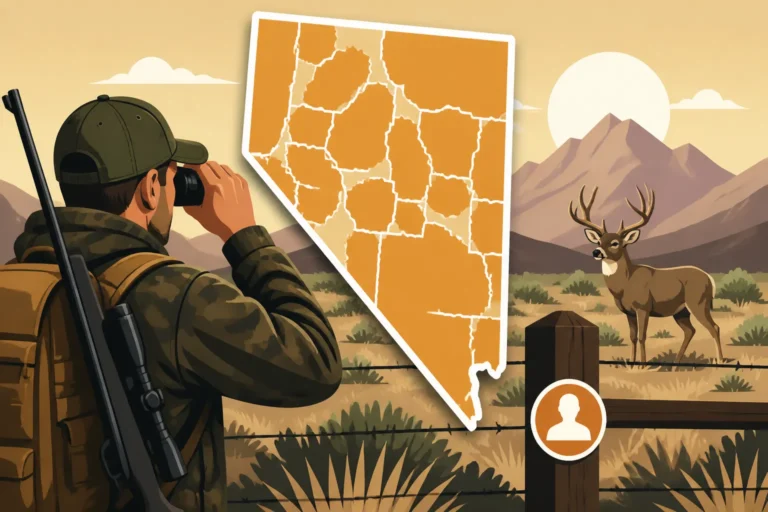
One of the biggest hurdles many hunters face when looking at a Nevada big game tag isn't just drawing the tag itself, but figuring out which unit to apply for and what kind of commitment it will demand. The sheer vastness and diverse topography of the Silver State mean that units can vary wildly in terms of physical challenge. Choosing a unit that doesn't align with your physical readiness or hunting style can quickly turn a dream hunt into a grueling, frustrating experience, often leaving you feeling defeated before you even fire a shot. This guide is designed to help you decode Nevada's terrain, understand what different units might throw at you, and confidently select a hunting area that plays to your strengths and maximizes your chances for a successful, enjoyable hunt.
Understanding Nevada's Diverse Hunting Landscapes
Nevada isn't just one type of desert; it's a tapestry of varied terrain, each presenting its own set of challenges and opportunities for hunters. From the sprawling, low-elevation sagebrush flats to the rugged, snow-capped peaks, understanding these differences is crucial before you even think about putting in for a tag.
Basin and Range Basics: What It Means for Hunters
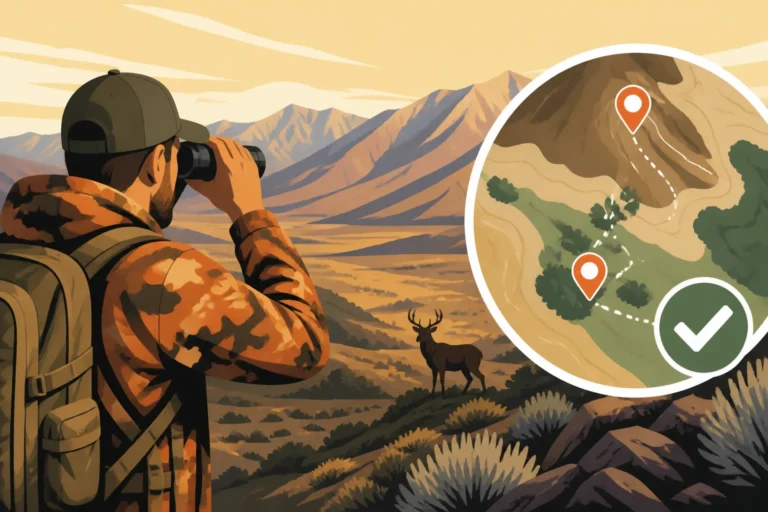
The most defining geological feature of Nevada, and much of the Great Basin, is its "Basin and Range" topography. Imagine a corrugated sheet of metal: long, parallel mountain ranges separated by expansive, flat valleys. This isn't just a pretty picture on a geological map; it dictates everything about hunting in Nevada. You'll find yourself glassing across vast basins, often miles wide, trying to pick out a speck that might be a deer or an elk. Then, once you spot something, you have to figure out how to navigate the intervening terrain – which could be a mix of rolling sage, dry washes, or even a smaller, brushy ridge – to get to the base of the mountain range where your target might be feeding or bedded.
These ranges themselves vary dramatically. Some are gentle, rolling hills covered in sagebrush and juniper, while others are jagged, volcanic spires or towering granite peaks. The valleys can be surprisingly diverse too, sometimes featuring agricultural fields, riparian areas along seasonal streams, or just miles and miles of unadulterated sage. This constant up-and-down, in-and-out nature of the landscape means that a "short" distance on a map can often translate into an entire day's worth of hiking, much of it over uneven, unforgiving ground. It's truly a unique environment that shapes every aspect of the hunt, as detailed in Basin and Range Terrain Shapes Every Nevada Hunt.
High Desert Versus Mountainous Units
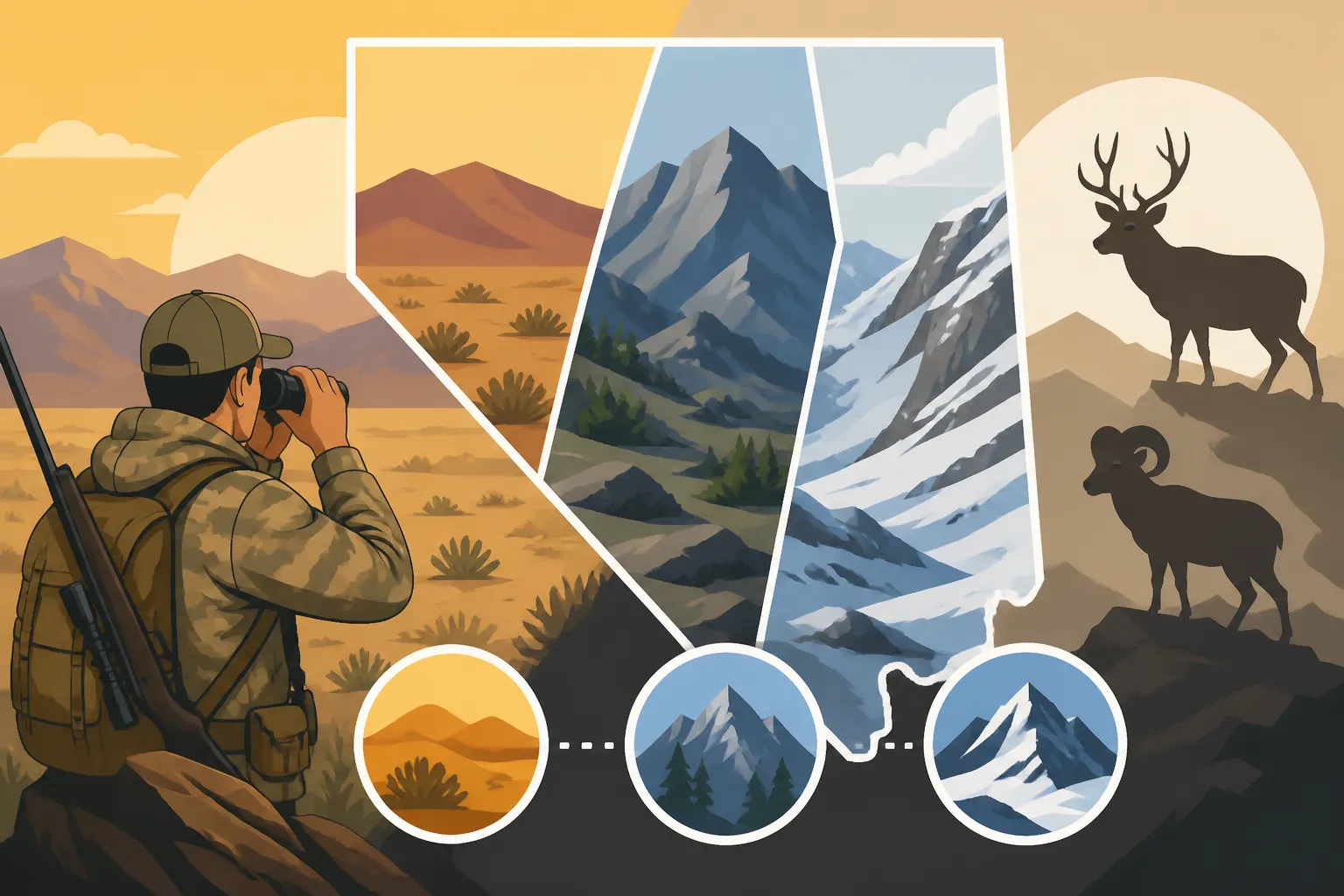
When you're looking at Nevada hunt units, you're generally categorizing them into two broad types: the high desert units and the more traditional mountainous units. High desert units, often found in the central and southern parts of the state, are typically characterized by vast, open valleys, lower mountain ranges, and sparse vegetation dominated by sagebrush, greasewood, and some scattered juniper. Here, the challenge often lies in the sheer scale of the landscape, the lack of cover, and the sometimes brutal temperatures, especially during early seasons. Visibility is generally excellent, making glassing your primary hunting tool, but closing the distance once you've spotted an animal can feel like an impossible task when every movement is exposed.
Mountainous units, particularly in northern and eastern Nevada, offer a different kind of difficulty. These ranges boast higher elevations, often exceeding 10,000 feet, with more timbered slopes of aspens, pines, and mountain mahogany. Here, the terrain is steeper, rockier, and often more physically demanding. While timber offers more cover for stalking, it also limits visibility, forcing you to rely more on still-hunting or methodical tracking. Expect steep climbs, loose scree, and potential for sudden weather changes. The air is thinner, the climbs are longer, and the pack-outs, if you're successful, can be absolutely brutal. Understanding these two broad categories is your first step in Reading a Nevada Hunt Unit Before You Apply.
Navigating Specific Terrain Challenges
Beyond the general classifications, Nevada throws some very specific challenges at hunters. Much of the state's terrain is characterized by sharp, volcanic rock. This isn't just uncomfortable; it's incredibly tough on boots, and a twisted ankle out in the middle of nowhere can end a hunt in an instant. Loose scree slopes, often found on the steeper mountainsides, can make ascents feel like two steps forward, one step back, and descents a precarious slide. Then there are the deep, dry washes that dissect many valleys and lower mountain slopes, which can become impassable canyons, forcing long detours. In higher elevations, dense pinyon-juniper patches can be so thick that visibility drops to mere feet, turning what looks like a small timber stand on a map into a slow, noisy crawl through scratchy brush. Each of these unique features contributes to the overall difficulty of a unit and demands specific gear and tactics.
Honestly Assessing Your Abilities for the Nevada Backcountry
Before you even start looking at maps and draw odds, you need to take a long, hard look in the mirror. Nevada hunting is not for the faint of heart, and pretending you're in better shape than you are will only lead to disappointment and potentially unsafe situations.
The Importance of an Honest Self-Assessment
I've seen it countless times: a hunter draws a coveted tag, gets all excited, but hasn't put in the work. They hit the mountains on opening day, and within a few hours, they're gassed, sore, and defeated. Hunting Nevada requires a significant level of physical and mental fortitude. It's not just about being able to walk; it's about walking miles with a heavy pack over uneven terrain, often at elevation, day after day. It's about enduring temperature swings, strong winds, and the psychological grind of seeing nothing for hours, only to spot a buck a mile away and know you have to go get him.
Ask yourself: Can I comfortably hike 5-10 miles a day with a 20-pound pack? Can I handle significant elevation gain? Am I comfortable being miles from the nearest road, knowing that help is hours away? How do I perform under physical stress and fatigue? If your answers are a hesitant "maybe" or "no," then you need to adjust your unit choice or commit to a serious training regimen. There's no shame in choosing a less demanding unit if it means you'll actually enjoy the hunt and be effective in the field.
Training for Nevada's Demands
If you're eyeing a tougher unit, your training needs to be specific. Forget the treadmill at the gym; you need to simulate the real thing. Focus on strength training for your legs and core, with an emphasis on functional movements like squats, lunges, and step-ups. Integrate hiking with a weighted pack on uneven terrain, ideally with significant elevation changes. Find local trails with steep inclines and declines, and spend hours on them. Cardio is critical, but it's not just about running; it's about sustained effort. Practice breathing techniques to help with elevation and develop mental resilience by pushing yourself beyond your comfort zone in training. Preparing Physically for Long Glassing Days covers this in more detail.
How Terrain Influences Your Gear Choices
Your gear needs to be as tough as the Nevada terrain. Boots are paramount. For the sharp, volcanic rock and steep, unstable ground, you need sturdy, supportive boots with good ankle support and stiff soles. Lightweight trail runners won't cut it in many units; you'll shred them and regret it. Consider Choosing Boots for Sharp Volcanic Rock.
Your pack needs to be comfortable for heavy loads, as even a quartered deer will be a significant weight for a long pack-out. Trekking poles are an absolute game-changer, especially on steep ascents, descents, and uneven ground; they save your knees, provide stability, and help with balance. Carrying ample water is non-negotiable, even on cooler days, as natural water sources are scarce in many areas. You also need to plan for layering, as Nevada's temperatures can swing wildly from freezing mornings to scorching afternoons.
Leveraging Digital Tools to Map Your Hunt's Difficulty
Gone are the days of relying solely on paper maps and word-of-mouth. Modern technology has revolutionized how we scout and prepare for hunts, giving us an unprecedented ability to assess terrain difficulty from the comfort of our homes.
Reading Topographic Maps and Satellite Imagery
Before you even open a fancy app, mastering the basics of topographic maps is fundamental. Contour lines tell you everything about the steepness of the terrain. Closely spaced lines indicate a steep incline, while widely spaced lines suggest flatter ground. Learning to visualize the three-dimensional landscape from these lines will give you a powerful advantage. Combine this with high-resolution satellite imagery, and you can spot rockslides, dense timber patches, open sage flats, and potential game corridors. Look for features that offer cover or create natural funnels, but also identify areas that would be impassable or brutally difficult to traverse.
Digital Scouting with onX Hunt and GoHunt
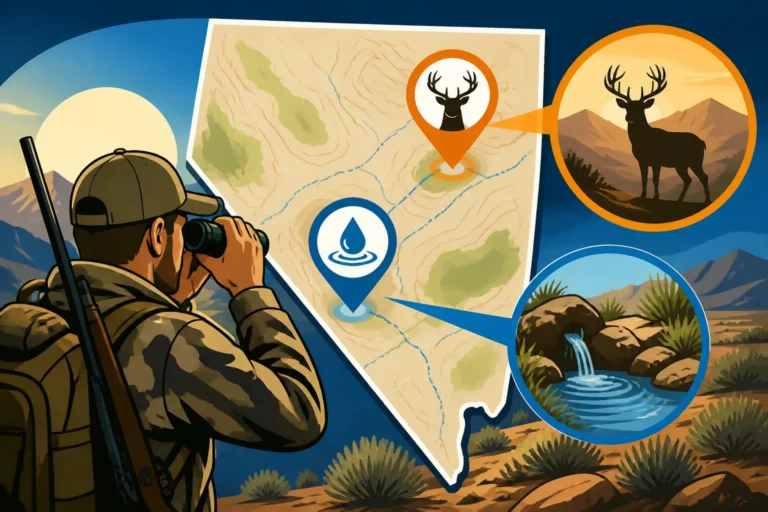
This is where tools like onX Hunt truly shine. With onX Hunt, you can load your hunt unit and immediately start analyzing the terrain. The 3D view allows you to virtually "fly through" the unit, getting a real feel for the elevation changes and steepness. You can use the slope angle tool to highlight areas that are too steep to comfortably hunt or that would be dangerous to traverse with an animal. The property line feature is invaluable for identifying public land access points and avoiding private ground, but also for seeing how far you might be from a road on federal land. Reading a BLM Surface Management Map becomes much easier when you have these layers at your fingertips.
Similarly, resources like GoHunt offer incredible insights beyond just draw odds. Their Unit Profiles often include terrain descriptions, access notes, and even general recommendations for physical fitness for specific units. While not explicitly a terrain difficulty mapping tool in the same way onX Hunt is, GoHunt's detailed information, combined with other scouting data, can help you infer the challenges. For instance, if a unit consistently has low hunter success rates but high game populations, it often points to difficult access or extreme terrain. Using these platforms in conjunction allows you to scout effectively and realistically gauge the unit's demands before you commit to applying. E-Scouting a Nevada Unit Before the Season outlines how critical these tools are.
Analyzing Elevation Profiles and Road Access
Another powerful feature in many digital mapping tools is the ability to generate elevation profiles along a planned route. This shows you exactly how much vertical gain and loss you'd experience on a hypothetical hike. You might plan a seemingly short 3-mile loop, only to find the elevation profile reveals 1,500 feet of climb and descent, making it a much more strenuous undertaking than anticipated.
Closely examine road access. While Nevada has vast tracts of public land, many units have limited main roads, and even fewer backcountry routes. Pay attention to whether roads are seasonal, requiring high-clearance 4×4, or if they are simply two-track trails that could become impassable with a bit of rain. Consider how far you're willing to hike away from a vehicle and what the pack-out would look like from those remote areas. Remember, What Nevada Backroads Do to a Tire is no joke, and a breakdown miles from civilization is a serious concern. Many of Nevada's wilderness and wilderness study areas also have strict Wilderness Study Area Vehicle Limits, meaning you'll be on foot or horseback.
Matching Your Hunt Style to Nevada's Terrain Challenges
Your preferred hunting style and the species you're pursuing are intrinsically linked to the terrain you choose. What works for antelope on the flats certainly won't work for elk in the timber.
Still Hunting Versus Glassing
In Nevada, glassing is king for most species in most units. The expansive, open terrain of the Basin and Range country lends itself perfectly to sitting high, using high-quality optics, and systematically picking apart distant hillsides. This approach, outlined in The Grid Glassing Method, Step by Step and Why Nevada Deer Hunting Is a Glassing Game, often means less brutal walking initially, but requires immense patience and keen eyesight. Once an animal is spotted, then the real work of a deliberate, often long, stalk begins. This style is best suited for units with open sightlines and good vantage points, regardless of steepness, as long as you can reach those vantage points.
Still-hunting, where you slowly move through cover, pausing frequently to observe, is much more effective in units with denser vegetation like pinyon-juniper, aspen groves, or scattered timber. This requires quiet movement, extreme patience, and an understanding of wind and thermals. Units with steeper, more timbered terrain, often found at higher elevations, are better suited for still-hunting or methodical tracking. The physical demands are different, focusing more on agility and endurance over shorter, more frequent bursts of movement, rather than long, sustained hikes to a glassing knob.
Terrain Preferences by Species
Different game animals gravitate towards different types of terrain, and understanding this helps immensely in unit selection:
- Mule Deer: While mule deer can be found in a wide variety of Nevada's terrain, the biggest bucks often prefer rugged, broken country where they can find sanctuary. This includes steep, rocky slopes, deep canyons, and scattered patches of pinyon-juniper or mountain mahogany. In high desert units, they might cling to the steep, inaccessible side hills of smaller mountain ranges or the brushy draws that offer some concealment. Glassing is paramount for them.
- Elk: Nevada's elk, particularly trophy bulls, are masters of the high country. They often prefer the thicker timbered slopes of the higher mountain ranges, utilizing aspens, pines, and dark north-facing slopes for cover and feed. These are the most physically demanding units, often requiring significant elevation gain and navigating dense forest. They'll also be found in more open sage country in certain units, especially during the rut. Expect challenging pack-outs if you're successful on an elk hunt in these units. Nevada Elk Rifle Hunts Stretch From October Into December often means dealing with winter weather in these high-elevation zones.
- Pronghorn: The "speed goats" are synonymous with wide-open, flat to rolling sagebrush plains. Their incredible eyesight makes hunting them in dense cover impossible, so they thrive where they can see danger coming from miles away. Units with expansive valleys and gentle slopes are ideal for pronghorn. While the terrain is often easy to walk, the challenge lies in closing the distance on such wary animals in open country. Stalking here often involves using subtle terrain features like dry washes or small rises to break your silhouette. Spot and Stalk Antelope on Nevada's Open Flats is the name of the game.
- Chukar: If you're looking for the ultimate physical challenge, look no further than chukar hunting. These upland birds inhabit the steepest, rockiest, most broken country you can imagine – think volcanic scree slopes, canyon rims, and incredibly unforgiving terrain. A chukar hunt is a full-body workout, often involving thousands of feet of elevation gain and loss in a single day, all while navigating treacherous footing. Why Chukar Hunting Is So Physically Hard is not an exaggeration. If a unit description includes "rugged volcanic slopes," you know what you're in for.
The Trade-Offs: Pros and Cons of Different Terrain Difficulties
Every unit, regardless of its terrain, presents a unique set of advantages and disadvantages. Choosing wisely means weighing these trade-offs against your personal capabilities and hunting goals.
Easier Access Units: Higher Pressure, Less Demand
Units with relatively easy access, meaning a decent network of roads and less extreme terrain, tend to be very popular.
The pros are obvious:
- Reduced Physical Demand: Less strenuous hiking, making them suitable for hunters with physical limitations or those who prefer a less demanding hunt.
- Easier Logistics: Shorter pack-outs, often closer to vehicle access, and generally less remote.
- More Hunter Opportunities: Often higher tag quotas, making them easier to draw for certain species.
However, the cons are equally clear:
- Higher Hunter Pressure: More hunters mean more competition for game, and animals are often more wary.
- Spookier Animals: Game in these areas are constantly bumped and educated, making them harder to approach.
- Lower Trophy Potential (sometimes): While quality animals can certainly be found, the consistent pressure can sometimes push older, wiser animals into adjacent, tougher-to-access areas.
Moderate Units: A Balance of Challenge and Reward
Many of Nevada's best units fall into this middle ground. They require a good level of fitness but aren't necessarily expedition-level treks.
The pros include:
- Balanced Challenge: Offers a good blend of physical effort without being overly punishing, rewarding hunters who are willing to put in some miles.
- Decent Access with Seclusion: Often feature main roads, but require some walking to get away from the crowds, allowing you to find pockets of less pressured animals.
- Good Trophy Potential: Mature animals are often found here by hunters willing to hike a bit further than the average road warrior.
The cons might be:
- Still Requires Effort: You can't just step out of the truck; you need to be prepared for multi-mile hikes and moderate elevation changes.
- Variable Pressure: Can still see significant pressure on opening weekend, especially near trailheads or easy access points, necessitating strategy to find less-used areas.
Backcountry and Wilderness Units: Low Pressure, Extreme Demands
These are the units that test the limits of your physical and mental endurance, often involving multi-day backpack trips into remote, roadless areas. Nevada Is the Most Federally Owned State in the Lower 48, meaning there's plenty of ground like this.
The pros are often compelling:
- Low Hunter Pressure: Very few hunters are willing or able to tackle these areas, meaning game animals are often less wary.
- High Trophy Potential: The biggest, oldest animals often find refuge in these remote sanctuaries, growing to impressive sizes.
- True Wilderness Experience: An unmatched sense of solitude, adventure, and raw nature.
But the cons are severe:
- Extreme Physical Demands: Requires peak physical condition, experience with backcountry travel, and the ability to navigate difficult terrain with heavy loads.
- Challenging Logistics: Extended pack-outs, potentially involving multiple trips or pack animals. Requires careful planning for water, food, and emergency situations.
- Higher Risk: Further from help, more exposure to elements, and greater chance of injury or equipment failure.
- Specialized Gear: Demands top-tier, lightweight, and durable gear for survival and comfort in remote conditions.
| Terrain Type | Physical Demand | Typical Species | Hunting Style Focus | Pros | Cons |
|---|---|---|---|---|---|
| Open Flats (Desert) | Moderate walking, long distances, heat management | Pronghorn, Deer | Long-range Glassing, Spot & Stalk | Easy walking, long visibility, often good access | No cover, high exposure, game can be very wary |
| Rolling Hills (Sage) | Moderate walking, some climbs, good endurance | Deer, Elk, Lion | Glassing, Still Hunting | Balanced challenge, good mix of cover/open | Can still be pressured, deceptively tiring |
| Moderate Mountains | Significant climbing/descending, uneven footing | Deer, Elk, Lion | Glassing, Still Hunting, Tracking | Good trophy potential, escape from crowds | Physically demanding, longer pack-outs, tricky footing |
| Rugged/Wilderness | Extreme climbing, heavy pack loads, technical navigation | Elk, Deer, Sheep | Backpack Hunting, Relentless Stalk | Low pressure, high trophy potential, solitude | Most physically demanding, high risk, complex logistics |
Ultimately, choosing a unit by terrain difficulty isn't about finding the "easiest" or "hardest" unit, but about finding the right fit for you. Be honest with yourself about your capabilities, leverage the incredible digital tools available, and understand the inherent challenges and rewards each landscape offers. A well-chosen unit, matched to your preparation, is the first and most critical step toward a memorable Nevada hunting experience.
Disclaimer
This article is for general informational purposes only and does not constitute professional advice. Laws, prices and regulations vary by location and change over time. Consult a qualified professional for guidance on your specific situation.