Which Nevada Units Run a Muzzleloader Deer Hunt
The world of Nevada deer hunting tags can feel like a labyrinth, especially when you start trying to decipher which weapon types are allowed in which units and during what specific windows. It’s a common frustration for hunters, both seasoned and new, trying to sort through the regulations and determine if their preferred method, like a muzzleloader, even has a dedicated season. This guide is here to untangle that confusion, providing clarity on which Nevada units typically run a muzzleloader deer hunt and what you need to know to pursue these unique opportunities.
Understanding Nevada's Muzzleloader Deer Hunts
Muzzleloader seasons in Nevada offer a distinct experience for the big game hunter, a blend of traditional challenge and often, a strategic advantage in terms of timing. It's not just about the old-school cool; it's about understanding how these hunts fit into the broader deer season framework and what that means for your chances and approach.
The Allure of the Muzzleloader Season
There's something deeply satisfying about hunting with a muzzleloader. It's a return to simpler times, a slower, more deliberate pace that forces you to hone your stalking skills and shot placement. For many, it's the challenge that draws them in, limiting shots to a single opportunity and generally closer ranges than modern centerfire rifles. This isn't just a nostalgic pursuit; it's a strategic choice. Muzzleloader seasons often fall into a sweet spot between the archery and general rifle seasons, presenting hunters with an opportunity to be in the field during a prime time for deer activity, often before heavy hunting pressure sets in.
This unique window can be particularly appealing. You might find bucks still in bachelor groups, focused on their summer patterns, or starting to show early signs of the rut, making them more predictable in some ways. It’s a chance to experience the Nevada high desert or mountain country with fewer people around, embracing the quiet solitude that comes with a less crowded hunting period. The commitment to a muzzleloader forces a different kind of preparation and patience, rewarding those who truly immerse themselves in the hunt.
How Nevada Structures Muzzleloader Opportunities
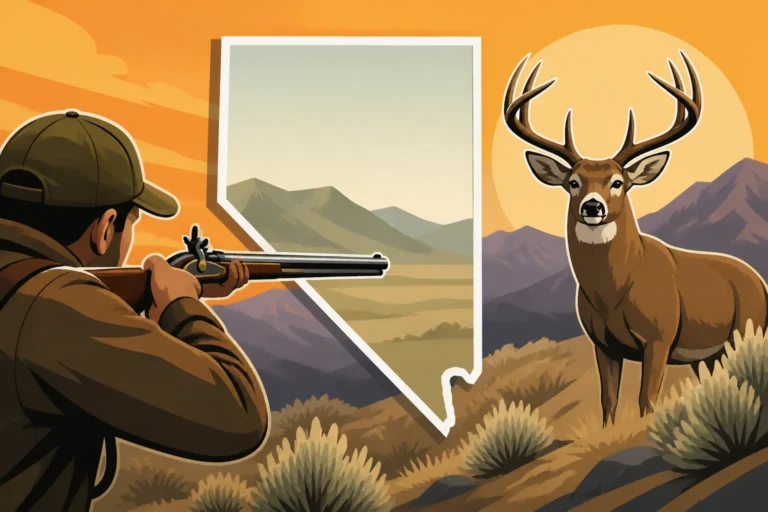
The Nevada Department of Wildlife (NDOW) approaches muzzleloader deer hunts with a specific structure that often ties them directly to particular units and hunt codes. You won't find a blanket statewide muzzleloader season; instead, these opportunities are carved out by specific hunt numbers that denote the weapon type, the species, and the unit or unit group. This means that while a unit might be open for general rifle or archery, it might not have a muzzleloader option, or vice versa. It’s critical to scrutinize the big game regulations each year.
These muzzleloader hunts are typically limited-entry draw tags, meaning you'll need to apply through the draw system and accrue bonus points over time to improve your chances. The specific hunt code is your key. For instance, a unit might have a general rifle hunt designated as 121, but a muzzleloader hunt in the same unit might be 1215. That fifth digit often signals the weapon type. Understanding this coding system is paramount, and a good resource to review how these numbers work can be found in Reading a Nevada Hunt Unit Before You Apply. It's a system designed to manage harvest pressure and provide diverse opportunities, but it definitely demands careful reading of the regulations to ensure you're applying for the correct hunt.
Muzzleloader Regulations and Equipment
Before you even dream of pulling a tag, you need to understand the very specific regulations surrounding muzzleloaders in Nevada. These aren't just suggestions; they are strict rules that can determine the legality of your hunt. For instance, Nevada regulations generally prohibit the use of scopes on muzzleloaders for big game, meaning you'll be relying on open sights or peep sights, adding another layer of challenge. This rule can be a significant adjustment for hunters accustomed to magnified optics.
Furthermore, there are often specific requirements regarding the ignition type (e.g., percussion cap, flintlock, 209 primer), and the type of bullet you can use. Sabots are generally legal, but it’s always wise to double-check the most current regulations for any changes or unit-specific exceptions. Things like bullet diameter, minimum caliber, and even projectile construction can be outlined. For a deeper dive into muzzleloader specifics, you might find information like Can You Use a Scope on a Muzzleloader? and Sabot Bullets in a Muzzleloader highly relevant. Ensuring your equipment is compliant before you ever head into the field is non-negotiable; ignorance of the law is no excuse, and a tag can be easily ruined by an illegal setup.
Identifying Nevada's Muzzleloader Deer Units
So, which units actually offer these coveted muzzleloader deer hunts? This is where the detective work begins. Unlike some other states with more consistent statewide muzzleloader seasons, Nevada's opportunities are unit-specific and can sometimes vary slightly year to year. However, there are some units and general areas that tend to pop up more often.
The Units That Consistently Offer Muzzleloader Tags
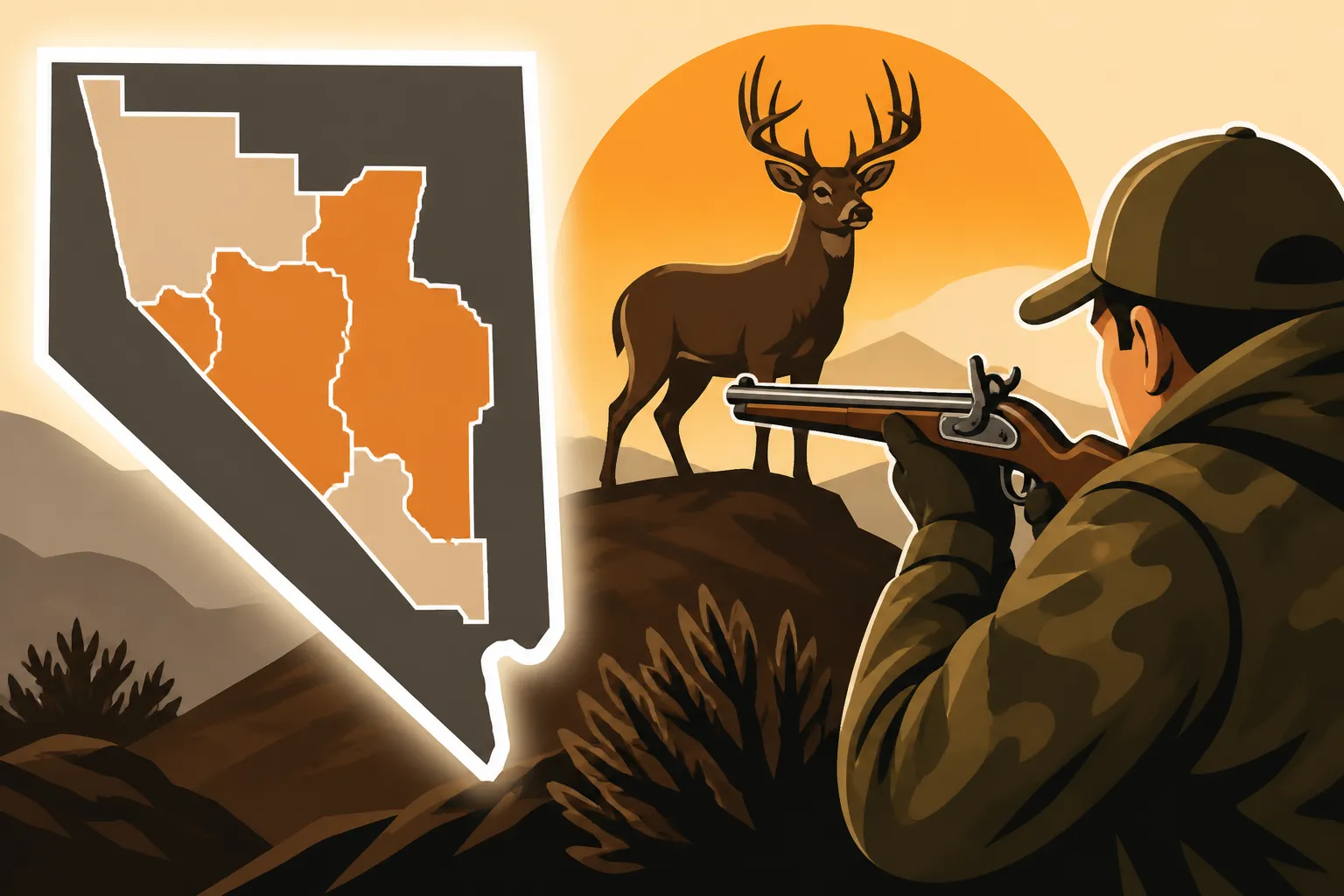
While the specific hunt codes change annually, certain units or unit groups in Nevada are more likely to have muzzleloader deer seasons. These are typically units with healthy deer populations and diverse habitats that can support different hunting pressures throughout the season. You'll often find these opportunities in the vast expanses of eastern and central Nevada, where large tracts of public land provide ample habitat. Units such as 071, 072, 073, 101, 102, 103, 105, 111, 112, 113, 114, 115, 121, 131, 132, 134, 141, 142, 143, 151, 161, 162, 171, 172, 173, 181, 192, 221, 222, 223, 231, and others have historically offered muzzleloader deer hunts as part of their overall deer tag allocations. These are primarily general deer units, and the muzzleloader option is often denoted by that extra digit in the hunt code, differentiating it from the rifle or archery hunts within the same unit.
The specific season dates for these muzzleloader tags typically fall in late September or early October, often following the archery seasons and preceding the general rifle seasons. This timing places hunters in the field when bucks are transitioning from summer ranges and beginning to show signs of the pre-rut, making them active and callable. It’s not uncommon to find these units stretching from the California border regions eastward into the vast basin and range country, offering a truly wild and challenging hunt. Always, always verify the current year's regulations on the NDOW website or official regulations booklet.
Here's a look at some common Nevada deer units that have historically offered muzzleloader seasons, along with their typical season windows. Remember, these are general guidelines, and official NDOW regulations are the definitive source.
| Unit Group (Example) | Common Muzzleloader Hunt Code Ending | Typical Season Start | Typical Season End | General Geographic Area | Notes |
|---|---|---|---|---|---|
| 07X | X15 | Late Sept. | Early Oct. | Northwestern Nevada | Often paired with early rifle hunts. |
| 10X | X15 | Late Sept. | Early Oct. | North Central Nevada | Good glassing opportunities. |
| 11X | X15 | Late Sept. | Early Oct. | Central Nevada | Sage and pinyon-juniper. |
| 12X | X15 | Late Sept. | Early Oct. | Central Eastern Nevada | Higher elevations, potential for early snow. |
| 13X | X15 | Late Sept. | Early Oct. | Central Eastern Nevada | Good mule deer habitat. |
| 14X | X15 | Late Sept. | Early Oct. | East Central Nevada | Rugged terrain, water sources are key. |
| 15X | X15 | Late Sept. | Early Oct. | East Central Nevada | Includes some higher ranges. |
| 16X | X15 | Late Sept. | Early Oct. | Eastern Nevada | Excellent habitat, can be very competitive. |
| 17X | X15 | Late Sept. | Early Oct. | Southeastern Nevada | More desert-like, focus on water. |
| 18X | X15 | Late Sept. | Early Oct. | Southeastern Nevada | Often remote and challenging. |
| 22X | X15 | Late Sept. | Early Oct. | Western Nevada | Closer to population centers, can be busy. |
| 23X | X15 | Late Sept. | Early Oct. | West Central Nevada | Varies by unit, check specific regulations. |
Navigating the Nevada Draw for Muzzleloader Tags
Drawing a muzzleloader deer tag in Nevada can be challenging, as these are often high-demand, limited-entry opportunities. The state's squared bonus point system means that the more points you have, the exponentially better your odds become. This system really rewards persistence. Hunters will typically apply in the spring, with the application period usually running from late March to mid-May. Nevada Applications Run March 23 to May 13 is a critical window to remember. Knowing when to apply, and specifically which hunt codes to apply for, is key.
Tools like GoHunt are invaluable here, providing detailed draw odds and historical data that can help you strategize. You can plug in your bonus points and see your realistic chances for various muzzleloader hunts, making informed decisions rather than just guessing. This level of research is crucial because applying for the wrong unit or a hunt you have no realistic chance of drawing year after year can be disheartening. The draw results typically land at the end of May, a period of nervous anticipation for many applicants. For more on this, you might find Nevada Draw Results Land at the End of May and Reading Nevada Hunt Draw Statistics helpful in understanding the process.
Seasonal Timing for Muzzleloader Deer Hunts
The timing of Nevada's muzzleloader deer hunts is often a significant factor in their appeal. Typically falling in the late September to early October window, these hunts hit a sweet spot in the annual deer cycle. During this time, the scorching heat of summer has usually broken, but heavy winter snows are still a ways off. This means more comfortable hunting conditions for both deer and hunter. Deer are often still on their summer feeding patterns, but some bucks might be starting to move into pre-rut behavior, cruising for does or establishing dominance.
This period can also coincide with deer starting to move from higher elevation summer ranges towards transitional or early wintering grounds, especially if early cold fronts push through. This makes them more predictable in terms of general direction of travel and can sometimes concentrate animals in specific areas. Understanding this migratory pattern and how it’s influenced by weather is crucial. It’s a time of transition, offering a unique opportunity to catch deer before the full intensity of the general rifle seasons or the peak of the rut, when deer can be more scattered or wary due to increased pressure.
Unit-Specific Considerations for Muzzleloader Hunters
Every Nevada hunt unit, even those offering similar muzzleloader opportunities, presents its own unique set of challenges and advantages. Success often hinges on a deep understanding of the specific landscape, water availability, and unpredictable weather patterns of the area you’ve drawn.
Terrain and Habitat in Muzzleloader Units
Nevada's muzzleloader deer units span an incredible variety of terrain, from vast, open sagebrush basins to rugged, pinyon-juniper-covered hillsides and steep, timbered mountain ranges. This diversity means your hunting tactics must be adaptable. In the more open country, such as that found in central and eastern Nevada, glassing becomes your primary tool. Hours spent behind binoculars and spotting scopes, picking apart distant hillsides, are far more effective than simply walking. A great resource to hone this skill is Glassing Nevada's Basin and Range for Mule Deer. Once a deer is spotted, the real work begins: planning a careful stalk over often-sparse cover, trying to get within effective muzzleloader range (typically 100-150 yards for most setups).
Conversely, units with more pinyon-juniper and scattered pockets of aspen or fir will demand a different approach. Here, still-hunting through thickets, focusing on tracks and fresh sign, and patiently ambushing travel corridors might be more productive. The challenge of a muzzleloader, with its single-shot capacity, means you absolutely must get closer to your target than you might with a modern rifle. This makes understanding and utilizing terrain features to break your silhouette and conceal your approach utterly critical, regardless of the specific unit’s landscape.
Water Sources and Deer Movement
In arid Nevada, water is life, and this truth is never more apparent than when hunting mule deer. Natural springs, seeps, and constructed guzzlers act as magnets for all wildlife, especially during the drier parts of the year, which can extend into the muzzleloader season. Identifying and understanding the location of these critical water sources within your chosen unit is a powerful scouting strategy, both pre-season and in the field. Deer, particularly during warmer spells, will often move between bedding areas and water sources, creating predictable travel patterns.
Hunters can capitalize on this by observing these areas from a distance, or by setting up patient ambush points, always being mindful of wind direction and scent control. It’s not just about finding water; it’s about understanding when and how deer are using it. Early morning and late evening can be prime times for deer to visit water. The importance of this resource cannot be overstated, and a deeper dive into the role of water in the desert can be found in Hunting Water in Nevada's Driest Country. Utilizing maps to pinpoint these locations, then verifying them in person, can drastically increase your odds.
Weather Challenges and Opportunities
Nevada's weather during the late September/early October muzzleloader season can be a fickle beast, swinging from warm, almost summer-like days to crisp, cold mornings and even early snowstorms at higher elevations. This variability presents both challenges and opportunities. Warm days mean deer activity might be concentrated during the cooler hours of dawn and dusk, pushing them to bed down earlier or longer during midday. Conversely, a cold front or an early dusting of snow can invigorate deer, making them more active throughout the day as they feed to build reserves for winter.
Hunters need to be prepared for anything. Layered clothing is essential, allowing you to adapt to temperature swings that can span 40-50 degrees Fahrenheit between sunrise and midday. What might be comfortable at 7 AM could be sweltering by noon. For guidance on dressing for these extreme shifts, Layering for Basin and Range Temperature Swings is an excellent resource. An unexpected snow event, while potentially making travel difficult on remote dirt roads, can also improve tracking conditions and push deer to lower, more accessible elevations, creating unique hunting scenarios. Always check the local forecast right up until you leave, but pack for the worst and hope for the best.
Strategies for a Successful Muzzleloader Deer Hunt
Drawing a muzzleloader tag is just the first step. The real work—and the real fun—begins with meticulous planning and strategic execution. A muzzleloader hunt demands a different mindset and skillset than a modern rifle hunt, emphasizing stealth, patience, and precision.
E-Scouting and Pre-Season Preparation
Effective hunting in Nevada's vast units starts long before you ever set foot in the field, and it’s especially true for muzzleloader hunts where you need to get closer. E-scouting is your best friend. Utilize online mapping tools and satellite imagery to identify potential bedding areas, feeding grounds, travel corridors, and crucially, water sources. Look for subtle changes in vegetation, terrain features that offer cover for stalking, and south-facing slopes that might hold deer longer into the season. Tools like GoHunt offer invaluable overlays for public land, wilderness boundaries, and even historical burn areas, all of which can influence deer movement.
Beyond mapping, research historical weather patterns for the specific unit's elevation band during your hunt dates. Understanding what the habitat looks like, and what challenges you might face, can help shape your physical preparation and gear choices. This pre-season work isn't just about finding deer; it’s about understanding the entire ecosystem of your unit. For a comprehensive look at how to leverage technology for your hunt, definitely check out E-Scouting a Nevada Unit Before the Season. The more knowledge you gather from the comfort of your home, the more efficient and successful you'll be in the field.
Field Tactics for Muzzleloader Success
When you're out there with a muzzleloader, your field tactics need to be dialed in. The single-shot nature of the weapon means you can't afford a hurried or poorly executed shot. Patience is paramount. Focus on methodical glassing, spending more time looking than walking, especially in open country. Once you spot a buck, the stalk becomes the most critical part of the hunt. You need to get close—often within 100-150 yards, sometimes even closer depending on your comfort and confidence with your muzzleloader.
This means paying extreme attention to wind direction, using every available piece of cover, and moving slowly and deliberately. If you bump a deer, your single-shot advantage is gone. Practice shooting your muzzleloader from various field positions—prone, kneeling, using shooting sticks—to ensure you're comfortable and accurate under pressure. Don't just practice from a bench. For specific tactical advice, particularly within a tight timeframe, Muzzleloader Deer Tactics in a One-Week Window can provide valuable insights on making the most of your limited time and single-shot opportunity. Every step, every decision, carries more weight with a muzzleloader.
Packing and Logistics for Remote Muzzleloader Units
Nevada's big game units, particularly those that offer muzzleloader hunts, are often remote and unforgiving. Proper packing and logistical planning are crucial for both success and safety. Beyond your hunting gear, you'll need specialized muzzleloader supplies: plenty of primers, pre-measured powder charges, loading tools, a cleaning jag, patches, and bore butter. A quick-load tube or speed loader can make a significant difference in a follow-up shot situation, though still not as fast as a bolt action. Don't forget a small, leak-proof bottle of water for swabbing your bore between shots during practice or in the field.
Vehicle preparation is equally important. Many of these units are accessed via rough, unmaintained dirt roads. Ensure your tires are in excellent condition, carry a full-size spare, a jack, and tools. Extra fuel, water, and emergency supplies are not optional; they are necessities when services can be hours away. Consider a satellite communication device for areas without cell service. And, of course, anticipate the process of getting your deer out of the backcountry. If you're successful, you'll need game bags, a good knife, and a plan for cooling the meat quickly, especially if the weather is still warm. Thinking through all the contingencies, from breakdowns to field dressing, is part of being prepared for the Nevada backcountry. For more on vehicle prep and animal extraction, consider reviewing Vehicle Prep for Remote Nevada Roads and Packing an Animal Out of Roadless Country.
Disclaimer
Please remember that hunting regulations, season dates, and unit boundaries can change annually. While this guide provides general information and historical patterns, it is crucial to consult the most current Nevada Department of Wildlife (NDOW) regulations and official season proclamations before planning any hunt or submitting an application. This content is for informational purposes only and does not supersede official state regulations.