Guided Mule Deer Hunts in Nevada
Drawing a coveted Nevada mule deer tag is a dream for many hunters, but getting that golden ticket is just the first step. The reality of hunting Nevada's vast, rugged, and often unforgiving landscape can be a steep learning curve, especially if you're unfamiliar with the territory. This guide is here to walk you through everything you need to know about guided mule deer hunts in Nevada, helping you understand if hiring a professional outfitter is the right choice to make the most of your hard-earned tag.
Why Consider a Guided Mule Deer Hunt in Nevada?
Nevada isn't like some other states where you can just show up and expect to stumble into a big buck. It's a land of extremes, from scorching desert floors to high mountain ranges, all of which present unique challenges. For many, especially those who travel a great distance or who have waited years to draw a tag, a guide can be the difference between a successful, rewarding hunt and a frustrating, empty-handed experience.
Navigating Complex Terrain and Regulations
The sheer scale of Nevada's public land is awe-inspiring, but it can also be incredibly daunting. We're talking about millions of acres of sagebrush flats, steep volcanic rock, and remote mountain ranges where roads are often unmaintained and cell service is nonexistent. This isn't your local timber patch. Finding mule deer in this vastness requires intimate knowledge of their patterns, water sources, and bedding areas.
A local guide has spent years, often decades, scouting and hunting these units. They know which draws hold deer when the weather changes, which springs are reliable, and where the escape routes are. They've likely logged countless hours glassing, understanding how deer move with the thermals or relate to particular rock outcroppings. This deep, localized knowledge cuts through months of trial-and-error that a DIY hunter might face. Furthermore, Nevada's hunting regulations can be surprisingly nuanced, from specific unit boundaries that twist and turn across the map to rules regarding vehicle access on public lands. A guide ensures you're hunting legally and effectively within these parameters. It's one thing to read about a unit on a map, and another entirely to experience its challenges firsthand. Understanding Reading a Nevada Hunt Unit Before You Apply is a start, but a guide offers real-world interpretation.
Maximizing Your Limited Opportunity
Let's be honest: drawing a Nevada mule deer tag is tough. For nonresidents especially, it can take years, even decades, to accumulate enough bonus points to be successful in the draw. When you finally get that tag, the pressure is on. You want to make it count. This isn't just a casual hunt; it's often the culmination of a long-term strategy and significant financial investment.
A guided hunt takes much of the guesswork and pressure off your shoulders. Instead of spending precious hunt days learning the unit, getting lost, or trying to locate animals, you arrive with a professional who has likely been watching deer in your unit for weeks, if not months, leading up to the season. They've identified potential bucks, understood their travel corridors, and know where they're likely to be. This pre-scouting effort is invaluable and significantly increases your odds of finding and harvesting a quality animal. If you've been dreaming of a late-season hunt to capitalize on the rut, understanding Why Late Seasons Produce Bigger Bucks is crucial, and a guide will know exactly where those mature animals are likely to be. They are invested in your success because their reputation depends on it, and for a once-in-a-lifetime tag, that peace of mind is priceless.
Equipment, Logistics, and Animal Recovery
Hunting Nevada's backcountry demands specialized equipment and robust logistical planning. From high-quality optics essential for Glassing Nevada's Basin and Range for Mule Deer to capable 4×4 vehicles, pack frames, and even pack animals, the gear list is extensive. Many hunters, particularly those traveling from out of state, simply don't have the full complement of specialized equipment or the means to transport it all.
A guided hunt provides all the necessary heavy-duty gear, from expedition-grade tents and cooking supplies for remote camps to the specialized optics and communication devices needed in remote areas. More importantly, guides are experts in the logistical nightmare of hunting in Nevada. They handle everything from setting up comfortable camps with reliable water sources to planning emergency communication strategies. And then there’s the recovery. Dropping a big mule deer miles from the nearest road, in steep terrain, possibly in warm weather, presents a massive challenge. A guide and their team have the experience, the tools, and often the pack animals to efficiently Packing an Animal Out of Roadless Country, ensuring your hard-earned meat and trophy are properly cared for. Heat Management on an August Archery Hunt is a crucial consideration, and a guide has the systems in place to keep meat cool and clean, minimizing spoilage.
What to Expect from a Guided Nevada Mule Deer Hunt
When you commit to a guided hunt, you're not just paying for someone to point out a deer. You're investing in a comprehensive service designed to give you the best possible hunting experience. Understanding what that entails will help set realistic expectations and ensure a smoother trip.
Services and Support Provided
A reputable Nevada outfitter provides a robust suite of services that go far beyond just locating game. At its core, a fully guided hunt means the outfitter handles virtually every aspect of your trip once you arrive at the designated meeting point. This typically includes pre-season scouting, ensuring the guide has current information on deer movement and location in your unit. They provide all in-field transportation, whether that's a rugged 4×4 truck, a UTV, or even horses and pack mules for deep backcountry access.
Lodging can range from comfortable wall tents in a spike camp in a remote drainage to a more permanent lodge or cabin, complete with warm meals. Speaking of meals, a good outfitter will provide hearty, nutritious food and plenty of water throughout your hunt. After a successful harvest, guides assist with field dressing, caping, and quartering your animal, often helping transport the meat to a local processor. Some even help arrange for taxidermy or the shipping of your meat and trophy. It's a stark contrast to a DIY hunt where you're responsible for every single detail. While fully guided hunts are the gold standard, some outfitters offer "semi-guided" options, where they provide some services (like camp setup or unit orientation) but leave you to do more of the hunting on your own. "Drop camps" are another option, where an outfitter transports you and your gear into a remote area and leaves you to hunt independently, returning at a pre-arranged time for pick-up. Understanding these distinctions is key when asking What a Fully Guided Nevada Elk Hunt Includes, and translating that to deer, or exploring Nevada Drop Camp Hunts Explained.
Typical Hunt Structure and Daily Routine
A guided Nevada mule deer hunt often begins before dawn and ends well after dark. The typical routine centers heavily around glassing, which is paramount in Nevada's vast, open country. You'll likely be driven or ridden (if on horseback) to a vantage point before first light. From there, you and your guide will spend hours meticulously "picking apart" distant hillsides, canyons, and sagebrush flats with high-powered binoculars and spotting scopes. This is why Glassing Nevada's Basin and Range for Mule Deer is such a critical skill.
Once a target animal is spotted, the real work begins: planning and executing a stalk. This can involve long hikes, navigating steep terrain, and playing the wind and thermals to your advantage. Your guide will lead the way, using their knowledge of the landscape to minimize your scent and silhouette. If the stalk is successful, the focus shifts to field dressing and packing out the animal. Evenings are often spent back at camp, enjoying a hearty meal, discussing the day's events, and planning for the next. The routine is physically demanding, requiring patience and resilience, but it's structured to maximize your time in productive areas. The Best Time of Day to Glass a Basin often involves both early morning and late evening, capitalizing on cooler temperatures and deer movement.
Guide-to-Hunter Ratios and Expectations
One of the most important factors to consider when booking a guided hunt is the guide-to-hunter ratio. This refers to how many hunters a single guide is responsible for. The most common ratios are 1:1 (one guide per hunter) or 2:1 (one guide for two hunters). While a 1:1 ratio typically comes with a higher price tag, it offers the most personalized attention. Your guide is solely focused on your success, adapting the hunt to your physical abilities, preferences, and target animal. This can be invaluable when trying to seal the deal on a specific buck.
A 2:1 ratio can be a great option for hunting partners or friends, as it often lowers the individual cost. However, it requires more compromise and coordination. Both hunters must be able to keep up with each other and agree on the type of buck they're pursuing. It's crucial to discuss the guide-to-hunter ratio explicitly when booking and understand how it might impact your hunt. Regardless of the ratio, clear communication is paramount. Your guide is there to help you, but they can't read your mind. Be honest about your physical condition, your hunting experience, and your expectations for a trophy. It's a team effort, and open dialogue ensures everyone is on the same page, leading to a more satisfying experience for all involved.
Financial Considerations for Guided Mule Deer Hunts
Let's talk brass tacks: guided hunts are an investment. It's easy to get sticker shock when you first look at the price tags, but understanding what you're paying for, and what additional costs to budget for, is crucial for a realistic financial plan.
Understanding the Overall Cost
The sticker price for a guided mule deer hunt typically covers the outfitter's services, but it's rarely the total cost of your trip. You need to factor in several other significant expenses. First, there's the cost of your Nevada hunting license and, more significantly, the mule deer tag itself. For nonresidents, these fees can be substantial. What a Nonresident Nevada Mule Deer Tag Costs is a significant portion of your budget. Beyond the tag, you'll have travel expenses to and from Nevada, which can include airfare, vehicle rental, fuel, and overnight stays before or after your hunt.
Once the animal is down, there are costs associated with meat processing and potentially shipping that meat home. If you plan to have your trophy mounted, taxidermy fees and shipping the cape and antlers are additional expenses. And don't forget gratuities for your guide and any support staff. These can add up quickly, so it's wise to budget for them upfront. By thinking of the "all-in" price, you'll avoid unwelcome surprises and ensure you're financially prepared for the entire adventure. The initial outfitter fee is just one piece of a much larger pie.
What's Typically Included and Excluded
To help clarify your budget, here's a general breakdown of what's usually covered by an outfitter's base fee versus what you'll need to budget for separately. Remember, these are generalities, and every outfitter's contract will differ, so always read the fine print! Knowing What Outfitter Prices Almost Never Include can save you from a nasty shock later on.
| Service/Item | Typically Included in Guide Fees | Typically Excluded from Guide Fees |
|---|---|---|
| Professional Guide(s) | Yes | No |
| Meals (during hunt dates) | Yes | Pre/post-hunt meals |
| Lodging (during hunt dates) | Yes | Hotels before/after hunt |
| In-field Transportation | Yes (4×4, UTV, pack animals) | Travel to/from Nevada, airfare |
| Pre-season Scouting | Yes | No |
| Field Dressing | Yes | No |
| Caping/Quartering | Yes | No |
| Meat Transport (to processor) | Yes (to local processor) | Processor fees, shipping meat/trophy |
| Personal Hunting Gear | No | Yes |
| Hunting License/Tag | No | Yes |
| Gratuities (Tips) | No | Yes |
| Taxidermy | No | Yes |
| Alcoholic Beverages | No | Yes |
| Non-hunting Guests | Often not included, check for fees | Yes |
Beyond these, consider potential "hidden" costs. For example, if your vehicle breaks down on the drive to the meeting point (which is a real concern given Nevada's Roads Are Long and Its Services Are Far Apart), those repair costs are on you. You might need to buy specialized gear last minute, or face unexpected delays that require extra nights in a hotel. Always budget a contingency fund for such eventualities.
Deposits, Payments, and Cancellation Policies
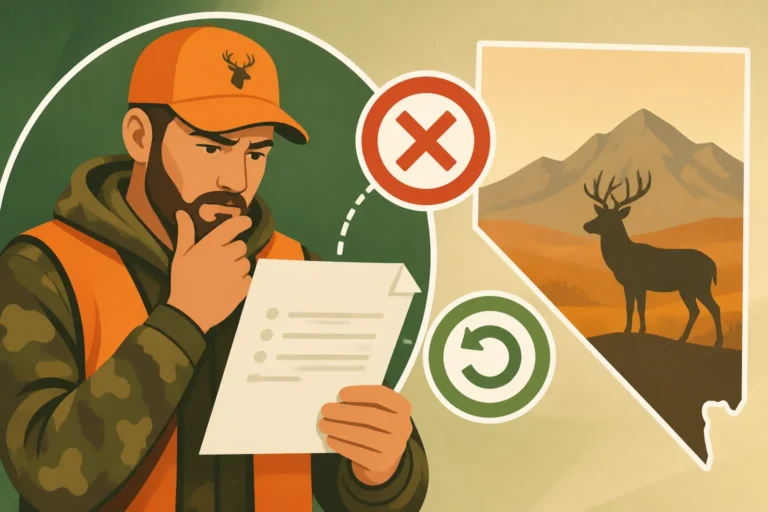
Outfitters typically require a deposit to secure your booking, often 50% of the total hunt cost, with the balance due closer to the hunt date or upon arrival. These deposits are generally non-refundable, especially if you cancel your trip. However, many outfitters have specific policies regarding draw success. Given the difficulty of drawing a Nevada tag, a common arrangement is that if you fail to draw your tag, your deposit can be rolled over to the following year's application, or sometimes even refunded (minus a small administrative fee). This is a critical detail to clarify before you put down any money.
Always get your booking agreement in writing and read the cancellation policy thoroughly. Understand what happens if you cancel, if the outfitter cancels, or if you don't draw your tag. Don't be afraid to ask direct questions about these scenarios. Many reputable outfitters understand the challenges of the draw system. Resources like BookYourHunt can sometimes provide initial information on outfitter policies, but direct communication with the outfitter is always best. Using tools like GoHunt for draw odds can help you assess your chances before committing to a booking, but even then, nothing is guaranteed. Protect your investment by understanding all financial terms upfront.
Choosing and Vetting Your Nevada Mule Deer Outfitter
Selecting the right outfitter is paramount to a successful and enjoyable guided hunt. This isn't a decision to rush; it requires diligent research and careful consideration. Your guide is not just a service provider; they are your partner in the field, and a good fit makes all the difference.
Researching Reputable Outfitters
The first step in finding a reputable Nevada mule deer outfitter is thorough research. Start by gathering names from various sources. Online platforms like BookYourHunt can be a fantastic starting point, as they often list multiple outfitters with client reviews and detailed service descriptions. Hunting forums specific to Nevada or the Great Basin are another excellent resource, as experienced hunters often share recommendations and warnings. Attending hunting expos and conventions allows you to meet outfitters face-to-face, ask questions, and get a feel for their personality and approach.
Once you have a list of potential outfitters, dive deeper. Look for consistent positive feedback and specific details in testimonials. Be wary of reviews that are overly vague or seem too good to be true. Most importantly, always ask for a list of references—recent clients who have hunted mule deer with them. Don't just get the list; call every single one. Ask detailed questions about their experience: what was the camp like, how was the food, what was the guide's demeanor, how hard did they work, and what was their success rate? Vetting a Nevada Outfitter Before You Send a Deposit is arguably the most important homework you'll do for your hunt.
Key Questions to Ask Potential Guides
When you connect with a potential guide, be prepared with a list of specific questions. This conversation is your opportunity to gauge their experience, philosophy, and whether their style aligns with your expectations. Here are some critical points to cover, which will help clarify Questions Worth Asking Before You Book:
- Experience in Your Unit: How long have they hunted this specific unit? How recently have they had success there? Do they have current scout photos or reports?
- Success Rates: What are their historical success rates for mule deer in that unit, and how do they define "success" (e.g., shot opportunity, harvested animal, trophy size)?
- Hunt Style: What's their typical hunting method? Is it primarily glassing and stalking, still hunting, or sitting water sources? How much walking is involved daily?
- Physical Demands: Be honest about your fitness level and ask what physical conditioning is required. How much elevation gain and distance should you expect to cover on a typical day?
- Guide-to-Hunter Ratio: Reconfirm whether it's a 1:1 or 2:1 hunt and how they manage that dynamic.
- Emergency Plan: What is their protocol for medical emergencies or unexpected issues in remote terrain?
- Trophy Philosophy: Do they prioritize a specific size class of buck, or are they happy with any legal animal? Make sure their goals align with yours.
- What's Included/Excluded: Go over the detailed list of what the hunt fee covers to avoid surprises.
- References: Always ask for three to five recent references from hunters who pursued mule deer in your chosen unit.
This conversation isn't just about facts; it's about chemistry. You'll be spending a lot of time with this person in challenging conditions. Trust and mutual respect are essential.
Verifying Licenses and Permits
This step is non-negotiable. Anyone operating as a hunting guide or outfitter in Nevada must be properly licensed by the Nevada Department of Wildlife (NDOW) and, if they operate on public lands (which most mule deer hunts do), they also need special use permits from the relevant federal agencies (like the Bureau of Land Management or U.S. Forest Service). It's a two-tiered system you absolutely must understand.
Ask for their NDOW guide license number and verify it directly with NDOW. You can usually find contact information on the NDOW website. Similarly, ask for their federal land use permits and the specific agencies they are permitted with. How NDOW Licenses Hunting Guides details the state requirements, but Why Nevada Guides Need Federal Land Permits is critical for operating on the vast public lands that dominate the state. An outfitter who hesitates or can't readily provide this information is a massive red flag. Operating without proper licenses and permits is illegal, and choosing such an outfitter puts you at legal risk and indicates a lack of professionalism and ethical conduct. Do your due diligence here to protect yourself and ensure you're hunting with a legitimate operation.
Preparing for Your Guided Nevada Mule Deer Hunt
You've drawn the tag, booked the guide – now the real preparation begins. A guided hunt isn't a passive experience; your preparation directly impacts your enjoyment and success in the field.
Physical and Mental Conditioning
Nevada mule deer hunting, especially in the vast Basin and Range country, is physically demanding. You'll be walking, often uphill, over uneven and rocky terrain, potentially at higher elevations than you're accustomed to. Days can involve many miles of hiking and hours of static glassing. If you're not physically prepared, you'll struggle, tire quickly, and may miss opportunities. This is why Preparing Physically for Long Glassing Days is paramount.
Start a comprehensive fitness routine months before your hunt. Focus on cardiovascular endurance (hiking with a loaded pack), strength training (especially core and legs), and flexibility. Mimic hunting conditions as much as possible: hike steep trails with your hunting boots and backpack. Equally important is mental conditioning. Nevada hunts can involve long periods of no action, challenging weather, and the physical toll of continuous effort. Staying positive, patient, and focused, even when things are tough, is crucial. Your guide will work hard for you, but they can't carry you up a mountain or keep you motivated if you're mentally checked out. Be realistic about your current fitness and work to improve it.
Essential Gear and Equipment
While your outfitter will provide much of the camp equipment, you are responsible for your personal hunting gear. This includes your weapon (rifle, muzzleloader, or bow), ammunition, optics, clothing system, and personal pack. Let's break down some key areas:
- Optics: This is where you don't want to skimp. High-quality binoculars (10x or 12x are common), a good spotting scope (20-60x or higher), and a sturdy tripod are indispensable for mule deer hunting in Nevada. You'll be spending hours behind glass, so clarity and comfort are key. Optics Power for Nevada's Long Sightlines is a topic you'll quickly come to appreciate.
- Clothing System: Nevada's weather can be highly unpredictable, especially at higher elevations. You need a versatile layering system that can handle freezing mornings, warm afternoons, and sudden storms. Think moisture-wicking base layers, insulating mid-layers, and a waterproof/windproof outer shell. Avoid cotton.
- Footwear: Sturdy, broken-in hiking boots are essential. They need to provide excellent ankle support and grip on rocky, uneven terrain. Consider bringing a second pair in case one gets wet.
- Weapon: Discuss your rifle or bow with your guide. For rifles, something capable of accurate shots at longer distances is often preferred in open country. Make sure your rifle is sighted in and you've practiced shooting from various field positions. Choosing a Rifle for Basin and Range Country is an important decision.
- Backpack: A comfortable daypack for essentials like water, snacks, extra layers, first aid, and game bags. If you anticipate packing out meat, a larger frame pack might be necessary, though your guide will often assist with the heavy lifting.
Double-check your gear list with your outfitter well in advance. They often provide a suggested list based on the specific hunt and expected conditions.
Pre-Hunt Communication and Expectations
Establishing clear communication with your outfitter before your hunt is vital. Don't wait until the last minute to ask questions or share concerns. Regular contact allows you to stay informed about changing conditions, such as weather patterns, deer movement, or any access issues in your unit. Your guide may send updates from their scouting trips, which can help you mentally prepare and adjust your gear if needed.
Use this time to reiterate your expectations. Are you primarily after a trophy buck, or is any legal mule deer acceptable? What are your physical limitations? Do you have any dietary restrictions? The more information you share, the better your guide can tailor the experience to you. This is also a good opportunity to discuss how they typically hunt in your specific unit and what strategies they plan to employ. Many hunters use resources like GoHunt to dive deep into unit statistics and harvest data even before communicating with their guide, allowing them to ask more informed questions. This pre-hunt dialogue helps build rapport and ensures that both you and your guide are aligned on the objectives and realities of the upcoming adventure.
Post-Hunt Logistics and Ethical Considerations
The hunt doesn't end when the shot is fired. Proper post-hunt procedures are crucial for respecting the animal, preserving the meat and trophy, and complying with regulations.
Game Care and Transport
Once an animal is down, the clock starts ticking, especially in Nevada's often warm conditions. Prompt and thorough field dressing is paramount to cooling the meat and preventing spoilage. Your guide will be invaluable here, assisting with the process and often carrying specialized tools. Field Dressing in August Heat is a skill, and guides are masters of it. They'll help you cape and quarter the animal efficiently.
Transporting the meat from the field to a cooler or processor is the next critical step. This can involve packing it out on foot, using a UTV, or employing pack animals for remote kills. Your guide will have a plan for Getting Meat Cooled on an Early Season Hunt, which often includes large coolers with ice back at camp or a pre-arranged drop-off at a butcher shop. It's important to discuss the plan for meat handling with your outfitter beforehand and understand any associated costs for local processing or shipping services.
Mandatory Reporting and Tagging
Nevada, like all states, has strict tagging requirements. Immediately after harvesting a mule deer, you must attach your tag to the animal in the manner specified by NDOW regulations. This means having your tag readily accessible and understanding the correct procedure. Your guide will ensure you comply with these rules. How Soon You Must Tag a Downed Animal is not just a suggestion, it's a legal requirement.
Beyond physical tagging, some Nevada tags may have mandatory reporting requirements. This could involve reporting your harvest online or by phone within a specific timeframe after the hunt. Your guide will typically remind you of these obligations, but it's ultimately your responsibility as the hunter to ensure all regulations are met. Mandatory Reporting After a Nevada Harvest helps NDOW collect vital data for managing deer populations, so it's a crucial part of responsible hunting.
Tipping and Showing Appreciation
Tipping your guide and any support staff is a customary practice in the hunting industry and a significant part of their income. It's a way to acknowledge their hard work, dedication, and the service they provided throughout your hunt. While there's no fixed rule, a general guideline for a guided hunt is 10-20% of the hunt's base cost. However, the exact amount can vary based on the quality of service, the guide's effort, and your overall satisfaction.
Consider the level of effort your guide put in, their professionalism, their knowledge, and how well they managed the logistics of the hunt. If camp cooks or other assistants were part of the crew, a separate gratuity for them is also appropriate. It’s best to provide tips in cash at the end of the hunt. Even if you don't harvest an animal, a guide's effort and dedication should still be recognized. A good guide works incredibly hard, often for long hours, far from home, to provide you with the best possible experience. Showing your appreciation through a thoughtful tip is a respected tradition and reflects well on you as a client.
Disclaimer
This article is for general informational purposes only and does not constitute professional advice. Laws, prices and regulations vary by location and change over time. Consult a qualified professional for guidance on your specific situation.