Leasing Private Ground in Nevada
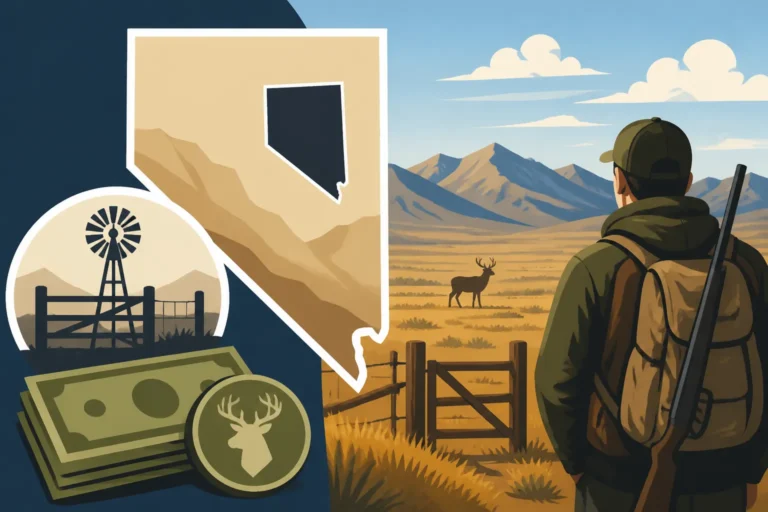
Navigating Nevada's vast public lands can be an incredible adventure, but for many hunters, the constant pressure, unknown access, and highly competitive draw system can lead to immense frustration. Securing consistent, quality hunting opportunities, especially for big game, often feels like chasing a mirage. This guide dives deep into the world of leasing private ground in Nevada, exploring how it can unlock exclusive access, enhance your hunting experience, and potentially lead to more predictable success, offering a path around some of those common public land headaches.
Why Consider Leasing Private Land in Nevada?
For many, the idea of leasing private land for hunting feels a bit foreign, especially in a state like Nevada where the vast majority of land is publicly owned. Yet, for others, it's a strategic move to gain an edge, alleviate frustrations, and invest in a more reliable hunting experience. It's about moving beyond the lottery of the draw and the often-crowded public access points to carve out a piece of hunting paradise that you can call your own, at least for a season.
Escaping Public Land Pressure
Anyone who has ever drawn a desirable public land tag in Nevada knows the drill: scout hard, be prepared for long hauls, and then, on opening morning, realize you're not the only one with that brilliant plan. Vehicle trails leading into prime glassing points are lined with other trucks, and you're constantly seeing orange vests moving through basins you thought you had to yourself. It can be incredibly disheartening to put in all that effort only to feel like you're competing for space.
Leasing private land offers a direct escape from this congestion. Imagine having hundreds or even thousands of acres to yourself, or at most, shared with a very small, predefined group of trusted partners. There are no surprise encounters, no worry about someone else cutting you off, and the game animals aren't constantly being pushed around by a parade of other hunters. This reduction in pressure isn't just about peace of mind; it often translates directly into more predictable animal behavior and higher quality encounters. You can settle into a pattern, learn the land intimately, and hunt without feeling rushed or threatened by another hunter's presence.
Consistent Access and Game Quality
Public land hunting, particularly in Nevada's draw system, can be a feast or famine scenario. You might draw a fantastic unit one year, only to wait five or ten more to get back into a similar quality area. This inconsistency makes it hard to develop a long-term strategy, to truly learn a piece of country, or to manage it for better game. With a private lease, you gain consistent, year-after-year access to the same ground, assuming you renew your agreement.
This consistency is a game-changer. You can pattern game, understand their movements throughout different seasons, identify bedding areas, travel corridors, and watering holes without starting from scratch every year. This long-term relationship with the land and its wildlife can lead to incredible hunting insights. Furthermore, many prime private parcels, especially those with reliable water sources or prime agricultural fields, can hold higher densities of game or attract larger, older animals. These properties often act as sanctuaries during hunting season, drawing animals in from surrounding public lands due to less pressure and abundant resources.
Potential for Habitat Management and Improvement
One of the often-overlooked benefits of leasing private ground is the opportunity to engage in direct habitat management, albeit with the landowner's permission and collaboration. On public land, you're a visitor, and while you can practice ethical hunting, you can't really influence the habitat on a larger scale. On a private lease, especially one with a longer-term agreement, you might discuss projects like improving water sources, planting food plots (if appropriate for the species and environment), or managing specific forage areas.
This isn't just about increasing game numbers or quality; it's about connecting with the land on a deeper level. You become a steward, directly contributing to the health and productivity of the ecosystem you're hunting. For example, if you lease a property with a natural spring that tends to dry up in late summer, you might work with the landowner to install a small guzzler or improve the spring box, benefiting not just deer or elk but all wildlife in the area. This level of involvement can turn a simple hunt into a year-round passion project.
Understanding Nevada's Private Land Landscape
Nevada is often perceived as a state dominated by vast expanses of public land, which is largely true. However, within and around these public holdings lie crucial private parcels that can significantly influence hunting opportunities. Understanding the different types of private land and how they interact with public access is key to even beginning the conversation about leasing.
Types of Private Land Ownership
When you look at a land ownership map of Nevada, particularly in the lower elevations and valley floors, you'll see a patchwork of private land. These are primarily:
- Ranch and Agricultural Land: This is the most common type of private land available for leasing. These properties often encompass critical winter range, irrigated fields that provide forage, and crucial water sources that draw in game from surrounding arid public lands. You'll find these primarily in the state's productive valleys, like those in Eastern Nevada around Elko and Ely, or in the western part of the state. These ranches often have a long history of cattle grazing, and wildlife is simply a secondary resident that thrives on the resources available.
- "Checkerboard" Lands: These are remnants of old railroad grants, where private sections (often square miles) alternate with public sections. While less common for large-scale private leases in the traditional sense, understanding these patterns is vital. Sometimes, a ranch might own several of these private sections, which, if leased, can grant strategic access to otherwise landlocked public sections or control key travel corridors for game. Private Ranch Ground Along Nevada Valleys often refers to these types of properties.
- Smaller Parcels and Rural Homesites: Less frequently available for hunting leases, these smaller tracts are typically residential or hobby farms. While they might occasionally offer bird hunting opportunities, they are generally not the focus for big game leasing due to their size and proximity to human activity.
Recognizing these different types helps you target your search. For big game, especially deer and elk, large ranches with varied terrain – from irrigated fields to sagebrush foothills – are typically the most desirable.
The Significance of Water Sources and Habitat
In a state as arid as Nevada, water is life, and it's also a major determinant of where wildlife congregates. Many private parcels, especially historical ranch lands, were settled specifically because they controlled reliable water sources: springs, creeks, rivers, or wells. These natural resources become magnets for deer, elk, antelope, and bighorn sheep, drawing them in from miles around, especially during dry periods or early season hunts like Nevada's August Archery Deer Window.
Beyond water, private lands often provide essential habitat diversity. Irrigated alfalfa or grain fields offer high-energy forage that might be scarce on surrounding public lands. Riparian zones along creeks, even small ones, provide cover, shade, and different types of vegetation that are critical for survival. During harsh winters, lower elevation private lands often serve as crucial winter range, concentrating animals. This makes private land an attractive option, not just for the exclusivity, but because it often encompasses the very best habitat within a given unit.
Landlocked Public Ground and Access Issues
A common frustration for public land hunters in Nevada is encountering "landlocked" public parcels. These are sections of BLM or Forest Service land that are entirely surrounded by private property, with no legal public road or easement to access them. While the land itself is public, without permission to cross the private ground, it's effectively inaccessible. This is where leasing can play an interesting role.
Sometimes, a landowner who holds a large private parcel might also control access to significant landlocked public ground. By leasing their private acreage, you might gain permission to cross their land to access those public areas, effectively opening up new hunting opportunities that were previously off-limits to the general public. This can drastically increase the total huntable acreage at your disposal and provide a unique advantage. Understanding Reading a Nevada Unit Boundary Before You Apply and layering public/private land maps (like those offered by GoHunt or onX) is crucial to identifying these opportunities.
The Process of Finding and Securing a Lease
Finding a private hunting lease in Nevada isn't like booking a hotel room; it often requires persistence, networking, and a good understanding of what you're looking for. It's a proactive process that can take time, but the rewards can be substantial.
Online Platforms and Databases
In the digital age, several online platforms have emerged to connect landowners with hunters seeking leases. Websites like BookYourHunt or specific sections on forums and hunting land brokerage sites often list available leases. These platforms can be a great starting point, allowing you to filter by state, species, and acreage. They provide a centralized place to see what's currently on the market, though listings in Nevada can be less frequent than in states with more agricultural private land.
When using these platforms, pay close attention to the details provided. Are there photos of the terrain? What species are mentioned? Is there any information about water sources or past harvest success? While convenient, these listings represent only a fraction of potential opportunities, and the best deals often come through more direct means. Still, they can give you a sense of prevailing rates and what's typically included in a lease agreement.
Networking and Local Connections
Often, the most fruitful path to securing a private land lease in Nevada is through old-fashioned networking and local connections. Ranchers, especially those who aren't actively advertising their land, are often more inclined to lease to someone they know or who comes recommended by a trusted source. This means getting out into the communities, attending local events, visiting small-town general stores, and simply talking to people.
- Word of Mouth: Let people know you're looking. Chat with folks at your local sporting goods store, at the feed store, or even through hunting clubs. You never know who might have a cousin or a friend who owns a ranch and is considering leasing.
- Direct Contact: Identify potential properties through satellite imagery and land ownership maps (such as those provided by GoHunt). Then, respectfully approach the landowners. This could involve writing a letter, making a phone call, or, if appropriate, knocking on their door. This direct approach shows initiative and respect. For more tips, see How to Ask a Nevada Rancher for Access.
- Professional Referrals: Sometimes, local real estate agents specializing in rural properties, or even hunting outfitters, might have knowledge of landowners open to leasing. They can act as intermediaries and help facilitate the initial contact.
Crafting Your Pitch to a Landowner
When you do make contact, whether in person or through a letter, your "pitch" is critical. Ranchers are often protective of their land, their livestock, and their privacy. They want to know that you are responsible, respectful, and will treat their property well.
Consider including:
- Who you are: Introduce yourself, your background, and your hunting experience.
- What you're looking for: Be specific about the species you're interested in, the duration of the lease (seasonal, annual), and the type of hunting you prefer (e.g., archery only, rifle, limited group size).
- Why their property: Demonstrate you've done your homework. Mention specific features you've noticed (e.g., "I saw you have a good water source in the north pasture that likely draws in deer").
- Commitment to stewardship: Emphasize your respect for their land, livestock, and existing operations. Offer to help with minor tasks, like closing gates, reporting fence damage, or even assisting with small projects during your time on the property. This builds trust and shows you're not just there to take.
- References: Offer references from other landowners or respected individuals in the hunting community.
Being prepared, polite, and professional goes a long way. Remember, you're not just asking for access; you're proposing a business relationship based on trust and mutual benefit.
Key Considerations for a Nevada Lease Agreement
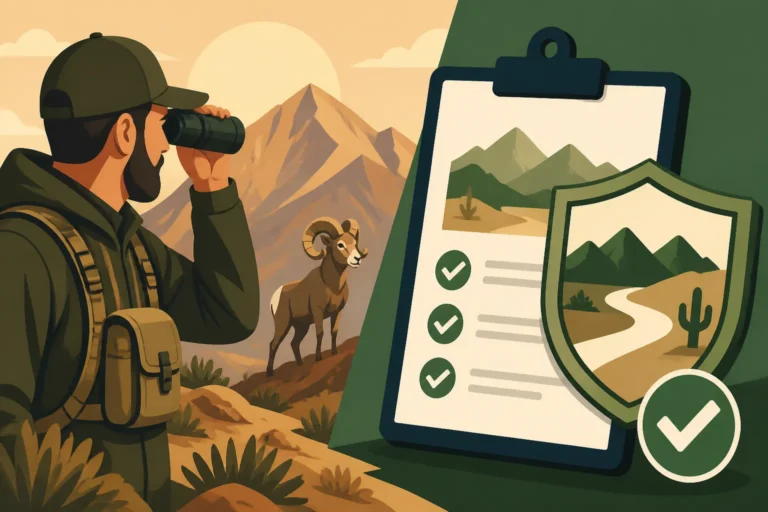
Once you've found a potential property and established initial contact, the next crucial step is drafting a clear and comprehensive lease agreement. This document protects both you and the landowner, defining expectations and responsibilities. Never operate on a handshake deal alone when it comes to private land access for hunting; get everything in writing.
Lease Duration and Species Specificity
One of the first things to clarify is the duration of the lease. Will it be for a single season (e.g., just for When Nevada Rifle Deer Seasons Fall), or an entire year? Annual leases offer more flexibility for scouting and potentially hunting multiple species, but they come at a higher cost. A multi-year agreement can be beneficial if you plan to invest in habitat improvements or simply want long-term consistency, but it also locks you in.
Next, explicitly state the species included in the lease. Is it for mule deer only? Does it include elk if they frequent the property? What about upland birds like chukar, or even predator hunting? Be very specific. Nevada's hunting regulations are species-specific, and you need to ensure your lease aligns with the tags you hope to draw or acquire. Also, clarify any restrictions on the number or sex of animals that can be harvested, especially if the landowner is looking to manage their wildlife population.
Defining Access, Boundaries, and Usage
This section is vital for preventing misunderstandings and potential trespass issues.
- Access Points: Clearly delineate where you are permitted to enter and exit the property. Are there specific gates to use? Are keys provided? What about access roads – which ones are you allowed to drive on, and which are off-limits due to sensitive areas or ranch operations?
- Boundaries: The lease agreement should include a detailed map of the leased area, clearly marking boundaries. This is especially important in Nevada's mixed ownership landscapes where private and public lands can be intertwined. You need to know exactly where your hunting privileges begin and end to avoid inadvertently trespassing onto adjacent properties. Reading a Nevada Unit Boundary Before You Apply can help you understand how units are drawn.
- Permitted Use: Beyond hunting, what other activities are allowed? Can you bring an RV or set up a camping trailer? Are guests permitted (and how many)? Can you bring dogs for bird hunting? What about setting up trail cameras (which have their own specific regulations in Nevada)? Are blinds or tree stands allowed? Be explicit about equipment, vehicle types, and any seasonal restrictions related to livestock operations (e.g., no hunting in pastures with calving cows).
Liability and Insurance
This is perhaps the most critical section for both parties. Hunting inherently carries risks, and protecting yourself and the landowner is paramount.
- Liability Waiver: The lease should contain a clause where you, as the lessee, agree to indemnify and hold harmless the landowner from any injuries or damages you or your guests might incur while on the property. This is standard practice.
- Insurance: Many landowners, especially those with larger holdings, will require you to carry liability insurance. This protects both you and them in case of an accident. You can often obtain a relatively inexpensive hunting lease liability policy through various insurance providers. This coverage typically protects you against claims arising from injuries to guests or damage to the property caused by your activities. Confirm the minimum coverage amount the landowner requires and ensure your policy meets those criteria.
Payment Terms and Other Clauses
The financial aspect needs to be crystal clear.
- Lease Fee: State the total cost, the payment schedule (e.g., annual, semi-annual), and acceptable payment methods.
- Cancellation Policy: What happens if either party needs to terminate the agreement early? Are refunds prorated?
- Game Management: Will the landowner have input on harvest numbers or age classes? Some landowners are keen on developing trophy animals and might have specific requests.
- Conservation Clauses: Many leases include clauses related to waste, litter, and respect for the environment. You might also agree to share harvest data with the landowner, which can help them manage their wildlife.
| Feature | Description | Importance |
|---|---|---|
| Duration | Single season, annual, or multi-year. | Affects cost, long-term planning, and ability to manage habitat. |
| Species Included | Explicitly state which game animals you are permitted to hunt. | Prevents misunderstanding; ensures alignment with your draw success and hunting goals. |
| Boundaries | Detailed map of leased area, marking ingress/egress. | Essential to prevent accidental trespass and clearly define huntable land. |
| Access Rules | Permitted roads, gates, vehicle types, and seasonal restrictions. | Ensures smooth operation for both hunter and landowner; prevents damage to property or interference with ranch operations. |
| Guests Allowed | Number of guests, notification requirements, and their adherence to lease terms. | Manages hunter pressure and landowner liability; keeps control over who is on the property. |
| Liability | Waiver of landowner liability; requirement for lessee's liability insurance. | Critical for protecting all parties from legal issues stemming from accidents or injuries. |
| Payment Terms | Lease fee, payment schedule, and methods. | Clear financial agreement. |
| Conservation | Rules on litter, waste, habitat damage, and potential habitat improvement projects. | Promotes ethical hunting and long-term land stewardship. |
| Cancellation | Conditions under which the lease can be terminated by either party, and refund policy. | Provides clarity in unforeseen circumstances. |
Remember, the goal of the lease agreement is clarity. Don't be afraid to ask questions or seek legal advice if you're unsure about any clauses. A well-written lease protects everyone and fosters a positive relationship between hunter and landowner.
Pros and Cons of Leasing Private Hunting Ground
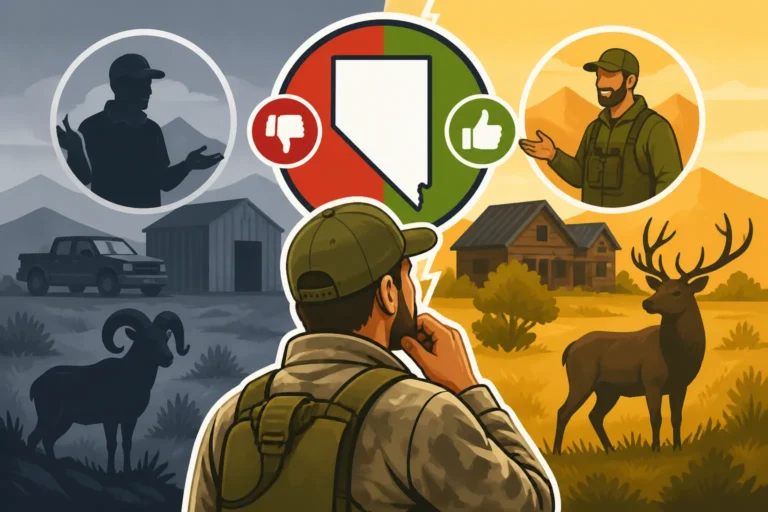
Deciding whether to pursue a private hunting lease in Nevada is a significant decision, both financially and logistically. There are undeniable advantages, but also considerable drawbacks that need to be weighed carefully against your personal hunting philosophy and resources. It's not a one-size-fits-all solution, and understanding both sides will help you determine if it's the right path for you.
Advantages of Private Land Leasing
The benefits of a well-secured private lease in Nevada can significantly enhance your hunting experience:
- Reduced Pressure and Exclusivity: This is often the primary driver for leasing. Imagine hunting an entire basin without seeing another hunter's vehicle or silhouette. You don't have to worry about someone else spooking your target buck or setting up on your hard-earned scouting spot. This exclusivity means a more relaxed hunt, less disturbed game, and the ability to truly immerse yourself in the landscape. It's a stark contrast to the often crowded conditions on easily accessible public land, especially during peak seasons for species like mule deer or elk.
- Higher Potential for Quality Animals and Success Rates: Private lands, particularly large ranches with diverse habitats and reliable water, often become sanctuaries for game. Animals, especially mature bucks and bulls, learn to avoid public land pressure and gravitate towards these quieter, resource-rich areas. This can lead to encounters with larger, older animals and often results in higher overall success rates compared to heavily pressured public ground. When you have animals consistently on the property, and you're the only one pursuing them, your chances naturally go up.
- Predictable and Consistent Hunting Opportunities: Unlike the often unpredictable lottery of Nevada's draw system, a private lease offers guaranteed access to a specific property. You know you'll have a place to hunt each year (assuming you renew), allowing for long-term planning, in-depth scouting, and the development of a deep understanding of the land and its game. This consistency can be incredibly satisfying, turning a series of isolated hunts into an ongoing relationship with a specific piece of country. It removes the stress of constantly applying and waiting.
- Opportunities for Habitat Management and Relationship Building: As discussed earlier, a lease can open doors to active habitat management, allowing you to contribute directly to the health of the wildlife and the land. Beyond that, it fosters a direct relationship with the landowner. Many hunters find immense satisfaction in building these connections, learning about the ranching lifestyle, and exchanging stories. This relationship can often extend beyond the hunting season, creating a valuable bond.
Disadvantages and Potential Drawbacks
While attractive, leasing private land comes with its own set of challenges:
- Significant Financial Investment: This is undoubtedly the biggest hurdle. Private land leases, especially for quality big game hunting in Nevada, can range from moderately expensive to extremely costly. The price depends heavily on the acreage, game quality, species available, and the duration of the lease. This investment can be prohibitive for many, making it an option primarily for those with ample disposable income or a group of hunters willing to share the cost. You'll need to consider the initial outlay and ongoing costs for insurance, any improvements, and travel.
- Limited Flexibility and Responsibility: When you lease, you commit to a specific property. This means less flexibility to explore new units or chase different opportunities that might arise. You are also taking on significant responsibilities. You are accountable for your actions, the actions of your guests, and often for maintaining the property according to the lease agreement. Damage to fences, gates left open, or disrespect for livestock can quickly sour a relationship and jeopardize future access. You're not just a hunter; you're a temporary steward.
- Potential for Disputes with Landowners: Even with a clear lease agreement, disagreements can arise. Misunderstandings about boundaries, access rules, game harvest, or even simple communication breakdowns can strain the relationship. It's crucial to choose a landowner with whom you can communicate openly and respectfully. Sometimes, a landowner's operational needs (e.g., unexpected cattle movements) might conflict with your hunting plans, requiring flexibility on your part.
- Not a Guarantee of Success: While a lease increases your potential for success and quality encounters, it is by no means a guarantee. Hunting is still hunting, and even the best private land can have off years due to weather, drought, or unforeseen animal movements. A lease is an investment in opportunity, not a trophy coupon. If you go into it expecting a guaranteed harvest, you might find yourself disappointed, especially given the financial outlay.
Considering these factors, many hunters choose a blended approach, supplementing public land hunts with occasional trespass fees or guided trips on private land, rather than committing to a full lease.
Alternatives to a Full Private Land Lease
A full private land lease isn't always feasible or necessary for every hunter. Fortunately, there are several other avenues to gain private land access or improve your hunting odds without the long-term commitment and significant cost of a comprehensive lease. These alternatives can provide a taste of private land hunting or serve as strategic complements to your public land efforts.
Trespass Fee Arrangements
A trespass fee arrangement is perhaps the most common way to get short-term private land access in Nevada without a full lease. In this scenario, you pay a landowner a set fee for permission to hunt their property for a specific period – typically a day, a few days, or a specific season. This is often done for deer or antelope hunting, especially on ranches that control key access points or prime habitat. For detailed insights, check out Trespass Fee Arrangements on Nevada Ranches.
The beauty of a trespass fee is its flexibility. You don't commit to a long-term contract or a massive upfront investment. You pay for the access you need, when you need it. This can be particularly useful if you've drawn a tag in a unit where a specific private ranch holds animals or provides access to otherwise landlocked public ground. Always get the terms of a trespass fee in writing, even if it's a simple signed note, specifying the dates, species, and boundaries. Landowners who offer these often have established protocols, making the process fairly straightforward.
Guided Hunts on Private Land
If your primary goal is to maximize your chances of harvesting a specific trophy animal, and budget isn't the absolute top concern, booking a fully guided hunt on private land might be a superior option to a DIY lease. Many Nevada outfitters have long-standing agreements with private landowners, securing exclusive access to prime properties for their clients. These outfitters invest heavily in scouting, equipment, and managing these properties to provide top-tier hunting experiences.
A guided hunt on private land offers several advantages:
- Expertise: You benefit from the outfitter's intimate knowledge of the property, game patterns, and hunting tactics.
- Logistics Handled: The outfitter typically provides meals, lodging (often in comfortable camps or lodges), transportation within the hunting area, and often assistance with game retrieval and field care.
- Higher Success Rates: Reputable outfitters often boast impressive success rates on private land, partly due to less pressure and partly due to their specialized knowledge and effort.
- No Long-Term Commitment: You pay for a specific hunt, and once it's over, you're done. No ongoing responsibilities or annual fees.
While the upfront cost of a guided hunt can be significant (e.g., What a Guided Nevada Elk Hunt Costs), it covers everything from access to expertise, removing much of the planning and logistical burden from your shoulders. It's a premium service designed for efficiency and success.
Joining a Hunting Club or Cooperative
In some regions, groups of hunters might pool resources to lease larger tracts of private land, forming a hunting club or cooperative. This spreads the financial burden and management responsibilities among several individuals. While less common for large big game leases in Nevada than in, say, the Southeast for deer, it's an option that might exist in areas with significant agricultural land.
Joining such a club often means paying an annual membership fee, which grants you access to the leased property during designated seasons. The club usually handles the lease negotiations, insurance, and rules enforcement. The downside is that you might have less autonomy than a solo leaseholder, and you'll be sharing the property with other club members. However, it can be a more affordable entry point into private land hunting. These opportunities often come through word of mouth, so networking with local hunters can be key to finding them.
Landowner Permission for Specific Hunts
Sometimes, all it takes is simply asking. Many smaller private landowners, especially those without large ranching operations, might be willing to grant permission for specific, short-term hunts without charging a formal fee. This is often the case for predator control, bird hunting, or for a local resident who has drawn a coveted big game tag and is looking for a specific access point.
This approach requires excellent interpersonal skills, respect, and a willingness to abide by any rules the landowner sets. Always offer to help with chores, pick up litter, or provide a small gift as a token of appreciation. While it doesn't offer guaranteed long-term access, it can open up unique, low-cost opportunities. Always be sure to clarify boundaries, vehicle use, and any safety concerns. Remember the importance of courtesy and expressing gratitude; it goes a long way in securing potential future access.
No matter which path you choose, whether it's a full lease, a trespass fee, or a guided hunt, gaining access to private land in Nevada can dramatically change your hunting experience, offering unique opportunities and a chance to escape the increasing pressures of public land.
Disclaimer
This article is for general informational purposes only and does not constitute professional advice. Laws, prices and regulations vary by location and change over time. Consult a qualified professional for guidance on your specific situation.