Which Units Open Elk Muzzleloader in September
Trying to figure out which specific units in Nevada open for muzzleloader elk in September can feel like navigating a maze of regulations and hunt codes. It’s a common frustration when you're planning your limited entry applications, hoping to pinpoint those prime early season opportunities. This guide is designed to cut through the confusion, clearly outlining which units typically offer a muzzleloader elk season kicking off in September, along with crucial insights for applying and preparing for such a coveted hunt.
Understanding Nevada's Elk Muzzleloader Season Structure
Nevada's elk seasons, particularly for muzzleloader, are highly anticipated and deeply rooted in the state's conservation efforts and trophy management goals. Unlike general rifle seasons that might open later, the September muzzleloader window offers a unique experience, albeit with its own set of challenges and allure. It's a precise window that requires careful planning, a deep understanding of the regulations, and often, a hefty dose of luck in the draw.
The Allure of Early Muzzleloader Elk
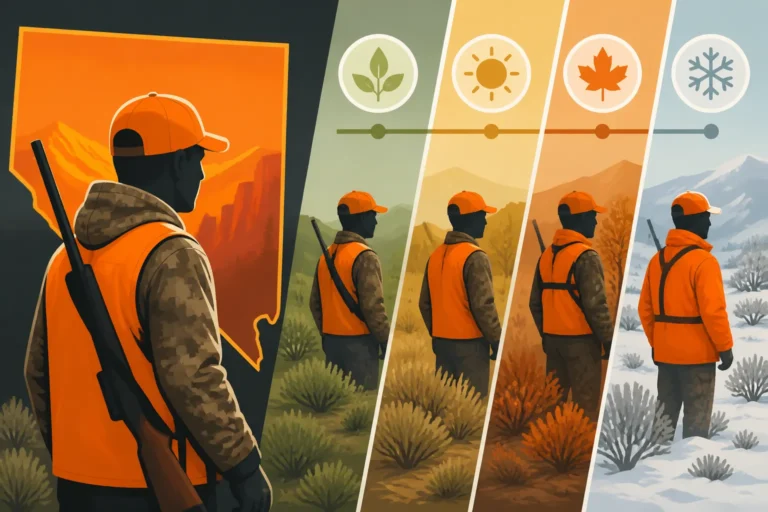
There's something incredibly special about chasing elk with a muzzleloader in September. For many, it represents the perfect blend of traditional hunting methods and the thrill of the early rut. You're out there when the air is still crisp, but the heat of summer can linger, making conditions varied and dynamic. Elk are often still transitioning from their summer patterns, bulls are getting vocal, and the landscape is alive with anticipation. This early season can mean catching bulls still in velvet, or just after they've shed, sporting hard-earned polished antlers before the intense rut kicks in.
The main draw for many hunters is the opportunity to be in the field during a period of heightened elk activity. Bulls are starting to round up cows, sparring is becoming more frequent, and those iconic bugles echo across the basins and mountains. This vocalization offers a distinct advantage for muzzleloader hunters, allowing for calling strategies that might not be as effective in later seasons. It’s a chance to immerse yourself in the wild, using traditional gear while experiencing the majestic sounds of bugling bulls.
However, the early season isn't without its trials. While the weather can be pleasant, September in Nevada can also bring scorching temperatures, especially in the lower elevations or southern units. This means you need to be acutely aware of game meat care immediately after a harvest, and diligent about hydration and heat management during the hunt itself. The elk are also highly patternable during this time, but they can be incredibly wary, especially if they’ve been pressured by early archery hunters.
Decoding Nevada Hunt Unit Designations for Muzzleloader
Navigating Nevada's hunt units and understanding their specific season dates is fundamental to any successful application. The Nevada Department of Wildlife (NDOW) uses a detailed numbering system for its units, which can seem daunting at first glance. These numbers typically refer to specific geographic areas, often combining multiple smaller units into larger "unit groups" for certain hunts to distribute pressure and manage herd populations more effectively. Each unit or unit group will have designated hunt codes that specify the species, weapon type, and season dates.
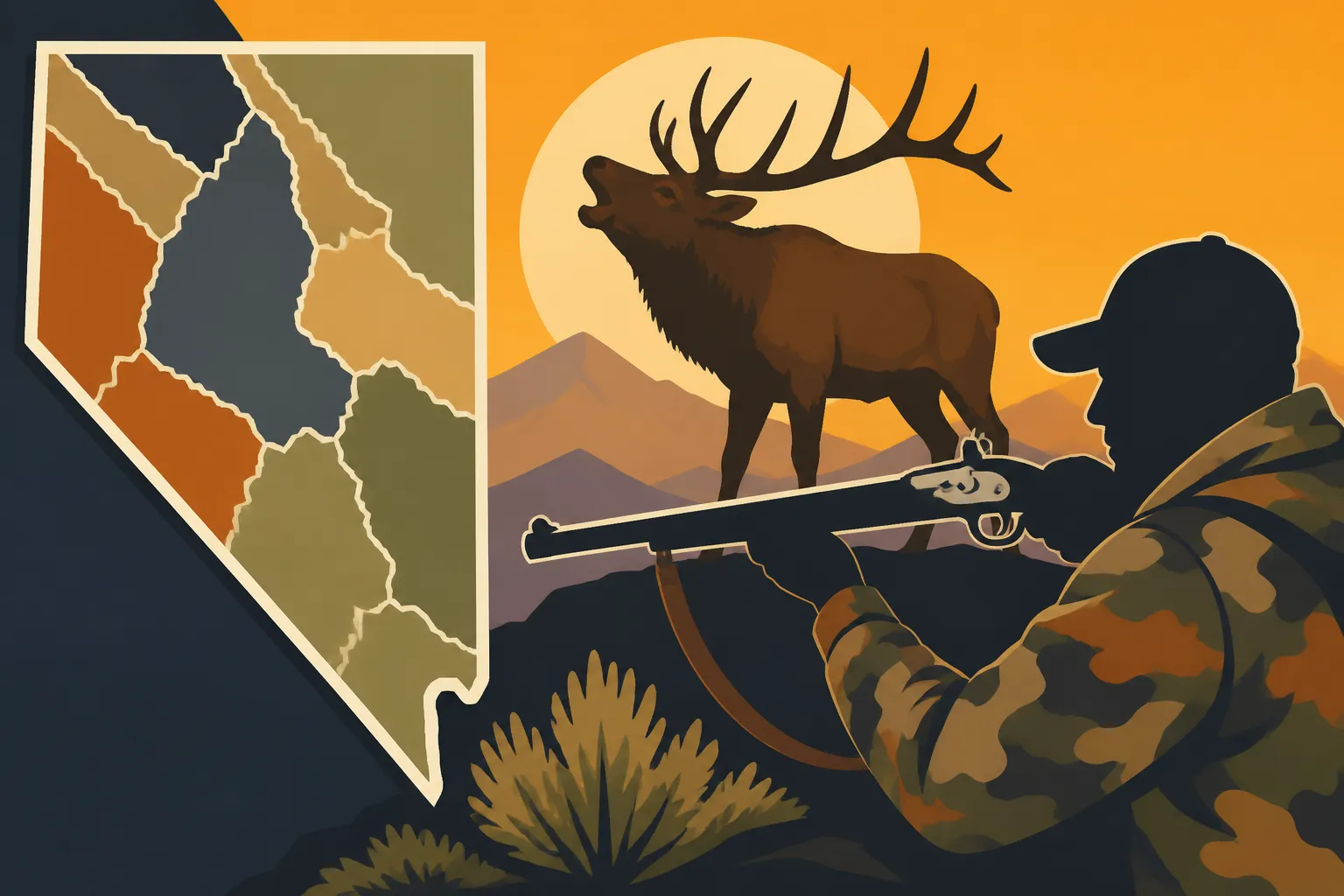
For muzzleloader elk hunts, you'll see specific hunt codes that denote "MALE" (Muzzleloader Any Legal Elk) or similar designations, followed by the unit numbers. For example, a hunt code like '2112' might encompass a large block of units, such as 071-077, 081, 091, 092. It's crucial to consult the official NDOW Big Game Seasons and Application Guide, or use reliable platforms like GoHunt, to cross-reference these codes with the exact season dates. These resources will clarify which specific units are bundled together for a particular hunt, and when that season begins and ends.
Understanding How Nevada Numbers Its Hunt Units is key to making sense of the regulations. The unit numbers themselves often reflect geographical proximity, with lower numbers generally in the north and higher numbers as you move south and east. When looking for September muzzleloader elk, you'll need to pay close attention to the specific weapon type (muzzleloader) and the listed start date. Many muzzleloader seasons are designed to open a few weeks after archery but before the main rifle hunts, allowing for that unique September opportunity. Always double-check the year's regulations, as dates and unit groupings can occasionally shift based on wildlife management objectives.
Specific Nevada Units Open for September Muzzleloader Elk
While Nevada offers a challenging draw for elk, the state does provide muzzleloader opportunities in September across a wide range of units. These seasons are typically short, often running for about 10 days, and are designed to coincide with the early stages of the elk rut, or just before it truly kicks off. This timing presents a unique window for hunters who prefer the muzzleloader challenge and the cooler, yet still warm, conditions of late summer transitioning into fall.
Key Units for Early Season Opportunities
For the 2023-2024 season, a significant number of Nevada's general elk units open for muzzleloader hunting in September, typically beginning around the 20th or 21st and concluding by the end of the month. This means that if you're lucky enough to draw one of these highly sought-after tags, you'll be in the field during a dynamic period of elk activity. These units are spread across various parts of the state, primarily in the northern and eastern regions where elk populations are more robust.
Here's a breakdown of unit groups that commonly offer September muzzleloader elk hunts:
- Northeast Nevada (Elko County and surrounding areas): Units 071-077, 081, 091, 092. This vast area is often considered prime elk country in Nevada, with a mix of high sagebrush basins, aspen groves, and mountainous terrain. The hunts here can be physically demanding, requiring extensive glassing and long stalks.
- Central and East-Central Nevada: Units 101-108, 111-115, 121, 131-134, 141-145, 151. These units cover a broad swath of the state, from the Ruby Mountains to the Schell Creek Range and beyond. They offer diverse habitats and can hold impressive numbers of elk. Some of these areas, like parts of the Ruby Mountains (often within the 100-series units), are known for producing larger bulls, though tags are incredibly hard to come by.
- Eastern Nevada (Closer to Utah border): Units 161, 162, 171, 173, 181, 191, 201. These units often feature rugged mountain ranges, deep canyons, and significant elevation changes. Unit 162, in particular, has a reputation for producing record-book bulls, making any tag in that area a true once-in-a-lifetime opportunity. Hunters pursuing elk in these areas will need to be prepared for challenging conditions and extensive backcountry travel.
While all these units open in September for muzzleloader, the actual hunting experience and elk densities will vary greatly. Some units are vast and remote, demanding serious physical preparation and navigation skills, while others might have more accessible terrain but also potentially higher pressure. It's vital to research your specific unit thoroughly, examining terrain, water sources, and historical harvest data. A deep dive into resources like GoHunt or NDOW's harvest reports will give you a better idea of what to expect in the specific unit you're targeting.
Navigating Draw Odds and Application Strategy
Even though many units open for muzzleloader elk in September, drawing one of these tags is a significant challenge. Nevada is a limited-entry state for big game, and elk tags, especially for bulls, are among the hardest to acquire due to high demand and relatively low quotas. The state's unique squared bonus point system, where Nevada Squares Your Bonus Points Into Draw Chances, means that accumulating points over several years significantly improves your odds, but it's still a long game.
Many hunters will go years, even decades, building points for a coveted elk tag. This means that simply knowing which Nevada units open elk muzzleloader in September is only half the battle; the other half is understanding the statistical likelihood of actually drawing. Platforms like GoHunt provide invaluable data on draw odds by unit and hunt choice, allowing you to make informed decisions about where to apply. They can show you how many applicants typically apply for each hunt, how many tags are issued, and what the bonus point minimums usually look like for successful draws.
When developing your application strategy, consider not just the trophy potential of a unit, but also the historical draw success at different point levels. Some hunters opt for the truly premium units, knowing it might take a lifetime to draw, while others might target units with slightly better (though still tough) odds. It’s a strategic choice between chasing a dream tag and maximizing your chances of hunting. Remember, even with the best strategy, the Nevada draw is ultimately a lottery, and patience is a virtue for those hoping to chase a September muzzleloader bull.
Essential Gear and Tactics for September Muzzleloader Elk
Hunting elk with a muzzleloader in September requires a specific approach, both in terms of the equipment you carry and the tactics you employ. The challenges of the weapon, combined with the often-unpredictable nature of early rutting elk and Nevada's rugged terrain, mean preparation is paramount. You need to be intimately familiar with your muzzleloader and understand how elk behave during this unique transitional period.
Muzzleloader Choice and Preparation
Choosing the right muzzleloader is the first step. For elk, a powerful and accurate rifle is essential. While many traditionalists prefer open sights, Nevada regulations allow hunters to use a scope on a muzzleloader, which significantly enhances accuracy, especially for those longer shots that can be common in open country. It’s important to understand Can You Use a Scope on a Muzzleloader? in Nevada, as this isn't universally true in all states. Modern inline muzzleloaders are popular for their reliability and accuracy, and they typically handle saboted bullets very well.
When it comes to caliber, you’ll want something with enough knockdown power for elk. While specific minimums can vary, a .50 caliber is generally considered the standard, providing ample energy for large game. Understanding Muzzleloader Caliber Minimums for Elk is crucial to ensure compliance with regulations. Your choice of projectile is equally important; modern conical bullets or saboted bullets, where the bullet is encased in a plastic sabot for a tighter fit and better accuracy, are highly effective. For those wondering about options, it's worth exploring the details of Sabot Bullets in a Muzzleloader and how they perform. Practice, practice, practice is the golden rule. Knowing your rifle's capabilities out to your ethical range in varying conditions is non-negotiable.
Beyond the rifle itself, consider your entire muzzleloader system. This includes the right powder charge (typically black powder substitutes like Pyrodex or Triple Seven), reliable primers, and a well-fitting cleaning kit. Nevada's dry, dusty conditions can be tough on firearms, so meticulous cleaning and maintenance, even during the hunt, are important. Carrying extra pre-measured powder charges and bullets, sealed against moisture, ensures you're ready for quick reloads in the field.
September Elk Behavior and Hunting Tactics
September elk behavior is fascinating and often revolves around the early stages of the rut. Bulls are becoming more vocal, testing their dominance, and beginning to gather their harems. This makes calling a highly effective tactic. Understanding When the Elk Rut Peaks in Nevada will give you a sense of the intensity you might encounter. Locator bugles at dawn or dusk can help pinpoint active bulls, and then you can transition to cow calls and challenging bugles to draw them in. However, remember that early season bulls can be cagey; they might hang up or circle downwind, so setting up strategically with a shooting lane in mind is critical.
In Nevada's vast, open country, glassing is arguably the most important skill for elk hunting. Spending hours behind your optics, systematically picking apart distant hillsides and timbered pockets, will yield far more results than blindly hiking. Employing techniques like Glassing Grids Across a Nevada Basin allows you to efficiently cover large amounts of territory from a vantage point, spotting animals that might otherwise go unnoticed. Once you've located a bull, the real work begins: planning a careful stalk through the sagebrush or timber, paying close attention to wind direction and terrain features that can hide your approach.
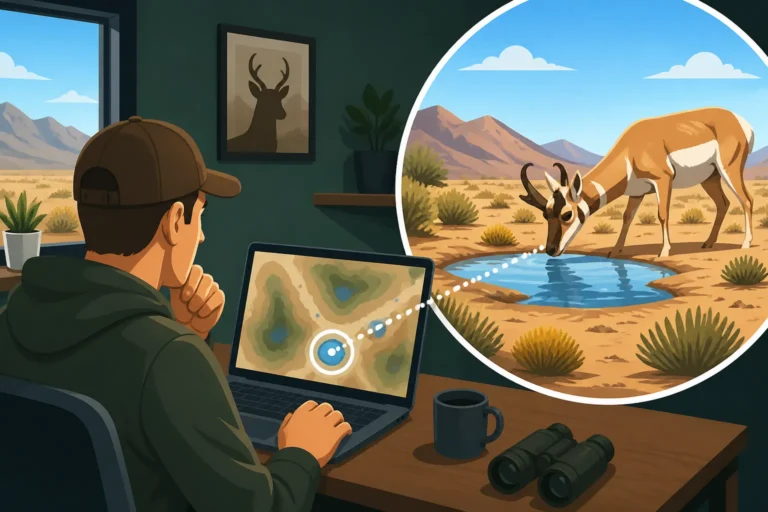
Water sources are also absolute magnets for elk, especially during the warmer September days. Nevada is an arid state, and accessible water is often scarce, making springs, guzzlers, and stock tanks critical locations. Spending time scouting for Hunting Water in Nevada's Driest Country can provide valuable intel on elk movement patterns. These areas can be excellent ambush points, particularly during mid-day when elk might come down to drink and cool off. A careful balance of calling, patient glassing, and smart use of water sources will significantly increase your odds of success on a September muzzleloader elk hunt.
Planning Your September Muzzleloader Elk Hunt
Drawing a Nevada muzzleloader elk tag for September is a huge accomplishment, but the real work begins with planning the hunt itself. Nevada's vast, often remote, and rugged landscape demands thorough preparation, from your physical conditioning to the logistics of camp and game retrieval. Overlooking any detail can quickly turn a dream hunt into a nightmare.
Physical Conditioning and Logistics
Nevada elk hunts are not for the faint of heart. The terrain is frequently steep, rocky, and covered in dense sagebrush or scattered timber. Elevations can range significantly, and you'll often be gaining and losing thousands of feet of vertical elevation over the course of a day. This makes Preparing Physically for Long Glassing Days an absolute necessity. Start a rigorous training regimen months in advance, focusing on cardiovascular endurance, leg strength, and carrying a heavy pack over uneven ground. You'll thank yourself when you're miles from the truck, packing out an elk quarter.
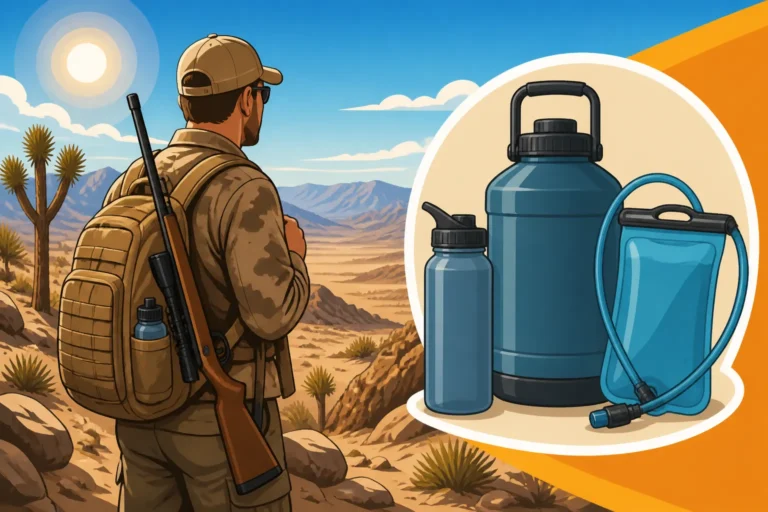
Logistically, you need to consider the vast distances and often remote nature of Nevada's public lands. Cell service is unreliable or nonexistent in many hunt units, making satellite communication devices like an inReach or Spot device vital for safety. Water is another critical concern, especially in September when temperatures can still soar. You cannot rely on finding water sources in many areas. You need to calculate Water You Must Carry on a Desert Day Hunt for yourself and your hunting partners, plus extra for emergencies. A good rule of thumb is at least a gallon per person per day, potentially more if you're exerting heavily in hot conditions.
Vehicle preparation is also non-negotiable. Many of the best elk areas are accessed via rough, unmaintained dirt roads that can be punishing on tires and suspensions. Ensure your vehicle is in top mechanical condition, carry spare tires, a full-size spare, and all the necessary tools and recovery gear. Being stranded miles from the nearest pavement is a serious situation. Taking the time for Vehicle Prep for Remote Nevada Roads can prevent major headaches and ensure you can get to and from your hunting areas safely.
Respecting Regulations and Ethical Hunting
As with any hunt, adhering to Nevada's hunting regulations and practicing ethical hunting is paramount. Once you've successfully harvested an elk, the first thing you must do is properly tag your animal. Understanding How Soon You Must Tag a Downed Animal and fulfilling all the requirements, including evidence of sex, is critical. Mishandling your tag or failing to properly mark the carcass can lead to serious legal issues.
Given the potential for warm September temperatures, immediate and proper game care is crucial to prevent spoilage. You need a plan for Getting Meat Cooled on an Early Season Hunt quickly. This might involve packing out quarters to a cooler filled with ice, or even utilizing game bags designed for air circulation and then hanging the meat in the shade. Having a clean, sharp knife kit, game bags, and a bone saw are essential tools for efficient field dressing and quartering.
Finally, always be mindful of public land etiquette and motorized vehicle rules. Nevada's hunting occurs predominantly on BLM and National Forest lands, and respecting the landscape and other users is a shared responsibility. Be aware of Motorized Travel Rules on Public Land and understand where you can and cannot drive. Never drive off-road to retrieve game if it's not explicitly permitted. Leave no trace, pack out all your trash, and ensure your camp is clean. Ethical hunting also extends to making clean, quick kills and diligently tracking wounded animals. These practices ensure the future of hunting opportunities for everyone.
| Hunt Code Range (Example) | Common Units Included | General Location | Typical September Dates (Approx.) | Notes |
|---|---|---|---|---|
| 2112 | 071-077, 081, 091, 092 | Northeast Nevada | Sept 20 – Sept 29 | Diverse terrain, good elk numbers |
| 2113 | 101-108 | Central Nevada | Sept 20 – Sept 29 | Includes Ruby Mountains, good potential |
| 2114 | 111-115, 121 | East-Central NV | Sept 20 – Sept 29 | Varied habitat, remote areas |
| 2115 | 131-134 | East-Central NV | Sept 20 – Sept 29 | Challenging terrain, strong herds |
| 2116 | 141-145, 151 | East-Central NV | Sept 20 – Sept 29 | Mixture of high desert and mountains |
| 2117 | 161, 162 | Eastern Nevada | Sept 20 – Sept 29 | Unit 162 known for trophy potential |
| 2118 | 171, 173 | Eastern Nevada | Sept 20 – Sept 29 | Rugged country, often isolated |
| 2119 | 181, 191, 201 | Southeast Nevada | Sept 20 – Sept 29 | More arid areas, water is key |
Note: Dates are based on the 2023-2024 Nevada Big Game Seasons and are subject to change annually. Always consult the official NDOW regulations for the most current information.
Disclaimer
The information provided in this guide is for general informational purposes only and is based on publicly available data for current or recent hunting seasons in Nevada. Hunting regulations, season dates, unit boundaries, and draw procedures are subject to change by the Nevada Department of Wildlife (NDOW) without prior notice. It is the sole responsibility of every hunter to review and comply with all current official NDOW regulations before applying for any tag or engaging in any hunting activity. Failure to do so may result in penalties, fines, or loss of hunting privileges. Always prioritize safety and ethical hunting practices.