National Forest Ground in Nevada
For many hunters, the image of Nevada conjures up vast, sun-baked sagebrush flats stretching to distant, hazy mountains, where every stalk is a test of long-range glassing and open-country stealth. And while that iconic landscape certainly defines a huge portion of the Silver State, it often overshadows some of its most productive and truly breathtaking hunting grounds: the high-elevation National Forests. These forested mountains offer a completely different experience, with timbered slopes, hidden basins, and critical wildlife habitat. This guide will help you understand the unique challenges and incredible opportunities that await hunters in Nevada’s National Forest lands.
The Lay of the Land: Nevada's National Forests
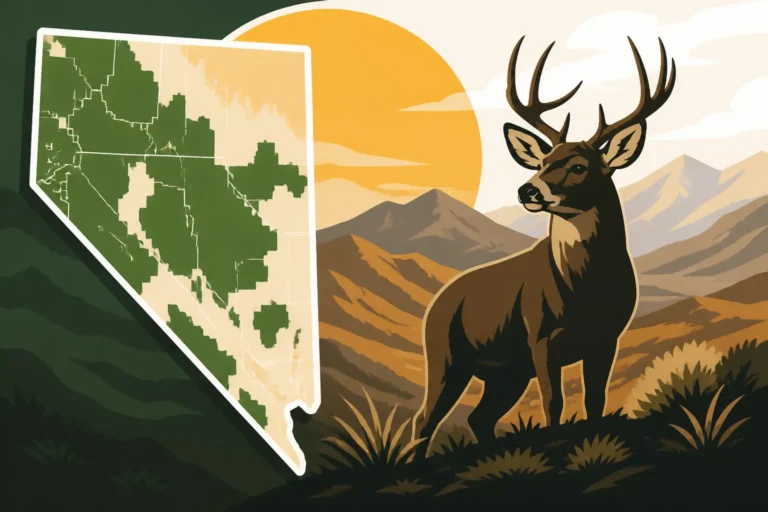
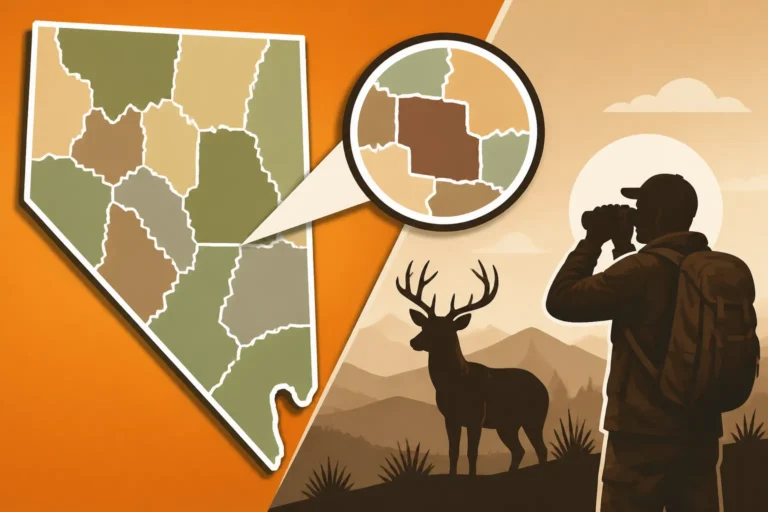
When you look at a map of Nevada, the sheer amount of public land can be overwhelming, but it's not all the same. The National Forests, managed by the U.S. Forest Service, represent significant tracts of higher-elevation, often timbered terrain that contrast sharply with the Bureau of Land Management (BLM) lands that dominate the valleys and lower slopes. These forests are vital for everything from mule deer to elk, providing crucial cover, forage, and water sources that are harder to come by in the arid lowlands.
Humboldt-Toiyabe National Forest: The Giant
The Humboldt-Toiyabe National Forest isn't just a big player in Nevada; it's the largest National Forest in the Lower 48 states, sprawling across a staggering 6.3 million acres. It encompasses a vast array of mountain ranges, from the Santa Rosa Mountains in the north to the Spring Mountains near Las Vegas, and many ranges in between like the Toiyabe, Monitor, Schell Creek, and Ruby Mountains. This immense size means incredible diversity in habitat and hunting opportunities. You'll find everything from pinyon-juniper woodlands to high-elevation aspen groves and thick conifer forests.
Hunting in the Humboldt-Toiyabe can feel like hunting in a completely different state compared to the lower desert. The sheer scale of these mountains can be daunting, but it also means less pressure in many areas, especially if you're willing to put in the legwork. Many of Nevada’s best elk and mule deer units are heavily intertwined with these forested areas, offering challenges like steep terrain, thick timber, and unpredictable mountain weather. Understanding the vastness and the varying ecosystems within Humboldt-Toiyabe National Forest Hunting is key to successfully planning a hunt here.
Other Key National Forest Areas
While the Humboldt-Toiyabe dominates the map, there are other important National Forest parcels in Nevada that contribute to its diverse hunting landscape. Each offers its own unique character and opportunities.
For instance, the Spring Mountains National Recreation Area, a part of the Humboldt-Toiyabe, rises dramatically from the desert floor just outside Las Vegas. It's an ecological island, with mule deer and even a small population of elk, offering hunting close to a major metropolitan area but feeling a world away. Further east, areas like the Schell Creek Range, also part of the Humboldt-Toiyabe, provide significant forested terrain for species like mule deer and bighorn sheep. These areas are characterized by classic Basin and Range topography, with long, linear mountain ranges separated by wide valleys. They are often less visited than some of the more famous elk units further north, but can hold fantastic opportunities for hunters willing to explore.
Then there's the smaller portion of the Dixie National Forest that creeps into the southeastern corner of Nevada, bringing a taste of Utah's forested mountains. Though limited in acreage within Nevada, it adds to the state's ecological diversity and offers opportunities for species more commonly associated with the Intermountain West. Each of these smaller or less contiguous forest areas contributes to a varied hunting experience, and it’s well worth taking the time to pinpoint them on a map and see how they might factor into your hunt plans.
| National Forest Area | Primary Location (Nevada) | Dominant Habitat Types | Key Game Species |
|---|---|---|---|
| Humboldt-Toiyabe National Forest | Northern, Central, Eastern, Southern | Pinyon-Juniper, Aspen, Conifer, Sagebrush High Desert | Mule Deer, Elk, Bighorn |
| Spring Mountains National Rec. Area | Southern (near Las Vegas) | Conifer, Aspen, High Desert | Mule Deer, Elk |
| Dixie National Forest (partial) | Southeastern (bordering Utah) | Conifer, Pinyon-Juniper | Mule Deer |
Understanding Access and Regulations in the National Forests
Hunting in a National Forest comes with its own set of rules and accessibility considerations, especially in a state like Nevada where vastness and remoteness are the norm. You can't just assume every road is open or every area is accessible by vehicle. Careful planning and respect for regulations are paramount to a successful and legal hunt.
Navigating Roads and Trails
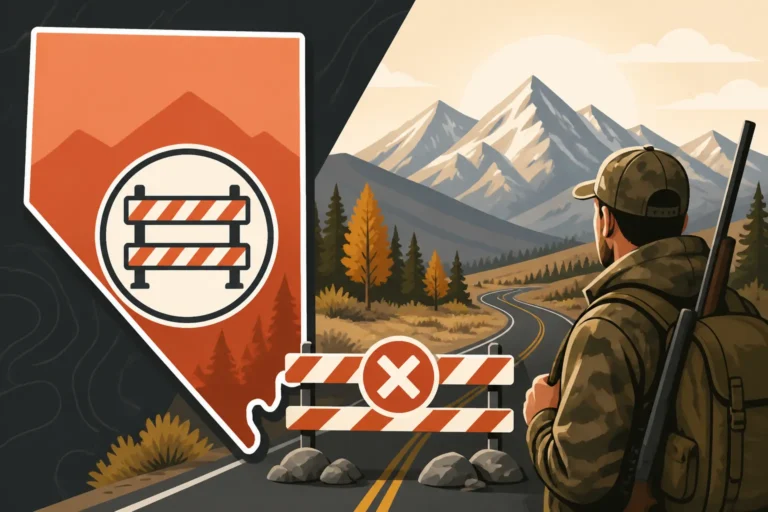
National Forests often have extensive road systems, but don't let that fool you into thinking access is easy. Many roads are unpaved, high-clearance vehicle only, and can become impassable with rain or snow. Seasonal road closures are very common, particularly in higher elevations, to protect wildlife winter range or prevent resource damage during wet periods. It’s absolutely crucial to check with the local Forest Service office or consult reliable mapping resources before heading out. Sometimes, what looks like a through-route on an older map might now be gated or washed out. You'll often find yourself driving miles on rough two-track roads, and you need a vehicle that can handle it, along with spare tires and the knowledge to change them. Motorized Travel Rules on Nevada Public Land can be complex, so always do your homework.
Beyond roads, National Forests contain countless trails, ranging from well-maintained paths to faint game trails. These are your tickets into true backcountry hunting, especially in areas where motorized access is limited. Be prepared for varied terrain, from steep climbs to rocky traverses. A good pair of boots is non-negotiable, and understanding how to read a topo map, coupled with modern GPS devices or apps like onX Hunt, is essential for staying found and knowing where you are in relation to unit boundaries and private land.
Wilderness Areas and Their Impact on Hunting
Within Nevada’s National Forests, you'll find designated Wilderness Areas. These are special places, protected by federal law, where motorized and mechanized travel (including mountain bikes) is strictly prohibited. This means no ATVs, no e-bikes, and no vehicles of any kind. If you want to hunt in a Wilderness Area, it's strictly foot travel or pack stock. This can be a huge advantage for hunters seeking solitude and less pressured animals, but it also means an extra level of logistical planning and physical preparation. For example, accessing areas like the Jarbidge Wilderness Access will require serious commitment.
Hunting in Wilderness Areas requires you to be self-sufficient and capable of packing out an animal entirely on your back or with the aid of horses or mules. Packing an Animal Out of Roadless Country is a monumental task that should not be underestimated. While these areas can offer incredible trophy potential and a truly wild experience, they are not for the faint of heart or the unprepared. Always consult a map that clearly delineates Wilderness boundaries, such as those found on onX Hunt, so you know exactly what restrictions apply to your chosen hunting grounds.
Camping and Campfire Rules
Dispersed camping is generally allowed throughout National Forests, often away from developed campgrounds, giving you the freedom to set up camp close to your hunting area. However, there are rules to follow. Typically, you need to be a certain distance from developed recreation sites, water sources, and main roads. Always practice Leave No Trace principles: pack out everything you pack in, minimize your impact, and never build new fire rings.
Campfire restrictions are also a common reality, especially during dry summer and fall months when hunting seasons are often underway. Fire restrictions can range from prohibiting open fires to banning even propane stoves. Nevada is a very dry state, and preventing wildfires is a top priority. Always check the current fire restrictions for the specific National Forest and ranger district you plan to visit before you light any fire, even a small cooking stove. Ignoring these rules can lead to hefty fines and, worse, devastating wildfires that destroy critical habitat.
Hunting Opportunities in Nevada's National Forests
Nevada's National Forests are magnets for big game, offering some of the state's most sought-after hunting experiences. The diverse terrain, from dense timber to open slopes, and the presence of consistent water make these areas prime habitat for several species.
Mule Deer: The Primary Target
For many, Mule Deer Are the Reason Most Hunters Apply in Nevada, and the National Forests are where a significant portion of these hunts take place. The higher elevations and varied cover provide ideal conditions for mule deer throughout the year, from summer range to migration corridors. In these forested units, successful mule deer hunting often involves a different approach than in the open sagebrush. You'll spend less time staring at endless basins and more time systematically picking apart timbered hillsides, glassing into shady pockets, and looking for deer moving through aspen stands.
You might find deer feeding on succulent forbs in alpine meadows during early seasons, or migrating through dense timber during later rifle hunts. Key strategies include early morning and late evening glassing from vantage points overlooking feeding areas or migration routes, still-hunting through quiet timber, or stalking bedded deer in thick cover. The challenge lies in the sheer amount of terrain and the deer's ability to disappear into pockets of trees or broken ground. Patience and persistence are key here, along with quality optics to penetrate the shadows.
Elk: The High-Country Prize
Nevada's elk herds have made an incredible comeback, and Nevada Elk Herds Grew From Nothing Into a Trophy Draw specifically because of the habitat provided by these National Forest lands. The Ruby Mountains, Schell Creek Range, and other major forest areas are home to impressive elk populations, including some truly giant bulls. Elk hunts in Nevada are highly coveted, and drawing a tag is a major accomplishment. Once you have that tag, you'll likely be heading into some serious mountain country.
Elk hunting in the National Forests often means chasing bugles during the archery and muzzleloader seasons in September. The sound of a bull elk echoing through an aspen grove is an experience every hunter dreams of. During rifle seasons, elk can be found in a variety of habitats, from dense timber to open sagebrush parks within the forest boundary. Tactics range from spot-and-stalk in more open timber to still-hunting dark timber patches or setting up on known travel corridors. Expect steep climbs, long days, and the need for significant physical fitness. Elk are large animals, and getting one out of a remote forested canyon is a monumental effort that often requires multiple trips or pack animals.
Other Species and Upland Opportunities
Beyond deer and elk, Nevada's National Forests also offer opportunities for other big game and upland species. Bighorn sheep, particularly the Rocky Mountain and California subspecies, inhabit some of the rugged, high-elevation peaks within these forest boundaries. These hunts are exceptionally challenging and require extreme physical endurance and specialized gear. Mountain goat tags are also available in a very limited capacity for specific high-alpine ranges within the Humboldt-Toiyabe, offering another once-in-a-lifetime experience.
For upland bird hunters, the National Forests, especially in the northern parts of the state, can hold decent populations of ruffed grouse and blue grouse in the conifer and aspen stands. These hunts often involve covering a lot of ground on foot, listening for flushes, and being ready for fast-flying birds in thick cover. While not as famous as Nevada's chukar hunting, these grouse species offer a different, often more solitary, upland experience in stunning mountain settings.
Essential Gear and Preparedness for Forest Hunts
Hunting Nevada’s National Forests demands specific gear and a heightened sense of preparedness. The environment can be unforgiving, with significant elevation changes, unpredictable weather, and vast distances between services. Don't assume your desert hunting kit will cover all your needs here.
Topographical Maps and Digital Navigation
The importance of good maps and reliable navigation cannot be overstated when hunting in the National Forests. Whether you prefer old-school paper maps and a compass or rely heavily on digital tools, you need to know where you are at all times. Forest Service roads can be poorly marked, and game trails can easily lead you astray.
Digital mapping tools like onX Hunt have revolutionized how we approach these areas. With features that clearly show public/private land boundaries, roads, trails, water sources, and topographic lines, you can plan your routes, identify potential bedding and feeding areas, and mark your location in real-time. Paired with a downloaded map for offline use (because cell service is rarely a thing in these remote areas), onX Hunt can be a lifesaver. Similarly, platforms like GoHunt provide invaluable insights into draw odds and unit breakdowns, which can be particularly useful when trying to understand the potential of a specific National Forest unit before you even apply. Even with these advanced tools, always carry a backup physical map and compass, and know how to use them. Technology can fail, and you don't want to be lost deep in the backcountry.
Physical Demands and Layering
Hunting in Nevada's National Forests is a physically demanding endeavor. You will climb hills, traverse steep slopes, and cover many miles on foot, often at elevations where the air is thinner. This is not the place for an "out of shape" hunter. Pre-season physical conditioning, focusing on cardiovascular endurance and leg strength, will significantly improve your comfort, safety, and success.
The weather in the mountains can change rapidly. A warm sunny morning can quickly turn into a cold, rainy, or even snowy afternoon. Proper Layering for Basin and Range Temperature Swings is absolutely critical. You'll need moisture-wicking base layers, insulating mid-layers like fleece or down, and a waterproof/windproof outer shell. Don't forget a warm hat, gloves, and sturdy, waterproof boots suitable for rugged terrain and potential snow. Choosing Boots for Sharp Volcanic Rock is particularly important, as much of Nevada's terrain, even in the forests, can be incredibly abrasive. Hypothermia is a real danger if you get wet and cold, far from the warmth of your vehicle or camp.
Water, Food, and Emergency Preparedness
Just because you're in a "forest" doesn't mean water is abundant or easily accessible. While there might be more springs and creeks than in the desert, they can be seasonal or unreliable. Always carry more water than you think you need, and have a reliable filtration system or purification tablets. Dehydration at altitude can quickly lead to exhaustion and poor decision-making.
Pack plenty of calorie-dense food to fuel your long days. Energy bars, nuts, dried fruit, and jerky are excellent choices. Beyond the basics, a comprehensive emergency kit is non-negotiable. This should include a first-aid kit, fire-starting supplies, a headlamp with extra batteries, an emergency shelter (like a space blanket or lightweight tarp), a whistle, and a satellite communication device (like a Garmin inReach or Zoleo) for emergencies, as cell service will be nonexistent in many areas. Let someone know your detailed itinerary, including your route and expected return time, before you head into the backcountry.
Strategic Planning for a Successful Forest Hunt
Success in Nevada's National Forests, like any challenging hunt, begins long before you set foot in the field. Thoughtful planning, thorough research, and a clear understanding of your hunting unit are paramount.
E-Scouting and Pre-Season Research
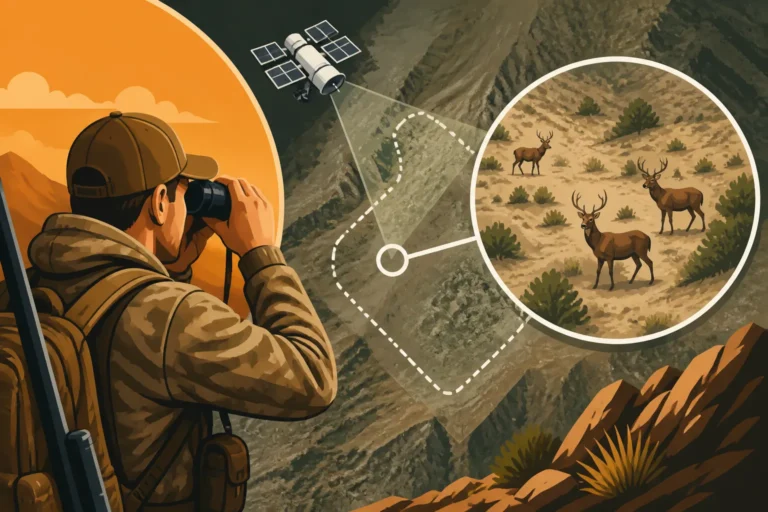
Before you hit the trails, dedicate significant time to e-scouting and pre-season research. This means diving deep into topographical maps, aerial imagery, and hunting unit reports. Using tools like onX Hunt, you can spend hours virtually exploring your unit from the comfort of your home. Look for natural funnels, saddle crossings, benches, and water sources. Identify potential bedding areas on north-facing slopes with dense cover, and feeding areas on south-facing slopes or in open meadows. Consider where animals might move between these areas and how you can position yourself for a strategic advantage. E-Scouting a Nevada Unit Before the Season can save you countless miles and precious time on your actual hunt.
Review historical harvest data and unit specific information from the Nevada Department of Wildlife (NDOW) website. This can give you an idea of success rates, average animal size, and population trends for your unit. Forums and online communities dedicated to Nevada hunting can also provide invaluable anecdotal information, though always take such advice with a grain of salt and cross-reference with official sources. The goal is to build a detailed mental map of your unit and identify several potential areas to focus your efforts.
Understanding Unit Boundaries
Nevada's hunting units, especially those encompassing National Forests, can have incredibly complex boundaries. These boundaries often follow roads, rivers, ridge lines, or survey lines, and sometimes they seem completely arbitrary on the ground. A crucial part of your pre-season homework is to thoroughly understand and mark your unit boundaries. Reading a Nevada Unit Boundary Before You Apply is important, but reading it once you've drawn a tag is critical.
This is where digital mapping tools truly shine. With the unit boundaries overlaid on your map, you can instantly see if you're on the right side of a line. Remember, accidentally crossing into an adjacent unit, especially one that requires a different tag, can lead to serious legal trouble. Pay close attention to any private land inclusions within the National Forest boundary. While most National Forest land is public, there can be private inholdings, and you must respect those property lines. Use layers like those in onX Hunt to ensure you're always on public land and within your legal hunting unit. Understanding how unit boundaries weave through the mountainous terrain will directly influence your approach and where you decide to set up camp or start your stalks.
Scouting in Person vs. Online Scouting
While e-scouting is incredibly powerful, there's no substitute for boots on the ground. If at all possible, try to scout your chosen National Forest unit in person before the season opens. This allows you to verify what you saw on the map, understand the scale of the terrain, check road conditions, and identify fresh sign. You might find that a promising ridge line on a map is actually an impenetrable tangle of downed timber, or that a spring marked as reliable is completely dry.
However, recognizing that not everyone has the luxury of extensive pre-season physical scouting, effective online scouting becomes even more important. Use multiple resources – satellite imagery, topographic maps, recent aerial photos (if available through a service like GoHunt), and even Google Street View for road access points. Pay attention to anything that stands out: different vegetation patterns, areas of recent wildfire (which can create excellent forage but also dense regrowth), and historical water sources. Even if you can't physically walk the ground, a thorough digital reconnaissance can give you a significant advantage, allowing you to prioritize areas for initial focus once you arrive for your hunt. Don't forget to practice using a Tripod Setup for Glassing From a Ridge in these areas, as long-range glassing is still a major component of success, even in timbered country. Similarly, learning to use Reading a Land Ownership Layer Correctly is vital to avoid any trespassing issues.
Disclaimer
This article is for general informational purposes only and does not constitute professional advice. Laws, prices and regulations vary by location and change over time. Consult a qualified professional for guidance on your specific situation.