Nevada Master Guides May Work the Whole State
For many hunters, the vast, rugged, and often unforgiving landscape of Nevada presents both an irresistible challenge and a significant hurdle. Whether you're chasing high-desert mule deer or mountain bighorns, navigating the sheer scale and remoteness of this state can feel utterly overwhelming. This guide is here to shed light on a unique and incredibly valuable resource for serious hunters: the Nevada Master Guide, detailing precisely what this designation means and why a Master Guide might be the key to unlocking your dream hunt across the Silver State.
Understanding the Nevada Master Guide Designation
Hunting in Nevada isn't just about drawing a tag; it's about being prepared for a state that's geographically larger than many countries, with ecosystems ranging from high alpine forests to arid desert plains. This immense diversity demands a level of expertise that goes beyond the average guide. That's where the Master Guide designation comes into play, signifying a profound commitment to the state's wildlife and a deep understanding of its hunting complexities.
What Sets a Master Guide Apart
Think of a Master Guide as the apex of the guiding profession in Nevada. While a standard licensed guide might be excellent in their specific area of operation or for certain species, a Master Guide has jumped through significantly more hoops and demonstrated a far broader scope of knowledge and experience. This isn't just about seniority; it's a testament to their comprehensive understanding of Nevada's diverse hunting opportunities, regulations, and logistical challenges. They've invested years, often decades, into mastering the intricacies of multiple units, various species, and different hunting methods, accumulating a wealth of practical wisdom that can only come from countless hours in the field.
The requirements to become a Master Guide are designed to ensure an unparalleled level of competence. This isn't just a paper certificate; it reflects a proven track record of successful hunts, ethical practices, and an intimate knowledge of the state's geography, wildlife biology, and seasonal patterns. They're often mentors to other guides, recognized for their leadership and commitment to preserving Nevada's hunting heritage. For a hunter looking to embark on a truly ambitious or once-in-a-lifetime hunt, the distinction between a regular guide and a Master Guide can be the difference between a good experience and an exceptional one.
Scope of Operation: Statewide Reach
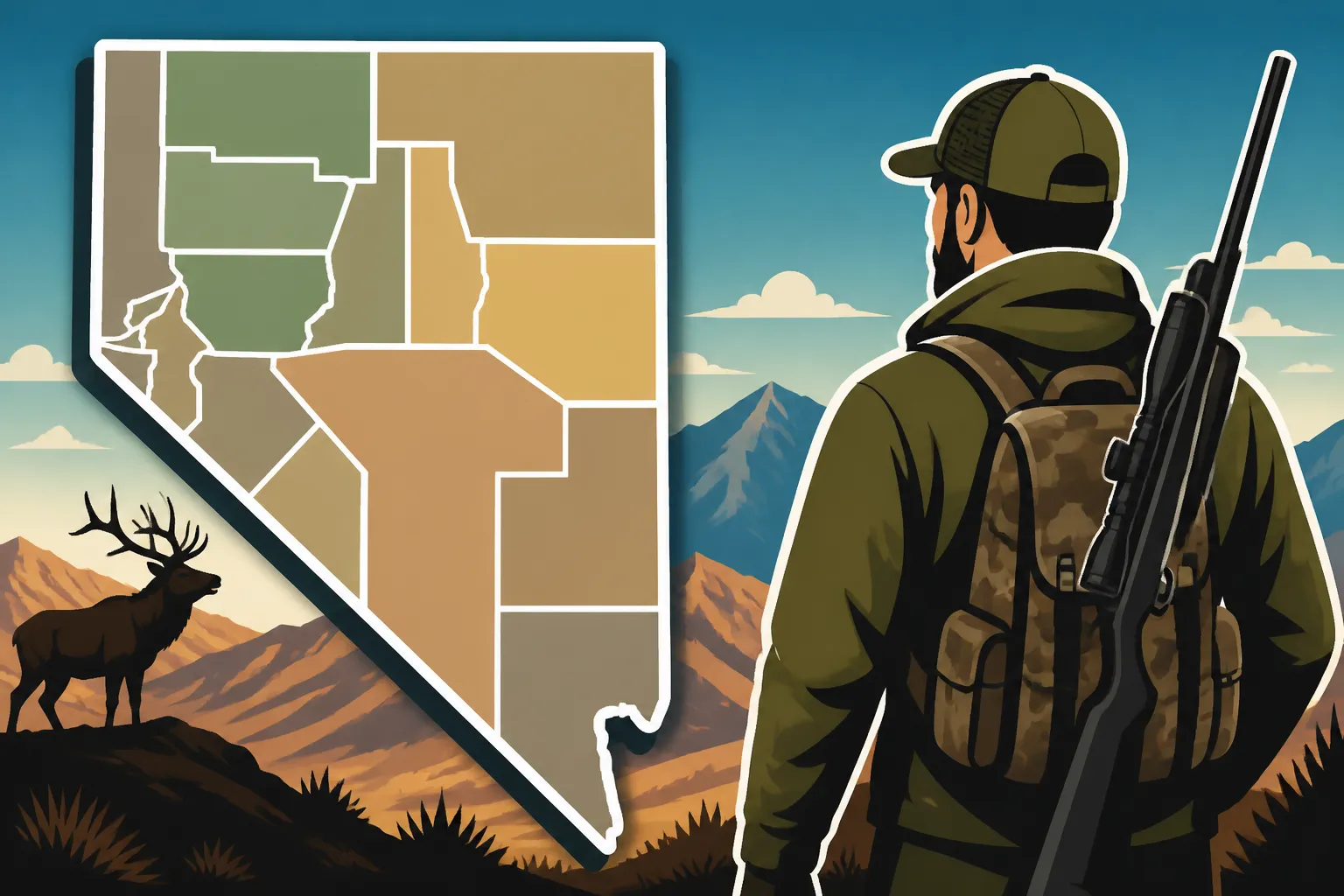
One of the most defining characteristics, and certainly the most empowering for hunters, is the explicit statewide reach afforded to a Nevada Master Guide. Unlike many standard guide licenses that might restrict operation to specific counties, unit groups, or even just a handful of designated areas, a Master Guide is licensed to operate across any legally huntable public or private land throughout the entire state of Nevada. This is not a small detail; it's a monumental difference in a state as expansive and geographically varied as this one.
Imagine drawing a coveted bighorn sheep tag in the remote southern deserts one year, and then an elk tag in the high northern mountains the next. For a standard guide, this could mean needing entirely different sets of permits or even lacking the licensing to operate in both regions. A Master Guide, however, is authorized and equipped to handle both. This statewide permit means they possess the necessary federal land permits—from the Bureau of Land Management (BLM) and the Forest Service—for vast swaths of Nevada, allowing them the flexibility to follow game across diverse habitats. This comprehensive authorization means that no matter where your golden ticket takes you in Nevada, a Master Guide can legally and effectively guide your hunt, bringing a consistent level of expertise regardless of the unit. This capability is absolutely critical for non-resident hunters who often draw tags in unfamiliar units, far from where any specific guide might typically operate.
The Rigorous Path to Becoming a Nevada Master Guide
Becoming a Nevada Master Guide is far from an overnight achievement; it's a testament to years of dedicated service, rigorous training, and an unwavering commitment to the guiding profession and the state's wildlife resources. The process is designed to filter for the best of the best, ensuring that anyone holding this title is truly an expert.
Experience and Knowledge Requirements
The foundation of a Master Guide's qualification is built on extensive, verifiable experience. This isn't just about having hunted for a long time; it's about having consistently guided clients on successful, ethical hunts for a variety of big game species across different terrains and seasons within Nevada. They typically need a significant number of years as a licensed guide, accumulating a diverse portfolio of guided hunts. This means showing proficiency not just in one type of hunting—say, mule deer rifle hunting—but also often in archery and muzzleloader seasons, and for species like elk, antelope, and even bighorn sheep or mountain goat, which present unique challenges.
Their knowledge base extends beyond mere hunting tactics. A Master Guide must possess an in-depth understanding of wildlife biology, animal behavior, and ecology specific to Nevada. They need to know migration patterns, rutting cycles, and how environmental factors like drought or harsh winters impact game populations and movements. Crucially, they must be intimately familiar with Nevada's complex hunting regulations, unit boundaries, and specific rules that vary by season and species. This comprehensive knowledge ensures they can adapt to unexpected situations in the field, read subtle signs, and make informed decisions that enhance the client's chances of success while maintaining ethical hunting practices. Their ability to Reading a Nevada Hunt Unit Before You Apply is paramount, as is understanding the nuances of how specific units behave throughout the season.
Licensing, Permits, and Legal Obligations
Beyond the sheer experience, the formal process for becoming a Nevada Master Guide involves a stringent gauntlet of licensing and permitting. The Nevada Department of Wildlife (NDOW) oversees the state licensing process, which includes criminal background checks, proficiency exams, and often an interview to assess their broad knowledge. This state license is just the first hurdle. Given that the vast majority of Nevada is public land—managed by agencies like the Bureau of Land Management (BLM) and the U.S. Forest Service—a Master Guide must also secure special use permits from these federal entities. These federal permits are crucial because without them, even a state-licensed guide cannot legally operate on federal lands, which comprise over 80% of the state.
These federal permits often require separate applications, demonstrating financial stability (e.g., adequate insurance and bonding), and a track record of responsible operations. The process can be lengthy and complex, with different BLM field offices or Forest Service ranger districts having their own specific requirements. A Master Guide's statewide reach implies they likely hold permits across multiple districts, covering vast and disparate regions of the state. They also carry significant liability insurance to protect both themselves and their clients, and maintain bonding as required by state law. These layers of legal and administrative compliance underscore the seriousness of the Master Guide designation and provide a measure of confidence and security for their clients, knowing they are operating fully within the bounds of the law and with appropriate safeguards in place.
Why a Master Guide is Crucial for Diverse Nevada Hunts
Nevada isn't a single hunting landscape; it's a collection of distinct ecosystems, each with its own challenges, quirks, and hidden opportunities. For a hunter with a hard-won tag, trying to decipher these complexities alone can be a recipe for frustration. This is where the unique capabilities of a Master Guide truly shine, offering an unparalleled advantage across the state's incredible diversity.
Navigating Nevada's Varied Terrain and Species
Imagine going from the rugged, Ponderosa-dotted peaks of the eastern Ruby Mountains, where elk thrive, to the wide-open, sagebrush-covered basins of central Nevada, home to trophy mule deer, and then descending into the volcanic, chukar-filled slopes of the west. Each of these environments demands a completely different approach to hunting. The tactics for Bugling Bulls in Nevada's Northern Mountains are vastly different from Spot and Stalk Antelope on Nevada's Open Flats. This extreme geographical and ecological diversity is precisely where a Master Guide's statewide authorization becomes invaluable.
A Master Guide has likely spent years, if not decades, developing intimate knowledge of these varied terrains and the species that inhabit them. They understand the nuances of glassing a massive basin for mule deer versus stalking elk in thin timber. They know the critical Water Sources That Concentrate Desert Game in the south and the subtle thermal shifts that affect an approach in the high country. This breadth of experience means they're not just a "deer guy" or an "elk guy"; they're a "Nevada hunting guy" (or gal), capable of adapting their strategies and resources to whatever challenging tag you've managed to draw. This versatility means they can confidently guide hunts for desert bighorn in the scorching August heat, then pivot to late-season rifle elk in freezing December conditions, all within their authorized scope.
Expertise Across All Hunting Seasons and Methods
Nevada's hunting calendar is a mosaic of different seasons: early archery, mid-fall muzzleloader, and various rifle seasons stretching from late summer into winter. Each of these methods and timings presents its own set of challenges and demands specific skills. An early August archery deer hunt, for instance, requires incredible heat management, knowledge of Heat Management on an August Archery Hunt, and precise water source intelligence, vastly different from a late-season rifle hunt where tracking in snow or finding post-rut migrations are key.
A Master Guide's extensive experience typically covers all these bases. They understand how game behavior changes throughout the year—from early season bachelor groups to the intense rutting activity and post-rut dispersal. They are proficient in the distinct strategies required for different weapons, whether it's closing the distance for an archery shot, managing the single-shot pressure of a muzzleloader, or making precision shots with a modern rifle in Rifle Zero Distance for Long Sage Shots. This adaptability means that no matter when your tag falls or what weapon you choose, your Master Guide can provide knowledgeable, appropriate guidance. They are often equipped with a deep network of local insights that helps them predict game movements and pressure points, further enhancing your chances of success, irrespective of the specific season or method.
The Benefits of Hiring a Nevada Master Guide
The allure of a DIY hunt is strong, especially on Nevada's vast public lands. However, the sheer scale, remoteness, and often brutal conditions of the state can quickly overwhelm even experienced hunters. This is where the strategic advantage of a Master Guide truly comes into its own, offering benefits that extend far beyond simply finding game.
Unparalleled Local Knowledge and Scouting
A Master Guide isn't just someone who hunts in Nevada; they often live and breathe the landscape, year-round. They spend countless hours not just during hunting season, but throughout the off-season, scouting, observing, and learning the subtle rhythms of specific units. They know the hidden springs and historical migration corridors, the subtle benches where bucks often bed, and the escape routes elk use when pressured. This deep-seated, hyper-local knowledge cannot be replicated by even the most diligent e-scouting from home. While tools like GoHunt provide valuable data for Checking Nevada Draw Odds Before You Apply and unit research, a Master Guide's boots-on-the-ground intelligence is irreplaceable.
They understand how weather patterns, like a particularly wet spring or a harsh winter, will affect forage and game distribution. They know which specific ridges offer the best vantage points for Glassing Grids Across a Nevada Basin and which canyons hold pockets of animals away from pressure. For a hunter arriving from out of state with limited time, this pre-scouted, real-time intelligence is perhaps the greatest asset a Master Guide provides. It means you're not spending precious days searching for animals, but rather hunting them, maximizing your limited time in the field.
Logistical Support and Safety in Remote Areas
Nevada's beauty is matched only by its unforgiving nature. Cell service is often non-existent, roads can turn from passable dirt tracks to impassable quagmires in minutes, and human help can be hours, if not days, away. Attempting to navigate these challenges alone, especially with a downed animal to pack out, can quickly turn a dream hunt into a nightmare. This is where a Master Guide's logistical prowess becomes absolutely invaluable.
They arrive with fully equipped vehicles, often with redundant systems, recovery gear, and ample supplies of water, fuel, and emergency provisions. They know the condition of remote roads, where to cache supplies, and how to manage the complex logistics of setting up and breaking down camp in far-flung locations. More importantly, they are trained in wilderness first aid and emergency response, possessing the communication devices (like satellite messengers) necessary to call for help if things go south. From providing guidance on Packing an Animal Out of Roadless Country to ensuring you have Water You Must Carry on a Desert Day Hunt, their focus on client safety and preparedness allows you to concentrate purely on the hunt, knowing the critical support infrastructure is firmly in place. This peace of mind is truly priceless.
Maximizing Your Limited Opportunity Tag
For many hunters, a Nevada big game tag, particularly for species like elk or bighorn sheep, represents years of applying, accumulating bonus points, and a significant investment of time and money in the draw. When that coveted tag finally lands in your hands, the pressure to make the most of it is immense. This is where a Master Guide's expertise shifts from valuable to near-essential. They specialize in helping clients capitalize on these limited-opportunity tags.
A Master Guide's deep understanding of specific units, combined with their extensive scouting, allows them to focus on high-probability areas for mature animals. They can help you make critical decisions in the field, like Deciding on a Buck Before He Moves or judging a bull quickly under pressure. Their goal isn't just to help you harvest an animal, but to help you harvest the right animal that aligns with your trophy aspirations. For tags that might represent a once-in-a-lifetime opportunity, having an experienced Master Guide by your side can significantly increase your odds of success, transforming years of anticipation into a deeply satisfying outcome. They serve as a critical resource to ensure you make the most of that precious tag.
Finding and Vetting a Nevada Master Guide
So, you're convinced a Master Guide is the way to go. But in a state as large as Nevada, how do you even begin to find the right one? And once you've found a few, how do you ensure they're legitimate, reputable, and a good fit for your specific hunt? This process requires diligence, research, and clear communication.
Where to Start Your Search
Starting your search for a Nevada Master Guide can feel like looking for a needle in a haystack. The Nevada Department of Wildlife (NDOW) website is usually the official source for lists of licensed guides and outfitters. While they won't endorse specific individuals, they provide contact information for those legally authorized to operate in the state. Beyond official lists, online platforms dedicated to booking hunts are excellent resources. Websites like BookYourHunt often list vetted outfitters and guides, including Master Guides, with detailed profiles, available dates, and client reviews. This can be a fantastic way to quickly compare options and see what other hunters are saying.
Word-of-mouth recommendations are also incredibly valuable. Talk to fellow hunters, especially those who have successfully drawn and hunted in Nevada. Online forums and social media groups dedicated to Western hunting can also provide leads, but always cross-reference any names you get. Remember that a Master Guide is a premium service, and those who have earned the designation are usually well-known within the hunting community. Don't be afraid to cast a wide net initially, collecting several potential guides before narrowing down your choices based on your specific hunt, dates, and preferences.
Key Questions to Ask Prospective Guides
Once you have a shortlist of potential Master Guides, the vetting process truly begins. This is not a time to be shy; you are entrusting them with a significant investment of time and money, and often a very special tag. Here are some essential questions to ask:
- Specific Unit/Species Experience: "Have you guided successfully in Unit [Your Unit Number] for [Your Species] during [Your Season Type]?" Look for specific, verifiable experience relevant to your hunt.
- Proof of Licensing and Permits: "Can you provide proof of your current Nevada Master Guide license and all necessary federal land permits (BLM/Forest Service) for my unit?" This is non-negotiable.
- References: "Can you provide a list of recent clients (within the last 1-3 years) that I can contact?" A reputable guide will have satisfied clients willing to share their experiences. Make sure to call these references!
- What's Included/Excluded: Get a clear breakdown of what the price covers (food, lodging, transportation in the field, trophy care) and what it doesn't (tag fees, travel to Nevada, meat processing, taxidermy, tips). This helps avoid surprises later, as discussed in What Outfitter Prices Leave Out.
- Success Rates: "What are your typical success rates for my specific hunt, and how do you define 'success'?" Be realistic; 100% is rarely achievable, but consistent high percentages are a good sign.
- Emergency Protocols: "What are your emergency plans and communication methods in case of injury or other unforeseen circumstances in remote country?" Safety is paramount.
- Physical Demands: "What are the typical physical demands of this hunt? What kind of conditioning do you recommend?" This helps manage expectations and prepare physically.
This extensive questioning is part of Vetting a Nevada Outfitter Before You Send a Deposit and is crucial for ensuring a good fit and a successful experience.
Understanding Contracts and Expectations
Before you commit to anything, a clear, written contract is absolutely essential. This document should detail every aspect of your hunt, from dates and species to pricing, payment schedules, cancellation policies, and what happens if you fail to draw a tag (especially relevant when booking before Nevada Draw Results Land). Read every line carefully. Pay close attention to clauses regarding deposits and refunds; some outfits require a non-refundable deposit even if you don't draw your tag, while others offer options like rolling it over to a point-only purchase or applying it to a future hunt.
Beyond the legalities, clearly communicate your expectations with your Master Guide. Are you looking for a trophy of a lifetime, or is a successful harvest of any legal animal sufficient? Do you have specific physical limitations? What level of comfort do you expect in camp? Open and honest dialogue ensures that both parties are on the same page, minimizing misunderstandings and fostering a positive client-guide relationship. Remember, the guide's job is to put you in a position to be successful, but ultimately, executing the shot and making ethical decisions are still your responsibility.
The Financial Investment: What to Expect
Let's be blunt: hiring a Nevada Master Guide is a significant financial commitment. It's not a budget option, but rather an investment in expertise, logistics, and increasing your odds of success on a challenging hunt. Understanding the financial landscape is critical for proper planning.
Breaking Down the Costs of a Guided Hunt
The cost of a guided hunt with a Nevada Master Guide can vary dramatically based on several factors: the species you're pursuing (elk and bighorn sheep typically command much higher prices than deer or antelope), the duration of the hunt (a 5-day hunt versus a 10-day expedition), the level of service (basic drop camp versus fully catered, one-on-one guiding), and the reputation of the guide. While I can't provide specific dollar figures, it's important to understand that these hunts represent a premium service. You're paying for years of accumulated knowledge, extensive scouting, permits, equipment, logistics, and the invaluable peace of mind that comes with a seasoned professional leading the way.
Often, you'll see prices quoted as a package deal for a certain number of days, usually per hunter. This fee typically covers the guide's services, field transportation, often meals, and sometimes rudimentary lodging (like wall tents or comfortable spike camps). For highly sought-after species or premier units, demand can drive prices higher, reflecting the immense effort and expertise required to consistently find and pursue trophy animals in challenging environments. It's crucial to get a detailed breakdown of these costs upfront and understand exactly what is included in the base price.
Beyond the Base Price: Hidden Expenses
It would be a mistake to budget solely for the guided hunt fee. There are several other significant expenses that can quickly add up and catch unprepared hunters off guard. These "hidden" costs are often not included in the outfitter's base price and must be factored into your total budget.
Here’s a breakdown of common additional expenses:
| Expense Category | Description |
|---|---|
| Licenses & Tags | Your Nevada hunting license and the specific big game tag you draw are separate costs. These can be substantial, especially for non-residents, as covered in A Nonresident Nevada Elk Tag Runs $1,200. |
| Travel Expenses | Flights to Nevada (e.g., to Reno or Las Vegas), rental car or personal vehicle fuel for driving to the trailhead/rendezvous point, and any pre/post-hunt hotel stays. Nevada is massive, and driving distances can be extensive. |
| Meat Processing | Once you harvest an animal, you'll need to pay for professional butchering and packaging, which can vary depending on the animal's size. |
| Taxidermy & Shipping | If you plan to mount your trophy, taxidermy costs are significant. Shipping antlers, capes, and frozen meat home can also add up, especially for larger animals like elk or bighorn. |
| Guide & Camp Tips | Tipping your guide and any camp staff is customary and expected. This is a crucial part of their income and reflects your appreciation for their hard work. Plan for a percentage of the hunt cost or a daily rate. |
| Gear & Supplies | Ensuring you have appropriate gear (optics, hunting apparel for diverse weather, boots for rocky terrain, sleeping bag, personal items) is your responsibility. While the guide provides much, personal items are on you. |
| Concurrently Booked Hunts | If you're combining hunts (e.g., Combination Deer and Antelope Hunts), each species will incur additional fees and permit costs. |
Ignoring these additional expenses can lead to budget overruns and unexpected stress. Always ask your prospective guide for a comprehensive list of anticipated costs beyond their base fee, a point reinforced by What Outfitter Prices Leave Out. Using platforms like GoHunt for research can help you anticipate some of these costs by looking at historical tag fees and regulations, allowing for more accurate budgeting.
Master Guide vs. DIY: Making the Right Choice
The decision to hire a Master Guide or embark on a self-guided (DIY) hunt is deeply personal, influenced by experience, budget, time, and aspirations. There's no single "right" answer, but understanding the scenarios where each approach excels can help you make an informed choice for your next Nevada adventure.
When a Master Guide Makes Sense
Hiring a Nevada Master Guide is often the optimal choice in several key scenarios, particularly when the stakes are high or the challenges are numerous. If you've drawn a truly rare, once-in-a-lifetime tag—think bighorn sheep, mountain goat, or a premium elk unit—a Master Guide's expertise can be invaluable in maximizing your chances of success. For non-resident hunters, or anyone new to the vast, complex, and often remote terrain of Nevada, a guide provides essential local knowledge that would take years to acquire independently. Their ability to decipher Reading a Nevada Hunt Unit Before You Apply and understand how local factors influence game movement is critical.
Furthermore, if your available time for scouting is limited to just the hunt dates, a Master Guide's year-round reconnaissance and intimate familiarity with the area are a huge advantage. They allow you to hit the ground running, rather than spending precious hunting days just trying to locate animals or figure out access points. For those with physical limitations, or anyone who simply wants to focus solely on the hunt itself without the added stress of logistics, camp management, and emergency preparedness, a guide offers a level of support and safety that is difficult to replicate on a solo or DIY endeavor. In essence, a Master Guide is a strategic partner who significantly increases your odds and enhances your overall experience, especially when compared to Hunting Solo Against Hiring a Guide.
When a DIY Hunt is Feasible
While a Master Guide offers tremendous advantages, a DIY hunt in Nevada is absolutely feasible and incredibly rewarding for many. This approach is best suited for hunters who possess significant experience navigating challenging Western landscapes, are proficient in navigation, field care, and emergency preparedness, and have ample time to dedicate to extensive pre-season scouting. If you've hunted similar high-desert or mountainous terrain before, understand the nuances of glassing and stalking in open country, and are comfortable with the physical demands of Nevada's rugged units, a DIY hunt could be a fantastic adventure.
It's also a more budget-friendly option, as you avoid the significant costs associated with a guided trip. If you're targeting more common species or units with higher tag quotas where the pressure isn't quite as intense, a DIY approach becomes even more viable. The satisfaction of successfully planning, executing, and harvesting an animal entirely on your own terms in such a wild state is immense. Resources like GoHunt, with its vast database of draw odds and unit information, can be instrumental in the meticulous planning required for Planning a DIY Public Land Hunt in Nevada. However, it requires a realistic self-assessment of your skills, preparedness, and available time. Don't underestimate the scale and remoteness of Nevada; a well-planned DIY hunt is rarely an impromptu one.
Disclaimer
This article is for general informational purposes only and does not constitute professional advice. Laws, prices and regulations vary by location and change over time. Consult a qualified professional for guidance on your specific situation.