The Average Cost of a Guided Nevada Elk Hunt
If you've ever dreamt of chasing a trophy bull across Nevada's rugged, expansive landscape, you've probably also found yourself wondering, with a knot in your stomach, "How much is this actually going to cost?" It's a question that can feel daunting, especially when contemplating a guided elk hunt in a state renowned for its difficult draws and incredible animals. This guide is here to shed some light on the financial realities of booking a guided Nevada elk hunt, breaking down the factors that drive costs and helping you understand what to expect from this significant investment.
Understanding the Sticker Shock: Why Nevada Elk Hunts Aren't Cheap
Let's be upfront: a guided elk hunt in Nevada is rarely an inexpensive endeavor. Unlike some states where over-the-counter opportunities exist, Nevada elk tags are a golden ticket, and the logistics of pursuing these magnificent animals in such vast, often roadless, country drive up prices considerably. It's not just about finding an outfitter; it's about gaining access to years of experience, specialized equipment, and a deep understanding of one of the West's most challenging hunting environments.
The Elusive Nevada Elk Tag
The first, and perhaps most significant, hurdle is acquiring a Nevada elk tag itself. Nevada operates on a bonus point system, and drawing a coveted elk tag, especially for a bull, is an incredible long shot for residents and nonresidents alike. Years, even decades, can pass accumulating points without success. This rarity means that when you finally do draw, the opportunity is incredibly precious. The cost of the tag, which you'll pay upon drawing, is substantial and entirely separate from any outfitter fees. For many, this tag represents a once-in-a-lifetime chance, making the decision to hire a guide a way to maximize the slim odds of success. Understanding Nevada Squares Your Bonus Points Into Draw Chances can help you strategize your application, but the wait is real. You can check resources like GoHunt for detailed draw odds and unit information, which helps set expectations long before you even consider an outfitter.
Premium Logistics in Remote Country
Nevada's landscape is characterized by its vast "basin and range" topography: huge, open valleys flanked by steep, often rough mountain ranges. Elk herds often inhabit remote, high-elevation areas that are difficult to access, especially during the later seasons when snow can make travel even more challenging. This isn't a place for casual day hikes from the truck. Outfitting a hunt in this environment demands a lot:
- Specialized Vehicles: Think heavy-duty 4x4s, side-by-sides, or even pack strings with horses or mules to reach distant trailheads and transport gear and game.
- High-End Optics: Guides rely on top-tier binoculars and spotting scopes to locate animals across miles of country, a critical skill for Glassing Nevada's Basin and Range for Mule Deer and elk alike.
- Extensive Scouting: Successful outfitters spend countless hours year-round scouting units, locating elk, and identifying migration patterns and water sources. This isn't work they do once; it's an ongoing investment of time and resources.
- Infrastructure: Setting up comfortable, functional camps in remote areas, whether it's a wall tent camp or a more temporary spike camp, requires significant logistical effort, from hauling water and food to ensuring reliable communication.
All of these elements contribute to the significant operational costs for an outfitter, which are then reflected in the price of your guided hunt.
Deconstructing the "Average" Cost: What Influences the Price Tag
There's no single "average" cost for a guided Nevada elk hunt, as prices fluctuate widely based on numerous factors. However, it's safe to say you should prepare for a significant five-figure investment for most quality, fully guided experiences. This might sound intimidating, but breaking down what goes into that number can help clarify expectations.
Hunt Type and Duration
The type of hunt you book and its duration are primary drivers of cost. Generally, the more services and days involved, the higher the price.
-
Fully Guided Hunts: This is the most comprehensive option and, consequently, the most expensive. A fully guided hunt typically means one-on-one or two-on-one guide service (one guide for one or two hunters), all meals, lodging (which could range from comfortable wall tents to cabins), transportation during the hunt, field dressing, and pack-out services. These hunts often run from 5 to 7 days, though some can be longer. Expect these to start in the lower five figures and easily climb into the mid-to-high five-figure range, especially for prime units or specific seasons like Nevada Elk Rifle Hunts Stretch From October Into December.
-
Semi-Guided Hunts: These are a step down in service but also in price. A semi-guided hunt might involve an outfitter providing camp, food, and general advice on areas to hunt, but you and your hunting partners are largely responsible for your own daily hunting, stalking, and animal retrieval. It's often a blend of guided support and DIY independence.
-
Drop Camps: For the more self-reliant hunter, a drop camp is generally the most economical guided option. An outfitter will pack you and your gear (and sometimes food) into a remote location, set up a basic camp, and then leave you to hunt independently. They will return on a pre-determined date to pack you and any harvested game out. This requires hunters to have significant backcountry experience and be comfortable making all hunting decisions on their own. While cheaper than fully guided hunts, they still represent a considerable investment for the logistical support and horse/mule power. You can learn more about Drop Camps in Nevada's Remote Ranges if this sounds like your style. When browsing platforms like BookYourHunt, you'll see various options clearly outlined, allowing you to compare what each package includes.
Here’s a general comparison of common guided hunt types:
| Hunt Type | Guide Ratio | Meals & Lodging | Daily Hunting | Game Retrieval | Price Expectation (Relative) | Ideal for |
|---|---|---|---|---|---|---|
| Fully Guided | 1:1 or 1:2 | Included | Guided | Included | Highest | First-time hunters, maximizing rare tags |
| Semi-Guided | Limited | Often Included | Self-directed | Limited Help | Mid-Range | Experienced hunters needing logistical support |
| Drop Camp | None | Basic Camp | Self-directed | Pack-in/out | Lower | Self-sufficient backcountry hunters |
Outfitter Reputation and Success Rates
Just like in any industry, reputation matters. Outfitters with a long track record of success, especially in producing trophy animals from difficult units, can command higher prices. This isn't just about killing an animal; it's about the quality of the experience, the expertise of the guides, and the commitment to client satisfaction.
- Trophy Potential: If an outfitter consistently hunts units known for bigger bulls, or if they have a reputation for putting hunters on exceptional animals, their prices will reflect that. This is particularly true for hunts targeting specific caliber bulls, which may involve more intensive scouting and strategic hunting.
- Experience and Expertise: Long-standing outfitters with seasoned guides who have decades of experience in specific units bring an invaluable depth of knowledge. They understand elk behavior, migration patterns, and terrain nuances, such as where to find Bugling Bulls in Nevada's Northern Mountains or how to play the wind on a stalk. This expertise is a premium service.
- Client Reviews and References: A strong portfolio of positive client reviews and readily available references often correlates with higher prices, as it indicates a reliable and high-quality operation. Before booking, take the time for Vetting a Nevada Outfitter Before You Send a Deposit and always ask for references. Websites like BookYourHunt can be a good starting point to find reputable outfitters and read reviews from past clients, giving you a sense of their service quality and success.
The "Extras" That Add Up
It's crucial to understand that the quoted price for a guided hunt rarely covers every single expense. There are significant "hidden" costs or additional expenditures you need to budget for. Many hunters overlook these, leading to unexpected financial strain. These are the items that often make up What Outfitter Prices Leave Out:
- Nevada Combination License and Elk Tag: As mentioned, you'll need to purchase a Nevada hunting license (often a combination license) and pay for your elk tag once you draw. These fees are significant for nonresidents and are never included in an outfitter's price.
- Application Fees: Don't forget the annual application fees you'll pay for each species you apply for, year after year, as you build points in the draw.
- Travel Costs: Getting to Nevada, whether flying into Reno (RNO) or Las Vegas (LAS) and then driving to a rendezvous point, or simply driving from out of state, adds up. Factor in fuel, potential vehicle wear and tear, and lodging before or after your hunt.
- Meat Processing and Shipping: Once you harvest an elk, you'll need to pay for professional meat processing, which can be substantial for such a large animal. If you're a nonresident, you'll also incur costs for packaging and shipping the meat home, often via specialized cooler services. This is especially critical on early season hunts where Getting Meat Cooled on an Early Season Hunt is paramount.
- Taxidermy: If you plan to have your trophy mounted, this is another significant expense. Outfitters can often recommend local taxidermists, but the cost, and the shipping of the cape and antlers, will be yours.
- Tips for Guides and Camp Staff: Tipping is customary and expected in the guiding industry. A general guideline is 10-20% of the hunt's base cost for your guide, plus smaller amounts for any camp cooks or other support staff. This is a substantial additional amount you must factor into your total budget.
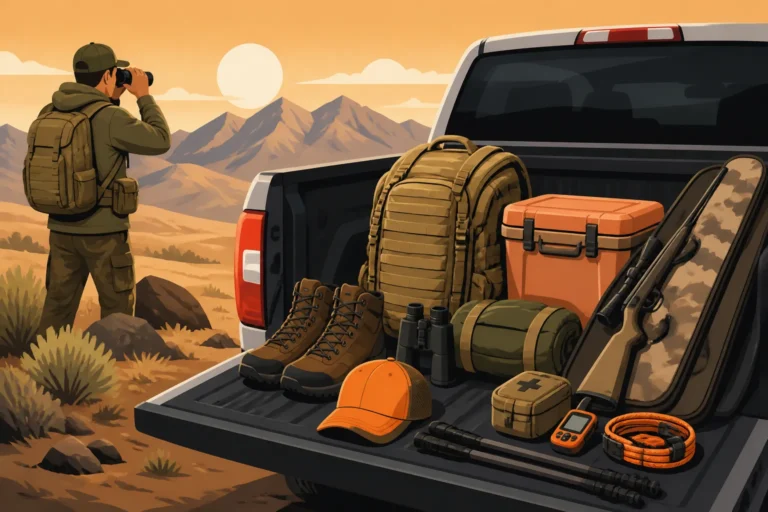
- Gear and Equipment: While you likely have most of your essential hunting gear, a Nevada elk hunt might require specialized items you don't already own, such as specific layering systems for drastic temperature swings, robust backcountry boots, or high-quality optics.
This table illustrates typical additional costs not included in the base outfitter price:
| Category | Common Omissions | Estimated Impact (Relative) |
|---|---|---|
| Licensing/Tags | Combination license, elk tag, application fees | High |
| Travel | Flights, fuel, pre/post-hunt lodging | Mid-High |
| Post-Harvest | Meat processing, shipping, taxidermy, cooler rental | High |
| Gratuities | Guide tips, camp staff tips | High (10-20% of hunt cost) |
| Personal Gear | Specialized clothing, optics upgrades, boots | Mid |
The Value Proposition: Is a Guided Nevada Elk Hunt Worth It?
After seeing the numbers, it's natural to question whether such a significant investment is truly "worth it." For many, particularly those lucky enough to draw a Nevada elk tag, the answer is a resounding yes. A guided hunt isn't just about bagging an animal; it's about maximizing a rare opportunity, ensuring safety, and learning from seasoned professionals in a challenging environment.
Maximizing Your Rare Opportunity
Drawing a Nevada elk tag is an achievement in itself. For nonresidents, it's a dream tag that might take decades to secure. When you finally get that notification, the pressure to make the most of it is immense. Hiring a guide significantly increases your odds of success. They live and breathe these mountains, understanding the elk's movements, feeding habits, and safe travel routes. This isn't just about being pointed in the right direction; it's about having someone alongside you who has a vested interest in your success and who knows how to navigate the complexities of a Nevada elk hunt. This makes the experience richer, more effective, and far less stressful, allowing you to focus on the hunt itself. For more insights on the season itself, consider Nevada Elk Muzzleloader Timing by Unit or When Nevada Elk Rifle Seasons Open.
Expertise, Safety, and Local Knowledge
Nevada's backcountry is unforgiving. Temperatures can swing wildly, terrain is often steep and rocky, and help can be hours, or even days, away. A good outfitter brings unparalleled expertise, ensuring both your hunting success and your personal safety.
- Navigational Prowess: Guides know the lay of the land, often better than any map or GPS can show. They know the shortcuts, the safe passages, and where elk tend to hide.
- Animal Recovery: Once an elk is down, the real work begins. Guides and their teams are experts in field dressing, caping, and packing out hundreds of pounds of meat and bone from rugged country. This task is physically demanding and logistically complex, especially if you're hours from a road. This is where Packing an Animal Out of Roadless Country becomes a critical consideration.
- Safety First: From navigating treacherous roads to being prepared for unexpected weather, a guide prioritizes your safety. They carry satellite communication, first-aid supplies, and are trained to handle emergencies that can arise miles from civilization. Their experience can literally be life-saving.
- Ethical Hunting: Reputable guides adhere strictly to regulations and ethical hunting practices. They understand Legal Shooting Hours and Blaze Orange in Nevada, carcass tagging, and evidence of sex requirements, ensuring your hunt is compliant and respectful. Before committing, don't hesitate to ask Questions to Ask a Nevada Outfitter about their safety protocols and ethical standards.
Ultimately, a guided Nevada elk hunt is more than just a purchase; it's an investment in an experience. It’s an investment in increasing your odds on a rare tag, in learning from seasoned professionals, and in ensuring a safe and memorable adventure in some of the wildest country the West has to offer. Whether you choose a fully guided, semi-guided, or drop camp experience, understanding the costs involved—both upfront and the often-overlooked extras—will empower you to make an informed decision and prepare properly for the hunt of a lifetime.
Disclaimer
This article is for general informational purposes only and does not constitute professional advice. Laws, prices and regulations vary by location and change over time. Consult a qualified professional for guidance on your specific situation.