How Much to Tip a Hunting Guide
It’s a scenario many of us have faced: you’ve just wrapped up an incredible hunting adventure in the vast, rugged landscapes of Nevada, maybe you even punched your tag on a magnificent mule deer or a wily pronghorn. The adrenaline is fading, the camaraderie is high, and then that familiar, slightly awkward question pops into your head: "How much should I tip my guide?" It’s a common dilemma, one that can feel confusing and uncomfortable. This guide is here to strip away that uncertainty, offering practical, empathetic advice on navigating the often-unspoken etiquette of guide tipping in the Nevada hunting world.
Why Tipping Guides is Standard Practice in Nevada Hunting
Let's be real, the thought of adding a significant amount onto an already costly hunt can make anyone's wallet clench a little. But understanding why tipping is standard practice in the guiding industry, especially in a state as challenging to hunt as Nevada, can help shift that perspective from an obligation to an appreciation. It’s not just about rewarding a successful harvest; it's about acknowledging a season's worth of effort, specialized knowledge, and often, sheer grit.
The Service Industry Standard Applies to the Backcountry
Think about other service industries where tipping is customary – restaurants, salons, taxi services. Hunting guides operate in a similar realm, providing a service that goes far beyond simply pointing you toward an animal. They are your chef, your scout, your packer, your safety officer, and often, your therapist all rolled into one. Nevada's wild country is not for the faint of heart, and navigating it safely and successfully requires immense skill. Guides are providing a high-value, high-effort service in often remote, demanding environments.
Their income often relies heavily on tips, supplementing a base wage that might not fully reflect the long hours, the physical demands, and the extensive preparation involved. Just like a waiter earns a wage but thrives on tips, many guides rely on your generosity to make a living. It's an ingrained part of the professional hunting and fishing culture, one that helps compensate for the demanding, seasonal nature of their work.
Beyond the Daily Rate: What a Tip Acknowledges
When you pay the upfront cost for a guided hunt, whether it's for Nevada Elk Rifle Hunts Stretch From October Into December or Nevada's August Archery Deer Season Opens the Year, you're covering the outfitter's operational costs: licenses, permits, insurance, equipment, food, fuel, and the guide's basic salary. This daily rate ensures the business can run, but it rarely fully accounts for the individual guide's personal investment in your specific hunt.
A tip, on the other hand, is a direct acknowledgement of their personal performance and dedication. Did they go above and beyond? Were they patient and encouraging during a tough stalk? Did they share invaluable knowledge about Reading a Nevada Hunt Unit Before You Apply or Hunting Water in Nevada's Driest Country? Did they make sure you were comfortable and safe throughout? That extra effort, that passion for their craft, and their commitment to your experience are what a tip recognizes. It’s a bonus that says, "I saw your hard work, and I appreciate it."
The Unseen Effort of a Guide
What you see during your 5-7 day hunt is just the tip of the iceberg of a guide's effort. Months before you even arrive, they've been scouting, analyzing game movements, checking water sources, setting up camps, and maintaining equipment. They're often out there in the heat of summer or the biting cold of winter, long before opening day. For a Nevada elk hunt, for instance, they might be bugling for weeks in September just to locate bulls.
Consider the physical demands of packing out an animal from rugged Nevada terrain – a task that can easily take hours, even days, of strenuous physical labor in challenging conditions. The early mornings, the late nights, the constant problem-solving in the field – these are all part of a guide’s job that go well beyond the hours you’re actually hunting. A tip is a way to say thank you for all that unseen, unglamorous, but utterly essential work that makes your hunt possible and enjoyable.
Factors That Influence Tipping Amounts
Deciding on the right amount to tip can still feel a bit like throwing darts in the dark, even once you understand the "why." But it doesn't have to be. There are several key factors that most hunters consider, and by thinking through them, you can arrive at a fair and well-deserved amount that reflects your personal experience. Remember, this isn't a science, but a heartfelt gesture of gratitude.
Overall Experience, Not Just the Kill
This is perhaps the most crucial point: a tip is for the guide's effort and the quality of the experience, not solely for punching a tag. It's easy to get caught up in whether you "got your animal," but a great guide can make a challenging hunt memorable even if you go home empty-handed. Did they work tirelessly? Were they knowledgeable about Glassing Nevada's Basin and Range for Mule Deer or Bugling Bulls in Nevada's Northern Mountains? Did they maintain a positive attitude through tough weather or slow days? Did they make the camp feel like home?
Conversely, a guide who shows little effort, poor judgment, or a bad attitude, even on a successful hunt, might warrant a smaller tip. The journey, the education, the companionship, and the overall adventure should be weighed just as heavily, if not more, than the final outcome. After all, the kill is often just a small percentage of the actual hunt.
Species and Difficulty of the Hunt
The type of animal you're pursuing in Nevada can significantly impact the guide's workload and the inherent difficulty of the hunt itself. For instance, chasing elusive bighorn sheep in remote, steep country, or trying to close the distance on a wary pronghorn across Spot and Stalk Antelope on Nevada's Open Flats, typically demands more specialized skills, physical endurance, and strategic thinking from a guide than perhaps a more accessible deer hunt might.
| Species | Typical Effort for Guide | Hunt Duration | Common Terrain |
|---|---|---|---|
| Bighorn Sheep | Extremely High | 7-10+ days | Steep, rocky, high elevation mountains |
| Rocky Mountain Goat | Extremely High | 7-10+ days | Alpine, remote, dangerous cliffs |
| Elk | High | 5-7 days | Mountain forests, dense cover, open meadows |
| Mule Deer | Medium-High | 5-7 days | Sagebrush, draws, rimrock, varied mountains |
| Pronghorn (Antelope) | Medium | 3-5 days | Open plains, rolling hills, long distances |
| Black Bear | Medium | 5-7 days | Western forest, often baited or hound-hunted |
| Mountain Lion | High | 5-7 days | Steep, broken country, typically with hounds |
| Chukar | Very High | 1-3 days | Extremely steep, rocky canyons, requires dogs |
Hunts for high-dollar, difficult-to-draw species like bighorn sheep or mountain goat often command higher tipping percentages, reflecting the extreme dedication and specialized expertise required. For these once-in-a-lifetime experiences, the guide's role is absolutely paramount.
Guide's Effort and Attitude
This ties directly into the "overall experience" but deserves its own spotlight. A guide who genuinely invests themselves in your success and enjoyment stands out. Did they:
- Show up prepared every day, with a clear plan?
- Communicate effectively about strategies and expectations?
- Share their knowledge freely and patiently?
- Adapt to changing conditions or your physical abilities?
- Maintain a positive and encouraging demeanor, even when things got tough?
- Go the "extra mile" – perhaps hiking an additional ridge for a better glassing spot, or spending extra time quartering and packing your animal?
A guide who merely punches the clock or seems disengaged might not deserve the same generosity as one who becomes a true partner in your hunt. Their attitude can literally make or break your trip, especially when you're spending long hours together in remote country.
Quality of the Outfitter's Setup
While your tip is primarily for your guide, the overall quality of the outfitter's operation can indirectly influence your perception and, by extension, your tip. Were the vehicles well-maintained for Vehicle Prep for Remote Nevada Roads? Was the camp comfortable and clean? Was the food good? Was the gear in working order?
Even though the guide might not be solely responsible for all these aspects, a well-run operation creates a smoother, more enjoyable experience for everyone, allowing the guide to focus on the hunting. If you chose your outfitter through a platform like BookYourHunt, you might have already had some expectations about the quality of the setup based on reviews. A top-notch outfitter often attracts and retains top-notch guides, and their collective efforts contribute to a memorable hunt.
Your Budget and Financial Comfort
Finally, and realistically, your personal financial situation plays a role. While there are industry standards, no one expects you to put yourself in a difficult financial position to tip. Be honest with yourself about what you can comfortably afford. A sincere, well-thought-out tip within your means is always better than an overstretched, resentful one.
If you're booking a hunt, factor tipping into your overall budget from the very beginning. Resources like GoHunt can help you understand the full cost of a hunt, including potential hidden expenses, so you're not surprised at the end. It's perfectly acceptable to inquire about general tipping guidelines directly with the outfitter beforehand if you're unsure, or to simply budget a realistic percentage of the total hunt cost for gratuities.
General Tipping Guidelines for Nevada Hunts
Alright, let's get down to the numbers. While there’s no hard-and-fast rule, industry norms provide a good starting point for tipping your hunting guide in Nevada. These are general guidelines, meant to be adjusted based on the factors we just discussed. Think of these as a baseline, and then consider if your guide's exceptional service warrants more, or if a less-than-stellar performance suggests scaling back.
Percentage-Based Recommendations
For most guided big game hunts in Nevada, a tip based on a percentage of the total hunt cost (excluding tag fees, licenses, and travel) is the most common approach.
- 10-15% of the hunt cost: This is generally considered a solid, respectable tip for a good guide who provided a professional and enjoyable experience. It acknowledges their hard work and expertise. If your hunt cost $5,000, for example, this would be $500-$750.
- 15-20% of the hunt cost: This range is reserved for truly exceptional guides who went above and beyond, provided an outstanding experience, demonstrated incredible patience, or pulled off a particularly difficult stalk. If your guide made the hunt unforgettable, regardless of the outcome, this is where you land. For that same $5,000 hunt, this would be $750-$1,000.
- Below 10%: A tip in this range would typically indicate dissatisfaction with the guide's performance or attitude. It's a signal that something was significantly off. If you're considering this, it's often best to also have a discreet conversation with the outfitter about your concerns.
Remember, these percentages are of the guided hunt cost, not including your travel, weapon, gear, or the actual tag fees which can be substantial for A Nonresident Nevada Elk Tag Runs $1,200.
Flat-Rate Suggestions for Shorter Hunts
Not every hunt is a multi-day, thousands-of-dollars affair. For shorter, less expensive day hunts or specialized trips, a flat rate might feel more appropriate.
- Day Hunts (e.g., upland birds like chukar, predator hunts, or scouting trips): For a full day (8-10 hours) of guiding, a tip of $100-$200 per day per guide is a common benchmark for good service. If you're chasing Chukar Is Nevada's Signature Upland Bird through punishing terrain, a guide who keeps you safe, has great dogs, and works tirelessly absolutely deserves this.
- Half-Day Hunts: For shorter outings, $50-$100 per guide is a reasonable expectation.
These flat rates are particularly useful when the total cost of the "hunt" might be lower, but the guide's effort and specialized equipment (like bird dogs) are still significant.
Tipping for Different Species
While the percentage-based system generally applies across the board, the perceived "value" or difficulty of the hunt for different species can influence the upper end of your tip.
- Trophy Big Game (Elk, Sheep, Goat): For these highly sought-after, once-in-a-lifetime hunts where the cost is already substantial and the guide's expertise is paramount, leaning towards the higher end of the 15-20% range is common for excellent service. The sheer physicality and intimate knowledge required to guide these hunts are immense.
- Deer & Antelope: These hunts are still incredibly demanding, especially in Nevada's vastness. The 10-15% range is standard, with increases for outstanding effort. Guides putting you on a big mule deer after days of Glassing Grids Across a Nevada Basin earn their tips.
- Upland Birds & Predators: As mentioned, flat rates often work best here. A guide with well-trained dogs for chukar is providing an invaluable service, and a good tip reflects that.
Splitting Tips in a Team Environment
Sometimes, you're not just with one guide. Many outfitters operate with a head guide, assistant guides, and camp staff (cooks, packers). In these situations, your overall tip should ideally be distributed among the team.
- Main Guide: The majority of your tip should go to your primary guide who spent the most time with you in the field. This could be anywhere from 60-80% of your total tip pool.
- Assistant Guides/Packers: If you had an assistant guide or packers who specifically helped with your hunt (e.g., packing out an animal, assisting with stalks), they should receive a portion. A typical amount might be $50-$100 per day per person, or a smaller percentage of the overall tip.
- Camp Staff (Cooks, Horse Wranglers): These unsung heroes make your camp life comfortable and allow your guides to focus on hunting. It's customary to leave a general tip for them, often $25-$50 per day per hunter to be pooled and distributed.
It’s often best to hand your primary guide the full amount designated for the team and ask them to distribute it fairly among the staff, as they have the best understanding of who contributed what.
When and How to Deliver Your Tip
The act of tipping itself, while a gesture of appreciation, can still feel awkward if not handled gracefully. Knowing the best practices for when and how to present your tip can ensure it's received with the respect and gratitude it deserves.
Cash, Check, or Digital? Practicalities of Payment
In the remote regions of Nevada where many hunts take place, cash is still king. It's immediate, untraceable, and ensures the guide receives the full amount without any processing fees or delays.
- Cash: Always the preferred method. Bring crisp bills, ideally in smaller denominations, so you can count it out discreetly. This is especially true for field guides and camp staff who might not have easy access to banks or payment apps.
- Check: If carrying a large amount of cash isn't feasible, a personal check made out directly to your guide is a good alternative. Just ensure they have a way to cash it easily.
- Digital Payments (Venmo, PayPal, Zelle): While increasingly common in daily life, these are less reliable in remote hunting camps due to lack of cell service. If your guide specifically offers this and you have reception, it can be an option, but ask beforehand. It's rarely the first choice for guides.
Always prepare your tip before the end of the hunt to avoid scrambling or feeling pressured.
Discretion and Professionalism: How to Do It Respectfully
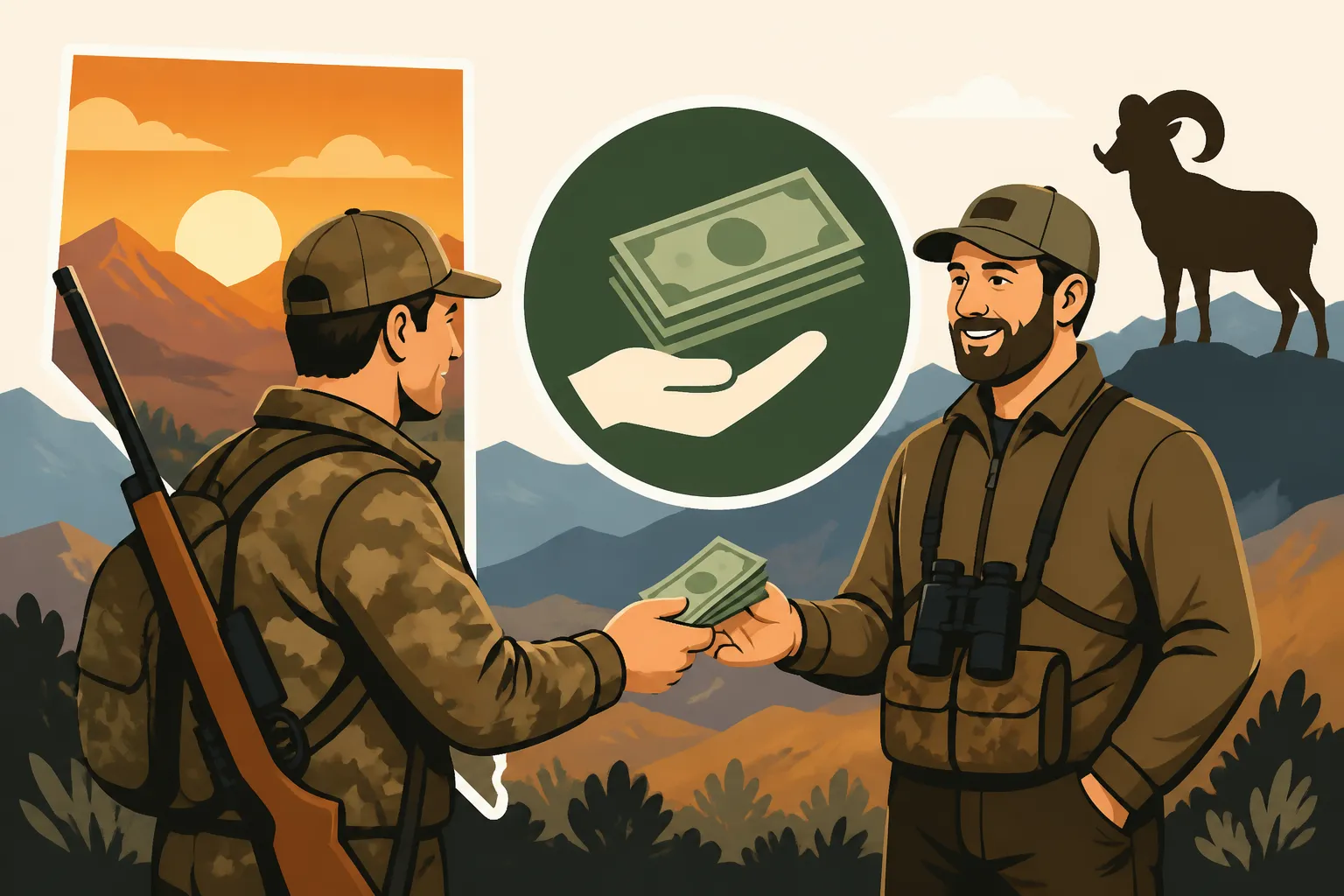
Tipping should be a private exchange between you and your guide. It's best done at the very end of your hunt, typically as you're saying your goodbyes, and away from other hunters or staff if possible.
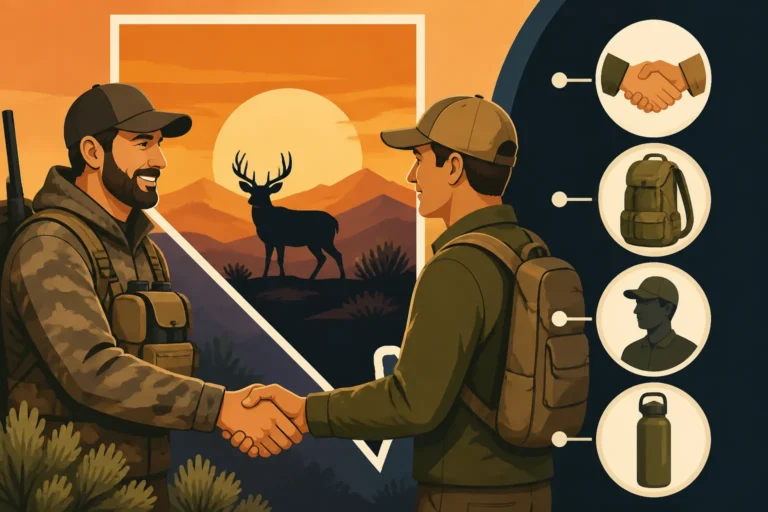
- Private Moment: Find a moment alone with your primary guide. A handshake with an envelope or folded cash discreetly passed is a classic and respectful way to do it.
- A Sincere Thank You: Accompany the tip with genuine words of appreciation. "Thank you for an incredible hunt, I really appreciate all your hard work and effort," goes a long way. This reinforces that the tip is for their service, not just the animal on the ground.
- For the Team: If you're tipping a team, hand the primary guide the total amount for distribution and explain that it's for everyone. Again, a simple thank you acknowledging everyone's contribution is appropriate.
Avoid making a big show of it. The gesture itself is powerful enough.
Tipping Camp Staff: Don't Forget the Unsung Heroes
As we touched on earlier, a great hunting experience isn't just about the guide in the field. The camp cook, the horse wrangler, the camp jack – these individuals work tirelessly behind the scenes to make your stay comfortable, warm, and well-fed. Their efforts allow your guide to focus on finding animals and you to focus on hunting.
It’s good etiquette to leave a separate tip for the general camp staff. This is usually pooled and divided amongst them. You can hand this directly to the head guide or outfitter, or sometimes there will be a designated tip jar or envelope in the dining area. A common range is $25-$50 per hunter, per day, for this general camp staff pool. Think of the warm meals after a cold day of Preparing for Long Days in Open Terrain or the comfortable bed you return to – these are thanks to the camp crew.
What If You Had a Bad Experience?
This is a tough one, and it happens. If you genuinely had a poor experience due to a guide's lack of effort, professionalism, or even safety concerns, you are absolutely not obligated to tip the standard amount. A tip is a gratuity, not a mandatory fee.
- Evaluate Objectively: Was the poor experience due to factors beyond the guide's control (weather, animal movement) or genuinely due to their performance?
- Scale Back: If you still want to offer something as a courtesy, you might give a minimal amount (e.g., $50 a day or 5% of the hunt cost), but don't feel pressured to give a full tip.
- Communicate, Discreetly: If the experience was truly unacceptable, it's more important to have a private, calm conversation with the outfitter before you leave. Explain your concerns clearly and professionally. This feedback is invaluable for the outfitter to improve their operations and address issues with their staff. Tipping less is a statement, but direct communication is more constructive for all parties involved. A platform like GoHunt, which often features outfitter reviews, also gives you an avenue to share your objective experience, helping other hunters make informed decisions.
Ultimately, tipping in Nevada hunting is about acknowledging the hard work, skill, and dedication of the people who make these incredible outdoor adventures possible. It’s a way to say thank you for sharing their passion, knowledge, and time, and for helping you create memories that will last a lifetime.
Disclaimer
This article is for general informational purposes only and does not constitute professional advice. Laws, prices and regulations vary by location and change over time. Consult a qualified professional for guidance on your specific situation.