How to Break a Tie Between Two Outfitters
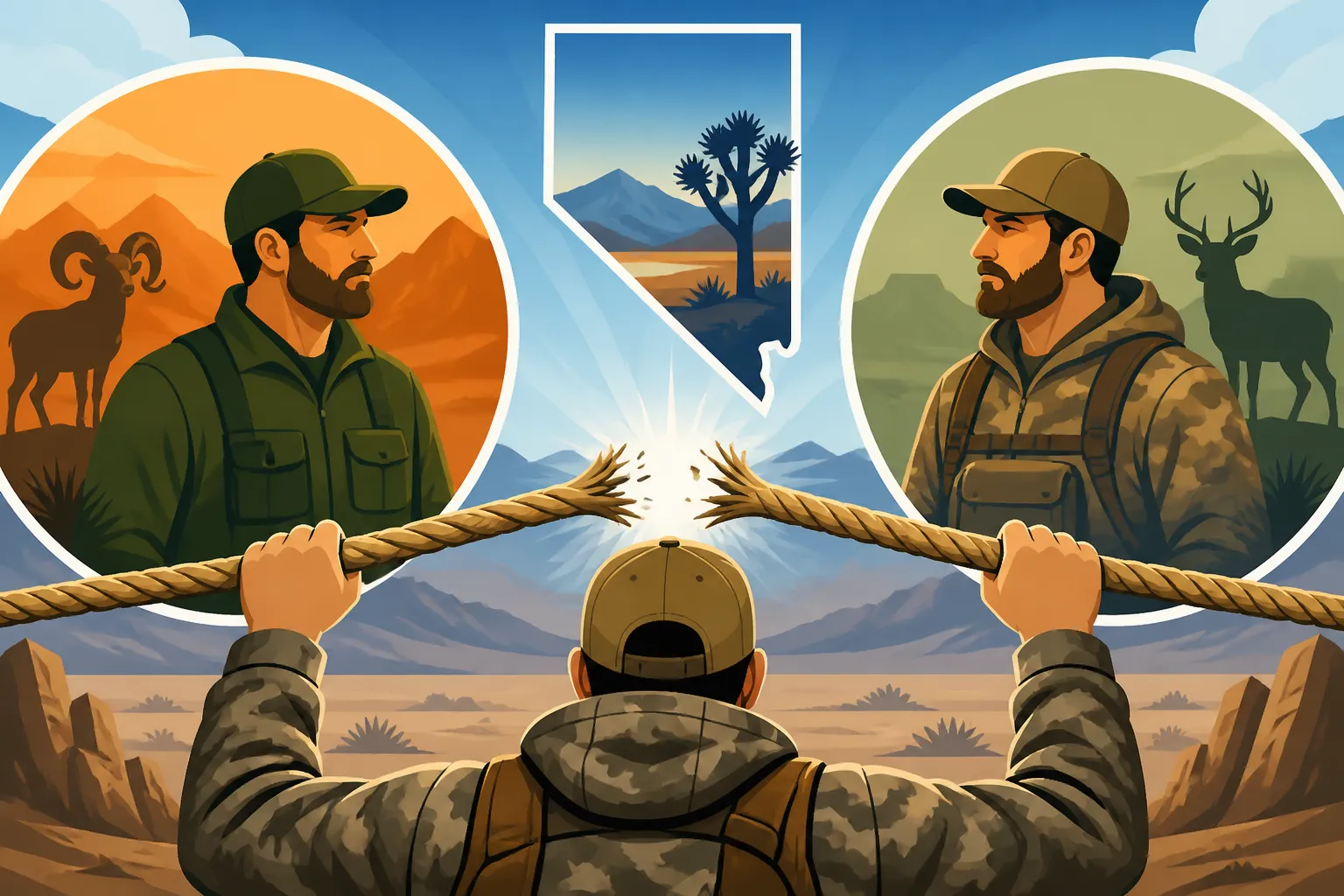
It's a fantastic problem to have, really: you've narrowed down your search for a Nevada hunting outfitter to two excellent choices, and now you're stuck trying to pick the "better" one. The truth is, both probably offer incredible experiences, but making that final decision can feel paralyzing. This guide is here to walk you through the nuances, helping you dig deeper than the surface-level pitch so you can confidently choose the outfitter that truly aligns with your hunting dreams and expectations.
Beyond the Basics: Deeper Dive into What Matters
When you're comparing two top-tier Nevada outfitters, the standard questions about dates and availability are already answered. Now it's time to peel back the layers and understand the granular details that can make or break your trip, especially in challenging environments like the Great Basin.
The Nitty-Gritty on Inclusions and Exclusions
Every outfitter touts an "all-inclusive" package, but what does that really mean? Often, it means different things to different operations, and the devil is truly in the details. You might assume your food, lodging, and guiding fees are covered, but have you considered everything else?
Think about things like field care of your animal: does "field dressing" mean gutting and quartering, or just gutting? Will they pack the animal back to camp, or is that part of your responsibility, especially if you’re deep in a wilderness area? What about getting the meat to a processor? Some outfitters include transport to the nearest processing facility, while others might expect you to arrange that yourself. Then there are the trophy fees, often a separate charge for specific animals or sizes, which can significantly alter What Outfitter Prices Almost Never Include. Don't forget licenses and tags; these are almost universally not included, so make sure you factor in The All-In Price of a Nevada Nonresident Deer Tag or Why a Nevada Nonresident Elk Tag Costs So Much on top of the outfitter's fee. Ask about things like sleeping arrangements (wall tent, cabin, RV?), shower facilities, and even the quality and variety of food. A week on freeze-dried meals might not be what you envisioned if the other outfitter provides fresh-cooked dinners.
Guide-to-Client Ratios and Camp Dynamics
The number of hunters per guide is one of the most critical factors influencing your experience. A 1-on-1 hunt means you have the guide's undivided attention, allowing for more tailored stalks, quicker decision-making, and a hunting pace that matches your physical capabilities. This is often reflected in a higher price, but many hunters find it worth the investment, especially for species like bighorn sheep or trophy elk where every advantage counts.
On the other hand, a 2-on-1 hunt, where two hunters share one guide, can be a great way to reduce costs and share the experience with a friend or family member. However, it also means compromises. One hunter might have to wait while the other stalks, or the pace might be set to accommodate the slower of the two. Consider your hunting partner carefully if you go this route. Beyond the guide-to-client ratio, think about the overall camp size. Are you looking for an intimate experience with just a few hunters and guides, or do you prefer the camaraderie of a larger camp? A bustling camp can be fun for swapping stories, but a smaller one might offer more peace and quiet and a deeper connection with your guides. Understand how many people will be in camp total, and what the typical daily routine looks like.
Understanding Logistics: Travel, Gear, and Game Handling
Nevada is a vast state, and logistics can be complex. How do you get to the outfitter's base camp? Do they offer airport pickup from, say, Reno or Elko, or are you expected to rent a vehicle and drive? If you're driving, what are the road conditions like to their staging area? Remote Nevada roads can be brutal on vehicles, so knowing if you need a high-clearance 4×4 is crucial. Vehicle Prep for Remote Nevada Roads is a serious consideration.
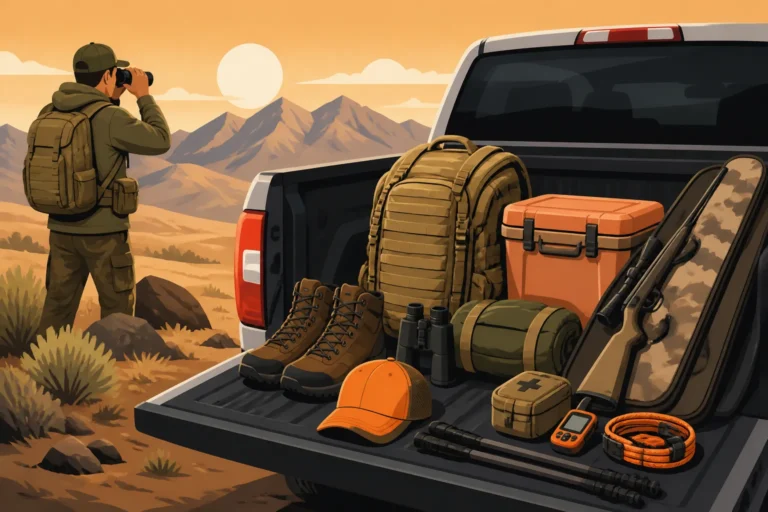
Regarding gear, most outfitters will send a gear list, but dig deeper. Are there specific brands or types of optics they prefer for glassing the open country? Do they recommend specific footwear for the sharp volcanic rock common in many Nevada units? What about communication in the field? Many remote areas have no cell service, so understanding their satellite communication plan for emergencies is vital. Finally, revisit game handling. Once an animal is down, what's the process? Do they have refrigeration in camp, or is it a race against the August heat to get the meat cooled? Getting Meat Cooled on an Early Season Hunt is a crucial point for early-season hunts. Ask specifically about cape preparation for taxidermy and how they assist with shipping antlers and capes home.
Vetting Beyond References: Probing for True Fit
References are great, but every outfitter provides glowing ones. To truly break a tie, you need to dig deeper and use all available resources to gain a comprehensive understanding of each operation.
The Art of Asking Specific Questions
When you call an outfitter, don't just ask generic questions. Have a list ready that's tailored to your unique concerns. Instead of "What's your success rate?", ask "What was your actual harvest rate for archery mule deer in Unit X last year, specifically for 180+ inch bucks?" Ask about specific scenarios: "If we don't turn up a buck in our primary area, what's your backup plan? Do we move camp, or shift focus to a different part of the unit?" Enquire about their approach to Hunting Water in Nevada's Driest Country if your hunt is in a particularly arid unit.
Ask about their guides specifically: how long have their guides been with them? Are they licensed Nevada guides? You can even ask about getting the names of the specific guides you'd be hunting with and see if you can chat with them directly. This also touches on verifying credentials. Make sure you know How to Verify a Nevada Guide License and confirm they have the necessary federal land permits if hunting on BLM or National Forest ground, which is common in Nevada. This level of detail shows you're serious and helps them understand your expectations, leading to more transparent answers.
Online Presence and Community Buzz
Beyond the outfitter's website, what does the broader hunting community say? Use resources like BookYourHunt or GoHunt. These platforms often host reviews and detailed outfitter profiles. While you should always take online reviews with a grain of salt, look for patterns. Are there consistent complaints about communication, camp conditions, or unrealistic expectations? Conversely, are there recurring themes of exceptional professionalism, hard work, and good success rates?
Don't just read the reviews; engage with hunting forums and social media groups dedicated to Nevada hunting. Post a question asking if anyone has experience with Outfitter A or Outfitter B. You might get candid, unfiltered feedback that you won't find anywhere else. Remember, you're not just looking for "good" or "bad" but for insights that align with your personal hunting style and priorities. A physically demanding outfitter might be perfect for one person, and too much for another.
License, Permits, and Insurance Verification
This might seem bureaucratic, but it's vital. A reputable Nevada outfitter will be fully licensed by the state and hold all necessary federal permits for operating on public lands. Don't be shy about asking for proof. You should confirm their Nevada Department of Wildlife (NDOW) guide license number and ask which specific BLM or Forest Service districts they hold permits for. BLM Nevada Issues Joint Permits to Master Guides covers the federal side of things, and it's essential.
Also, ask about insurance. What kind of liability insurance do they carry? While hunting inherently involves risks, knowing an outfitter is properly insured offers a layer of protection and speaks to their professionalism. A legitimate outfitter will be transparent and proud to provide this information. If there's any hesitation or vagueness, consider it a red flag. This due diligence ensures you're dealing with a legitimate operation, not a fly-by-night outfit.
Intangibles and Instincts: The Human Element
Even after all the facts and figures, a big part of choosing an outfitter comes down to the human connection and how well their operation feels like a personal fit.
Personality Match and Communication Style
Hunting, especially a multi-day guided hunt, is an intensely personal experience. You'll be spending a significant amount of time, often in close quarters, with your guide and the outfitter. Their personality and communication style can profoundly impact your enjoyment. Did your conversations feel rushed, or did they patiently answer all your Questions Worth Asking Before You Book? Do you feel a good rapport developing over the phone? Are they enthusiastic and passionate, or do they sound disengaged?
Some hunters thrive with a quiet, stoic guide, while others prefer a more talkative and jovial personality. Think about what kind of interaction will make you feel most comfortable and enhance your hunt. Remember, you're not just buying a service; you're investing in an experience. The human element, the shared laughs, the supportive encouragement, or even the quiet understanding during a tough day, are often what you remember most fondly. This is where your gut feeling really comes into play.
Flexibility and Adaptability in the Field
Nevada hunting can throw curveballs. Weather can change dramatically, animals can move, or a hunter might face unexpected physical challenges. How does each outfitter demonstrate flexibility and adaptability? Ask them about a time a hunt didn't go according to plan due to external factors. How did they adjust? Did they have backup plans or alternative strategies?
For example, if an early season archery hunt is planned for a specific ridge, but unexpected heat pushes the deer to higher elevations, how would they react? Would they relocate camp, or just keep grinding in a less productive area? If a hunter sprains an ankle, what's their protocol? How Outfitters Plan Emergency Evacuations and Satellite Messenger Use in Remote Country are important considerations. An outfitter who can pivot and problem-solve effectively often leads to a more successful and less stressful hunt. This speaks volumes about their experience and dedication to client satisfaction.
Ethical Considerations and Conservation Philosophy
Responsible hunting and conservation are paramount in the hunting community. It's perfectly acceptable, and frankly, encouraged, to ask outfitters about their ethical stance and conservation practices. How do they ensure fair chase? What are their views on land stewardship and minimizing impact on public lands? Do they adhere strictly to regulations like Baiting Rules That Apply in Nevada or Trail Camera Rules on Nevada Public Land?
A good outfitter isn't just focused on putting an animal in front of you; they are also stewards of the resource. Their answers to these questions can reveal their true character and commitment to the long-term health of Nevada's wildlife. This is especially true in units that see high pressure or are ecologically sensitive. An outfitter who prioritizes ethical hunting and conservation often attracts like-minded guides and clients, creating a more positive and responsible hunting environment for everyone.
Making the Final Call: Weighing It All
After all this digging, you're likely sitting on a mountain of information. Now it's time to organize it and make that tough decision.
Creating a Pros and Cons List
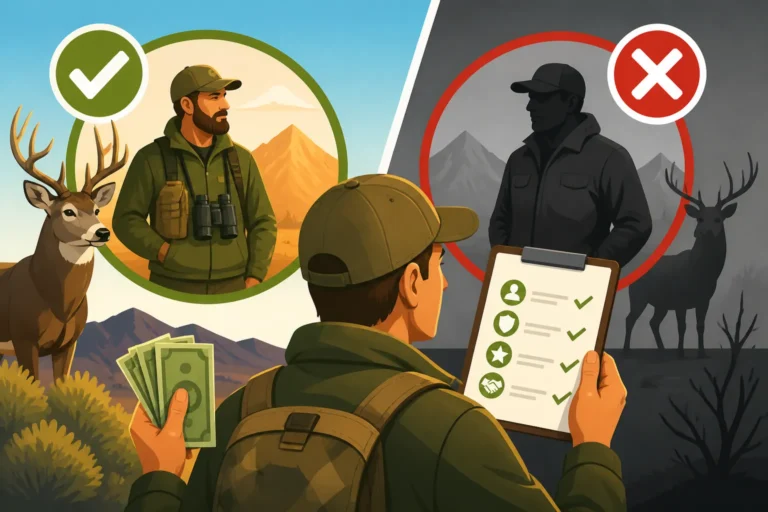
Sometimes, the best way to clarify your thoughts is to put them on paper. Create a detailed pros and cons list for each outfitter. Don't just list the big items; include all the little details you uncovered. Assign a weight to each item based on its importance to your hunt. For example, if 1-on-1 guiding is crucial, give it a higher weight. If gourmet meals are less important, give them a lower weight.
Here's a hypothetical comparison table to get you started:
| Feature/Factor | Outfitter A (Desert Ghost Hunts) | Outfitter B (Mountain Muleys Inc.) | My Priority Score (1-5, 5=highest) |
|---|---|---|---|
| Price (Estimated) | $$ (Mid-Range) | $$$ (Higher End) | 4 |
| Guide Ratio | Primarily 2-on-1, 1-on-1 at premium | Always 1-on-1 | 5 |
| Camp Type | Comfortable wall tents with cots, communal fire pit | Remote spike camps, less amenities, more mobile | 3 |
| Food Quality | Hearty, simple camp meals; self-serve breakfast | Chef-prepared, varied dinners; packed lunches daily | 4 |
| Game Handling | Quarters packed to truck, transport to processor by client | Full service, quarters delivered to processor; cape/horns prepped | 5 |
| Outfitter Experience | 15 years, specializing in specific unit groups | 20+ years, operates statewide with local guides | 4 |
| Guide Personalities | Experienced, quiet, focused on the hunt | Enthusiastic, communicative, good storytellers | 3 |
| Flexibility | Sticks to plan, some flexibility if animals disappear | Highly adaptable, known for moving camp to follow game | 5 |
| Reference Feedback | "Hard workers," "got shots at good bucks," "basic camp" | "Unforgettable experience," "went above and beyond," "trophy focus" | 4 |
| Online Reviews (BookYourHunt/GoHunt) | Good, consistent 4-star ratings, mentions of tough terrain | Excellent, consistent 5-star ratings, mentions of high effort | 4 |
| Travel/Logistics | Pick up from nearest town, client drives last 50 miles | Airport pickup available, full transport once in Nevada | 3 |
| Conservation Ethic | Solid, focus on leave no trace | Very strong, active in local conservation efforts | 4 |
This exercise will help you visualize the trade-offs and see which outfitter's strengths align most closely with your priorities. Remember to consider factors like Outfitter Success Rates on Mule Deer or Outfitter Success Rates for Elk in relation to what you're hoping to achieve.
Trusting Your Gut After Due Diligence
After all the research, phone calls, and list-making, there comes a point where you simply have to make a decision. Often, your gut feeling, that intangible sense of "rightness," will emerge. This isn't about ignoring the data; it's about letting your subconscious process all the information you've gathered and present you with a clear leaning. You’ve done your homework. You've asked all the Questions Worth Asking Before You Book, checked their licenses, talked to references, and even researched them on platforms like BookYourHunt and GoHunt.
Consider How Much to Tip a Hunting Guide as part of your overall budget, as it reflects a positive experience. If one outfitter made you feel more comfortable, more confident, or simply more excited about the prospect of hunting with them, that's a powerful indicator. It means you trust them, and trust is the foundation of any successful guided hunt. Don't second-guess yourself too much once you've made a thorough, informed decision. Ultimately, the best outfitter is the one that gives you the best chance at the hunt of a lifetime, not just on paper, but in spirit.
Disclaimer
This article is for general informational purposes only and does not constitute professional advice. Laws, prices and regulations vary by location and change over time. Consult a qualified professional for guidance on your specific situation.