Unit 162 and Its Record Book Bulls
The dream of harvesting a record-book elk pulls many hunters to Nevada, a state often overlooked for its truly massive bulls. While some units offer decent numbers, finding a consistent producer for trophy-class animals can feel like searching for a needle in a vast sagebrush haystack. This guide is your deep dive into Nevada's Unit 162, a prime hunting ground renowned for its potential to deliver the bull of a lifetime, exploring everything from its unique landscape to the specific strategies that give hunters an edge.
Unpacking the Legend of Nevada's Unit 162
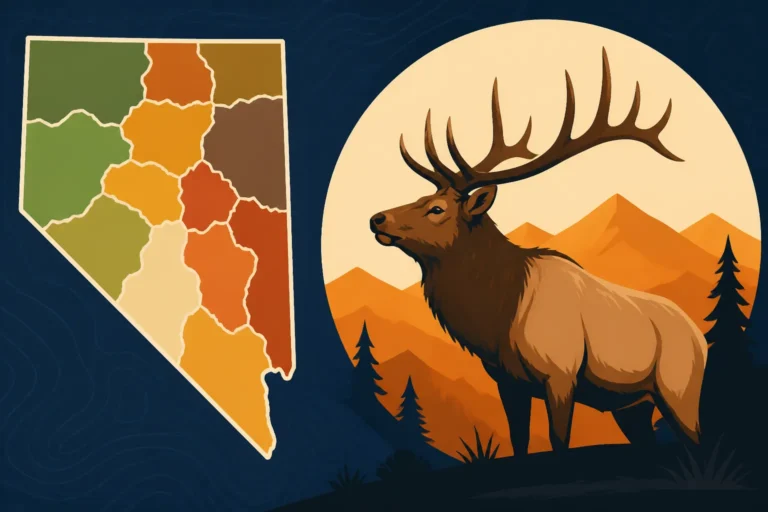
Unit 162 in Nevada isn't just another section of public land; it’s a specific geographic region with a well-earned reputation among serious elk hunters. Nestled in the eastern part of the state, primarily within White Pine County, this unit encompasses a diverse and rugged landscape that contributes directly to the growth and longevity of its elk herd. It’s the kind of place where, if you put in the time and effort, your chances of encountering a truly exceptional bull are significantly higher than in many other areas.
Geographical Overview and Unique Characteristics
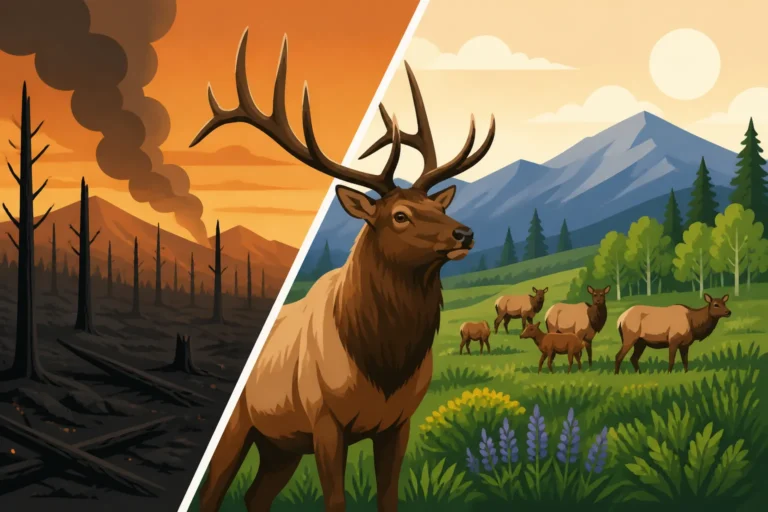
Unit 162 is dominated by the majestic Schell Creek Range and portions of the formidable Snake Range, defining its character with towering peaks, steep canyons, and vast, rolling sagebrush valleys. Elevations within the unit can range dramatically, from approximately 6,000 feet in the valley floors to over 11,000 feet at the highest points of the mountains. This dramatic vertical relief creates a mosaic of habitats: dense conifer forests of ponderosa pine, Douglas fir, and white fir at higher altitudes, giving way to aspen groves, mountain mahogany, and pinyon-juniper woodlands on the mid-slopes. The lower elevations transition into expansive sagebrush flats, punctuated by bitterbrush and various native grasses.
This diverse topography is crucial for elk. The high country offers cool summer sanctuary, abundant feed, and crucial thermal cover during harsh winters, while the lower pinyon-juniper and sagebrush zones provide vital winter range and transition areas. The sheer ruggedness of the terrain also contributes to the quality of the bulls. It creates pockets of difficult-to-access country where older, wiser bulls can escape hunting pressure, allowing them to age gracefully and develop those impressive antlers that hunters covet. The availability of varied forage throughout the year—from lush summer grasses in alpine meadows to browse in the lower elevations—ensures a consistent and high-quality diet, a non-negotiable factor for growing those coveted record-book racks.
Historical Reputation for Trophy Elk
The whispers of Unit 162's trophy potential are not new; they've been circulating among the elk hunting community for decades. This unit consistently produces bulls that make the record books, with numerous entries into organizations like Boone and Crockett and Pope and Young. This isn't accidental. The Nevada Department of Wildlife (NDOW) manages the unit with a strong emphasis on quality over quantity, aiming for an older age structure in the bull population. This means fewer tags are issued compared to some general units, increasing the chances for individual bulls to survive multiple hunting seasons and reach their genetic potential.
The combination of excellent genetics, vast and rugged habitat that provides ample cover, and a management strategy focused on trophy production creates a perfect storm for big elk. Hunters who draw a Unit 162 tag aren't just hoping for any bull; they're entering the field with a legitimate chance at a true giant. It’s a unit where the tales of massive bulls encountered, whether harvested or simply observed, are common, fueling its reputation as one of Nevada's premier trophy elk destinations.
The Unit's Place in Nevada's Elk Management
Nevada's elk management philosophy, particularly in units like 162, prioritizes maintaining a healthy, mature bull population. NDOW monitors herd health through aerial surveys, harvest statistics, and age structure analysis to set tag quotas that support this objective. Unlike some states or units focused on maximizing opportunity, Unit 162 often sees conservative tag allocations designed to ensure that a significant percentage of bulls live to older age classes. This strategy means that while drawing a tag can be a multi-year endeavor, the reward is the opportunity to hunt a unit with a genuinely high probability of encountering a mature, trophy-caliber animal.
The management plans for Unit 162 often include specific objectives for bull-to-cow ratios and herd demographics, all geared towards fostering a robust population capable of producing large antlers. This approach means that when you are fortunate enough to draw a tag for one of the Two Rifle Elk Hunts in Nevada Units or the early season archery hunts, you are participating in a hunt that is carefully balanced for sustainability and quality. It’s a testament to long-term planning and dedicated wildlife biologists ensuring that the legend of Unit 162 continues for generations of hunters.
Understanding Elk Behavior in Unit 162
To truly succeed in Unit 162, you need to think like an elk. Their movements, feeding patterns, and responses to environmental factors are dictated by the unit's unique landscape and climate. Understanding these behaviors is the cornerstone of any successful hunt, turning random wandering into targeted pursuit.
Seasonal Movements and Preferred Habitat
Elk in Unit 162 exhibit distinct seasonal movements, largely driven by forage availability, breeding cycles, and snow depths. During the mild summer months, elk often gravitate towards the cooler, higher elevations of the Schell Creek and Snake Ranges. Here, they find lush alpine meadows, abundant water sources, and dense timber for security and thermal cover. This is where bulls spend their energy growing their antlers, feeding heavily on succulent grasses, forbs, and browse. As the archery and muzzleloader seasons approach in late summer and early fall, these higher elevations remain prime hunting grounds.
However, once the rut kicks into full gear, usually from mid-September through early October, elk become more vocal and active, often moving to lower elevation aspen and pinyon-juniper zones. These areas provide the perfect blend of cover, open areas for breeding displays, and access to water. As winter deepens and snow pushes into the high country, elk migrate to critical winter range in the lower, south-facing slopes and sagebrush flats. These areas offer easier movement, access to residual forage, and less snow accumulation. Hunters on Late Rifle Deer Seasons in Nevada or late-season elk hunts might find animals concentrated in these lower, often more accessible, areas. Knowing these general patterns is vital, but scouting confirms the specific travel corridors and preferred bedding areas within these broad zones.
The Role of Feed and Water in Bull Growth
The quality and abundance of feed directly correlate with antler growth in elk, and Unit 162 offers a varied buffet. During the growing season, a diet rich in protein and minerals is critical. The high-elevation meadows and aspen groves provide nutrient-dense grasses and forbs, while browse species like mountain mahogany, bitterbrush, and various shrubs offer essential sustenance throughout the year. The sheer vastness of the unit ensures that even in localized drought conditions, elk often have access to a diverse range of feeding options.
Water is, arguably, even more critical in the arid Nevada landscape. While Unit 162 is mountainous, permanent water sources can still be spread out. Elk will always be near reliable water, especially in the warmer early seasons. Springs, seeps, and seasonal snowmelt pockets dictate where elk will bed, feed, and travel. Identifying these water sources, whether through e-scouting tools or boots-on-the-ground recon, is paramount for locating elk. GoHunt's mapping layers, for instance, often highlight natural springs and man-made guzzlers. Understanding where these crucial resources are located can transform your hunt, allowing you to intercept animals moving between feeding, bedding, and watering areas. This is especially true when planning for Hunting Water in Nevada's Driest Country.
Impact of Weather Patterns on Elk Activity
Weather is a significant, often unpredictable, factor that can make or break a hunt in Unit 162. Early season hunters during the August or September windows will often face warm temperatures, pushing elk to be primarily active during dawn and dusk, and seeking dense cover during the heat of the day. A sudden cold front or early snowstorm can dramatically increase elk activity, making them more visible and callable, but it can also make access more challenging.
Conversely, mild autumns can delay migrations to lower elevations, keeping elk spread out in the high country longer. Heavy snows, on the other hand, can quickly concentrate elk into their winter range, making them easier to locate but potentially harder to approach if they're in more open areas. Monitoring long-range forecasts and being adaptable to changing conditions is key. A hunter prepared for Heat Management on an August Archery Hunt and also equipped for sudden cold fronts will have a distinct advantage. Pay attention to wind direction, as elk rely heavily on their sense of smell, and the swirling mountain winds of Unit 162 can make a stalk incredibly tricky if not respected.
Navigating the Nevada Draw for Unit 162
Drawing an elk tag for Unit 162 is not a casual affair; it's a strategic game that requires patience and an understanding of Nevada's unique bonus point system. For many, this unit represents a once-in-a-lifetime opportunity, and planning your application strategy is almost as important as the hunt itself.
Unit 162's Draw Odds and Point Strategy
Let's be blunt: drawing a Unit 162 elk tag is tough. It's one of the most sought-after units in Nevada due to its trophy potential, meaning the odds are low, especially for non-residents. Nevada employs a squared bonus point system, which significantly favors applicants with more points. Nevada Squares Your Bonus Points Into Draw Chances means that if you have, say, four points, you don't just get four chances; you get 4×4, or 16 chances, plus your current year's application, totaling 17 entries in the draw. This system exponentially increases your odds the more points you accumulate.
For Unit 162, successful applicants typically have a high number of accumulated bonus points. It's not uncommon for residents to take 10+ years to draw, and non-residents even longer. The strategy, therefore, is clear: commit to building points every year. Even if you don't plan to hunt every year, buying a point-only application annually is the smartest long-term play. Platforms like GoHunt provide detailed draw odds specific to each hunt code in Unit 162, allowing you to track trends and make informed decisions on which weapon type (archery, muzzleloader, rifle) or season (early, late) might offer slightly better (though still very long) odds.
Application Timing and Strategy for a High-Demand Unit
Nevada's big game application period is consistent, running from March to May each year. Specifically, Nevada Applications Run March 23 to May 13. Missing this window means losing a year of point accumulation, which is a devastating setback when chasing a unit like 162. It's crucial to mark these dates on your calendar and submit your application well in advance of the deadline.
When applying, you'll list up to five hunt choices. For a unit as premier as 162, most applicants use their first choice for the highly coveted early rifle or archery seasons within this unit. If you're solely focused on 162, your subsequent choices might be for less desirable weapon types or seasons within the same unit, or perhaps other high-quality but slightly less competitive units. It's a gamble, but the strategy is generally to apply for the dream hunt first. Make sure your application is meticulously filled out, as errors can lead to disqualification. Also, remember that Nevada Draw Results Land at the End of May, so patience is required after applying.
Non-Resident Considerations for Unit 162
Non-resident hunters face additional considerations and costs when applying for Unit 162. The first is the price: a non-resident combination hunting license is required before you can even apply for a big game tag. Nevada's Combination License Comes Before Any Tag and is a significant upfront cost. Then, if successful in the draw, the actual tag fee for elk is substantial. A Nonresident Nevada Elk Tag Runs $1,200, which is a serious investment.
Beyond the financial aspect, non-residents typically face even longer waits to draw a Unit 162 tag due to quotas that prioritize residents. However, the squared bonus point system works for everyone, so consistent point building is still the golden rule. Many non-residents will apply for a decade or more before finally drawing this tag. Researching units and their specific non-resident draw quotas is essential. While the dream of a Nevada record-book bull is strong, non-residents must go into the application process with open eyes about the commitment required in terms of time and money.
| Hunt Type for Unit 162 | General Season Window | Typical Elk Activity | Draw Difficulty (1-5, 5 being hardest) |
|---|---|---|---|
| Archery Bull | Mid-August – Mid-September | Pre-rut/Early Rut, Bulls higher elevation, some bugling | 5 |
| Muzzleloader Bull | Mid-September – Late September | Peak Rut (potential), increased bugling, bulls very active | 5 |
| First Rifle Bull | Early October – Mid-October | Post-rut, bulls regrouping, often seeking security cover | 5+ |
| Second Rifle Bull | Late October – Early November | Bulls moving to transitional/winter range, less vocal | 5+ |
Note: Specific season dates and quotas vary annually. Always check the current NDOW Big Game Seasons and Application Guide for the most up-to-date information.
Essential Hunting Strategies for Record Book Bulls
Drawing a Unit 162 tag is only half the battle. The real work begins when you step foot in the unit. To consistently find and harvest record-book bulls in this challenging terrain, you need a combination of meticulous preparation, advanced glassing skills, and a strategic approach to stalking and calling.
Scouting and E-Scouting for Success in 162
Long before opening day, your hunt for a Unit 162 bull should already be well underway, starting with intense scouting. E-scouting, using tools like GoHunt's mapping and data layers, is invaluable. Spend hours poring over satellite imagery, identifying potential bedding areas (north-facing slopes with dense timber), feeding areas (alpine meadows, aspen stands, recent burns), and critical water sources (springs, seeps, guzzlers). Look for historical elk sign, game trails, and natural travel corridors that connect these vital areas. Pay close attention to terrain features that provide cover for approaching animals or natural funnels that elk might use.
Once you have identified potential hot spots from your desk, nothing beats boots-on-the-ground scouting. If possible, visit the unit months before the season. Hike into those prospective areas, confirm the presence of elk sign, locate rub lines and wallows, and understand the lay of the land firsthand. This allows you to assess the difficulty of an approach, identify glassing points, and even find specific bedding areas. Remember, elk are creatures of habit, and locating their patterns ahead of time is a huge advantage. Understanding Reading a Nevada Hunt Unit Before You Apply is essential for this process.
Glassing Techniques for Big Bulls
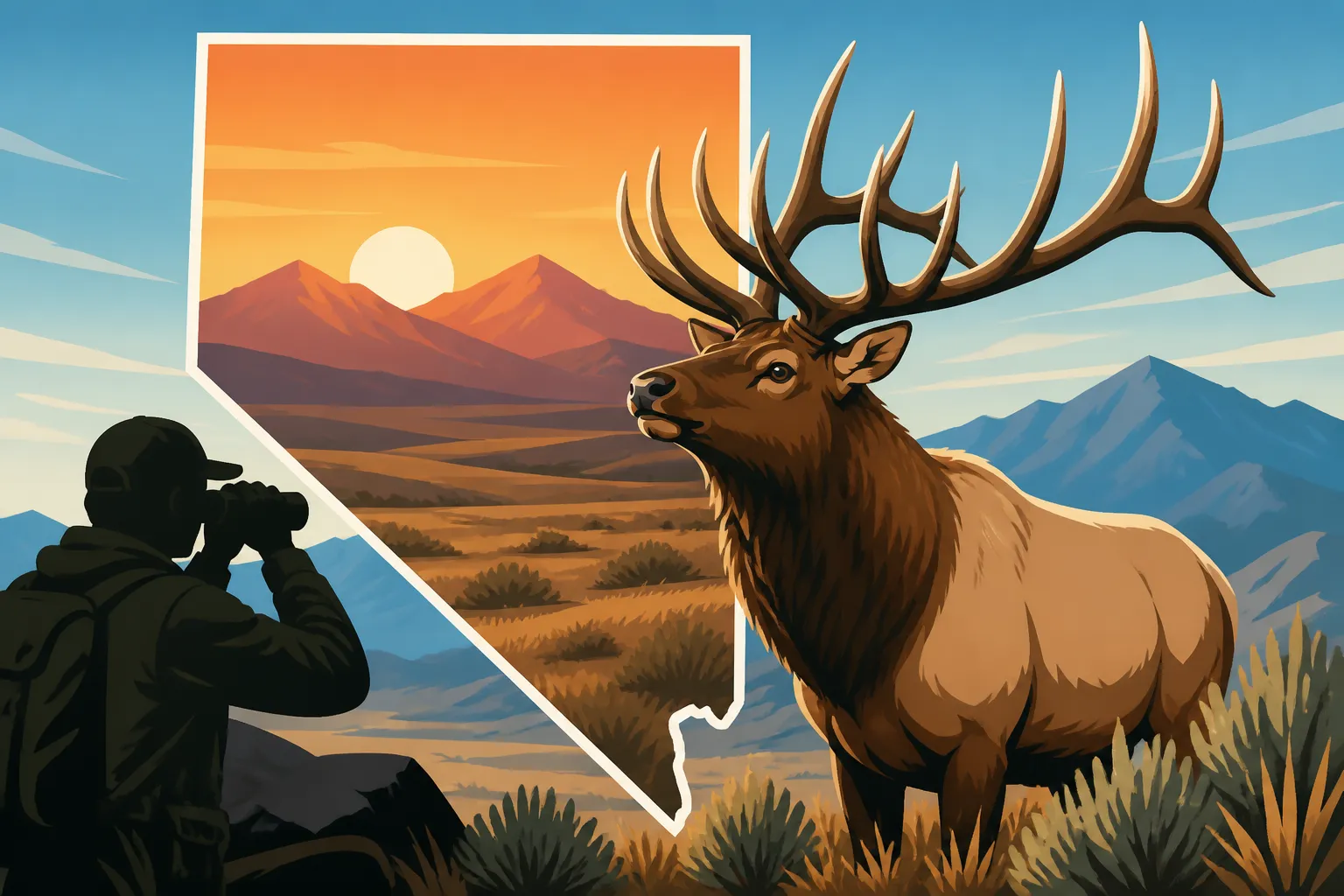
Nevada, with its vast, open country, is undeniably a glassing game, and Unit 162 is no exception. Walking endlessly through dense timber hoping to stumble upon a bull is a low-percentage play. Instead, focus on efficient, disciplined glassing. Find a high vantage point that offers expansive views of multiple basins, drainages, or timbered slopes. Use a high-quality spotting scope on a sturdy tripod—your most important tool for picking apart distant cover. Optics Power for Nevada's Long Sightlines is crucial here; don't skimp on magnification.
Begin your glassing sessions at first light and continue through the morning, and again in the late afternoon into evening. Elk are most active during these times. Use the "grid glassing method, step by step" to systematically scan an area, leaving no stone unturned. Start with the closest terrain and slowly work your way outward, meticulously examining every shadow, every cluster of trees, and every edge where different habitat types meet. Patience is key; it often takes many passes to spot a flicker of an ear, a patch of hide, or the tell-tale glint of an antler against the backdrop. Remember, Why Nevada Deer Hunting Is a Glassing Game applies equally, if not more, to elk in such open terrain.
Stalking and Calling Strategies
Once a trophy bull is spotted, the true challenge of the stalk begins. Unit 162's terrain, with its steep slopes, rocky outcroppings, and scattered timber, provides both cover and potential pitfalls. The first rule: take your time. Plan your approach carefully, identifying key landmarks, escape routes for the bull, and points of cover you can utilize. Always keep the wind in your favor; elk have an incredible sense of smell, and a shifting breeze can blow your stalk instantly. Playing Thermals on a Rimrock Stalk is an art form in these mountains.
During the rut, calling can be a highly effective tactic. Locator bugles can help pinpoint a bull's general location, but approach with caution. Aggressive calling can sometimes backfire, making a mature bull shy. Often, subtle cow calls or soft glunking sounds can entice a curious bull to investigate without spooking him. If hunting with a partner, a two-hunter calling setup, where one caller stays back to draw the bull's attention while the shooter moves in, can be deadly. However, in the post-rut rifle seasons, calling is often less effective, and a quiet, patient stalk relying on keen observation is usually the best approach. Bugle Timing in Nevada's Elk Country can tell you when to lean on calls.
Logistical Considerations for a Unit 162 Hunt
Hunting Unit 162 isn't just about finding elk; it's about managing a remote, physically demanding expedition in a state known for its vast, empty spaces. Proper planning for access, supplies, and personal preparedness is paramount to a safe and successful hunt.
Access Points and Road Conditions
Unit 162, while being a premier hunting unit, is by no means easily accessible. Many of the prime elk areas are deep within the Schell Creek and Snake Ranges, requiring significant travel on unpaved, often rough, dirt roads. Primary access might involve well-maintained gravel roads initially, but quickly devolves into two-track trails or even jeep trails that demand a high-clearance 4×4 vehicle. Standard passenger vehicles simply won't cut it for serious exploration into the unit's interior.
These backroads can be incredibly dusty in dry conditions, or become muddy, rutted, and even impassable with rain or early snow. Be prepared for washouts and fallen rocks. Carry essential vehicle recovery gear, including a full-sized spare tire, tire repair kit, jack, shovel, and tow strap. Understanding Vehicle Prep for Remote Nevada Roads is not just a suggestion, it's a necessity. Maps (digital and paper), GPS, and downloaded offline maps (from GoHunt or similar apps) are crucial, as cell service is spotty at best in many parts of the unit.
Camping, Water, and Resupply
Dispersed camping is generally permitted on BLM and National Forest lands within Unit 162, allowing hunters to set up camp close to their chosen hunting grounds. Camping Rules on Nevada BLM Ground should be reviewed, including fire restrictions that are common during the drier months. Choose a camp location that offers some shelter from the elements, is out of sight from main roads, and has good access to the areas you plan to hunt. Remember, leave no trace.
Water is a critical concern. While there might be springs, never rely solely on natural sources without a reliable water filter or purification system. The safest bet is to pack in all the water you'll need for drinking, cooking, and hygiene. For multi-day hunts, this means carrying substantial reserves or having a plan for replenishment. Water You Must Carry on a Desert Day Hunt is often more than you think. The nearest towns for fuel, groceries, and major supplies might be Ely or Great Basin National Park area, which can be an hour or more drive depending on your exact location in the unit. Plan your resupply runs accordingly to avoid wasting precious hunting time.
Physical Preparation and Gear
Hunting Unit 162 is a physically demanding endeavor. You will be hiking steep, uneven terrain, often at high altitudes, for long hours. Being in peak physical condition before your hunt is non-negotiable. Focus on cardiovascular endurance, leg strength, and carrying a weighted pack. Preparing Physically for Long Glassing Days will pay dividends when you're several miles from the truck, pursuing a bull.
Your gear needs to be up to the task as well. Invest in high-quality, broken-in hiking boots that can handle sharp volcanic rock and steep climbs. Layered clothing is essential to adapt to the significant temperature swings from cold mornings to warm afternoons. A reliable backpack for day hunts and packing out meat, a first-aid kit, emergency communication device (satellite messenger is highly recommended), and durable optics are all non-negotiables. Don't forget proper meat care supplies, especially if hunting in warmer early seasons; quick field dressing and cooling are vital to prevent spoilage. Packing an Animal Out of Roadless Country is a grueling task, and having the right game bags and a plan is key.
Disclaimer
Please be aware that hunting regulations, season dates, and unit boundaries are subject to change annually by the Nevada Department of Wildlife (NDOW). Always consult the most current official NDOW Big Game Seasons and Application Guide and relevant county or federal land management agency regulations before planning and executing any hunt. This guide is for informational purposes only and does not supersede official regulations.