Nevada Turkey Season Dates
Many hunters find themselves scratching their heads when trying to pin down exact season dates for turkey in Nevada. It's not always as straightforward as you'd hope, with different seasons, units, and application periods to navigate. This guide aims to clear up all that confusion, giving you a comprehensive breakdown of Nevada's turkey season dates and what you need to know to pursue these wily birds.
Understanding Nevada's Turkey Season Structure
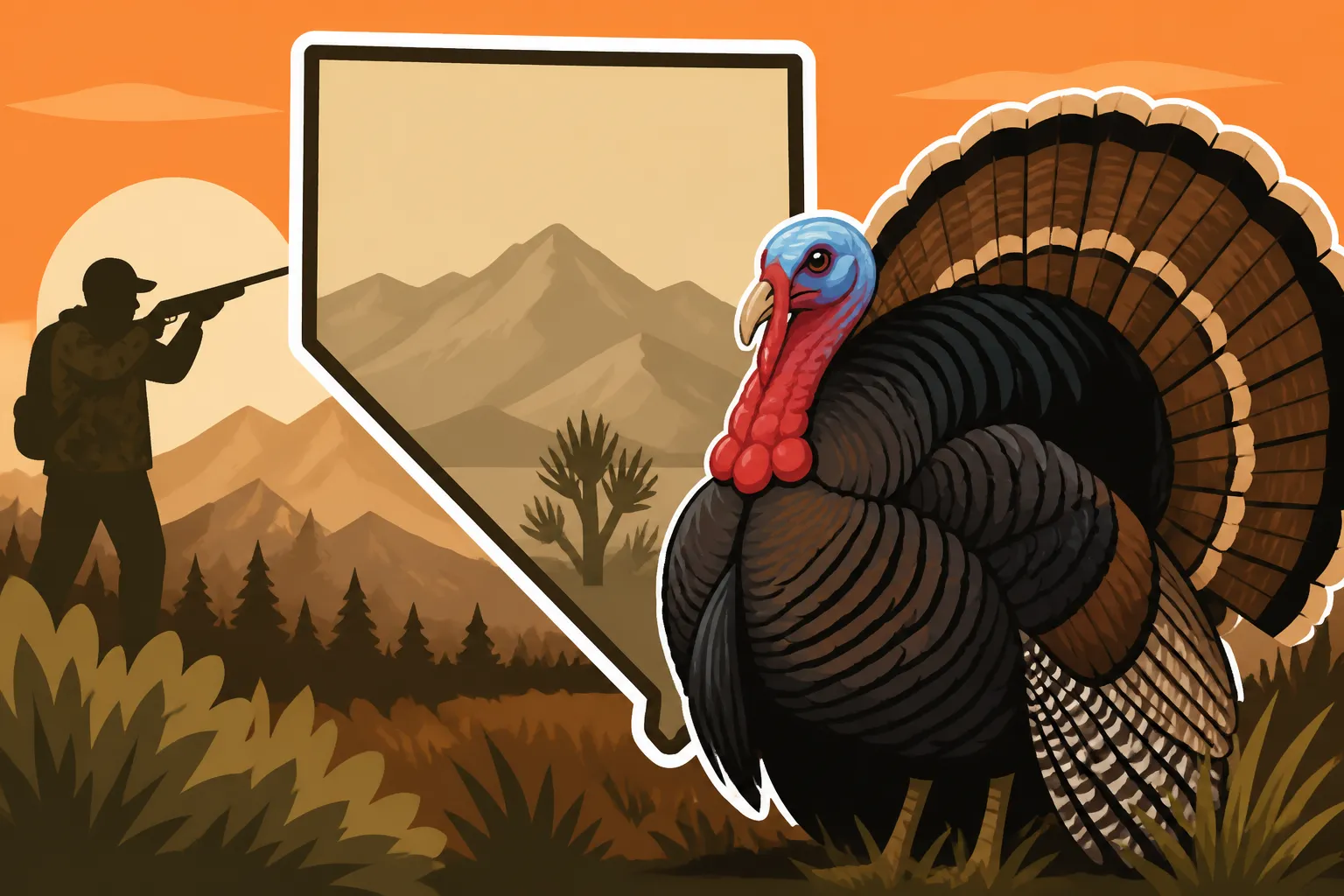
Nevada's turkey hunting opportunities are primarily split between a highly anticipated spring season and a more limited fall season. These seasons are designed to provide sustainable hunting while offering different experiences based on the birds' natural behavior during those times of the year. The spring season, as you might expect, is all about that gobbling action, while the fall offers a chance to hunt flocks as they forage.
Spring Turkey Season
The spring turkey season is undoubtedly the most popular, drawing hunters eager to experience the thrilling vocalizations and breeding behaviors of toms. This is when the woods come alive with gobbling, and calling strategies truly shine. Nevada's spring season typically runs from late March through mid-May, though the exact dates can shift slightly year-to-year and vary by specific hunt unit. It's often divided into a general season, and sometimes special youth hunts or limited entry periods within that broader window.
What makes the spring season so captivating is the opportunity to interact directly with the birds. You're not just looking for them; you're trying to outwit them with calls, decoys, and stealthy approaches. This is when toms are most visible and vocal, focused on breeding. For many, the challenge of calling in a wary gobbler is the pinnacle of turkey hunting. The weather during this period can range from crisp, cool mornings in March to surprisingly warm, sunny days in May, so preparation for varied conditions is key. Understanding the nuances of Bugle Timing in Nevada's Elk Country or even When the Mule Deer Rut Actually Starts can offer insights into how animal behavior dictates hunting strategies, much like the spring gobble.
Fall Turkey Season
While less common than spring hunts, Nevada sometimes offers a fall turkey season. These hunts are generally much shorter, often lasting only a week or two, and occur in specific units where populations can sustain additional harvest. Fall turkey hunting is a completely different ballgame. The focus shifts from calling in a breeding tom to locating and breaking up flocks, then calling individual birds back to you. It's often a more physically demanding hunt, covering ground to find birds rather than sitting and waiting for them to respond to calls.
The dates for fall seasons, when offered, usually fall somewhere in October or November, coinciding with other big game seasons. These hunts are typically general over-the-counter tags, or at least have higher quotas, making them a more accessible option for hunters who might miss out on a spring draw. While the vocalizations aren't as prevalent as in the spring, the challenge of reading flock behavior and employing subtle calling to bring a bird back can be incredibly rewarding. It's less about the strutting and gobbling spectacle and more about precise woodsmanship and understanding the turkeys' feeding and roosting patterns.
Specific Season Dates and Units
When it comes to pinning down the exact dates for turkey season in Nevada, you absolutely have to consult the current year's Nevada Department of Wildlife (NDOW) big game hunting regulations. These documents are your bible, detailing not only the opening and closing dates but also the specific hunt numbers and their associated units.
Annual Regulation Updates
Every year, NDOW publishes a new set of regulations. These aren't just minor tweaks; sometimes, entire season structures or unit boundaries can change. It's why relying on last year's information is a recipe for disappointment. The regulation booklets usually become available in print at NDOW offices and licensed vendors, and critically, online on the NDOW website well before the application periods or season openers. I always make it a point to download the PDF and keep it handy on my phone, even if I've printed a copy. It's a living document throughout the year, so checking for any amendments is also a good habit. You can find detailed information on The Nevada Big Game Seasons Document which is essential for any hunter in the state.
For instance, the 2023-2024 regulations typically list the spring turkey seasons under specific hunt codes. You'll see something like "Hunt Number 3801: Spring Turkey, Unit 011-013" with specific opening and closing dates for that particular unit group. The dates often fall into a general framework, but the unit details are critical.
Here’s a simplified example of how you might see spring season dates laid out, but remember, always check the official NDOW regulations for the most current and accurate information:
| Season Type | Typical Start Date | Typical End Date | Key Hunting Behavior | Notes |
|---|---|---|---|---|
| Spring General | Late March | Mid-May | Gobbling, breeding | Most popular season, call-intensive |
| Spring Youth | Early April | Mid-April | Gobbling, breeding | Shorter, specific dates for youth |
| Fall General | Late October | Mid-November | Flocking, foraging | Less common, often over-the-counter |
This table provides a general overview, but it's the specific unit information in the regulations that will tell you exactly where and when you can hunt. Many hunters utilize resources like GoHunt, which can provide excellent tools for interpreting these regulations and even offer insights into unit-specific harvest data and turkey populations. GoHunt's data layers can be invaluable for cross-referencing season dates with potential turkey hotspots.
Identifying Turkey Hunting Units
Nevada's turkey populations are not evenly distributed across the entire state. They tend to thrive in specific habitats, often associated with riparian corridors, irrigated farmlands, and certain mountain ranges with suitable cover and food sources. The Nevada Turkey Hunting Units are typically concentrated in areas where Rio Grande turkeys have been successfully introduced and established, such as along the Carson, Truckee, and Virgin River systems, and in various mountain ranges with suitable habitat in western and eastern Nevada.
When you're poring over the regulations, you'll notice that turkey hunts are assigned to specific hunt units or unit groups. These units are often where habitat is most favorable for turkeys. For example, some units in western Nevada near Fallon or Carson City might have good turkey populations, as could areas in eastern Nevada near the town of Ely or along the upper Humboldt River. Learning Where Turkey Live Along Nevada Rivers can give you a significant advantage in understanding the designated units. It’s not just about looking at a map; it's about understanding the ecology that supports these birds. Before applying or heading out, you should also take the time to learn Reading a Nevada Hunt Unit Before You Apply to fully grasp the boundaries and intricacies of the unit you're targeting.
You might find that some units are open for spring only, others for both spring and fall, and some not at all. NDOW biologists carefully assess herd health and population numbers in each area to determine tag quotas and season lengths. Using tools like GoHunt can help you visualize these units on a map alongside public land boundaries and even identify potential roosting and feeding areas through satellite imagery.
Application Process and Tag Considerations
Unlike some small game, securing a Nevada turkey tag often involves more than just buying one over-the-counter. While fall seasons might be more accessible, spring turkey tags are frequently part of the state's controlled draw system, especially for the more desirable hunts.
Applying for Spring Turkey Tags
For the spring turkey season, many popular hunts operate under a limited entry draw system. This means you submit an application, much like you would for deer or elk, and hope to draw a tag. The application period for these draws typically aligns with the main big game application period, which traditionally runs from late March through early May. The Nevada Application Deadline Date is critical, usually in mid-May, and missing it means missing out on the opportunity for that year.
You'll need a current Nevada hunting license to apply, and there might be specific application fees in addition to the tag fee if you're successful. The draw results for spring turkey often come out around the same time as other big game species, usually by the end of May. It's a system designed to manage hunter numbers and provide quality hunting experiences while ensuring sustainable populations. For nonresident hunters, understanding the costs involved, such as the Nonresident Nevada Combination License Price, is also vital before applying.
While turkey doesn't have the same bonus point system as deer or elk, understanding the draw odds is still important. Some units might be harder to draw than others, especially those known for trophy birds or high success rates. Websites like GoHunt provide valuable draw odds data that can help you make informed decisions when selecting your hunt choices. Their detailed breakdowns can show you how many tags were offered, how many applicants there were, and your statistical chance of success.
Over-the-Counter and Leftover Tags
Not all turkey tags go through the draw. Sometimes, NDOW offers over-the-counter (OTC) tags for certain general seasons, particularly for fall hunts or in units with robust turkey populations. These are typically available for purchase online or at licensed vendors once the season begins or a few weeks prior. It's a good idea to check the regulations for any OTC opportunities if you don't plan to apply in the draw or if you're looking for a backup option.
Additionally, after the main draw results are posted, there may be leftover tags available for purchase. These are tags that weren't drawn or were not purchased by successful applicants. Leftover tags are usually sold on a first-come, first-served basis, often starting in early to mid-June. They can be a fantastic opportunity to secure a tag if you missed the draw or simply want another chance to hunt. However, these tags are often for less popular units or seasons, so do your homework on the unit to ensure it aligns with your hunting goals.
Essential Gear and Tactics for Nevada Turkeys
Hunting turkeys in Nevada's diverse terrain—from river bottoms to sagebrush hills—requires specific gear and tactics. It's not just about the dates; it's about being prepared to make the most of your time in the field.
Decoys and Calling Strategies
For spring turkey hunting, a good set of calls and realistic decoys are paramount. Friction calls (slate, pot, box calls) and mouth calls are staples in any turkey hunter's vest. Mastering a few key vocalizations—yelps, clucks, purrs, and gobblers—will significantly increase your chances. The type of call you use often depends on the scenario: a loud box call for locating birds on a windy morning, a soft slate call for close-in work, and a mouth call for hands-free operation when a gobbler is in sight.
Decoys, especially a hen or jake decoy, can be incredibly effective in bringing a wary tom those last few yards. They provide a visual that often overcomes a gobbler's natural caution. Positioning your decoys correctly, accounting for wind and the birds' approach, is a skill developed over time. Remember, turkeys have incredible eyesight, so realism and proper placement are key.
In the fall, calling strategies shift. Locator calls are still useful, but the focus is often on scattering a flock and then using assembly calls (lost yelps) to bring individual birds back to your position. It's less about aggressive gobbling and more about mimicking the sounds of a lonely bird trying to regroup.
Camouflage and Concealment
Turkeys possess legendary eyesight, making full camouflage from head to toe absolutely essential. This means a good camo pattern that blends with Nevada's varied environment – from greens in riparian areas to sage and browns in more arid regions. A full head net or face paint, gloves, and clothing that breaks up your silhouette are non-negotiable.
Finding natural cover, whether it's the base of a large tree, a thick clump of sagebrush, or a small draw, is critical for concealment. You need to be able to move and raise your shotgun or bow without being detected. This is especially true when hunting in the more open Sage Grouse Leks and Nevada Habitat areas, where cover is sparse. You might not be glassing for Mule Deer Are the Reason Most Hunters Apply in Nevada, but the principles of concealment and patience are similar.
Scouting and E-Scouting
Pre-season scouting, both in person and using digital tools, is vital for success. Driving roads, looking for tracks, scat, and feathers, and listening for roosting calls can give you an invaluable advantage. Understanding Reading Fresh Elk Sign in Thin Timber or even basic animal sign interpretation can translate well to turkey. Identifying roosting areas, feeding locations, and travel corridors will help you narrow down where to focus your efforts.
E-scouting with mapping software like onX Hunt or through services like GoHunt is also incredibly powerful. You can identify potential turkey habitat by looking for water sources, dense cover, and changes in terrain. Using aerial imagery to pinpoint potential roost trees near water or agriculture, and then cross-referencing this with public land boundaries, can save you countless hours of boots-on-the-ground scouting. The GoHunt platform's detailed maps and public land layers are excellent for this, allowing you to mark waypoints for potential setups even before you leave home. This preparation is a lot like E-Scouting a Nevada Unit Before the Season for larger game; the more you know before you go, the better.
Legal Shooting Hours and Requirements
Nevada has clear regulations regarding legal shooting hours and other general requirements that apply to all big game, including turkeys. It's crucial to be aware of these rules to ensure a legal and ethical hunt.
Shooting Hours
For turkeys, as with most big game in Nevada, legal shooting hours are typically one-half hour before sunrise to one-half hour after sunset. These hours are fixed based on the official sunrise and sunset times for the specific date and location you are hunting. It’s important to remember that these times can shift significantly over the course of the season, especially from March to May. Many hunters use a reliable app on their phone or a dedicated hunting watch that provides these exact times daily. Adhering to Nevada Legal Shooting Hours for Big Game is not just about legality; it's about ethical hunting and giving the animals a fair chance.
Hunting outside these hours is strictly prohibited and can result in severe penalties. Always double-check your local sunrise/sunset times, especially if hunting near the eastern or western edges of a time zone or if Daylight Saving Time changes occur during your hunt.
Blaze Orange and Other Requirements
While blaze orange is often required for rifle deer and elk hunts in Nevada, it is generally not required for archery or muzzleloader hunts, or for turkey hunting in any season. This is because effective camouflage is critical for turkey hunting, where close concealment is paramount. However, always confirm the specific requirements in the current year's regulations under Blaze Orange Requirements Through the Season to avoid any misunderstandings.
In terms of other requirements, you'll need a valid Nevada hunting license and your turkey tag must be validated and attached to the harvested bird immediately after the kill. This is a standard procedure for all big game in the state and helps with proper harvest reporting and management. Make sure you understand how to properly tag your animal, as detailed in How Soon You Must Tag a Downed Animal.
The actual methods for taking turkeys are generally restricted to shotguns (using shot no larger than #2 and no smaller than #8), archery equipment, and sometimes muzzleloading shotguns. Rifles are typically not permitted for turkey hunting. Always verify specific projectile and equipment restrictions in the current year's regulations, as these can be updated.
Disclaimer
Please remember that hunting regulations, season dates, and unit boundaries can change annually. This article provides general information and guidance. It is the individual hunter's responsibility to consult the most current Nevada Department of Wildlife (NDOW) regulations before planning and participating in any hunting activity. Always confirm all dates, unit designations, and legal requirements directly from official NDOW sources to ensure compliance.