The Gear List Your Outfitter Will Send
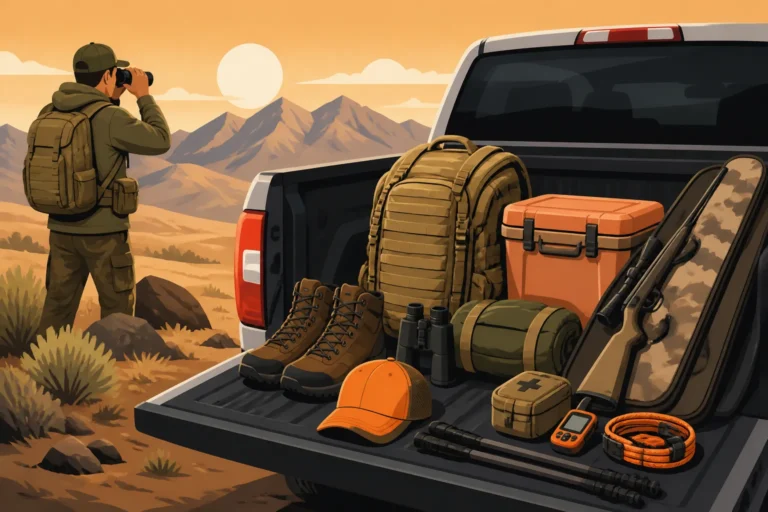
One of the biggest anxieties leading up to a guided hunt, especially in a place as wild and demanding as Nevada, is wondering if you've packed everything you truly need. You worry about forgetting a critical piece of kit or bringing too much of the wrong stuff, potentially jeopardizing your comfort, safety, or even your hunting success. This guide will walk you through what to expect when your outfitter sends that all-important gear list, why it's so specific, and how to prepare so you show up ready for the adventure.
Understanding the "Why" Behind Your Outfitter's Gear List
It's easy to look at a detailed gear list from an outfitter and feel overwhelmed, or even a little annoyed. After all, you're paying them to handle the hunt, right? But the truth is, a good outfitter's gear list isn't just a suggestion; it's a carefully curated document born from years of experience in the field, designed to ensure your safety, comfort, and ultimately, your success. They know the terrain, the weather patterns, and the unexpected challenges that Nevada can throw at you. Their list is your first line of defense against those unknowns.
Why Outfitter Lists Are So Specific
Imagine heading into a remote Nevada mountain range where temperatures can swing 40 degrees in a day, from freezing mornings to scorching afternoons, and where sharp volcanic rock can shred lesser boots in a single stalk. Your outfitter has seen it all: hunters showing up in cotton instead of wool, boots that aren't broken in, optics that don't hold a zero, or worse, no first-aid kit. These aren't just minor inconveniences; they can be trip-ending mistakes in the backcountry. A specific list helps them mitigate these risks.
Moreover, outfitters often operate under tight logistical constraints. They might be packing in on horseback, flying into remote strips, or running vehicle support deep into roadless country. Every ounce of gear counts. If you bring unnecessary items, it adds to their burden and takes up valuable space for essential camp supplies, food, or even emergency equipment. Their list helps standardize what everyone brings, making the entire operation run smoother and safer for everyone involved. When you’re looking at different outfitters, perhaps on a platform like BookYourHunt, you might even notice that their listed gear requirements can give you a clue about the intensity or remoteness of the hunt.
Nevada's Unique Demands on Your Kit
Nevada is not like hunting back East or in dense timber. The "Silver State" offers vast, open country with extreme conditions. You'll often be Preparing Physically for Long Glassing Days on ridgelines exposed to relentless sun and biting winds. Water sources are scarce, requiring careful planning for Water You Must Carry on a Desert Day Hunt. The terrain varies wildly from steep, rocky slopes to expansive sagebrush flats, demanding specialized footwear and layering systems.
The weather is another huge factor. While an August archery hunt might be brutally hot during the day, nighttime temperatures can still drop significantly. A late-season rifle hunt might start mild but quickly turn into a blizzard. Your outfitter's list will reflect this volatility, often recommending versatile layering systems and robust outer shells. They understand that being underdressed or ill-equipped can lead to hypothermia, heat stroke, or debilitating blisters, none of which are conducive to a successful hunt.
Breaking Down the Essential Categories of Gear
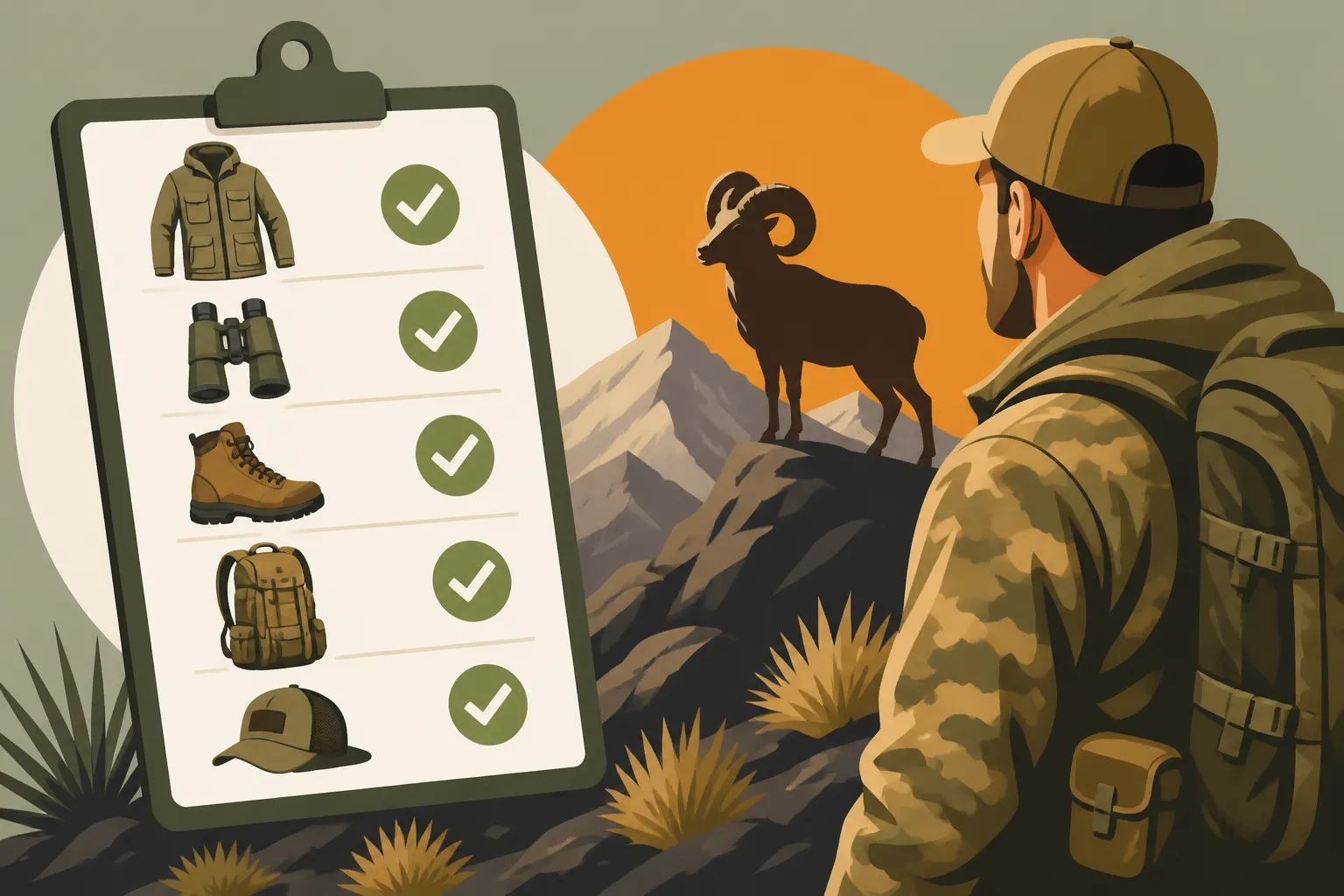
When that gear list arrives, it'll likely be broken down into logical categories. Let's explore what you can typically expect in each and why these items are paramount for a Nevada big game hunt.
Clothing: The Layering System is King
Nevada's extreme temperature swings mean that a single jacket won't cut it. You need a system that allows you to add or shed layers as conditions change from pre-dawn chill to midday heat, and then back to a cold evening glassing session.
| Layer Type | Purpose | Key Considerations |
|---|---|---|
| Base Layer | Wicks moisture away from your skin, regulates body temperature | Merino wool or synthetic; avoid cotton entirely. |
| Mid Layer | Provides insulation and warmth | Fleece, down, or synthetic puff jacket; easily packed. |
| Outer Layer | Protection from wind, rain, and snow | Waterproof and windproof shell; quiet fabric for stalking. |
| Insulated Outer | Additional warmth for sedentary periods (glassing) or extreme cold | Heavy puffy jacket or vest; may be combined with an outer shell. |
Your outfitter will almost certainly emphasize non-cotton materials. Cotton absorbs moisture and holds it against your skin, making you cold when wet and slow to dry – a dangerous combination in the backcountry. Merino wool or quality synthetics are the way to go for everything from socks to underwear to base layers. Think about Layering for Basin and Range Temperature Swings – having options is key. You might also want to consider quiet fabrics for your outer layers, especially for archery or close-range rifle hunting, as that rustle can give you away.
Footwear: Your Foundation for Success
Your feet are your most important tool on a Nevada hunt. You'll be covering vast distances over unforgiving terrain, from loose scree slopes to jagged lava rock. The wrong boots can ruin a hunt faster than almost anything else.
Your outfitter will specify sturdy, well-broken-in hiking or mountaineering boots with good ankle support. Waterproofing is crucial, even in a dry climate, for crossing unexpected seeps or wet brush in the morning. A stiff sole offers protection from sharp rocks and helps reduce foot fatigue over uneven ground. You'll likely be advised to bring multiple pairs of quality wool or synthetic socks to prevent blisters and manage moisture. Remember, Choosing Boots for Sharp Volcanic Rock isn't just about comfort, it's about durability and protecting your feet.
Optics: Seeing is Believing
In Nevada, hunting is largely a glassing game. You'll spend hours, even days, behind your binoculars and spotting scope, picking apart distant hillsides for game. Your outfitter's list will reflect this reality.
Expect to see high-quality binoculars (10×42 or 10×50 are common) and a spotting scope (20-60x or 20-70x) with a sturdy tripod. These aren't luxuries; they are necessities. Trying to hunt Nevada with cheap optics is like trying to drive a car without an engine – you simply won't be effective. Rangefinders are also essential for accurate shot placement in the wide-open country. If you're using a resource like GoHunt to scout specific units, you'll quickly realize how much focus is placed on long-range visibility, reinforcing the need for top-tier glass.
Sleep System and Camp Comfort
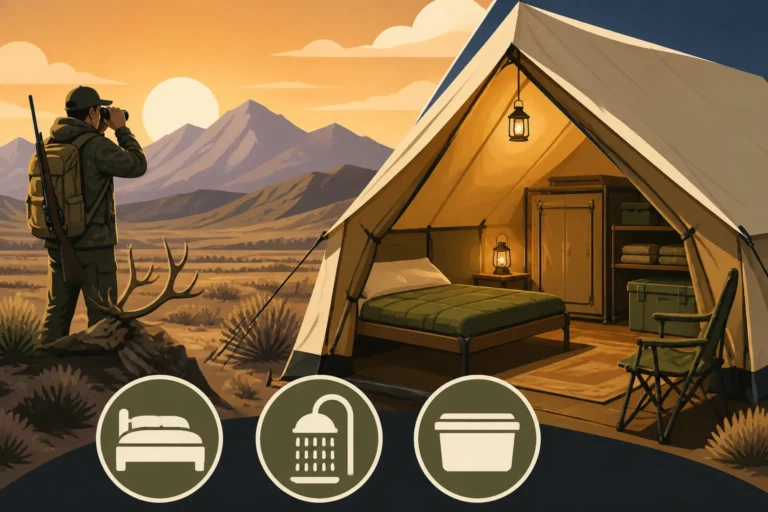
Whether it's a tent camp or a remote spike camp, your outfitter will provide the core shelter. However, your personal sleep system – sleeping bag, pad, and possibly a small pillow – will be on your list.
Expect a temperature rating on your sleeping bag that accounts for potential overnight lows. Nevada nights, even in "warm" seasons, can drop unexpectedly. A good sleeping pad is crucial not just for comfort but for insulation from the cold ground. If you're going on a Drop Camps in Nevada's Remote Ranges hunt, you might have more flexibility with comfort items, but generally, compact and lightweight are the watchwords.
Personal Items and Essentials
This category covers everything from hygiene to hydration and navigation.
- Hydration: Water bottles, hydration bladders, and possibly a water filter or purification tablets. Your outfitter might provide bulk water, but you'll need personal carrying capacity.
- Navigation: While your guide will lead, having your own GPS or a mapping app like onX on your phone (with downloaded maps) is always wise. A compass and paper map are excellent backups.
- Headlamp: With extra batteries. Essential for early morning hikes and setting up camp in the dark.
- First-Aid Kit: A small, personal kit for blisters, cuts, and minor ailments. Your guide will have a comprehensive one, but personal items are for immediate use.
- Sun Protection: Sunscreen, wide-brimmed hat, and sunglasses. The Nevada sun is intense.
- Knife/Multi-tool: Always handy in the field.
- Firearm/Bow: Specific caliber/draw weight recommendations, ammunition, and a proper case. Your outfitter will often specify minimums, such as Minimum Bow Draw Weight for Big Game or Muzzleloader Caliber Minimums for Elk.
- Personal Hygiene: Small towel, toothbrush, biodegradable soap.
- Game Processing: Gloves, small game bags. Your outfitter will handle most of the heavy lifting, but these can be helpful.
Safety and Emergency Gear
Your outfitter is responsible for your safety, but every hunter should carry personal emergency items.
- Fire Starter: Waterproof matches, lighter, or a fire steel.
- Emergency Shelter: A lightweight emergency bivy or space blanket.
- Signaling Device: Whistle, signal mirror.
- Communication: A Satellite Messenger Use in Remote Country device is an excellent idea, allowing you to communicate even without cell service. Your guide will have one, but having your own for personal use or in case you get separated is a smart move.
Navigating Nevada's Unique Challenges with the Right Kit
Nevada isn't just a place to hunt; it's a character in the hunt itself. The vastness, the temperature extremes, the rugged terrain, and the sheer remoteness all combine to create a challenging environment that your gear must be able to withstand.
Preparing for Weather Extremes
As mentioned, temperature swings are the norm. Your outfitter's list for an early season hunt, say Nevada's August Archery Deer Window, will likely focus on lightweight, breathable layers for the heat, but still include insulation for cold mornings and evenings. For a late-season rifle hunt, which might include Late Season Elk Hunts Into December, the emphasis shifts dramatically to heavy insulation, waterproof/windproof outer layers, and potentially even snow gaiters. Think in terms of a system, not individual pieces, and ensure everything can be easily packed or worn.
Trekking Across Diverse and Rugged Terrain
Whether you're ascending steep, rocky slopes after Chukar Is Nevada's Signature Upland Bird or stalking a mule deer across vast sagebrush flats, your body and gear will be put to the test. Good knee pads can be a lifesaver when crawling through sharp rock and brush on a stalk. A sturdy backpack that fits well and can carry optics, water, extra layers, and potentially game meat is non-negotiable. Look for packs with good suspension systems and hip belts to distribute weight effectively. If your hunt involves horses, your outfitter might specify limitations on pack size or type for easier transport. If you're considering a hunt that involves significant hiking, reviewing a post like Preparing Physically for Long Days in Open Terrain can help you understand the physical demands and how your gear choice supports them.
Water Management in Arid Environments
Nevada is famously dry. Unless you're hunting near a major reservoir or river, water will be a constant consideration. Your outfitter will outline what they provide, but your personal capacity for carrying water for a day's hunt is crucial. Carrying a minimum of 2-3 liters, and often more, is wise. While your guide will know Hunting Water in Nevada's Driest Country, relying solely on them for your personal hydration needs throughout the day is a risk. Consider a lightweight, packable water filter or purification tablets as a backup in case you find a questionable source.
Prepping and Packing: Making the List Work for You
Once you have that detailed gear list, the real work begins. This isn't just about throwing things into a duffel bag; it's about thoughtful preparation and smart packing to ensure you're ready for anything.
Checking, Testing, and Breaking In Your Gear
Do not wait until the night before to try on your boots, test your optics, or unpack your sleeping bag.
- Boots: Wear them for extensive walks, hikes, and even short scouting trips. Ensure they are fully broken in to avoid blisters.
- Clothing: Wash and treat any waterproof items if necessary. Check zippers, buttons, and seams.
- Optics: Clean lenses, ensure your rifle scope is mounted correctly, and zero your rifle well in advance. Practice ranging with your rangefinder.
- Backpack: Load it up with the estimated weight you'll carry daily and go for a hike. Adjust straps and fit. This helps you understand how it will feel during the hunt and identifies any discomfort points.
- Headlamp/Electronics: Install fresh batteries and bring spares. Test all functions.
Many outfitters will ask for a list of your gear or even ask to check it upon arrival. They do this not to judge you, but to ensure you have what you need and to offer any last-minute advice or solutions for missing items. If you have questions about specific items, ask your outfitter well in advance. They'd rather you ask a "silly" question than show up unprepared.
Smart Packing Strategies
How you pack can be almost as important as what you pack.
- Weatherproof Duffel: A sturdy, waterproof duffel bag is often recommended for camp gear. It protects your items from dust, rain, and snow during transport.
- Dry Bags/Compression Sacks: Use these for clothing, your sleeping bag, and other sensitive items inside your main duffel or backpack. They add an extra layer of protection and help organize your gear, especially for hunts involving Packing an Animal Out of Roadless Country where minimizing bulk is essential.
- Layered Packing: Pack clothes in outfits or layers so you can easily grab what you need without rummaging.
- Accessibility: Keep frequently used items (like a headlamp, snacks, or rain gear) easily accessible in your day pack.
- Weight Distribution: For your day pack, distribute weight evenly, with heavier items closer to your back.
Remember, every outfitter's list will have common threads, but the specifics can vary wildly based on the species you're hunting, the time of year, the unit, and the outfitter's particular style of operation. Always defer to your outfitter's expertise when it comes to that critical gear list. It's not just a suggestion; it's their blueprint for a successful and safe hunt.
Disclaimer
This article is for general informational purposes only and does not constitute professional advice. Laws, prices and regulations vary by location and change over time. Consult a qualified professional for guidance on your specific situation.